
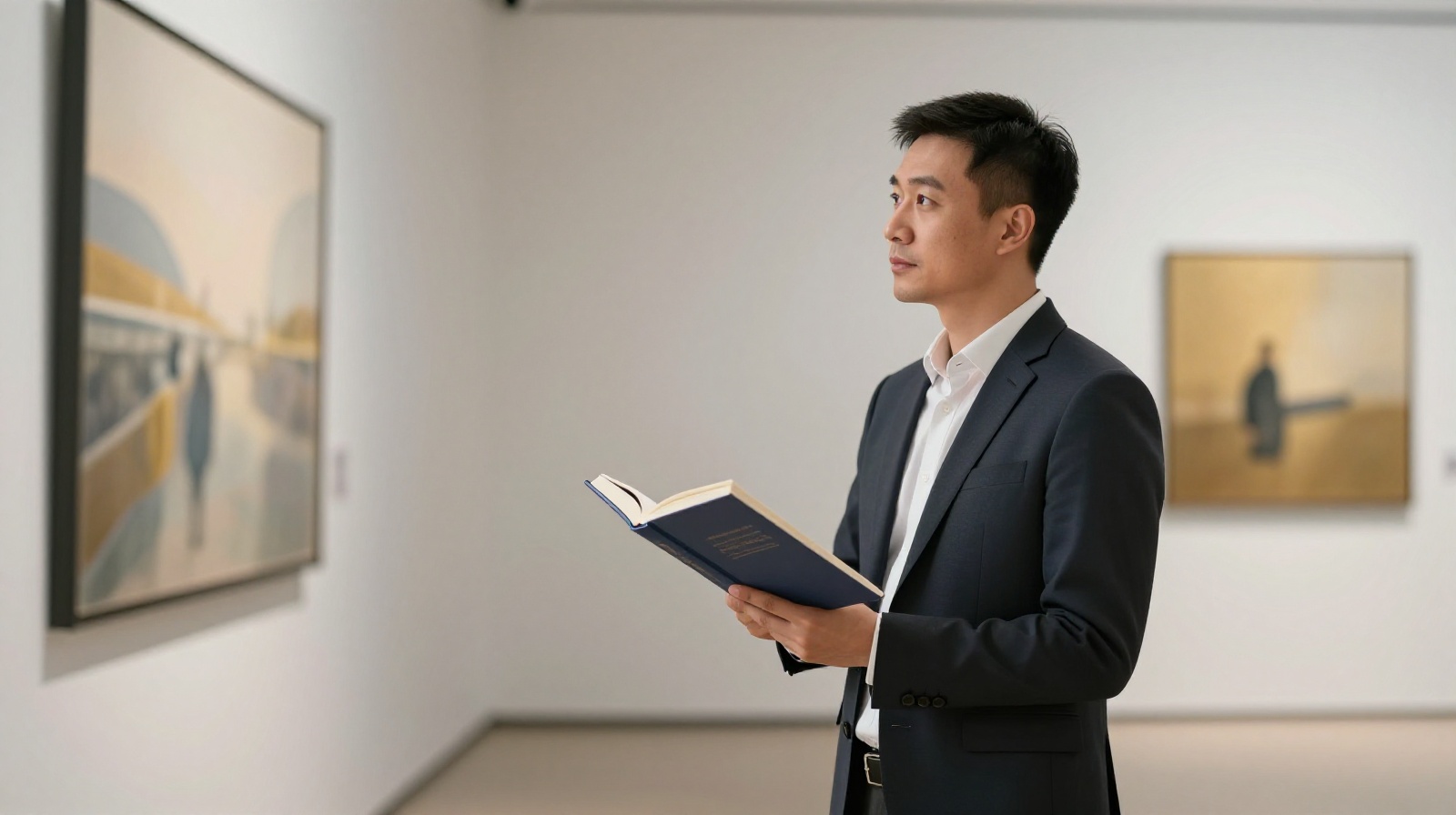

The Era of the Loud Logo
If you walked through the shopping districts of Shanghai or Beijing in the late 1990s or early 2000s, the visual language of wealth was unmistakable. It was loud, golden, and covered in recognizable logos. A new class of entrepreneurs had emerged from China’s rapid economic opening, and their first instinct was to display their success through conspicuous consumption.
This era defined the stereotype of the “nouveau riche” (often referred to in Chinese as “tuhao”, a term that literally translates to “earthy rich,” implying a lack of refinement). For many, wealth was a counter-narrative to decades of material scarcity. Buying a luxury handbag with a giant LV monogram or driving a car plastered with badges wasn’t just about quality; it was a public announcement: “I am here, and I have arrived.”
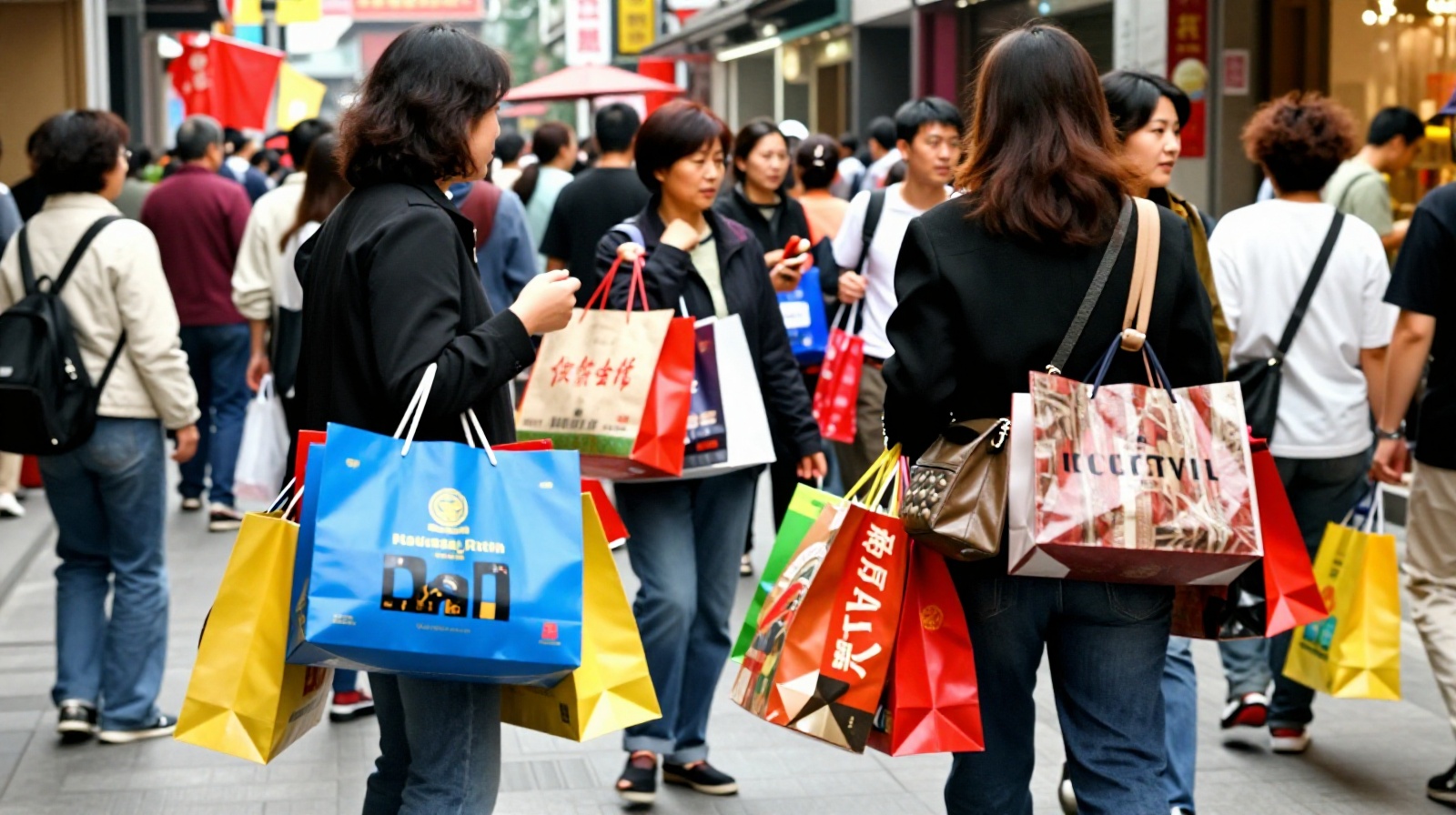
Sociologists observed that this phase was inevitable. In a society where trust in institutions was still rebuilding, visible assets served as the most reliable credit score. The psychology was simple: if you could afford the most obvious symbol of status, you were safe.
The Great Shift: From Showing Off to Hiding
By the 2010s, a subtle but profound change began to ripple through China’s upper-middle class and elite circles. The loud logos started to feel outdated, almost tacky. A new aesthetic emerged, heavily influenced by global “quiet luxury” trends but adapted to local sensibilities. This was the era of “discreet wealth”.
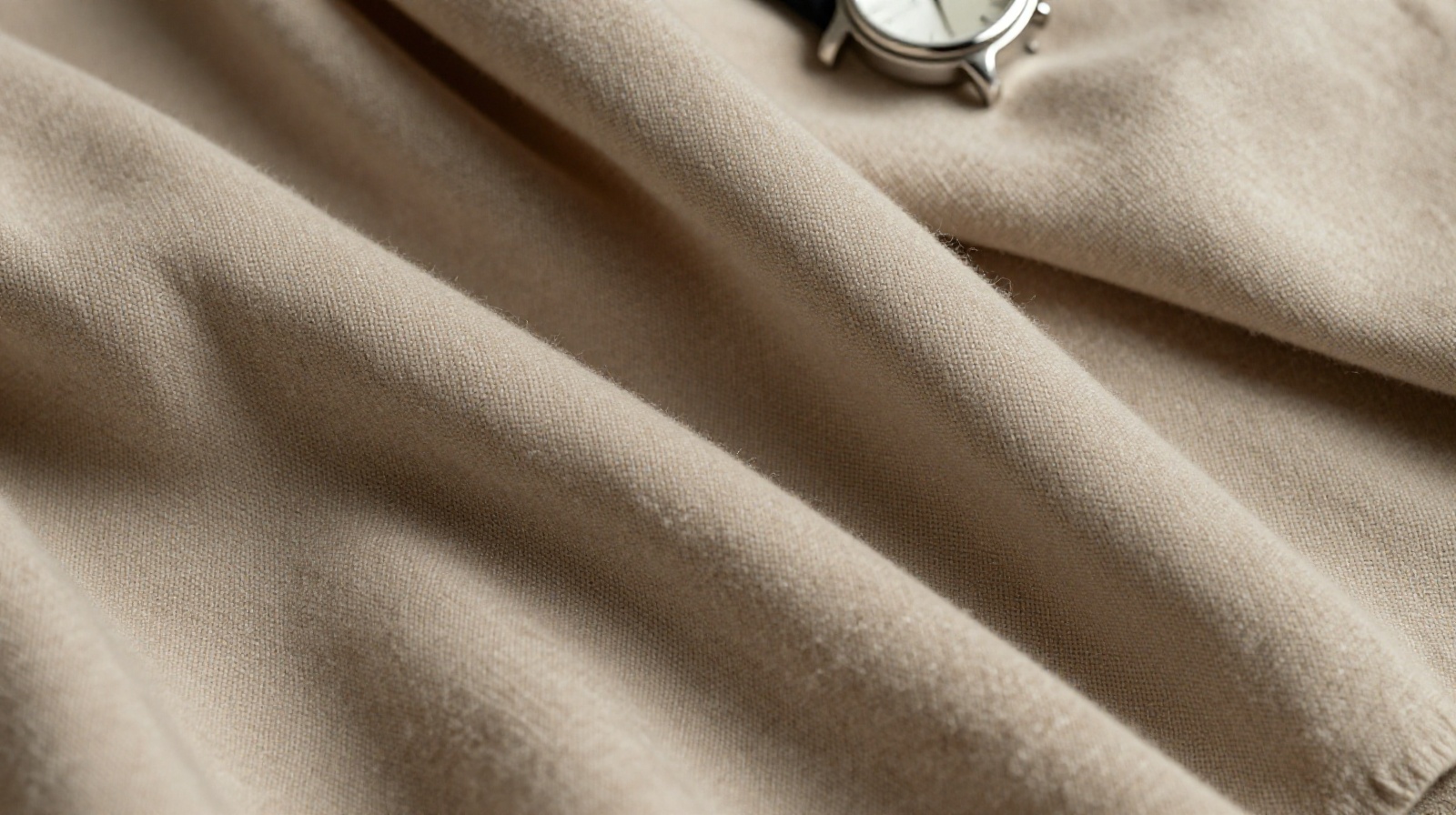
Consider the shift in fashion. Instead of flashing brand names, the new wealthy began wearing unbranded cashmere, bespoke suits from Savile Row or local tailors, and watches that required insider knowledge to recognize their value. The goal was no longer to be seen by everyone, but to be recognized by those who knew how to look.
This shift wasn’t just about clothing; it was about lifestyle. Health and wellness became the new status symbols. While the previous generation might have bragged about business volume, the new elite talked about their yoga practices, organic diets, and marathon times. Education also became a central pillar. Sending children to top international schools or boarding schools in the West wasn’t just for academics; it was a signal of cultural capital that could not be bought with a simple bank transfer.
Building a “Cultural Class”
Today, we are witnessing the formation of what can be called China’s “cultural class.” For the younger generation of entrepreneurs and heirs—those who grew up with abundance rather than scarcity—wealth is no longer enough to command respect. They are actively constructing a new identity through cultural consumption and philanthropy.
Look at the Chinese art market. Auction houses like Poly and Guardian now regularly sell contemporary Chinese art for tens of millions of dollars. Collectors are not just buying assets; they are curating history. Many young billionaires are establishing private foundations, funding academic research, or sponsoring underground theater productions. This mirrors the Western concept of “old money,” where social standing is maintained through stewardship of culture rather than mere ownership.
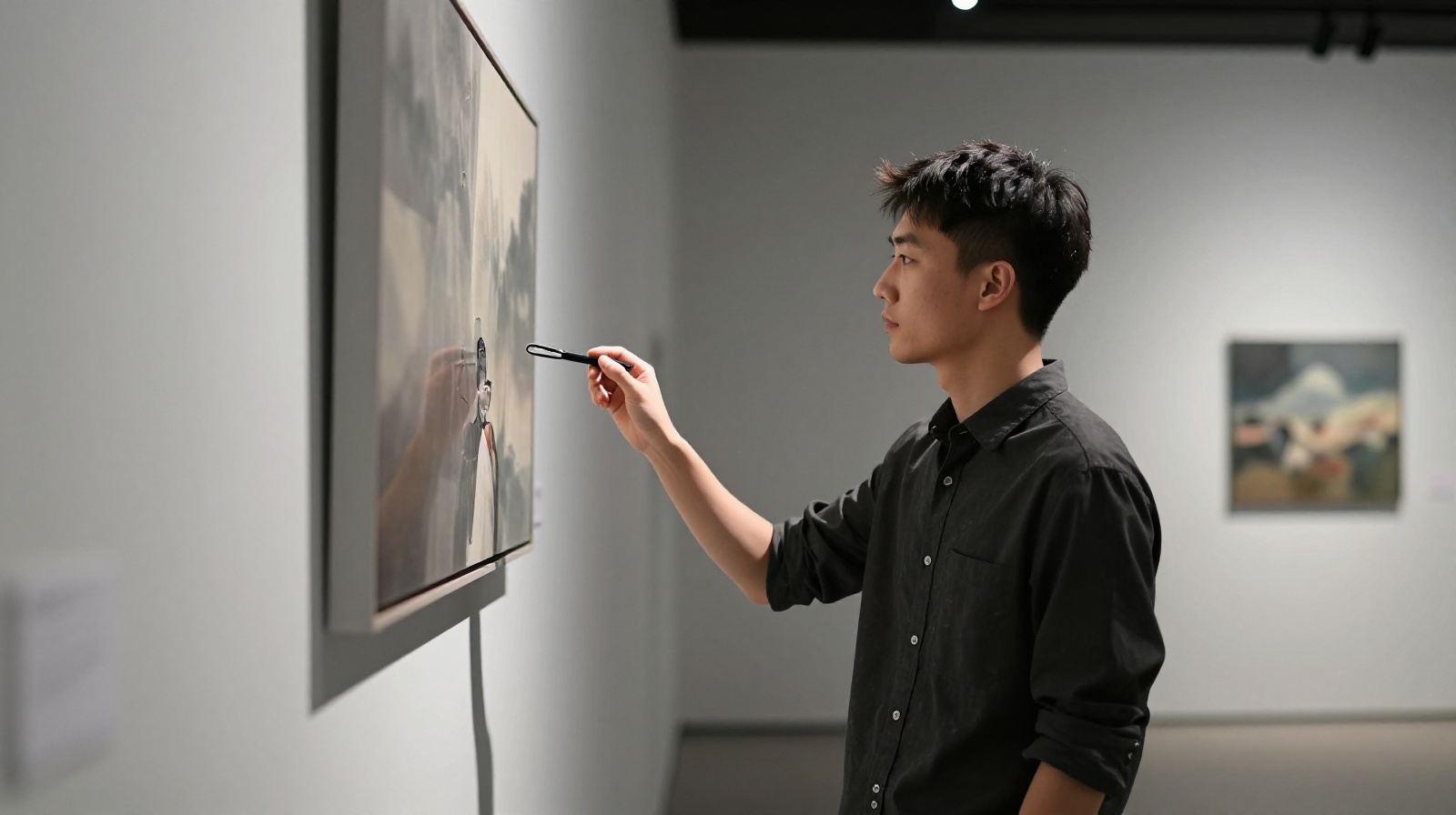
Take the example of a 35-year-old tech entrepreneur in Shenzhen. Ten years ago, his success might have been measured by the size of his office or the model of his car. Today, he spends his weekends visiting museum exhibitions, collecting vintage cameras, and donating to rural education programs. His social circle values his taste and his contributions to society more than his net worth. This is a move from “having” to “being.”
Why This Matters for Understanding China
For overseas readers, this evolution offers a crucial lens through which to view contemporary China. The stereotype of the flashy, materialistic Chinese consumer is fading, replaced by a more complex reality. The rise of the “cultural class” reflects a society that has largely solved its hunger for basic goods and is now hungry for meaning.
This transition also impacts global markets. As Chinese consumers become more discerning, they are less swayed by marketing hype and more interested in brand heritage, sustainability, and authentic storytelling. Companies that rely on the “logo economy” are finding it harder to win over this new demographic.

Ultimately, the journey from “nouveau riche” to “cultural class” is a story of maturation. It shows that as a nation’s economy grows, its social psychology evolves. The loudness of the early 2000s was a necessary phase of catching up. The quiet confidence of today is the result of having arrived. For China, the next chapter isn’t about proving how much they have; it’s about defining who they are.