
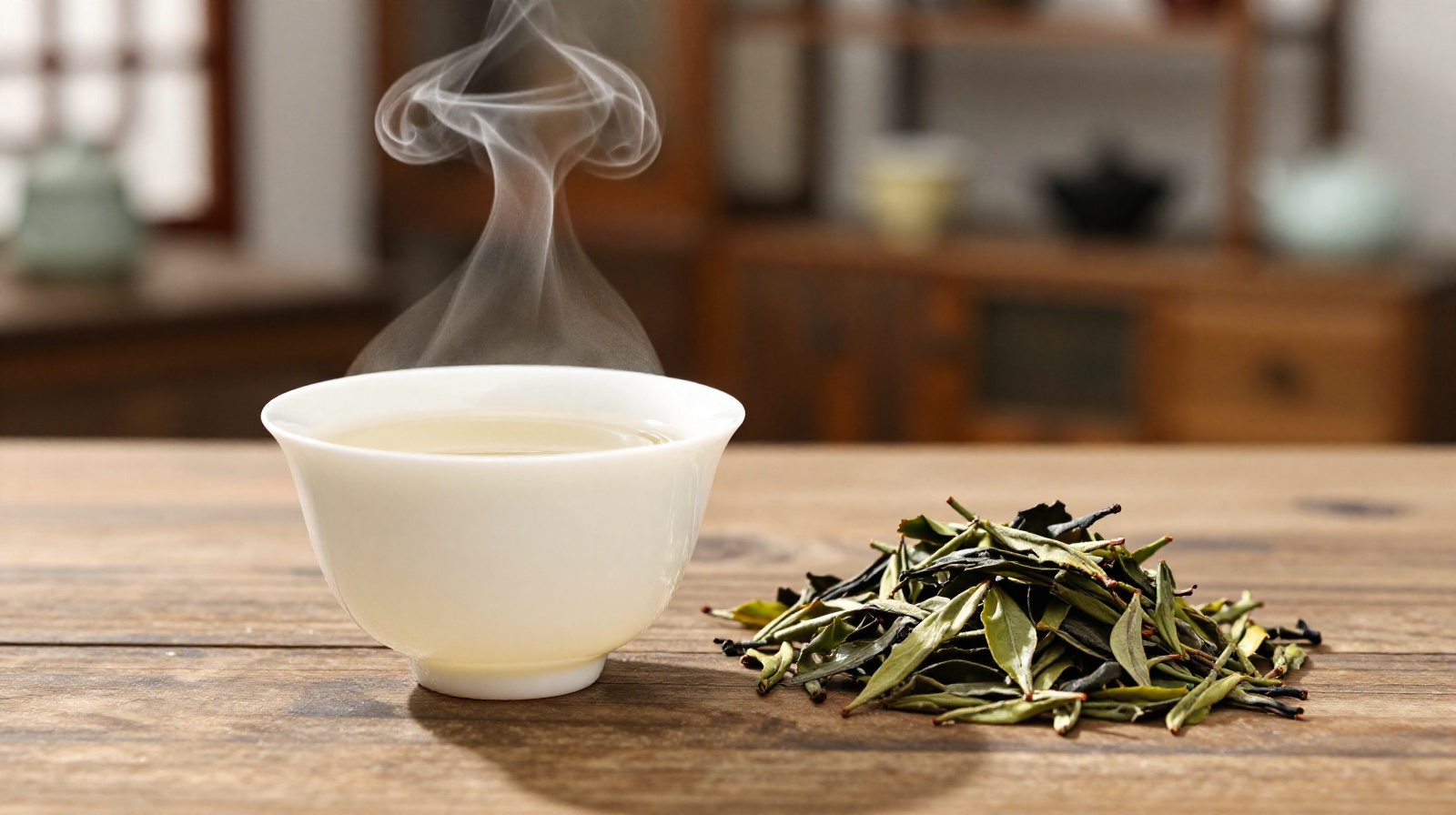

A Cup of Tea, Two Different Lives?
On any morning in China, you can see office workers grabbing a plastic cup of hot tea from a street vendor, grandmas pouring from thermoses in parks, and young professionals brewing loose-leaf in smart kettles at their desks. Tea is everywhere. But does that daily habit actually change health outcomes? Let’s set aside tradition and look at what the data says.

What the Numbers Reveal: Tea Drinkers vs. Non-Drinkers
Several large-scale epidemiological studies in China have tracked tens of thousands of people over decades. A 2020 study published in the European Journal of Preventive Cardiology followed 100,902 Chinese adults for an average of 7.3 years. Habitual tea drinkers (three or more cups per week) had a 20% lower risk of cardiovascular disease and a 22% lower risk of stroke compared to non-drinkers. Another study in Annals of Internal Medicine (2022) looked at half a million UK Biobank participants and found that drinking two or more cups of black tea per day was associated with a 9-13% lower risk of death from all causes.
In China, the China Kadoorie Biobank study (over 500,000 participants aged 30-79) showed that daily tea drinkers had a 39% lower risk of developing type 2 diabetes. However, the benefits were strongest among those who drank green tea and had been drinking tea for many years.
Beyond the Heart: Brain and Bones
Cognitive decline is a growing concern. A 2023 meta-analysis of 22 studies found that regular tea consumption reduced the risk of cognitive impairment by 17%. In China, a study of community-dwelling elderly in Shenzhen reported that those who drank tea at least three times a week scored significantly higher on memory and executive function tests. For bone health, tea polyphenols may help maintain bone density. A Chinese study with 1,200 postmenopausal women found that those who drank green tea daily had 5% higher lumbar spine bone density than non-drinkers.

Why? The Science of Tea’s Active Compounds
Tea contains a unique group of antioxidants called catechins (especially EGCG), which reduce inflammation and oxidative stress. Caffeine and L-theanine work together to improve alertness without the jitters. Fluoride in tea supports dental health. But the key is the synergy: isolated supplements don’t replicate the whole-food effect observed in population studies.
However, biology isn’t simple. The same compounds can interfere with iron absorption (especially non-heme iron from plants). So the timing of tea consumption matters — drinking between meals rather than with iron-rich foods is recommended.
Real People, Real Habits
Take Zhang Wei, a 34-year-old programmer in Beijing. He used to drink three cans of cola daily. At 30, he switched to Gunpowder green tea from his hometown in Zhejiang. Within a year, his fasting blood glucose dropped from 6.1 mmol/L to 5.4 mmol/L. He says, “I didn’t change anything else — just the drink. The numbers convinced me.”
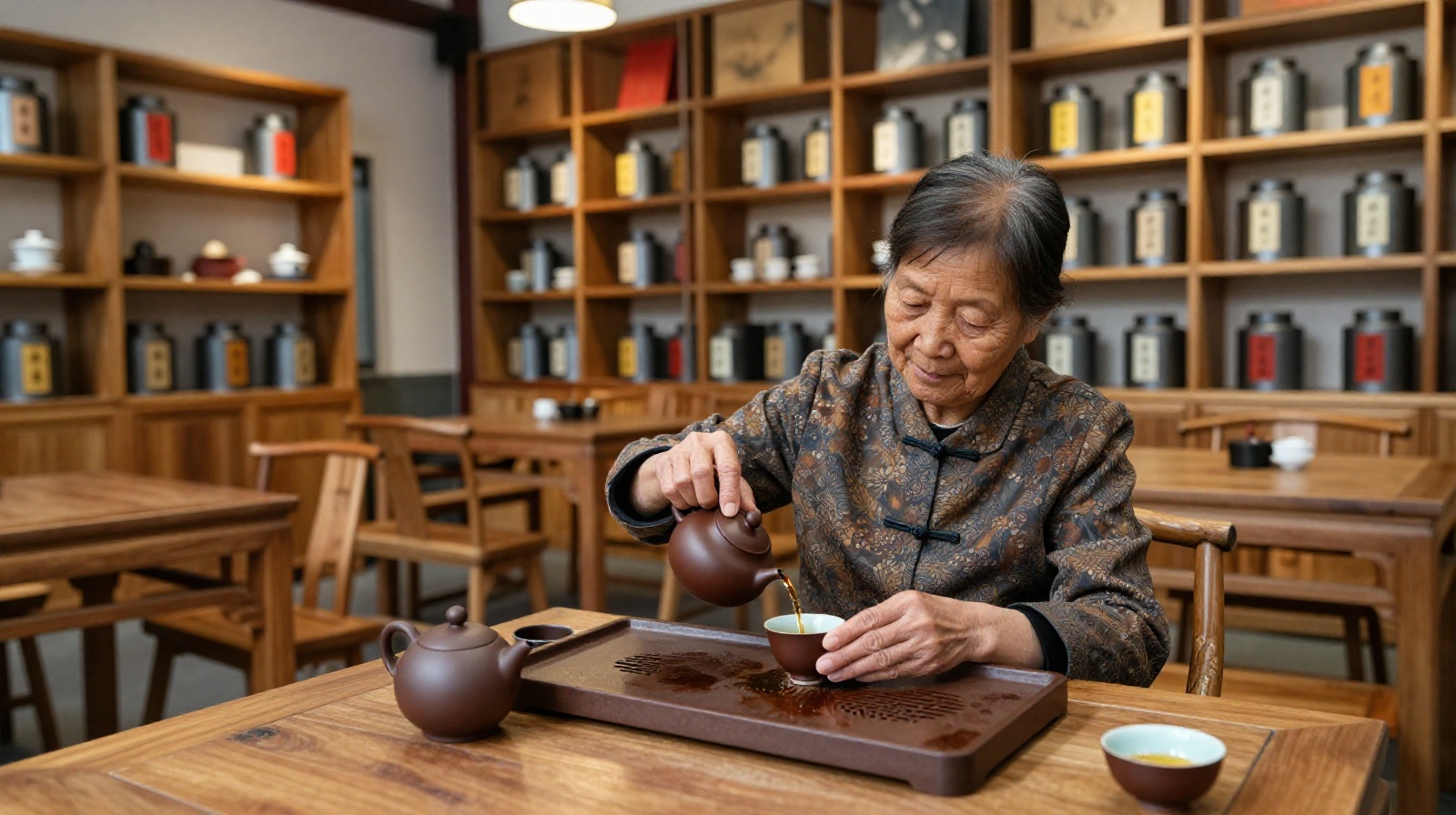
Then there’s Aunt Li, who runs a tea house in Chengdu. She’s 68 and has been drinking pu’er tea since her twenties. Her blood pressure? 120/80. Her cholesterol? Normal. She credits her daily brewing ritual, but adds with a grin, “I also walk 10,000 steps a day and eat mostly vegetables. It’s not just the tea.”
Caveats: Tea Isn’t a Magic Pill
Too much tea can cause problems. Over 5 cups of strong tea per day may increase the risk of kidney stones due to oxalate content. Drinking scalding hot tea (above 65°C) is associated with esophageal cancer risk — a particular concern in parts of China where very hot tea is traditional. Also, added sugar or milk can negate some benefits. The healthiest way is plain, unsweetened, and at a comfortable temperature.
Conclusion: Drink Tea, But Don’t Expect Miracles
The data is clear: habitual, moderate tea consumption correlates with better heart health, lower diabetes risk, and sharper cognition. But these are population trends, not guarantees for individuals. Tea works best as part of a balanced diet, regular exercise, and good sleep. So go ahead — brew that cup. Enjoy the ritual. And let the numbers reassure you, not dictate your life.