

The First Bite: Confusion in the Bowl
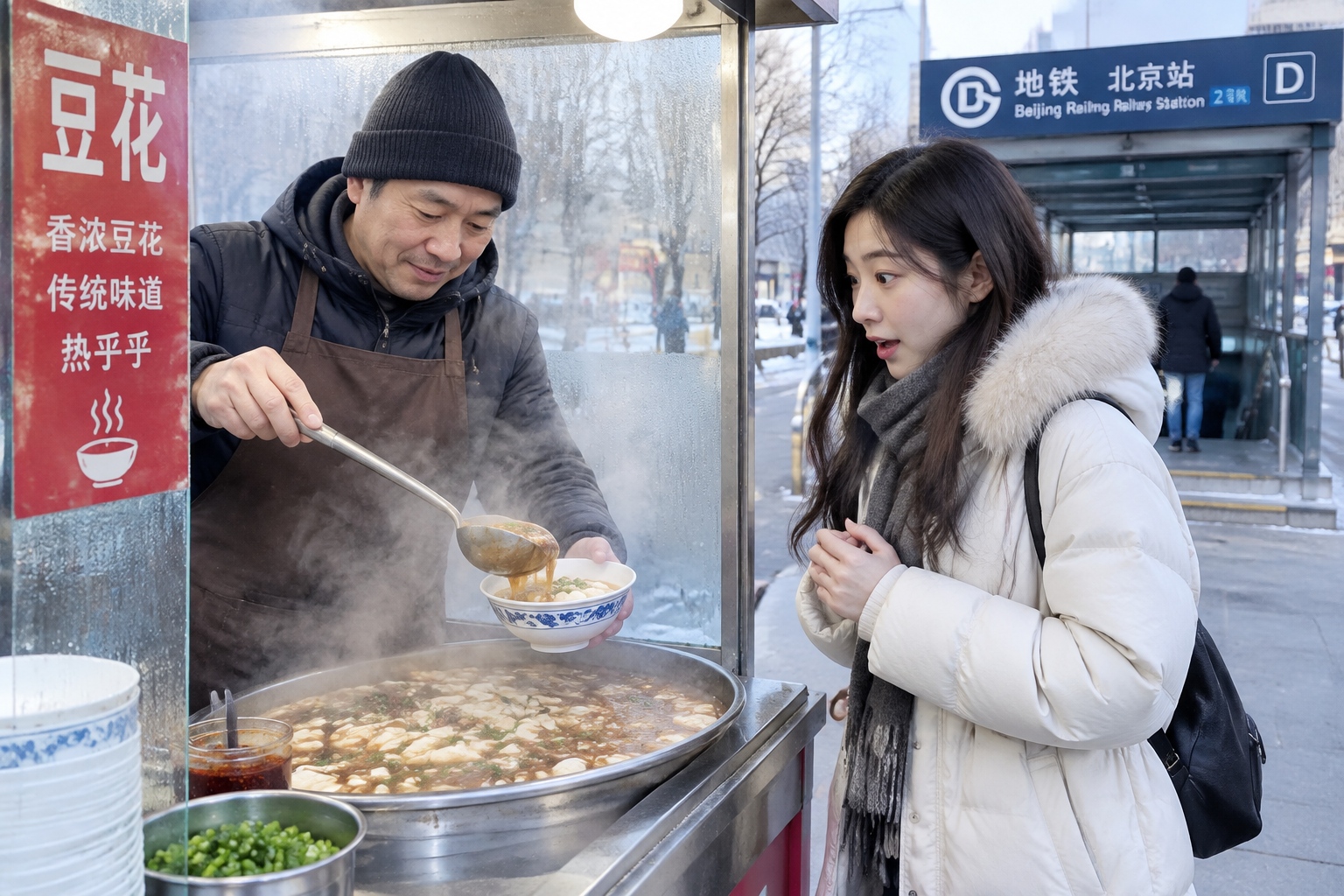
It was a cold Tuesday morning near Beijing’s Dongzhimen subway station, and the breakfast stall was wrapped in steam. A woman in her late twenties, visiting from Guangzhou for work, pointed at a photo of what looked like soft white custard and asked for a bowl. She expected something she had eaten her whole life: silky tofu pudding, warm, topped with syrup, sometimes with a scoop of red beans or crushed peanuts.
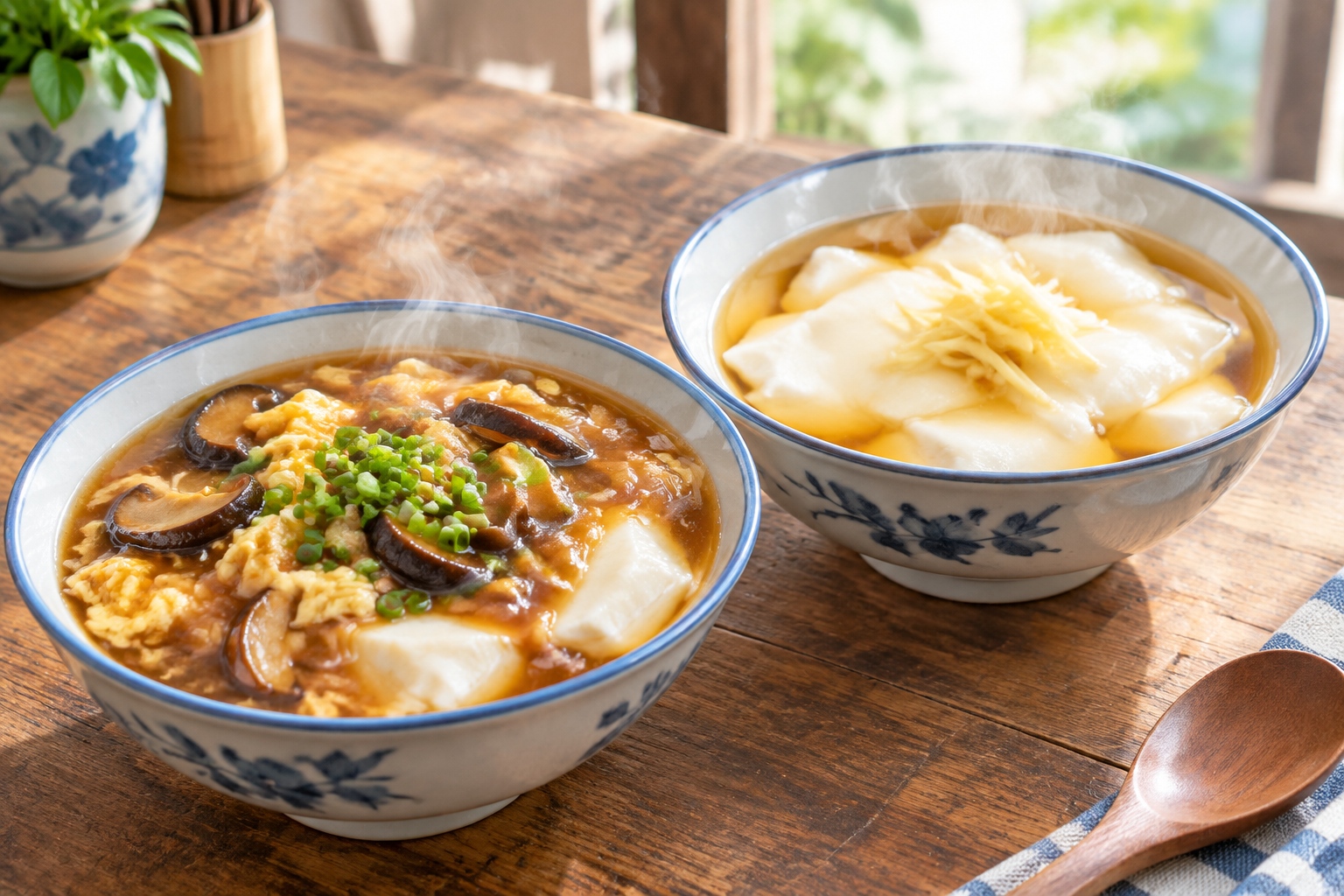
What the vendor handed her was something else entirely. The tofu was there, trembling and pale. But on top sat a glossy brown gravy, thickened with starch, studded with wood-ear mushrooms, scrambled egg, and slivers of soy-braised meat. A chili oil bottle waited on the counter.
She took one spoonful and froze. “This is salty,” she said, half to the vendor, half to herself. The man behind the counter, who had served this exact dish for years, just smiled. To him, there was nothing strange about it at all. This was douhua, or doufunao—tofu brain, as the Chinese name literally translates—and in the north, it is savory.
The dish in question is one of China’s most beloved breakfast foods. Soft tofu, so delicate it barely holds a shape, is spooned into a bowl while still warm. Beyond that single point of agreement, the country splits in two.
Beyond Taste: How Geography Shapes Flavor
To outsiders, the sweet-versus-salty tofu debate can look like a joke. In China, it is a genuine cultural fault line, and like most fault lines, it runs along geography.
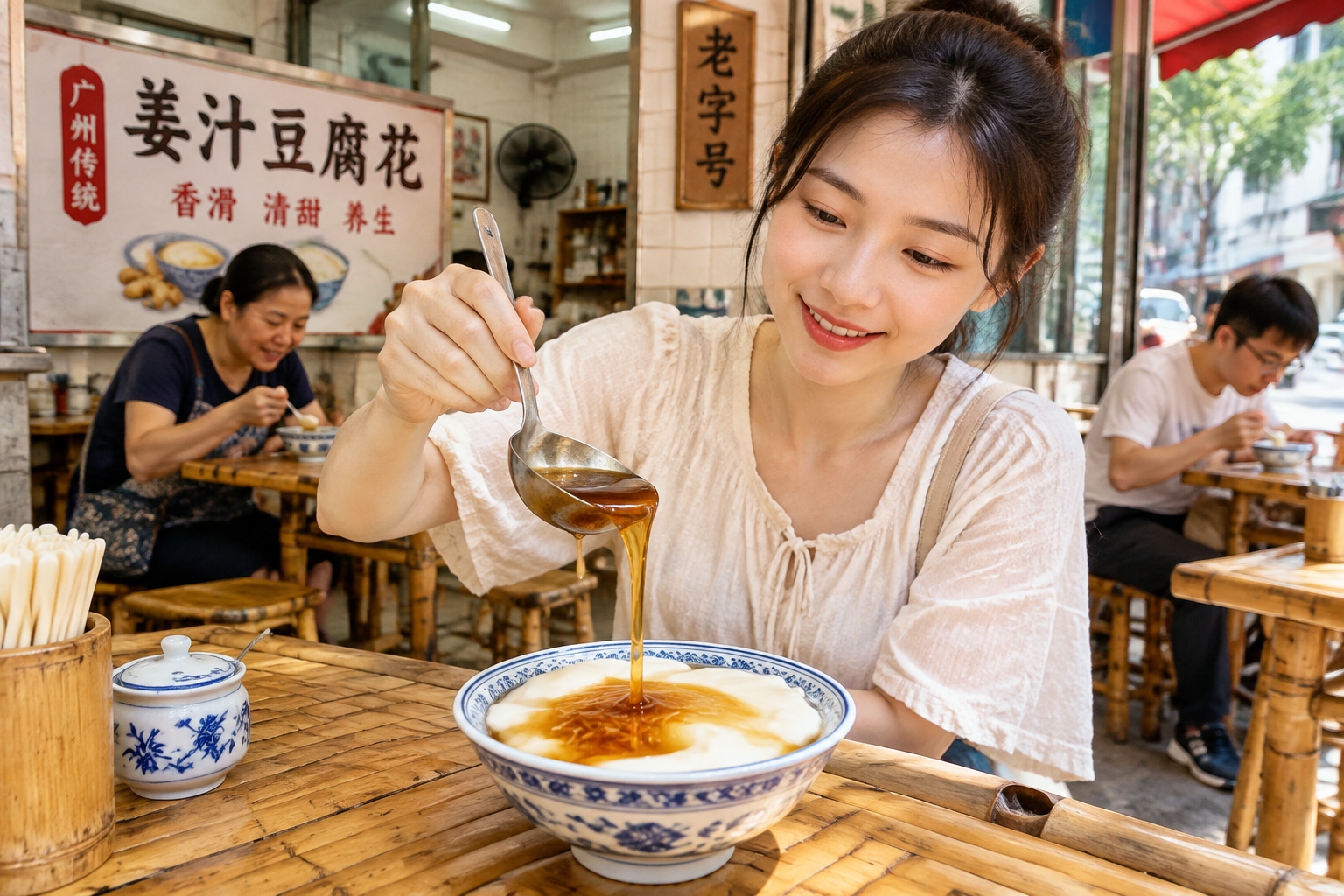
Head south to Guangdong, Sichuan, or the Yangtze delta cities like Shanghai and Suzhou, and tofu pudding leans sweet. In Guangzhou, it comes drenched in ginger syrup or brown sugar water. In some southern towns people eat it chilled in summer, almost like a dessert. The texture is the point: cool, slippery, barely sweet, a soft landing for a hot morning.
Travel north to Beijing, Tianjin, or Shandong and the same tofu becomes a hearty, salty affair. The gravy, called lu, is the star. It is savory, slightly thick, often loaded with mushrooms, egg, and sometimes lamb or beef. People eat it with a fried dough stick or a sesame flatbread. It is not dessert. It is fuel for a working morning.
Why the divide? Part of it is agricultural history. The wheat-growing north developed a breakfast culture built around savory, filling food to start long days of physical labor. The rice-growing, sugar-producing south had easier access to cane sugar and a longer tradition of sweet snacks. Over centuries, these habits hardened into identity.
There is even a third camp. In parts of Sichuan and Hunan, tofu pudding arrives spicy—dressed with chili oil, pickled vegetables, soy sauce, and a shower of crushed peanuts and scallions. Ask someone from Chengdu whether tofu pudding should be sweet or salty and they might answer, with total sincerity, “Neither. It should be spicy.”
Breaking Stereotypes: Food as a Social Bridge
Here is what surprises many foreign visitors: this debate is not a source of real conflict. It is a source of play.
Every year, especially around holidays when people travel home across the country, the sweet-versus-salty argument lights up Chinese social media. On platforms like Weibo and Xiaohongshu, hashtags about tofu pudding, rice dumplings, and even the correct filling for mooncakes rack up hundreds of millions of views. People post photos of their bowls, defend their region’s version, and tag friends from the “enemy” camp.
It is almost entirely good-natured. A northern coworker will tease a southern colleague for “ruining” tofu with sugar. The southern colleague will fire back that savory tofu pudding is “basically soup pretending to be breakfast.” Then they will go eat lunch together.
Food becomes a safe, warm way to talk about where you come from. In a country this large—roughly the size of the entire United States or Europe, with dozens of distinct regional cuisines—asking someone how they eat their tofu pudding is really asking: where is home for you? What did your grandmother make? What does your morning smell like?
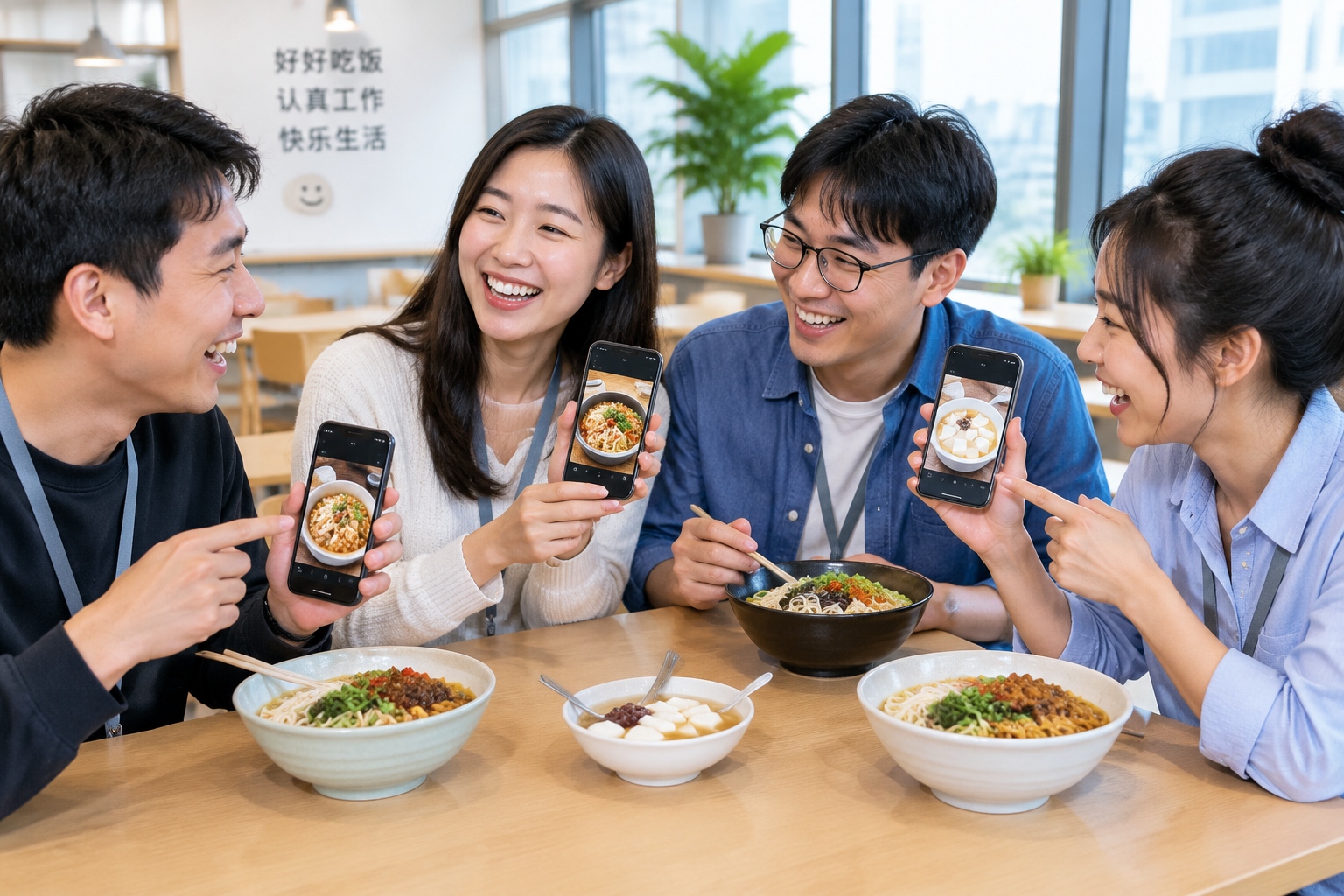
The Guangzhou woman at the Dongzhimen stall finished her salty bowl. She did not love it. But she took a photo, sent it to her family group chat, and typed, “You will not believe what they do to douhua up here.” Within minutes, her relatives were sending laughing emojis and demanding she come home to real, sweet tofu immediately.
The Real China: Diverse Tastes, One Nation
For readers outside China, the takeaway is bigger than breakfast. It is easy to imagine China as a single, uniform block—one government, one language, one way of life. The reality on the ground is far messier and more interesting.
A person from Beijing and a person from Guangzhou may speak dialects so different they are mutually unintelligible. Their staple foods, their festivals, their sense of humor, even their body language can differ sharply. The country holds this diversity inside a shared framework, and food is where that tension becomes delicious instead of difficult.
You can see the same pattern everywhere once you look. In Lanzhou, breakfast is beef noodle soup. In Wuhan, it is reganmian, hot dry noodles tossed with sesame paste. In Guangzhou, it is dim sum and slow-brewed tea that can stretch for hours. Each city defends its version of “the right way” with pride, and each is correct, within its own borders.
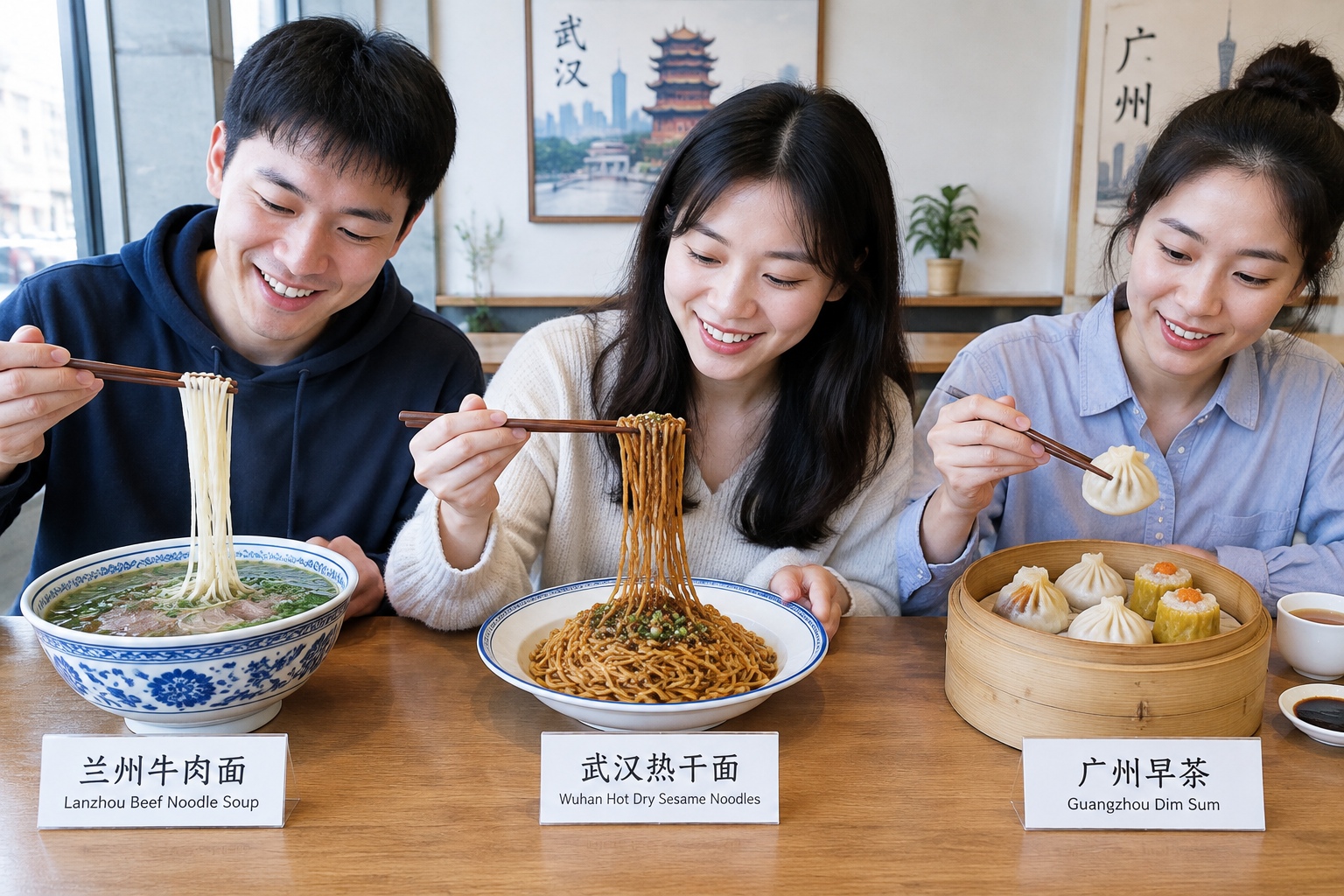
What ties it together is not that everyone agrees. It is that everyone argues from the same table. The tofu pudding debate works because both sides take the dish seriously, and because underneath the teasing is genuine curiosity about how the other half lives.
So if you ever find yourself at a Chinese breakfast stall, order the tofu pudding—and then ask the person next to you how they eat theirs back home. You will almost certainly get a strong opinion, probably a story about their childhood, and quite possibly an invitation to try it “the right way.” That small bowl of trembling tofu, it turns out, is one of the easiest doors into the real texture of Chinese life.
Start the discussion at forum.chinacomes.com