

The New Face of Chinese Takeout
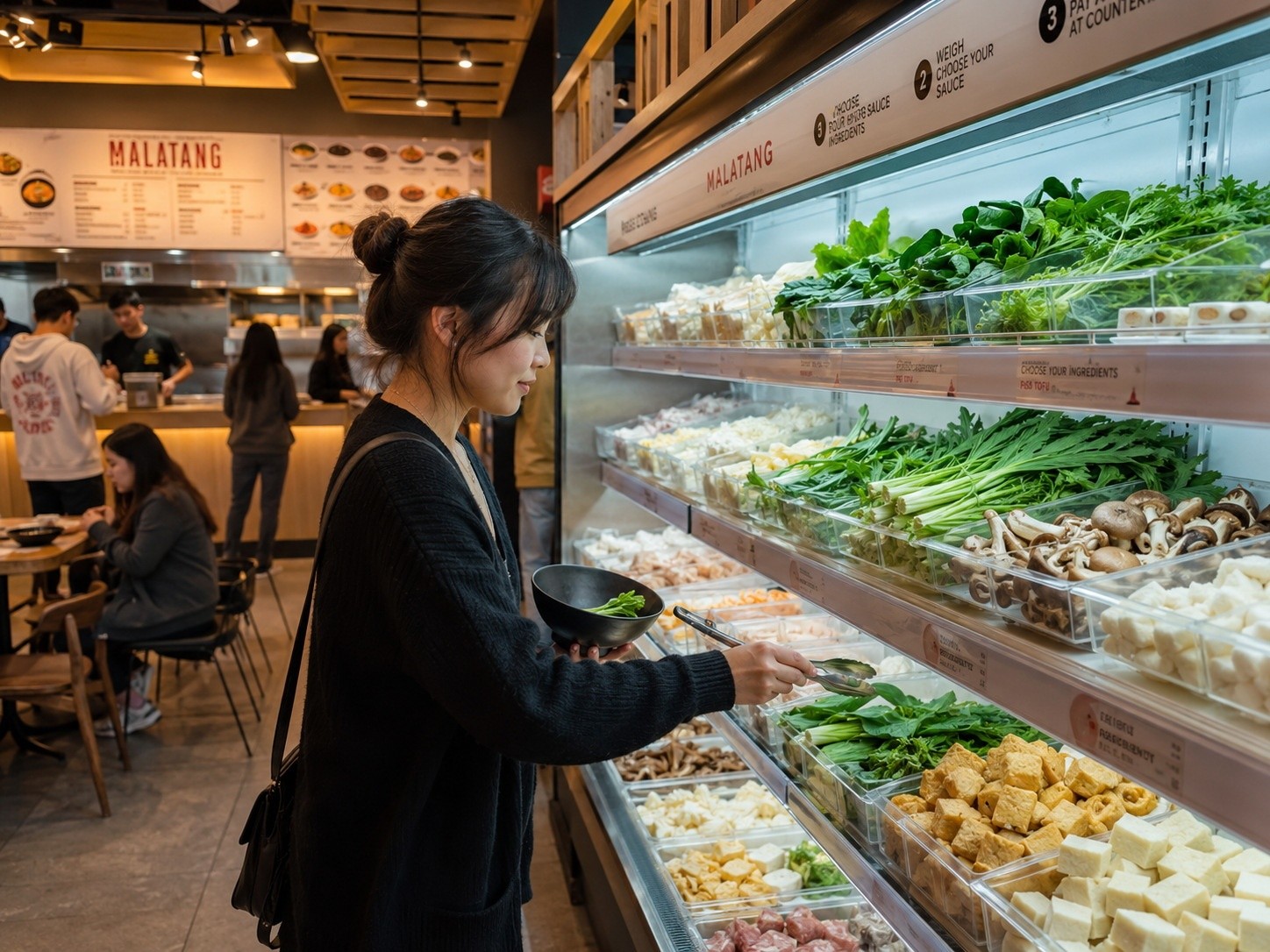
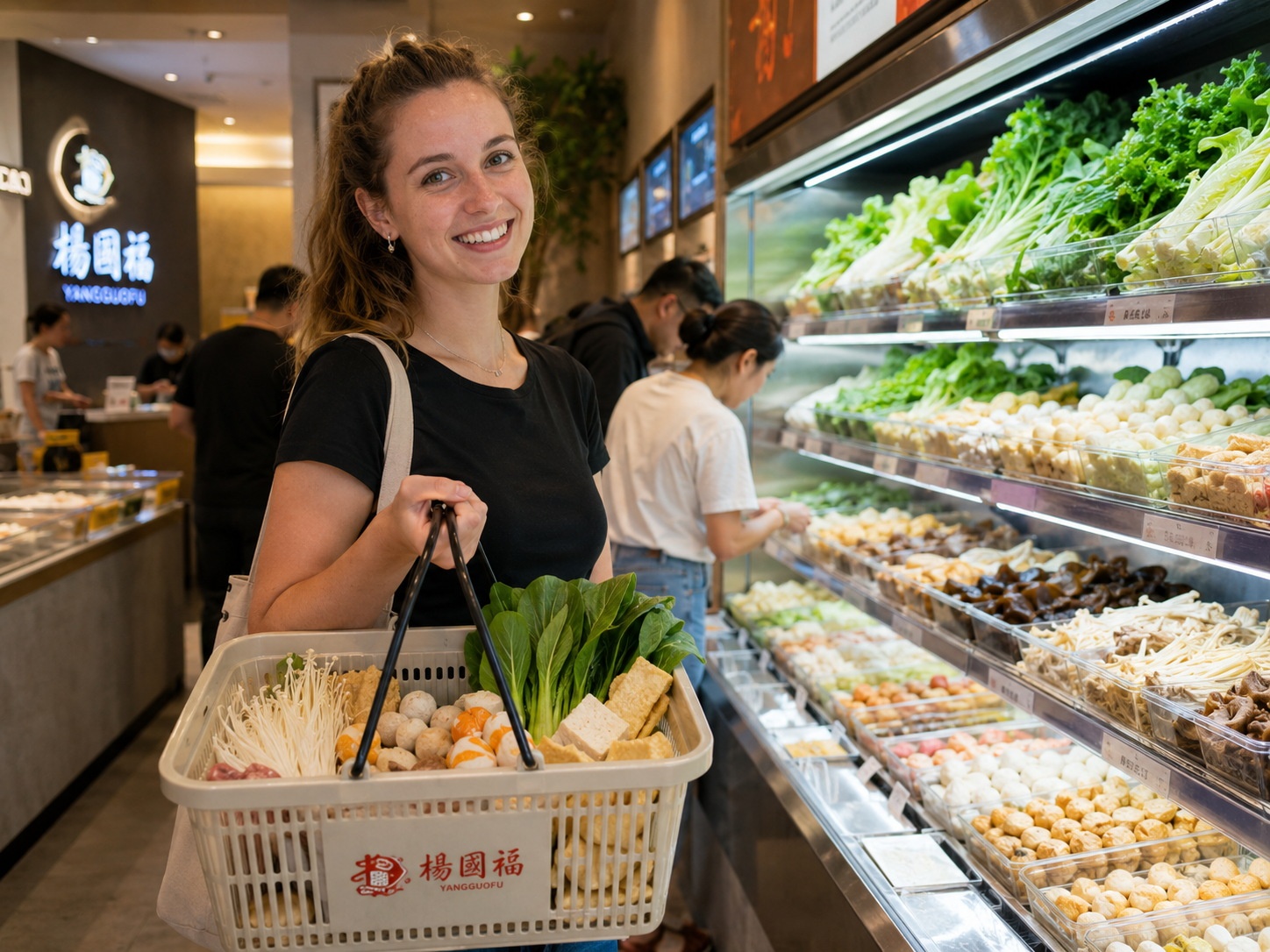
Walk into a small shop in London’s Camden Town or a bustling strip mall in Los Angeles on a rainy Tuesday evening, and you will likely see a queue. But these aren’t people waiting for pizza or burgers. They are young professionals, students, and parents holding plastic baskets, carefully selecting bok choy, enoki mushrooms, tofu skins, and beef slices from refrigerated display cases.
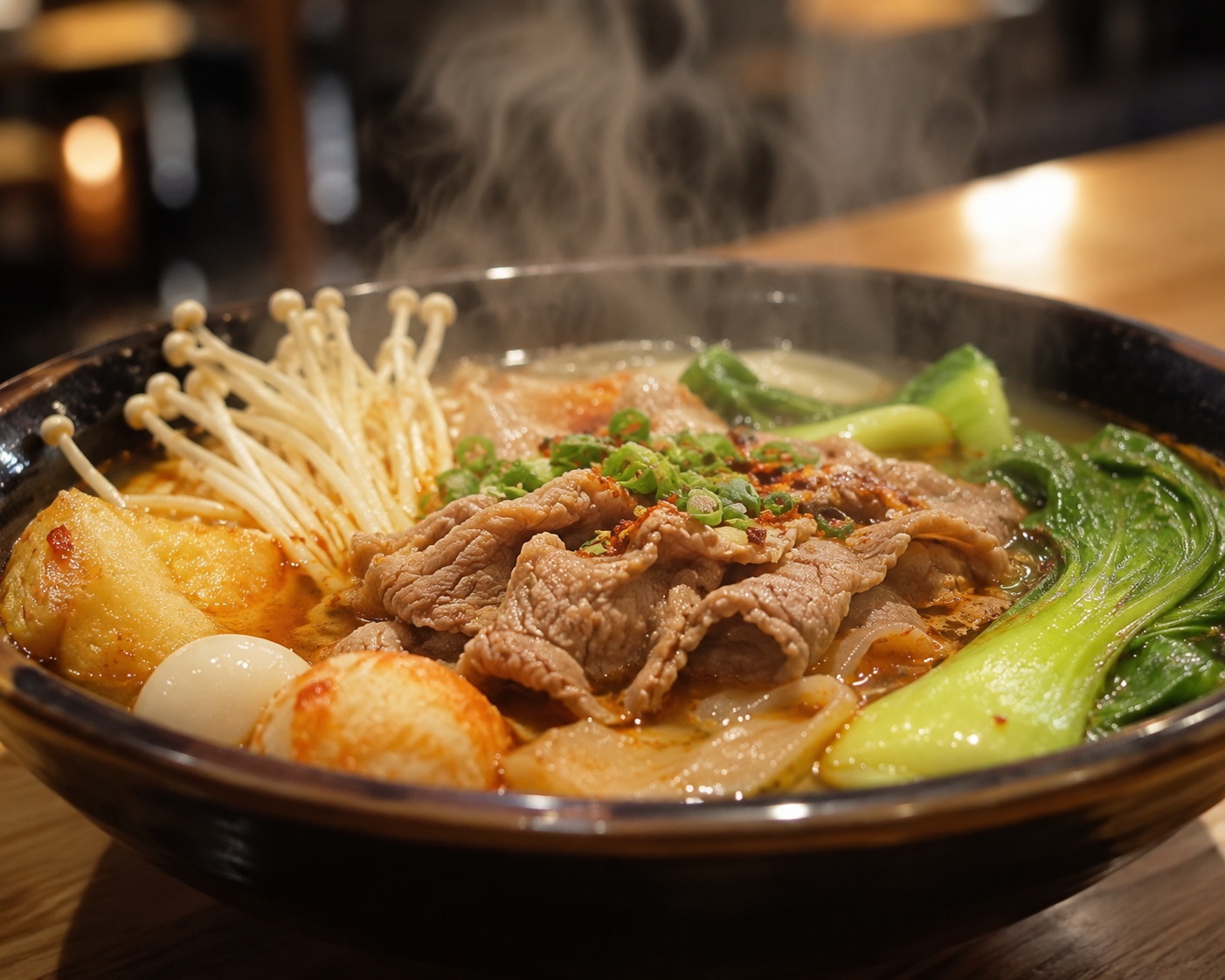
The dish is Malatang (麻辣烫), often translated as “spicy hot pot,” though the experience is distinct from the traditional communal boiling pot. It is a self-service meal where customers choose their ingredients, which are then boiled in a personalized broth and served in a bowl. What started as a humble street snack in Northern China has become a global phenomenon, with prices hovering around $15—a sweet spot that sits comfortably between a cheap fast-food burger and an expensive sit-down dinner.
Why Malatang? The Convenience of One
If Chinese food is already popular in the West, why this specific dish? The answer lies in its design for the modern, individualistic lifestyle. Traditional hot pot requires a group. You need a table, a pot, and time to chat. Malatang, however, is built for one.
In cities where single-person households are rising and dinner times are squeezed between work and commute, the “one-person meal” (一人食) culture has exploded in China. Malatang translates this concept perfectly to the West. You pick what you want, you pay by weight, and you eat alone or with a friend without the social pressure of ordering for a group.
Furthermore, the flavor profile has been adapted for Western palates. While authentic Sichuan Malatang can be numbingly spicy, international branches now offer mild versions, non-spicy bone broths, and even tomato-based soups. This lowers the barrier to entry for Westerners who might be intimidated by the idea of “spicy food” but are curious about the concept of building their own meal.
A Healthy Alternative to Fast Food
For the Western middle class, dinner is often a trade-off: convenience versus health. Pizza and burgers are fast but considered unhealthy. Salad bars are healthy but lack warmth and flavor in colder months. Malatang bridges this gap.
The visual nature of the dish emphasizes freshness. Watching your vegetables being washed and boiled in front of you creates a sense of transparency that packaged food lacks. The broth options, such as mushroom or bone broth, are perceived as more nutritious than heavy cream-based sauces. It fits neatly into the “clean eating” trend that dominates Western wellness culture, without requiring the discipline of meal prepping at home.
Consider Sarah, a 28-year-old marketing manager in New York. “I used to order Thai or Indian takeout twice a week,” she says. “But it’s always the same curry or pad thai. With Malatang, I feel like I’m eating fresh vegetables and lean protein every night. It doesn’t feel like a cheat meal; it feels like a real dinner that takes five minutes to get.”
Behind the Scenes: Digital Supply Chains
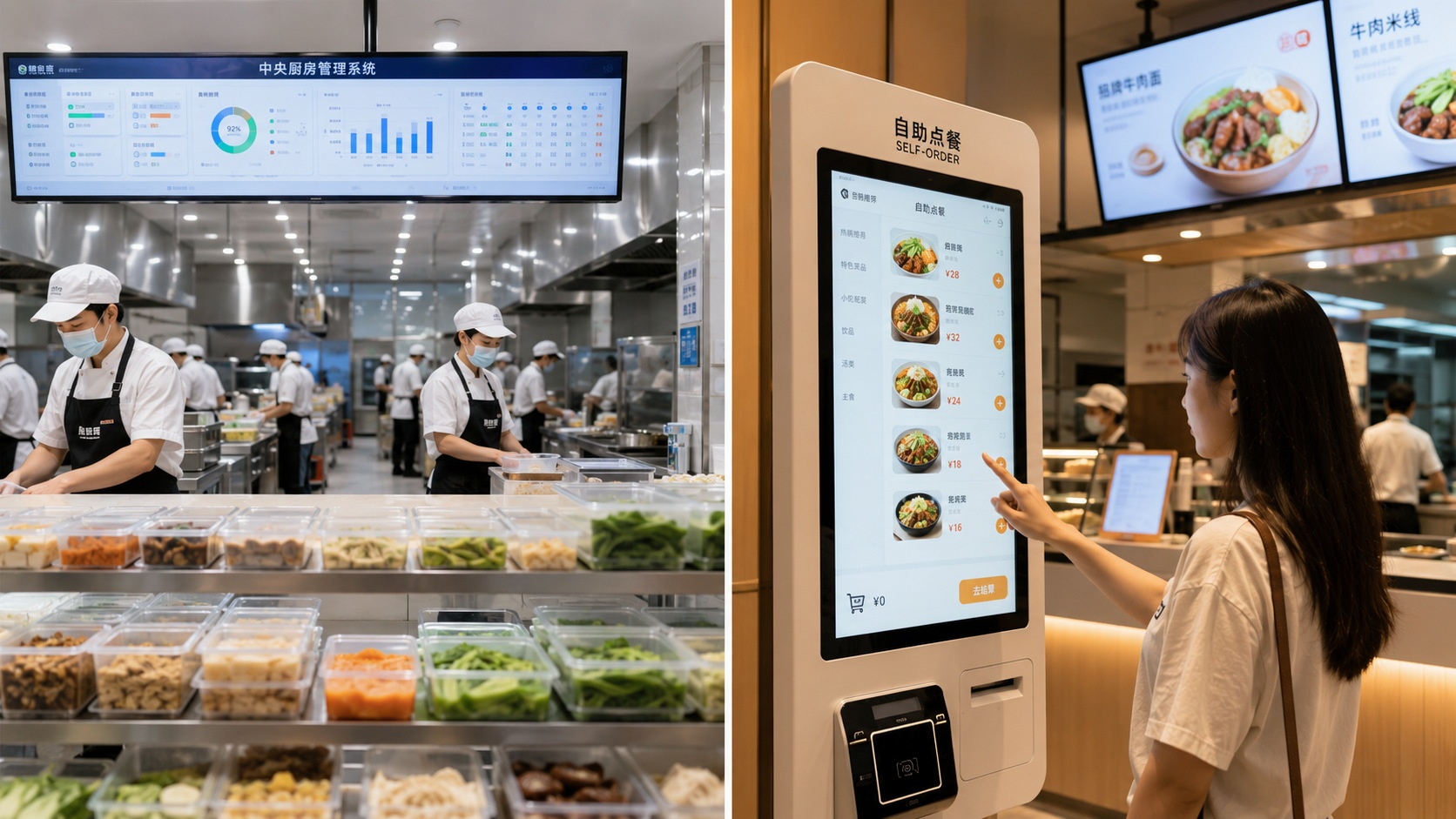
The rapid global expansion of Malatang brands is not just about taste; it is a testament to China’s advanced food industry infrastructure. Unlike traditional small restaurants that rely on individual chefs, major Malatang chains operate on a highly standardized model.
The ingredients are pre-processed in central kitchens using strict quality controls. The broths are manufactured in factories with consistent flavor profiles. This allows a shop in London to serve the exact same taste as one in Beijing, ensuring reliability for customers. Moreover, the integration of digital technology has streamlined the experience. Mobile ordering, contactless pickup, and app-based loyalty programs are now standard, mirroring the convenience Western consumers are used to with coffee chains or food delivery apps.
This operational efficiency keeps costs low. The ability to source locally while maintaining a standardized core product allows these brands to offer high-quality meals at a price point that undercuts traditional sit-down Chinese restaurants, which often charge $30-$40 per person for similar portions.
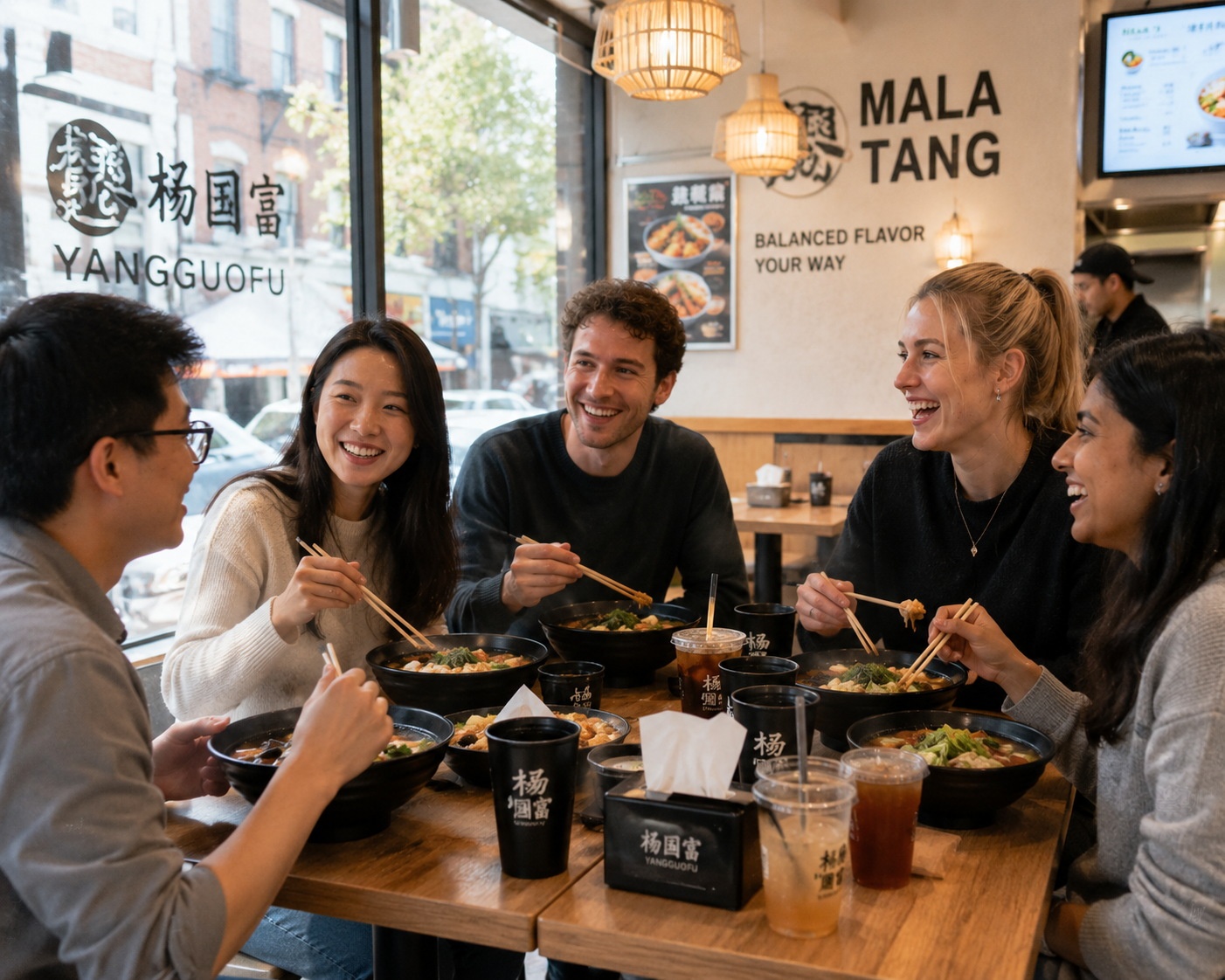
From Novelty to Normalcy
A decade ago, Chinese food in the West was largely limited to “American-Chinese” dishes like General Tso’s chicken or fried rice. Malatang represents a shift toward authentic, contemporary Chinese cuisine. It signals that Chinese consumers are no longer just exporting goods; they are exporting lifestyle standards.
The success of Malatang suggests that global food culture is becoming more fragmented and personalized. People want meals that reflect their individual preferences rather than a monolithic menu item. As these brands continue to expand into Europe and North America, they are not just selling food; they are introducing a new way of eating—one that is fast, healthy, customizable, and deeply rooted in modern Chinese urban life.
For the Western diner, the $15 bowl of Malatang is more than just dinner. It is an accessible entry point into understanding the pace, technology, and culinary innovation of today’s China.