

The Sizzle of Modernity in an Old City
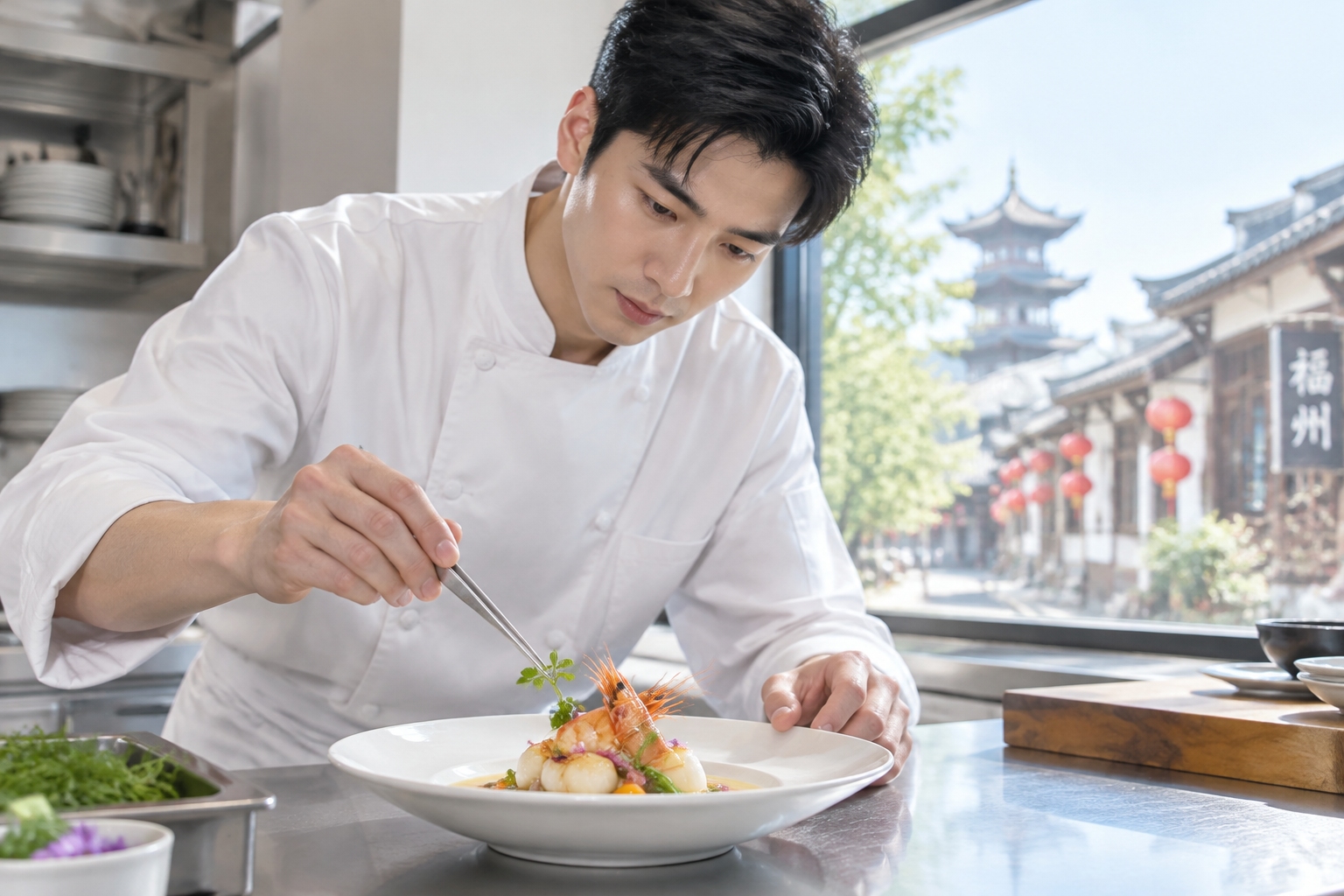
At 28, Lin Hao doesn’t look like the guardian of a 2,000-year-old culinary tradition. Standing in his small, open kitchen in Fuzhou’s Gulou District, he wears a crisp white chef’s coat that hasn’t seen a drop of soy sauce stain yet. Outside, the humid Min River air mixes with the scent of frying garlic and star anise from the street vendors below. Inside, Lin is focused on something far more precise: a delicate arrangement of sea cucumber and abalone.
For decades, Fujian cuisine—known as Min cuisine—has been defined by its complexity. It is the art of xian, or umami, often achieved through heavy broths, long simmering times, and generous amounts of sugar to balance the salt. But Lin represents a new wave of Chinese chefs who are asking a uncomfortable question: Does tradition have to be heavy? In a city where lunch breaks are 45 minutes and dinner is a social event rather than a family ritual, can centuries-old dishes survive without adapting?
Less Salt, More Soul
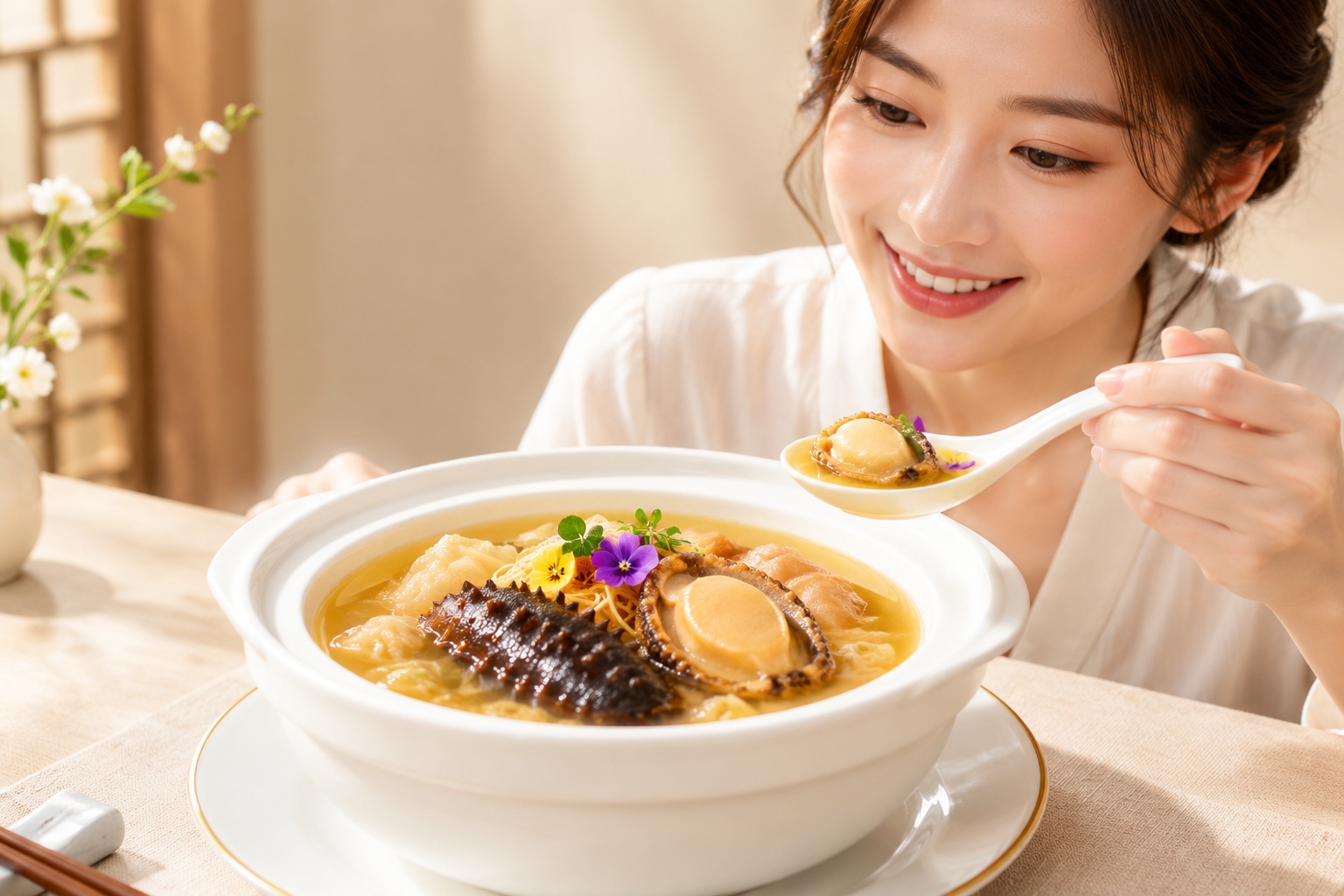
The conflict began with a single dish: Buddha Jumps Over the Wall (Fo Tiao Qiang). It is Min cuisine’s most famous heavyweight—a luxurious stew containing up to 18 ingredients like shark fin, sea cucumber, and dried scallops, slow-cooked in wine jars for days. Traditionally, it is rich, salty, and incredibly energy-dense.
Lin’s version took him three weeks to perfect. He reduced the sodium by 40 percent, replacing some of the heavy pork stocks with a clearer, more aromatic bone broth infused with dried tangerine peel. He kept the core ingredients but adjusted the cooking temperatures to preserve the natural texture of the seafood, rather than turning everything into a soft mush.
“My grandfather says I’m ruining it,” Lin laughs, wiping his hands on a towel. “He says real Min cuisine needs to stick to your ribs. I say if it sticks to your arteries, no one will come back for a second bite.”
This is the core of the “rebellion.” It’s not about discarding history; it’s about editing it for modern health consciousness. The new diner in Fuzhou, whether a young tech worker or an international tourist, wants to taste the ocean’s sweetness, not just the weight of the broth. Lin’s kitchen has become a laboratory where traditional techniques are tested against contemporary dietary needs.
The Digital Apprentice
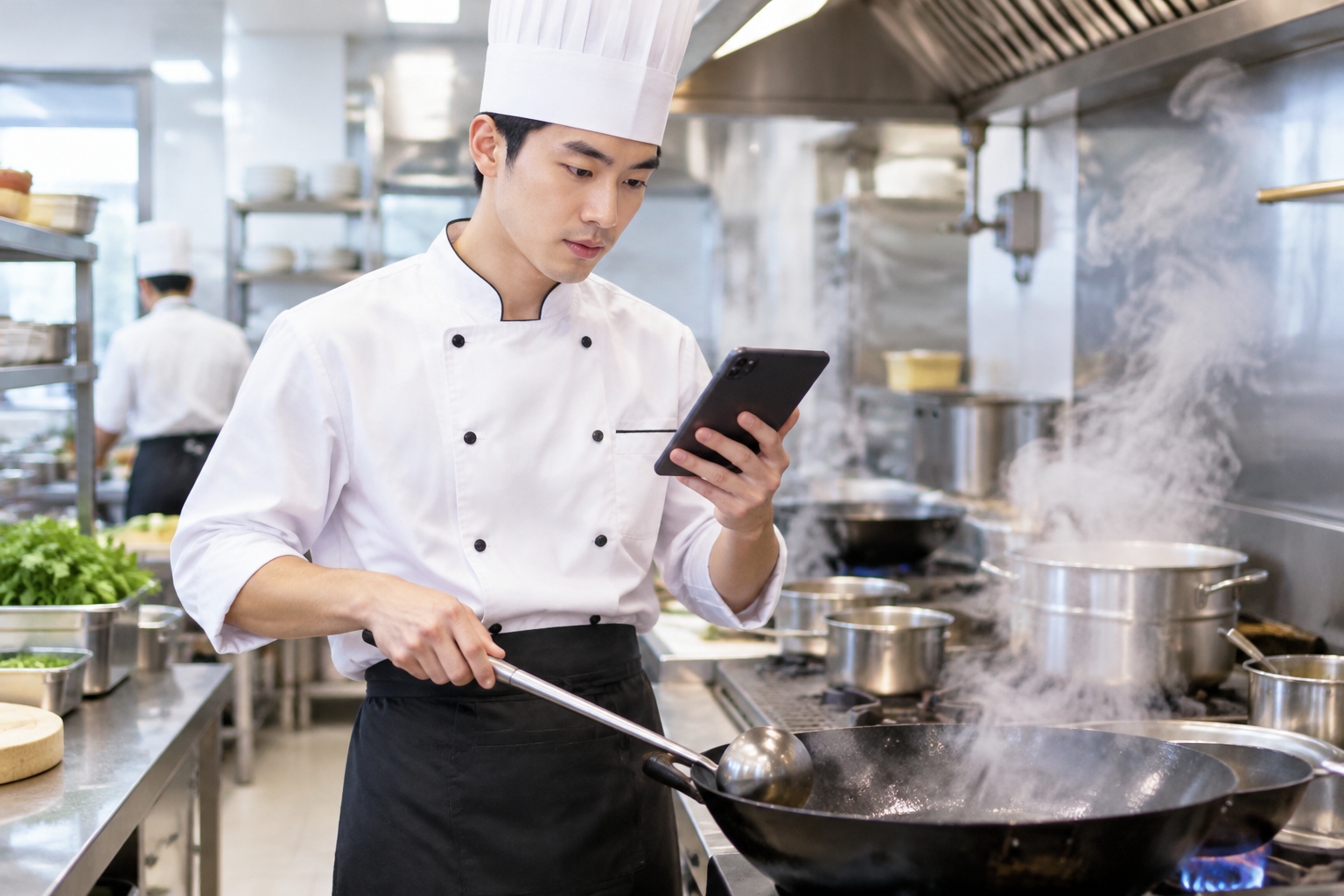
Lin’s approach to food reflects a broader shift in China’s service industry. Unlike the old master-apprentice model, where silence and repetition ruled for years before a chef could create, Lin grew up with the internet. He sources unique local herbs from Instagram-style Xiaohongshu (Little Red Book) groups and watches culinary videos from Copenhagen and Tokyo as much as he does from his local mentors.
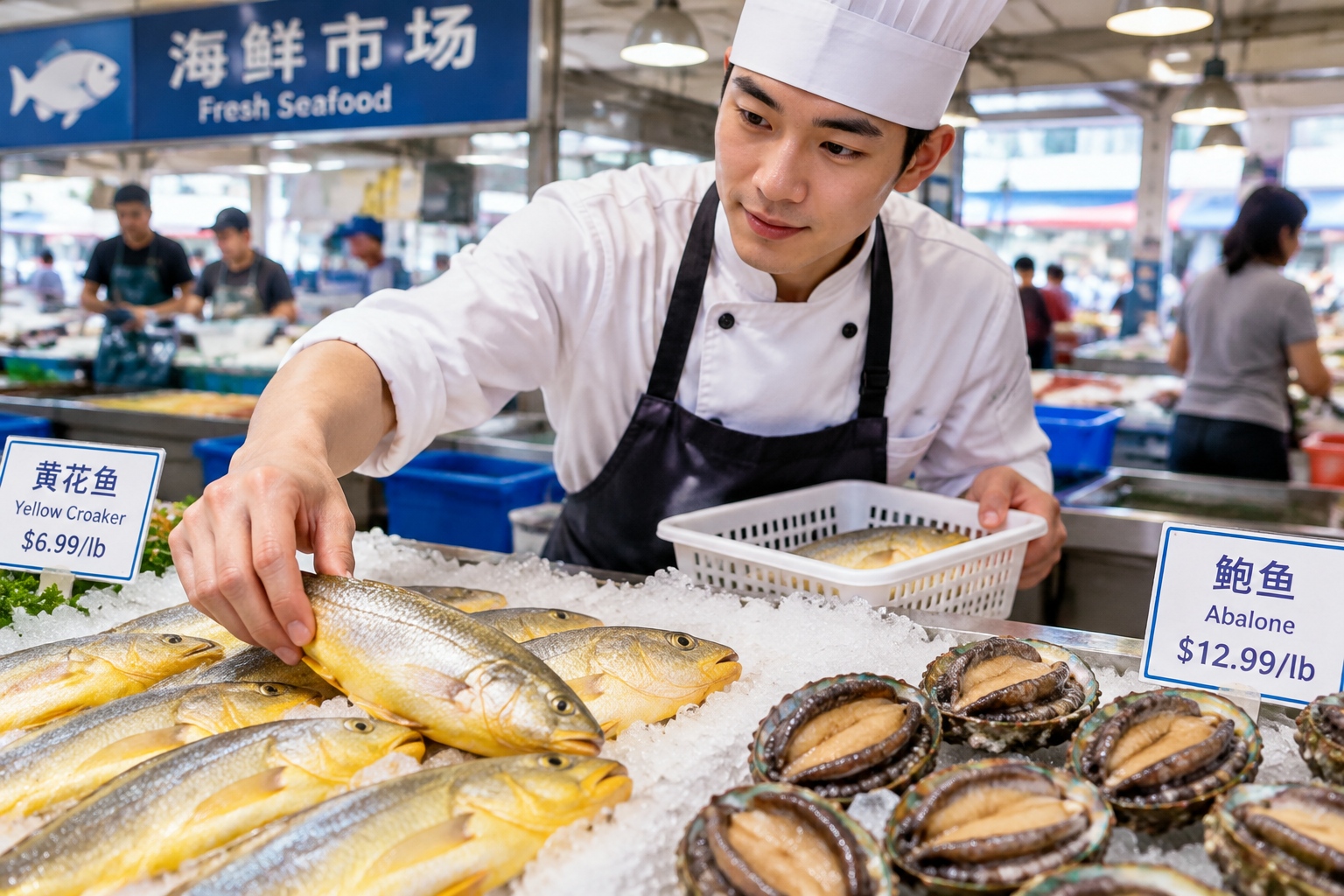
The daily reality is intense. A typical shift starts at 10 a.m. with market visits to the Ningde Seafood Market, where Lin negotiates prices for fresh yellow croaker and abalone. By 4 p.m., he’s testing sauces. By 6 p.m., the kitchen is a controlled chaos of tickets printing and steam rising.
But there’s also a freedom here that didn’t exist before. When a new dish fails, Lin doesn’t hide it. He posts a video of the failed attempt on Douyin (TikTok), explaining what went wrong with the heat control. His followers, mostly people in their 20s and 30s, cheer him on. This transparency has built a loyal community that follows not just the food, but the chef’s journey.
Local Ingredients, Global Palate
What makes Lin’s cooking resonate with outsiders is his focus on the ingredient itself. Fujian is a coastal province, and its cuisine has always been about the sea. But Lin treats local seafood with a global sensibility.
Take his take on Lion’s Head meatballs. Traditionally, these are large pork balls braised in cabbage, heavy and savory. Lin makes a version using minced river shrimp and a hint of ginger grass (citronella). It’s light, fragrant, and served in a clear, golden broth rather than a dark, sticky sauce.
“Food is a bridge,” Lin says. “If I serve something too strange, the guest is scared. If I serve something too simple, they are bored. I want them to feel the freshness of Fuzhou without feeling like they are eating a museum piece.”
This philosophy is slowly changing the local dining scene. Young people in Fuzhou are no longer just looking for the “authentic” heavy meal of their grandparents. They are seeking experiences that tell a story, that feel modern, but still carry the unmistakable soul of Min cuisine. They want to know where the fish was caught, how long it was aged, and why the chef chose that specific herb.
A New Chapter for Min Cuisine
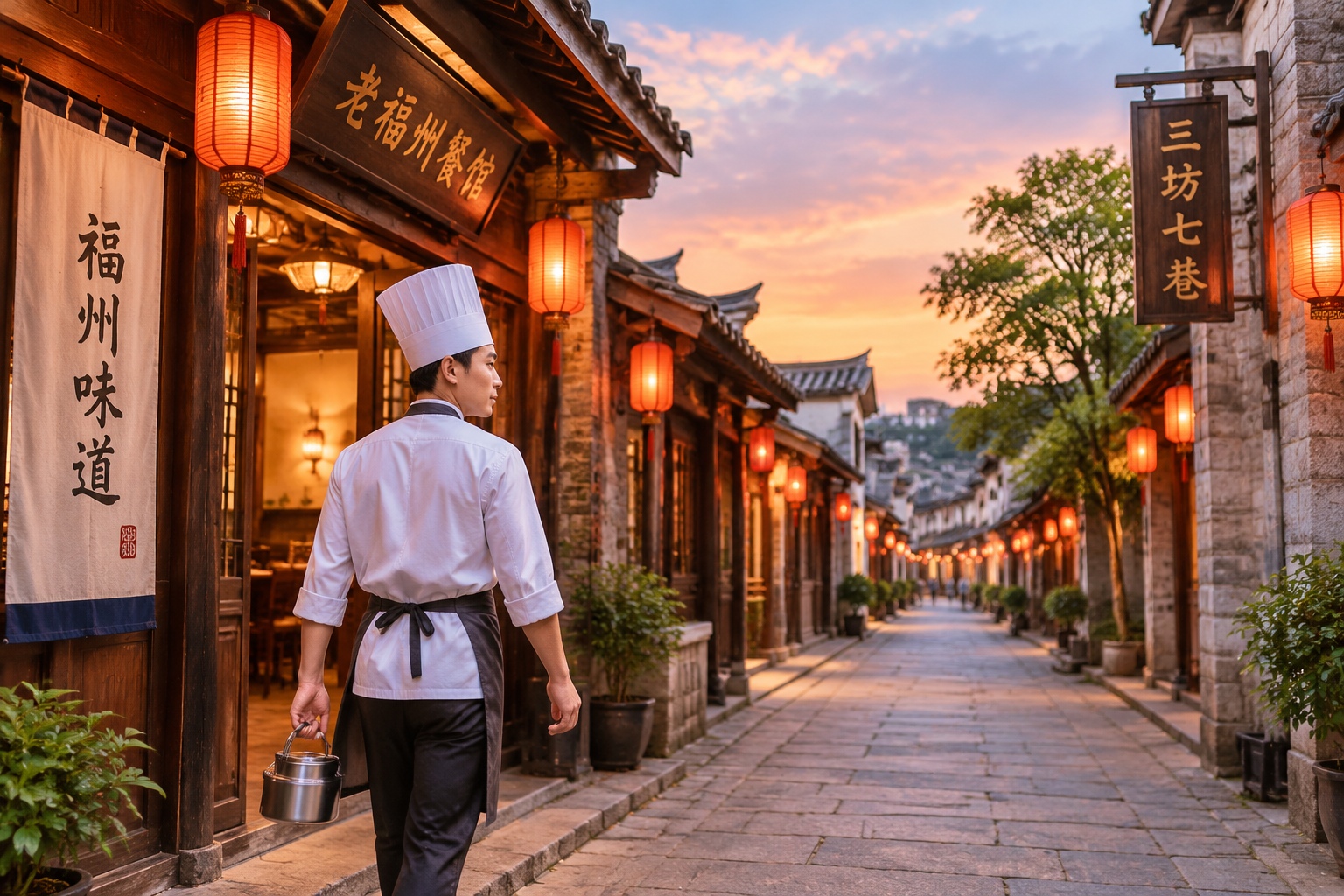
As the sun sets over the Min River, the lights of Fuzhou’s historic Sanfang Qixiang (Three Lanes and Seven Alleys) begin to glow. Lin locks his kitchen door, tired but satisfied. The rebellion isn’t loud or political; it’s quiet, happening one plate at a time.
For post-90s chefs like Lin, preserving culture doesn’t mean freezing it in amber. It means keeping it alive by letting it breathe, adapt, and sometimes, break a few rules. In doing so, they are ensuring that Min cuisine doesn’t just survive as a relic in tourist guides, but thrives as a living, evolving part of daily life in modern China.
Start the discussion at forum.chinacomes.com