
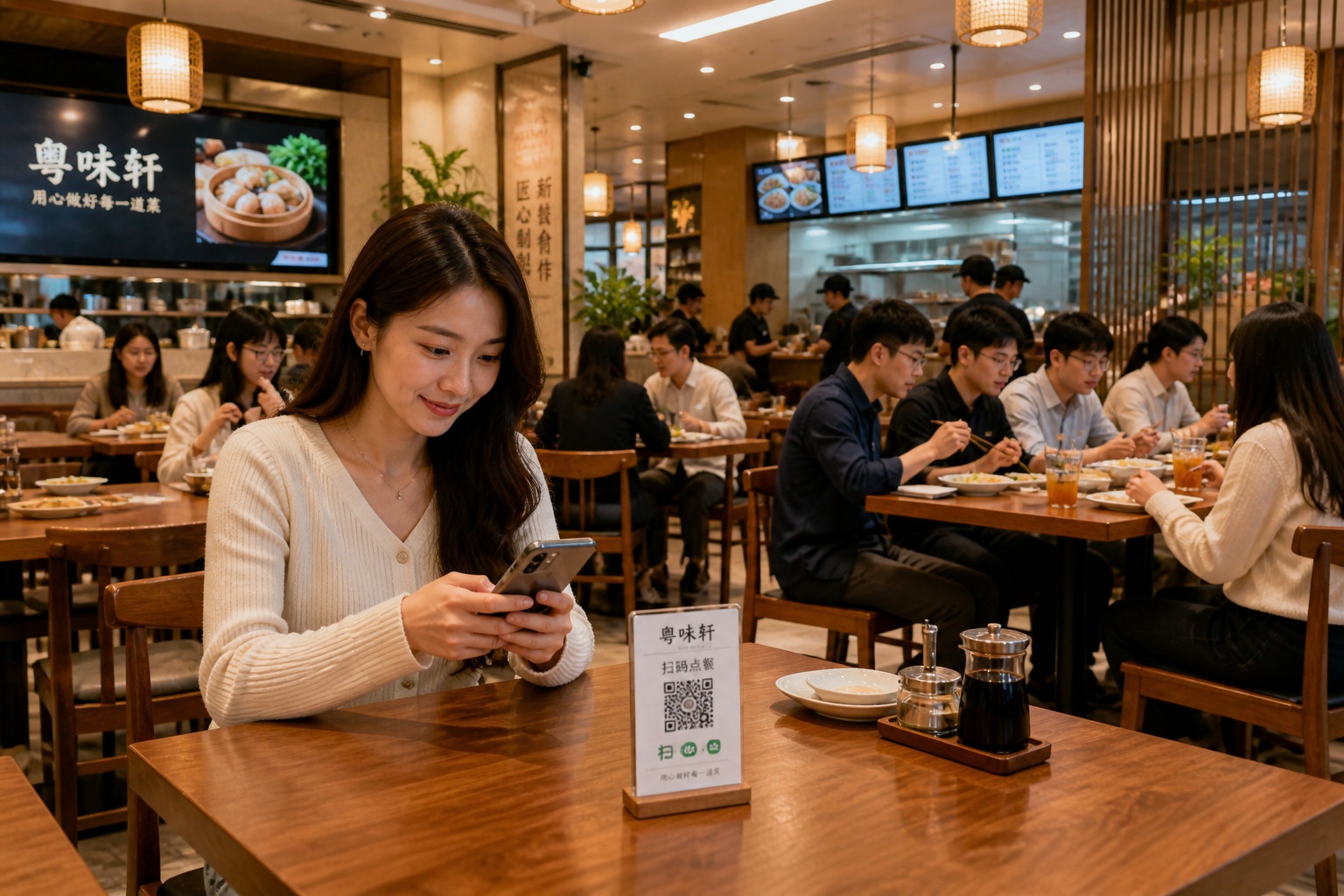

The Silent Lunch Rush
Walk into any popular casual dining spot in Beijing or Shanghai during the lunch hour, and you will notice something striking: there are no cashiers. You won’t see a line of customers waiting to hand over credit cards or count out change. Instead, as you take your seat at a four-top table, you find a small square sticker with a QR code printed on it.
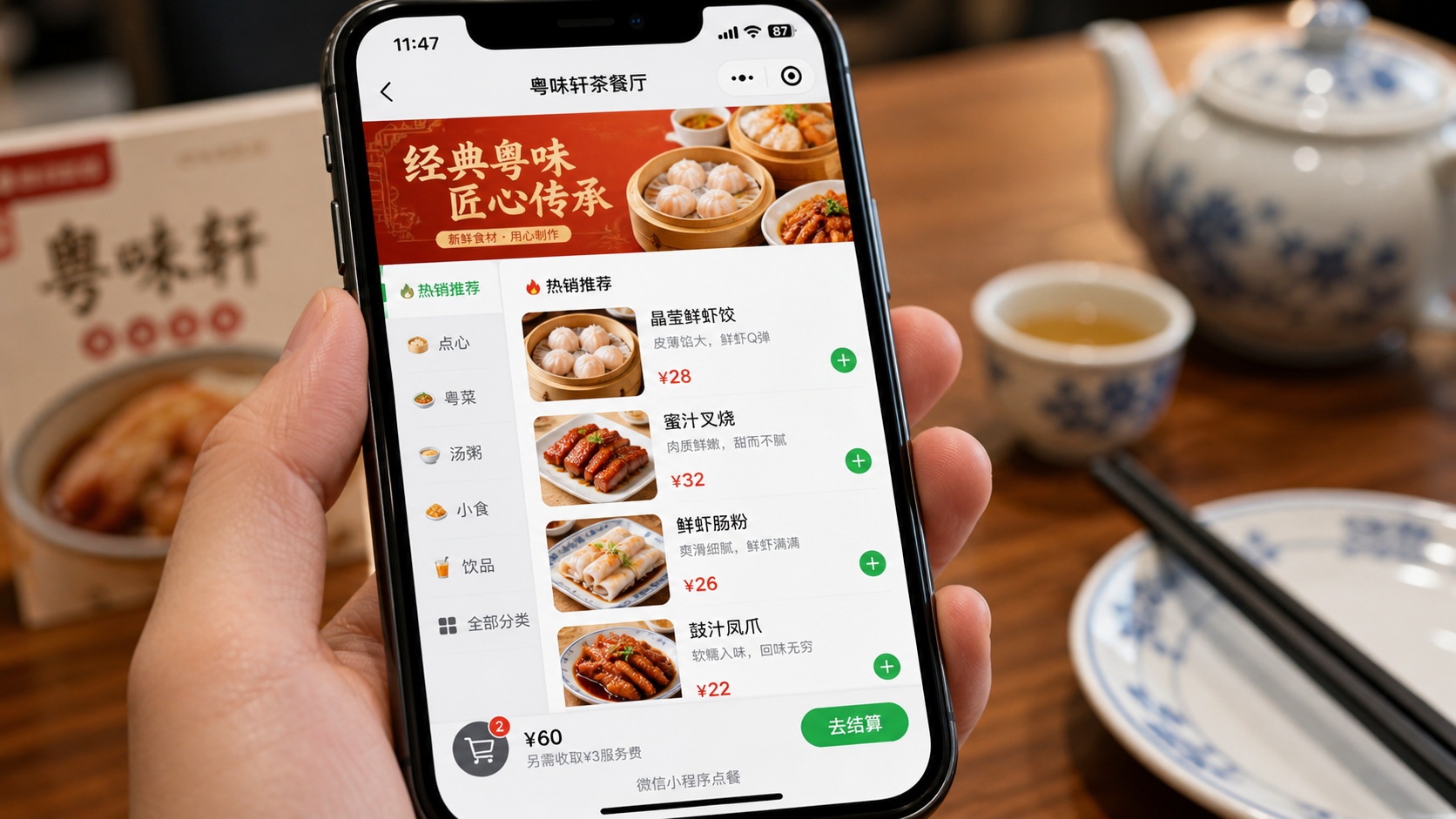
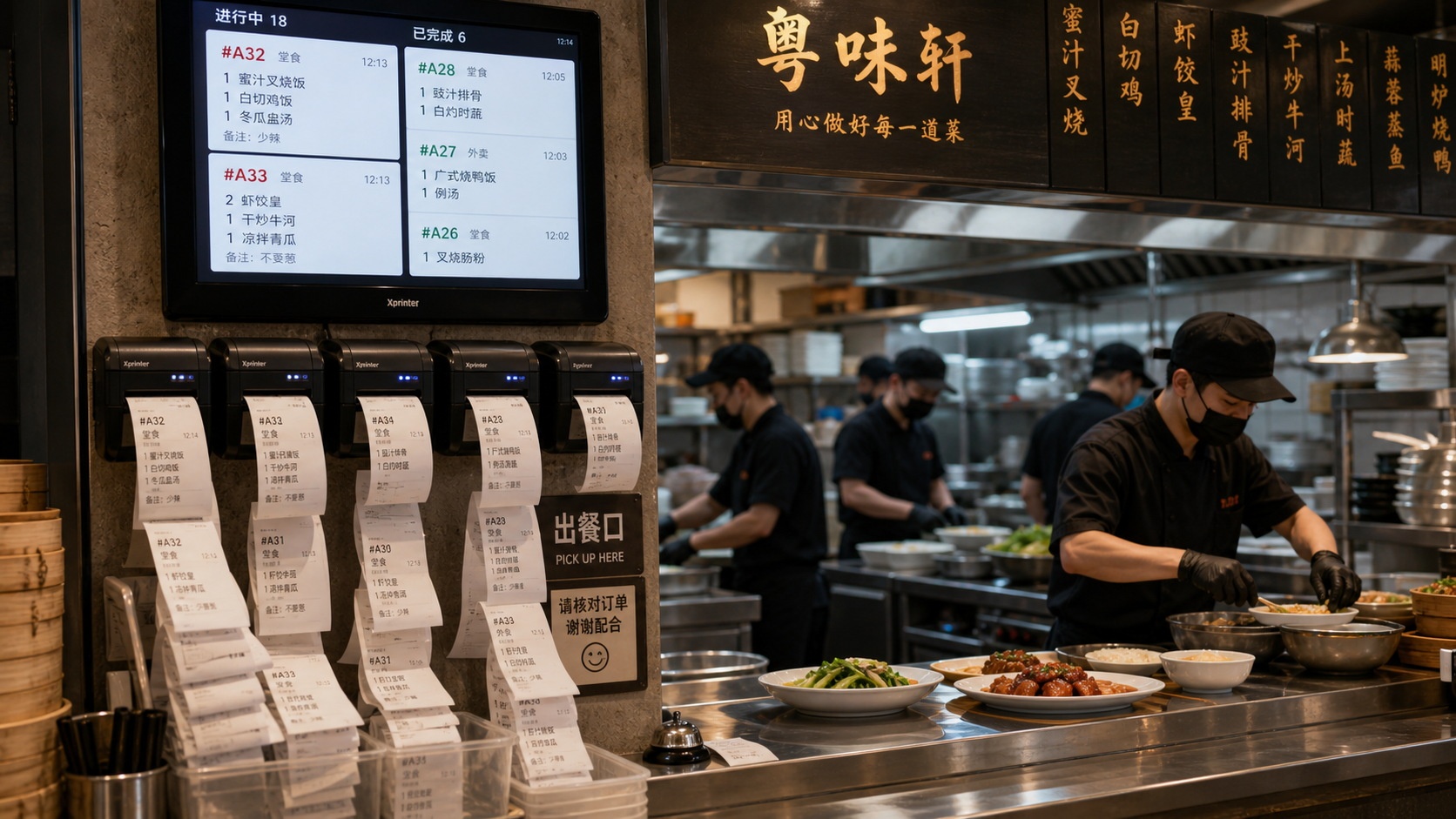
The process is seamless if you have a smartphone. You open WeChat or Alipay, scan the code, and a digital menu appears instantly. You select your dishes, pay, and the order goes straight to the kitchen. When the food arrives, there’s no need to flag down a waiter for the bill; it has already been settled.
Beyond Convenience: The Labor Reality
To an outside observer, this might seem like technology chasing technology—adding friction where none existed. But in China, QR code ordering is less about flashy innovation and more about economic necessity.
China’s service industry is facing a severe labor shortage. Younger generations are moving away from low-wage service jobs toward white-collar roles or the gig economy. Meanwhile, wages for restaurant staff have risen significantly over the past decade. For business owners in a highly competitive market with thin profit margins, automating the ordering process is not just a trend; it is a survival strategy.
According to industry reports, restaurants using QR code systems can increase table turnover rates by 15-20% during peak hours. In cities where rent and labor costs are among the highest in Asia, this efficiency translates directly into profit. The “human touch” of a waiter taking your order has been replaced by an algorithm that never gets tired, never asks for a tip, and doesn’t call in sick.
The Double-Edged Sword
For many locals, especially the digital-native youth, this system is liberating. It removes the anxiety of ordering in a language you don’t fully master if you are a foreigner, or the social pressure of interacting with busy staff during a rush.
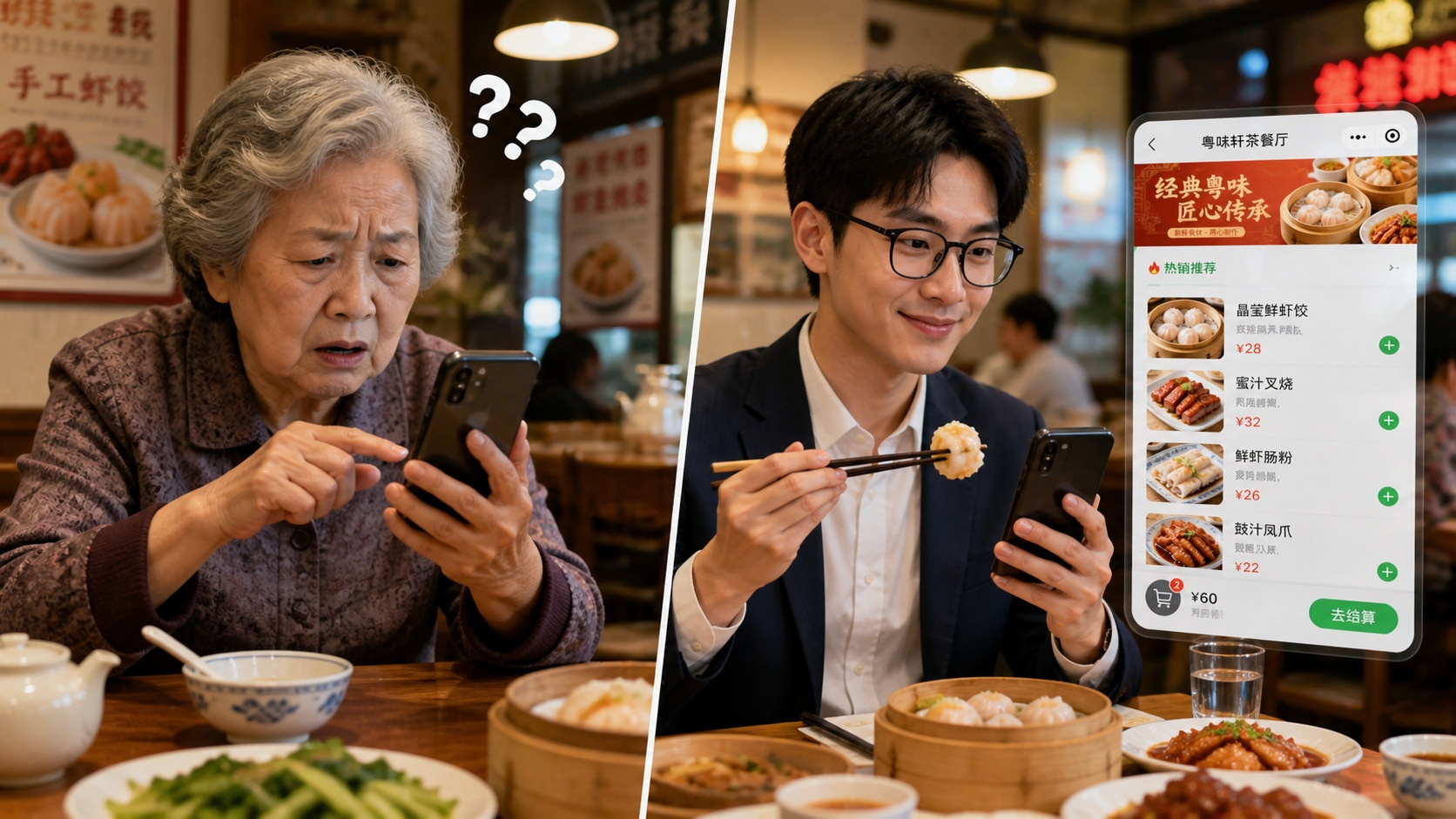
However, the experience is not universally positive. The most immediate drawback is the loss of human interaction. Dining has always been a social ritual, but QR ordering turns it into a transactional utility. You are alone with your screen while people around you talk.
More critically, there are privacy concerns. To scan the code and order, users often have to grant the mini-program permission to access their personal data—phone numbers, location, and sometimes even social media profiles. For many Chinese citizens, convenience has become a currency they willingly pay with their data. But for those wary of surveillance or data leaks, this creates a sense of unease.
Real Stories from the Table
The impact varies wildly depending on who is sitting at the table. Consider Mr. Chen, a 68-year-old retired teacher in Shanghai. He recently tried to take his wife to a new hotpot restaurant. While her granddaughter fumbled with the phone, scanning codes and navigating complex menus filled with small text, Mr. Chen felt a growing sense of exclusion. “I used to enjoy chatting with the waiters,” he told me later. “Now I feel like a number in a database. If my battery dies, I can’t even ask for water without shouting across the room.”\p>
In contrast, Li Wei, a 28-year-old software engineer, sees it differently. “It’s efficient,” he says. “I don’t want to be bothered while I’m eating with clients. I can check the nutritional info, split the bill among ten people instantly, and get out of there in thirty minutes. It fits my life.”\p>
What It Means for the Future
The rise of QR code dining is a microcosm of China’s broader transition into a data-driven society. It reveals a social contract where speed, efficiency, and hygiene (contactless ordering became especially popular post-pandemic) are often prioritized over traditional interpersonal rituals.
For businesses, the future lies in integrating these data points. Restaurants now know exactly which dishes customers hesitate on, what time they order most frequently, and even their dietary preferences based on past orders. This allows for hyper-personalized marketing that would be impossible with paper menus.
Yet, the debate continues. Regulators are beginning to step in, requiring restaurants to keep manual menus or staff available for those who cannot use smartphones. The goal is not to stop progress, but to ensure that the digital divide doesn’t become a social chasm.
China’s dining scene offers no simple answer to whether this is progress or regression. It is both. It reflects a society moving fast, where technology solves real economic problems but also demands new compromises in how we connect with each other. For visitors and locals alike, learning to navigate this digital landscape is no longer just about using an app—it’s about understanding the rhythm of modern China.