

The City Never Sleeps, But Someone Has to Run
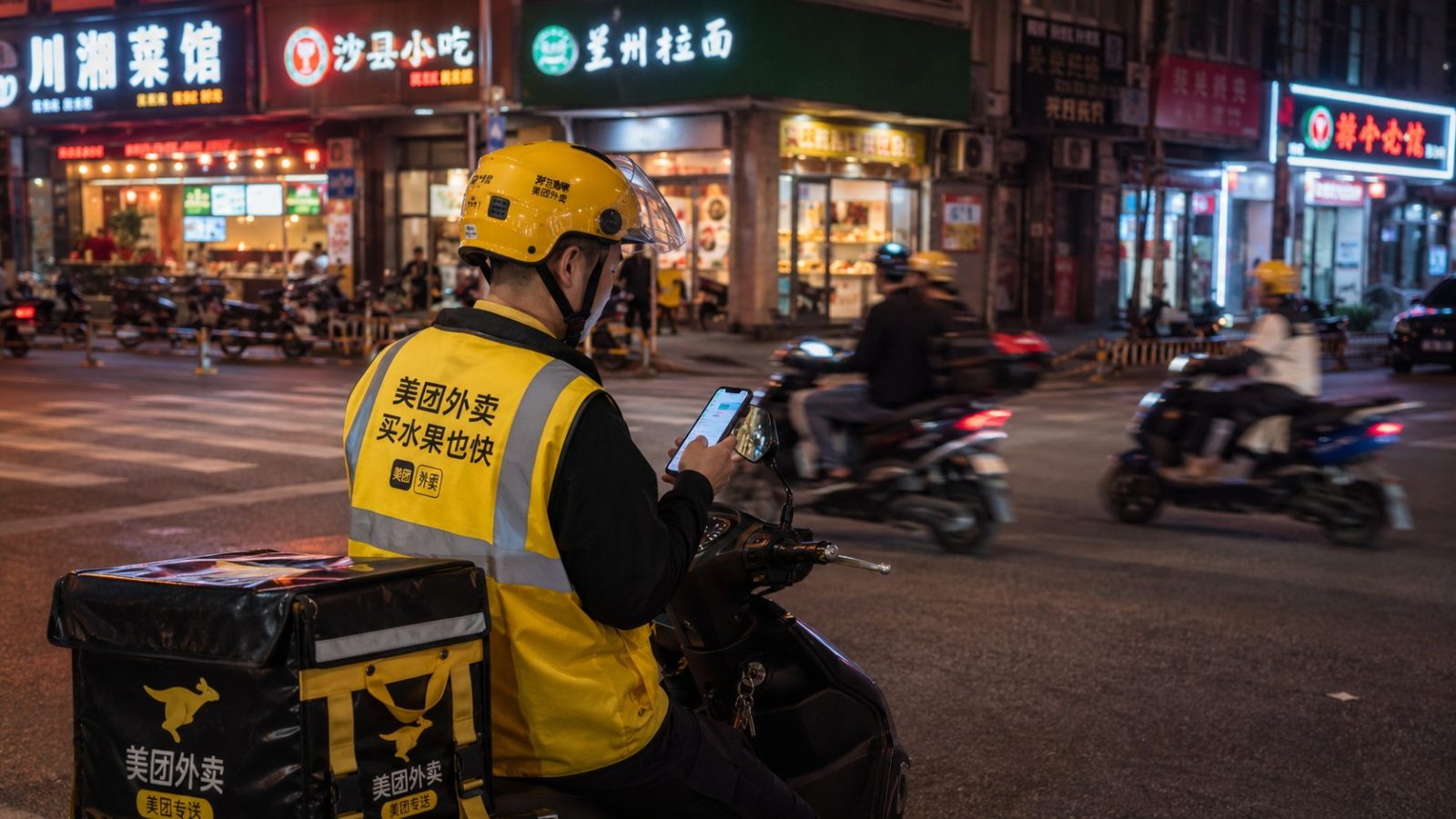
At 11:30 PM, the neon lights of Shanghai’s Jing’an District are still buzzing. While most residents are winding down, the streets below are alive with a specific kind of motion. It is the rhythmic hum of electric scooters weaving through traffic, their headlights cutting through the night air.
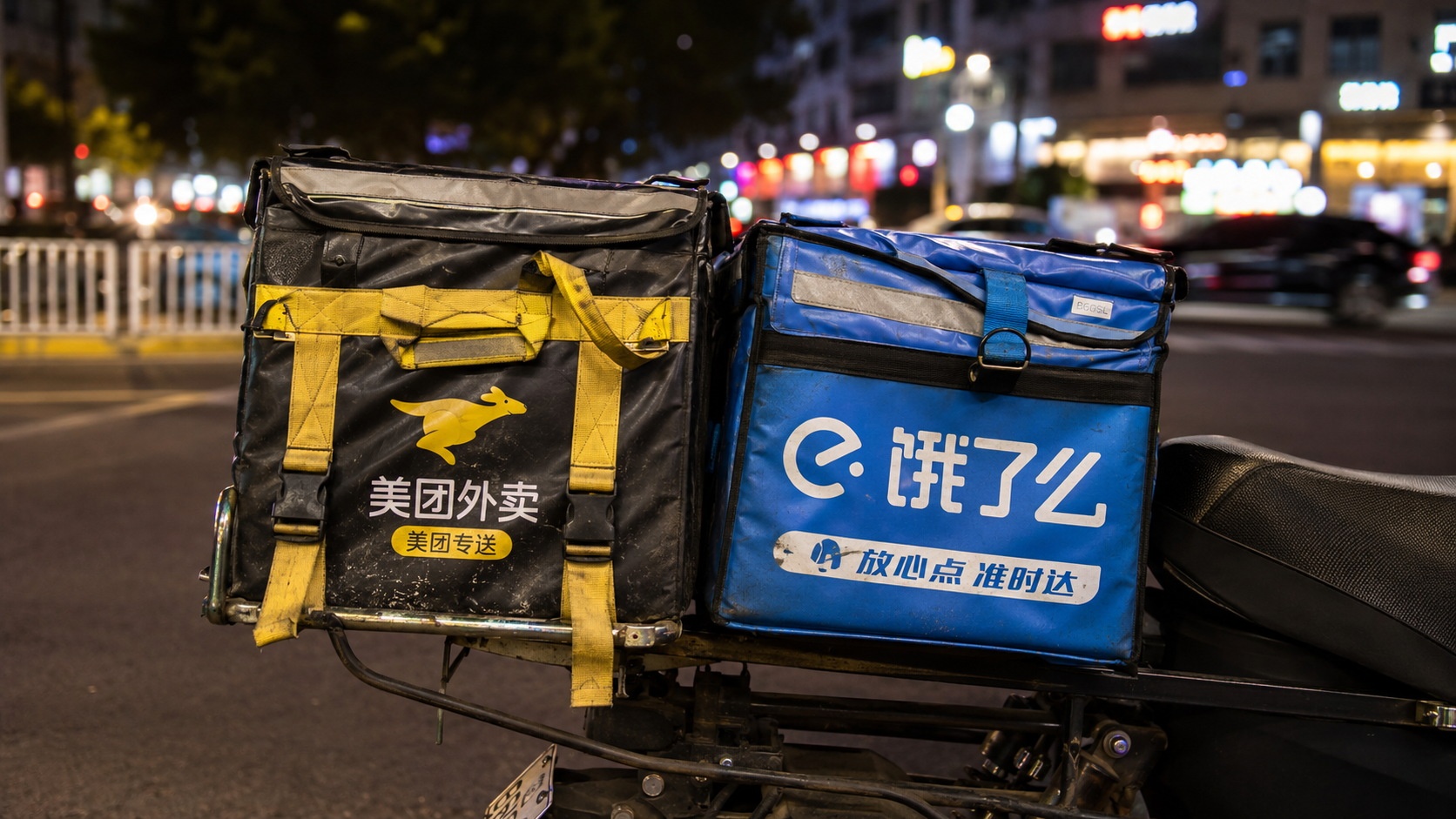
Meet Li Wei (name changed). He is wearing a standard yellow helmet and a reflective vest that has seen better days. His scooter is not just a vehicle; it is his office, carrying two insulated bags—one for hot meals, one for cold drinks. Tonight, he has four orders. The first is a spicy crayfish set for two college students sharing an apartment. The second is a simple bowl of noodle soup for a nurse finishing a night shift at the nearby hospital.
More Than Just Food: The Digital Arteries
To an outsider, Li Wei might look like a simple courier. But in China, he is part of a vast, digital nervous system. With over 800 million internet users and high smartphone penetration, food delivery apps like Meituan and Ele.me have become as essential as electricity or water.
This isn’t just about laziness or convenience. It’s about the rhythm of modern Chinese life. In cities where many young professionals live in small apartments far from traditional markets, the ability to get a hot meal delivered to your door within 30 minutes changes how people eat, work, and socialize.
Li Wei explains that his job is less about “delivering food” and more about “delivering time.” For the nurse, those 20 minutes saved mean she can finally eat and rest. For the students, it means they don’t have to leave their gaming session or study group. He is the physical link in a purely digital transaction.
The Algorithm and the Human
Let’s be honest: it’s not always smooth. The system that assigns Li Wei his orders is an algorithm designed for efficiency. It calculates the fastest route, predicts traffic, and sets tight deadlines. Sometimes, the math doesn’t match reality. A sudden rainstorm, a broken elevator in an old residential building, or a locked gate can turn a 15-minute ride into a 40-minute struggle.
Li Wei isn’t romantic about this. He talks about the pressure to keep his rating high. If he’s late too often, his access to high-paying orders drops. “The app doesn’t care if you’re tired,” he says, wiping rain off his visor. “It only cares if you’re on time.”
Observations from the Saddle
However, Li Wei also sees things no one else does. He knows which streets flood first when it rains. He knows which small alleyways offer shortcuts that GPS misses. He has a mental map of the city that is far more detailed than any satellite image.
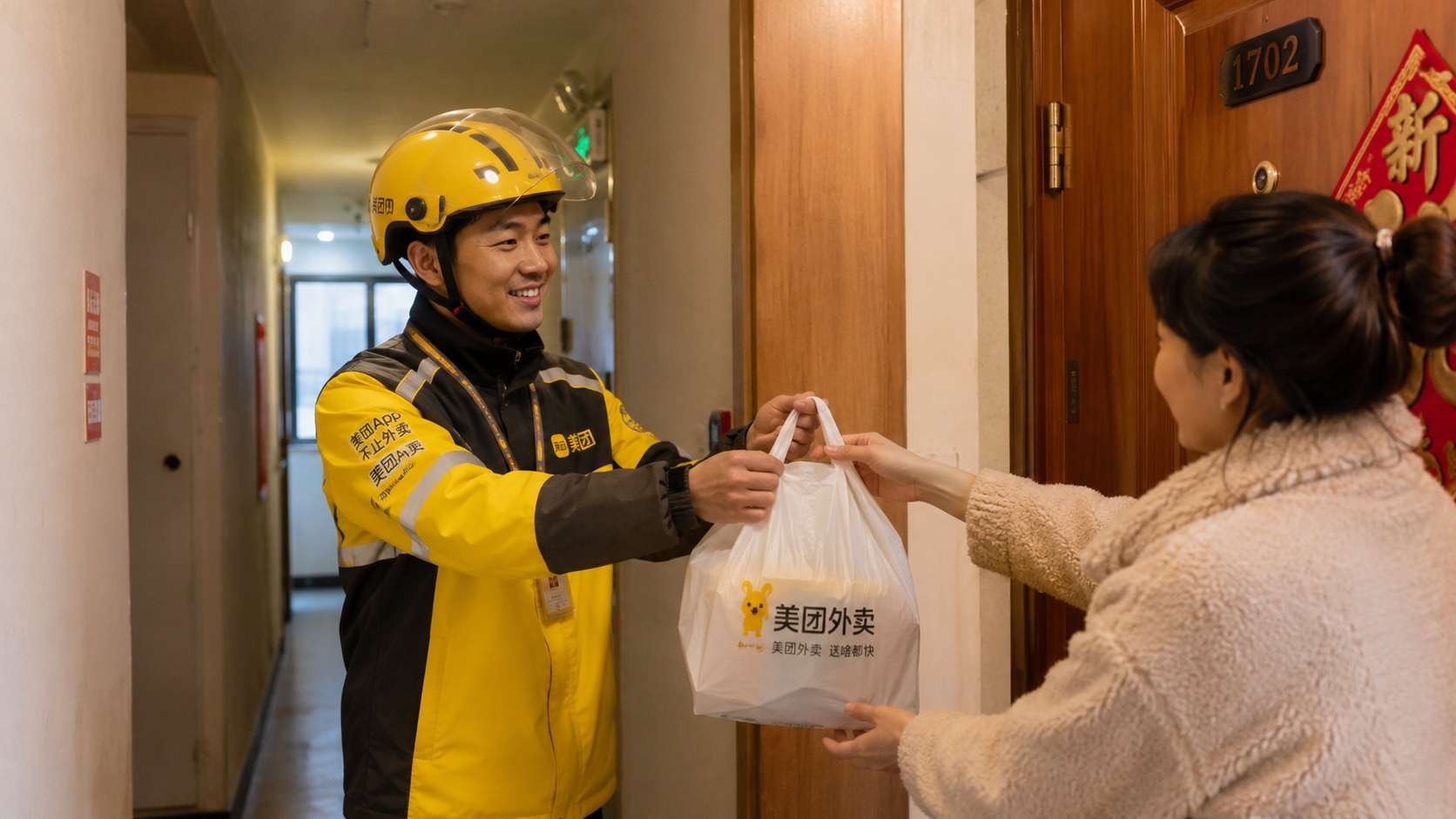
He also sees the human side of his customers. He remembers the regulars who always say “thank you” with a smile. He has delivered birthday cakes to lonely workers and late-night snacks to new parents. These small interactions, though brief, create a subtle web of connection in an otherwise anonymous urban environment.
In a city where many neighbors don’t even know each other’s names, the delivery rider becomes a familiar face. A nod, a shared joke about the weather, or a quick “good luck” becomes a tiny moment of humanity in a fast-paced world.
The Engine of the Night Economy
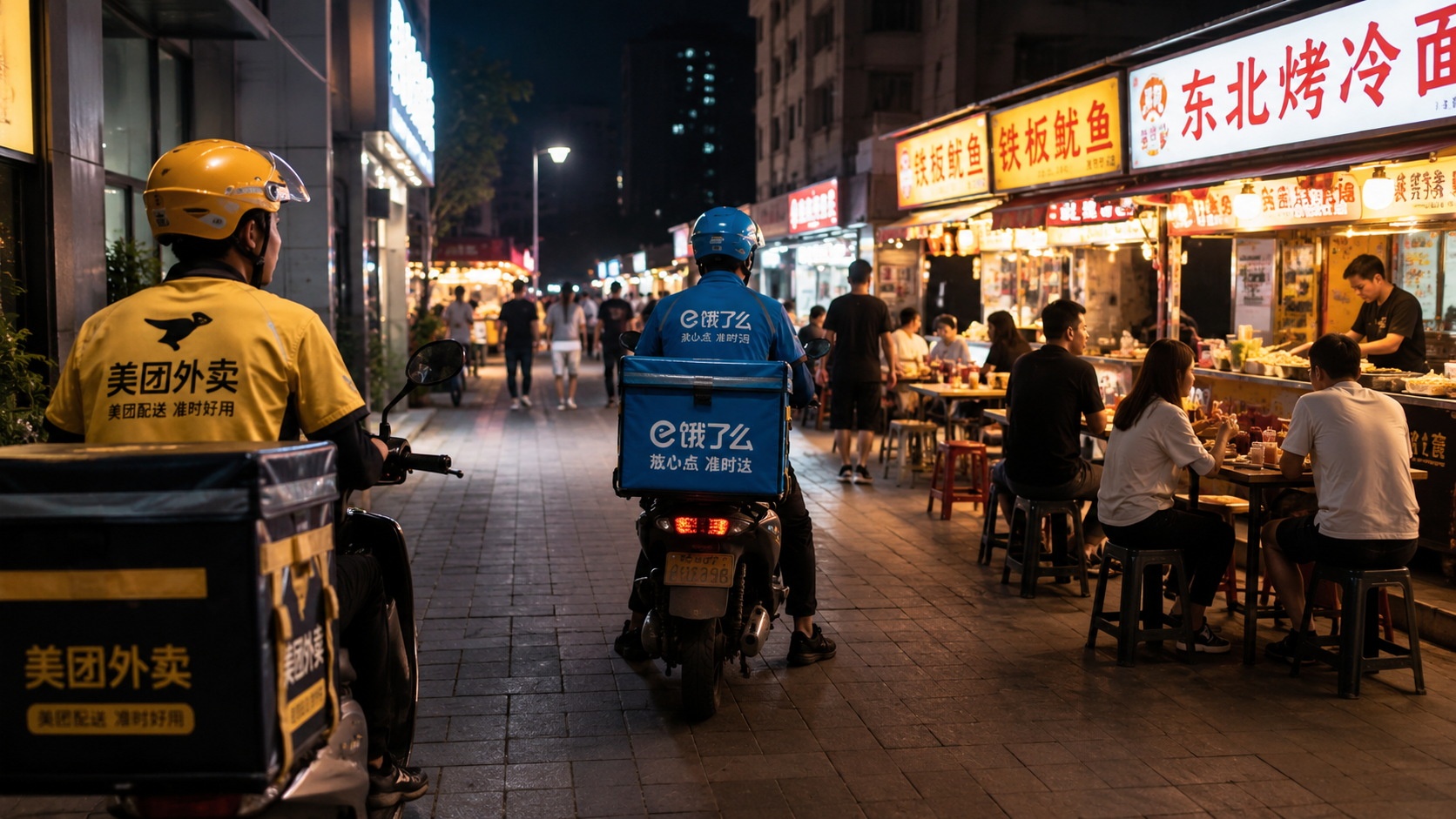
Li Wei is part of a larger phenomenon: China’s night economy. After 10 PM, restaurants that would otherwise be closed start to open. Bars, street food stalls, and late-night bakeries thrive because riders like him make it possible for people to order without leaving home.
This sector employs millions of young people, many of whom come from rural areas seeking opportunity in the city. For them, riding a scooter is a stepping stone. It offers flexible hours and immediate pay, which is crucial for those saving money to send back home or planning their next career move.
Conclusion: The Invisible Backbone
So, who is Li Wei? He is not a hero in a comic book, nor is he just a cog in a machine. He is a young man navigating the complexities of modern China with resilience and pragmatism. He represents the bridge between high-tech convenience and traditional human effort.
Next time you tap your phone to order dinner, remember the person on the other end of the line. Think about the miles they’ve ridden, the weather they’ve endured, and the small role they play in keeping your city fed and connected. In China, the delivery rider is more than a service provider; they are the heartbeat of the urban night.