
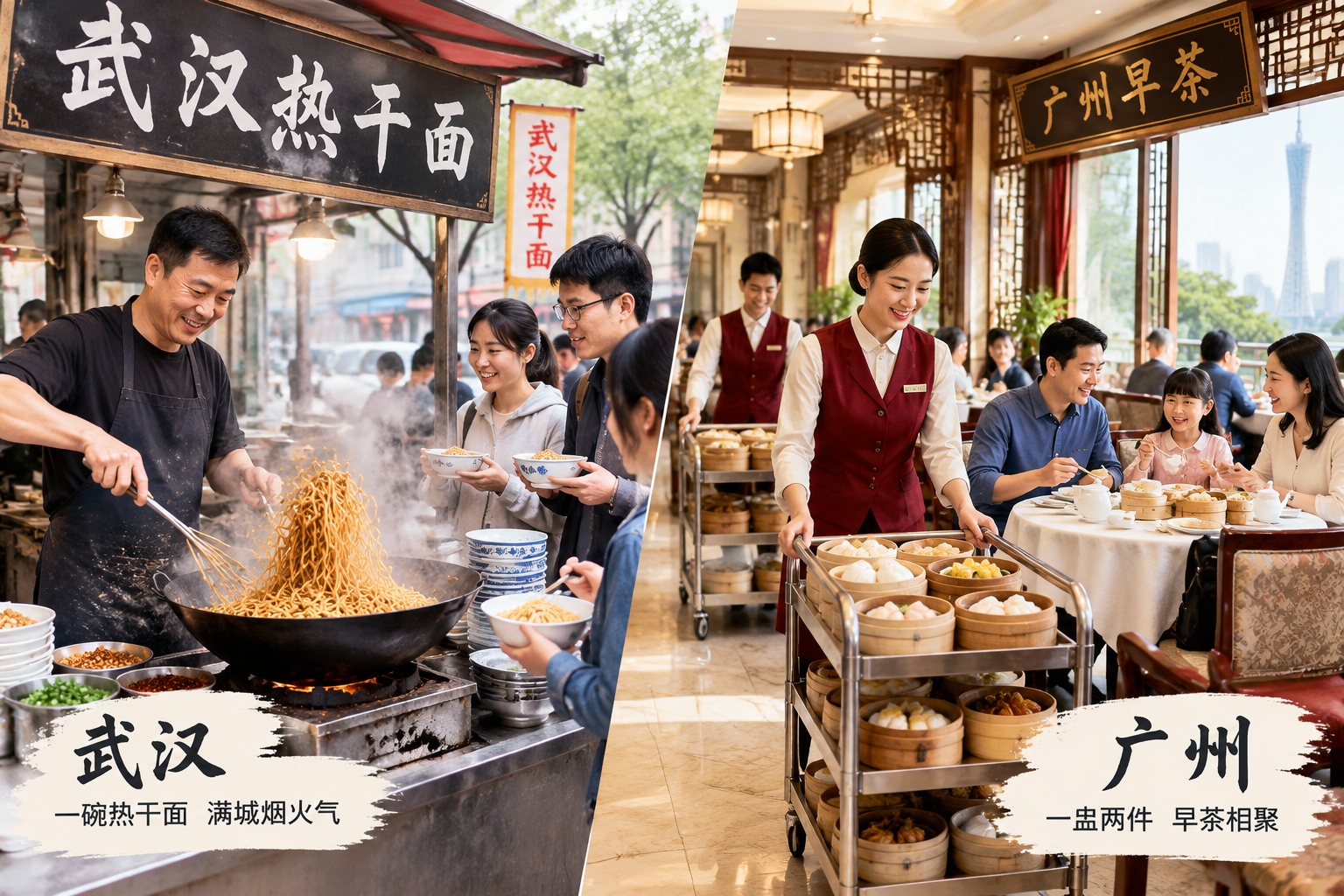

The First Signal of the Day
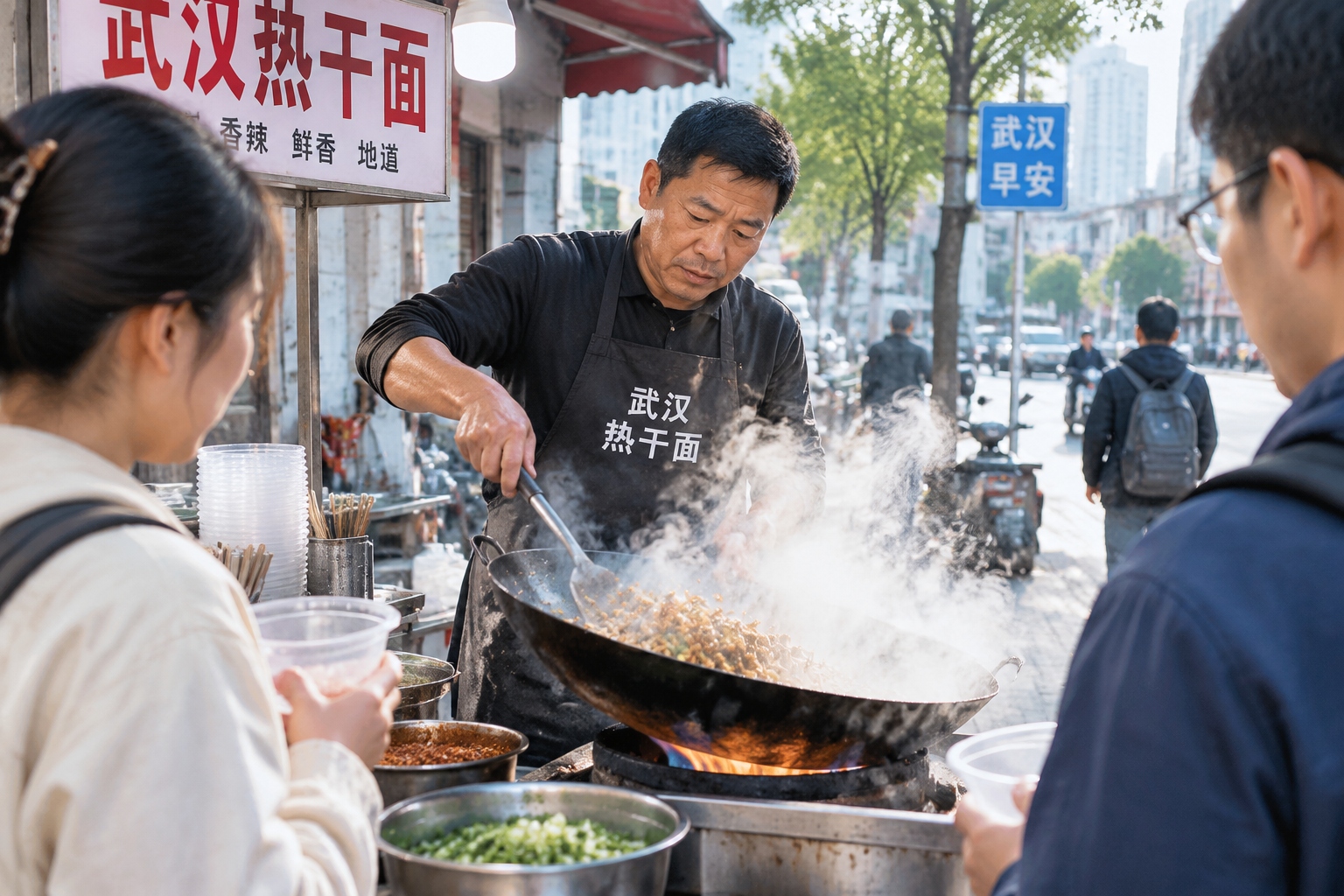
At 7:00 AM, the air in Wuhan is thick with the scent of sesame paste and chili oil. At a bustling stall near the Yangtze River, a vendor shakes a large wok vigorously. Steam billows out, carrying the sharp aroma of toasted sesame. Customers stand shoulder-to-shoulder, holding small plastic bowls, waiting for their turn. There is no time for sitting. The transaction is swift: “One hot dry noodle, extra chili.” The noodles are tossed, coated in thick brown sauce, and handed over in a paper cone. You eat standing up, walking toward your workplace. This is the rhythm of Wuhan’s breakfast: fast, loud, and intensely flavorful.
Thousands of kilometers south, in Guangzhou, the morning unfolds differently. It is 8:30 AM, and the tea houses are already packed. The atmosphere is noisy but not frantic. Waiters push tall metal carts filled with bamboo steamers through narrow aisles. The sound of porcelain clinking and Cantonese chatter fills the air. Here, breakfast is not a race. It is a leisurely affair involving “yum cha” (drinking tea). Families and friends gather around round tables, ordering dim sum—small plates of dumplings, buns, and rice rolls. The meal can last two hours. This is the rhythm of Guangzhou: relaxed, social, and deeply rooted in tradition.
Engineering Flavor vs. Refining Craft
The difference between these two breakfasts reflects the engineering mindset of Wuhan versus the artisanal refinement of Guangzhou.
Wuhan’s Hot Dry Noodles (Re Gan Mian): This dish is a study in efficiency and texture. The noodles are pre-boiled, then drained and tossed with sesame oil to prevent sticking. When ordered, they are quickly reheated in boiling water and mixed with a complex sauce of sesame paste, garlic, soy sauce, and pickled radish. The key is the “dryness”—there is no soup. This makes it portable and calorie-dense, perfect for the industrial workforce that built Wuhan into China’s “Pittsburgh.” The flavor is bold, salty, and nutty, designed to wake you up instantly.
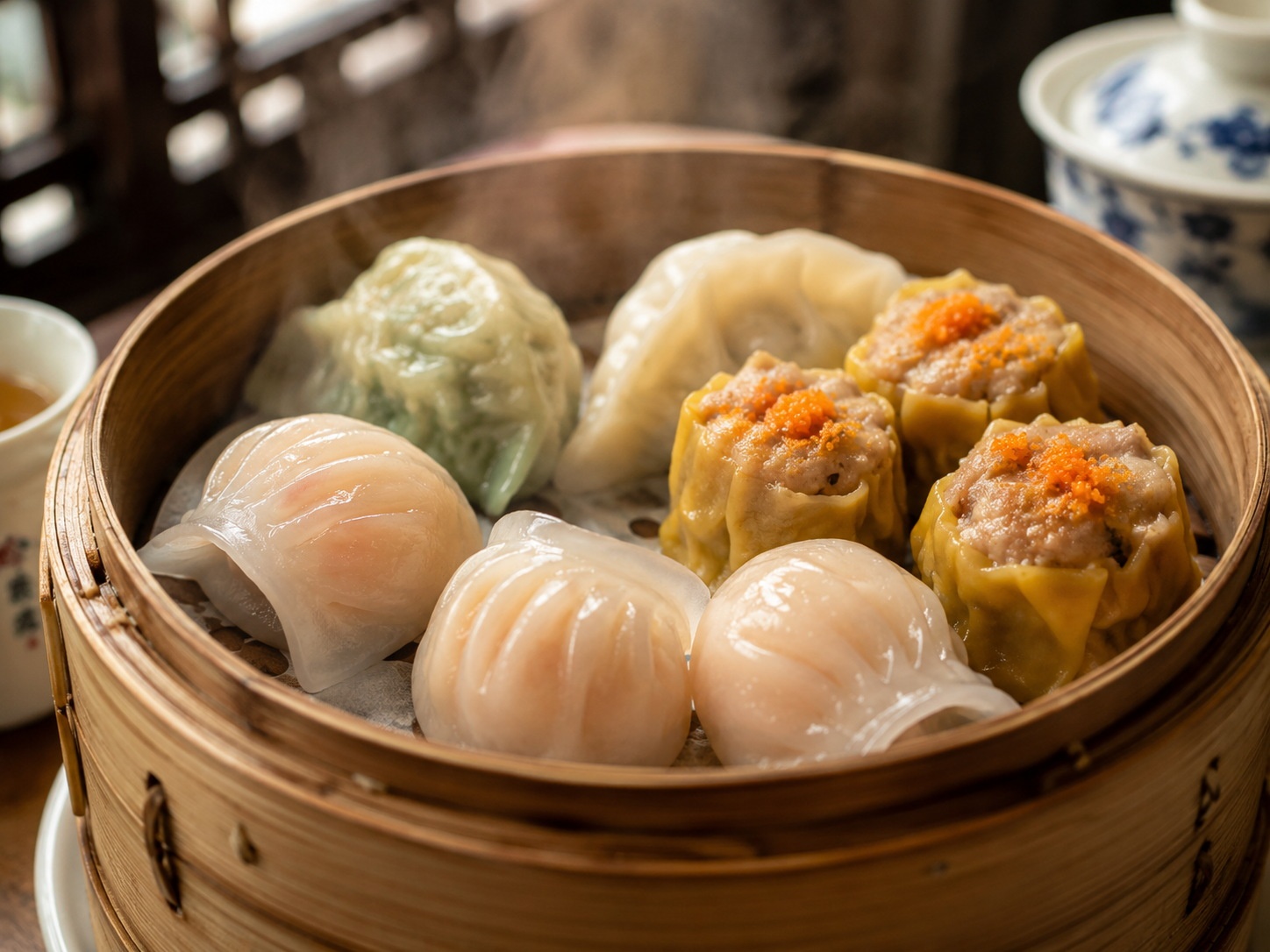
Guangzhou’s Dim Sum: In contrast, dim sum is about precision and variety. The term literally means “touch the heart,” referring to the small portions that accompany tea. From har gow (shrimp dumplings) with translucent skins to siu mai (pork dumplings) with spicy pork filling, each piece requires skilled handiwork. The preparation involves steaming, frying, or baking delicate doughs and fillings. The focus is on freshness and the harmony of flavors. It is a culinary art form that values quality over speed.
Street Culture vs. Social Ritual
How people eat breakfast reveals how they live. In Wuhan, breakfast is often eaten while commuting. It is a functional start to a day defined by commerce and industry. The city is known as the “thoroughfare of nine provinces,” and its food reflects this transit-oriented identity. You grab your noodles, join the flow of people, and dive into work.
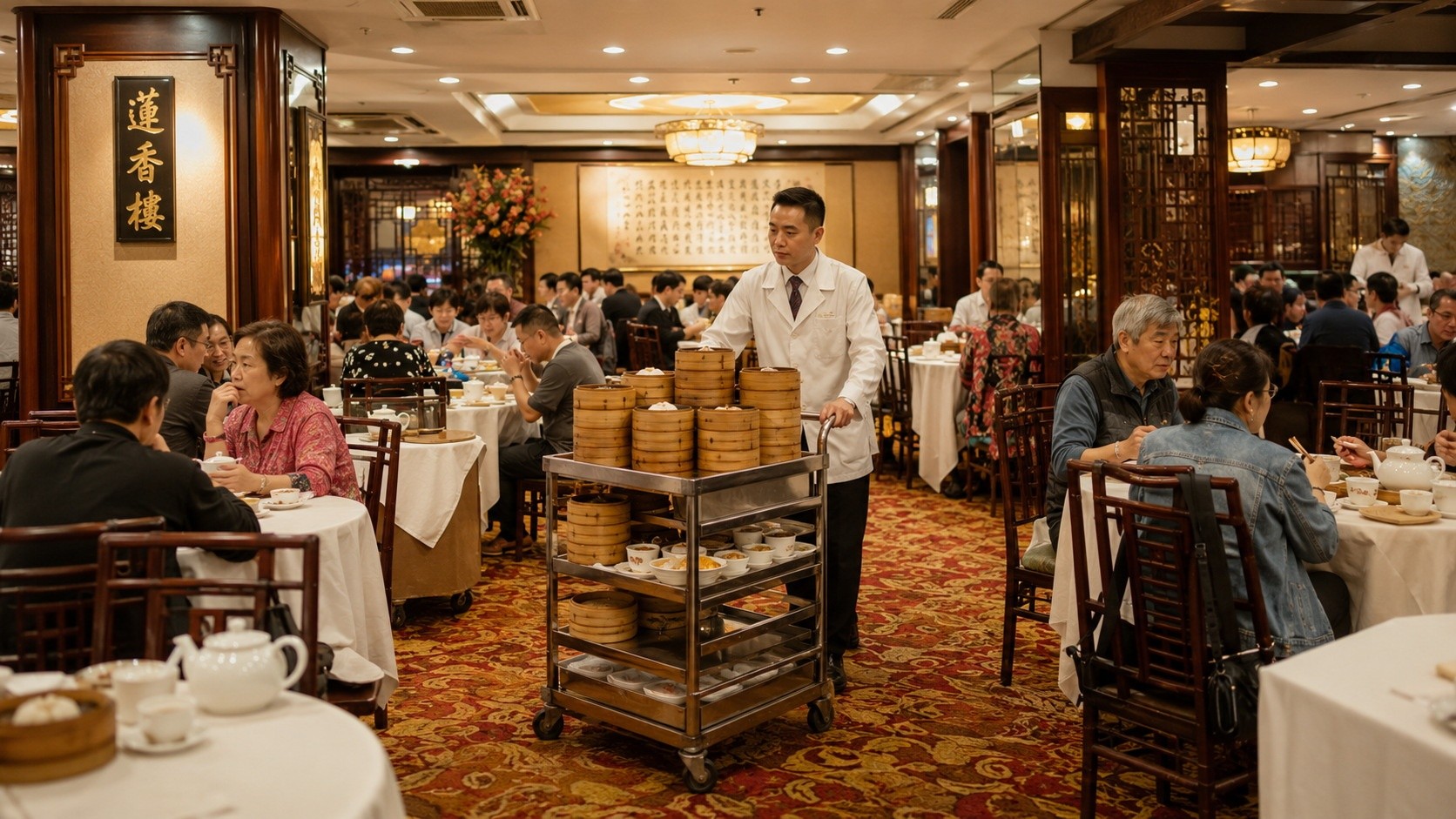
In Guangzhou, breakfast is a social anchor. The concept of “one tea, two dim sum” (one order of tea, two portions of dim sum) is a local idiom for a modest but satisfying morning. Tea houses serve as community hubs where business deals are made, news is exchanged, and family bonds are strengthened. The pace is slow because the value lies in the interaction, not just the food. This reflects Guangzhou’s history as a port city open to trade and influence, where lifestyle and comfort are prized.
Two Cities, One Country
These breakfast cultures are not just about taste; they are windows into the soul of their cities. Wuhan’s hot dry noodles speak to resilience, speed, and pragmatism. Guangzhou’s dim sum speaks to elegance, community, and continuity. Both are essential to understanding modern China. To know a city, don’t look at its skyline; look at its breakfast table.
Start the discussion at forum.chinacomes.com