
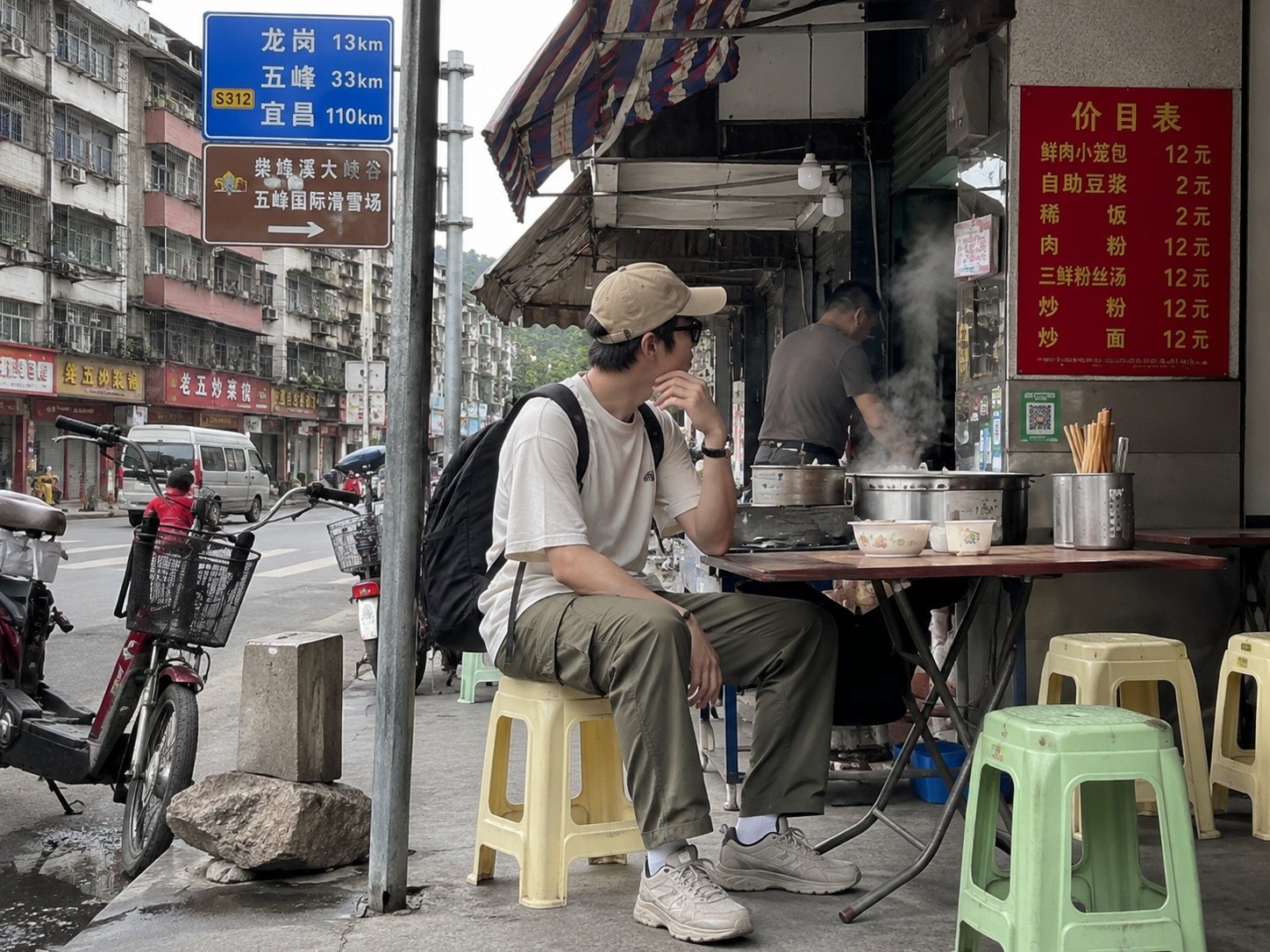

The Crowd at the Wall
The first thing you notice isn’t the history; it’s the backs of heads. Standing at the Badaling section of the Great Wall during the May Day holiday is less like a cultural pilgrimage and more like being stuck in a slow-moving river of tourists. Prices for hotel rooms nearby tripled, and grabbing a bowl of noodles meant waiting in line for two hours. For many young Chinese travelers, this wasn’t the vacation they envisioned.
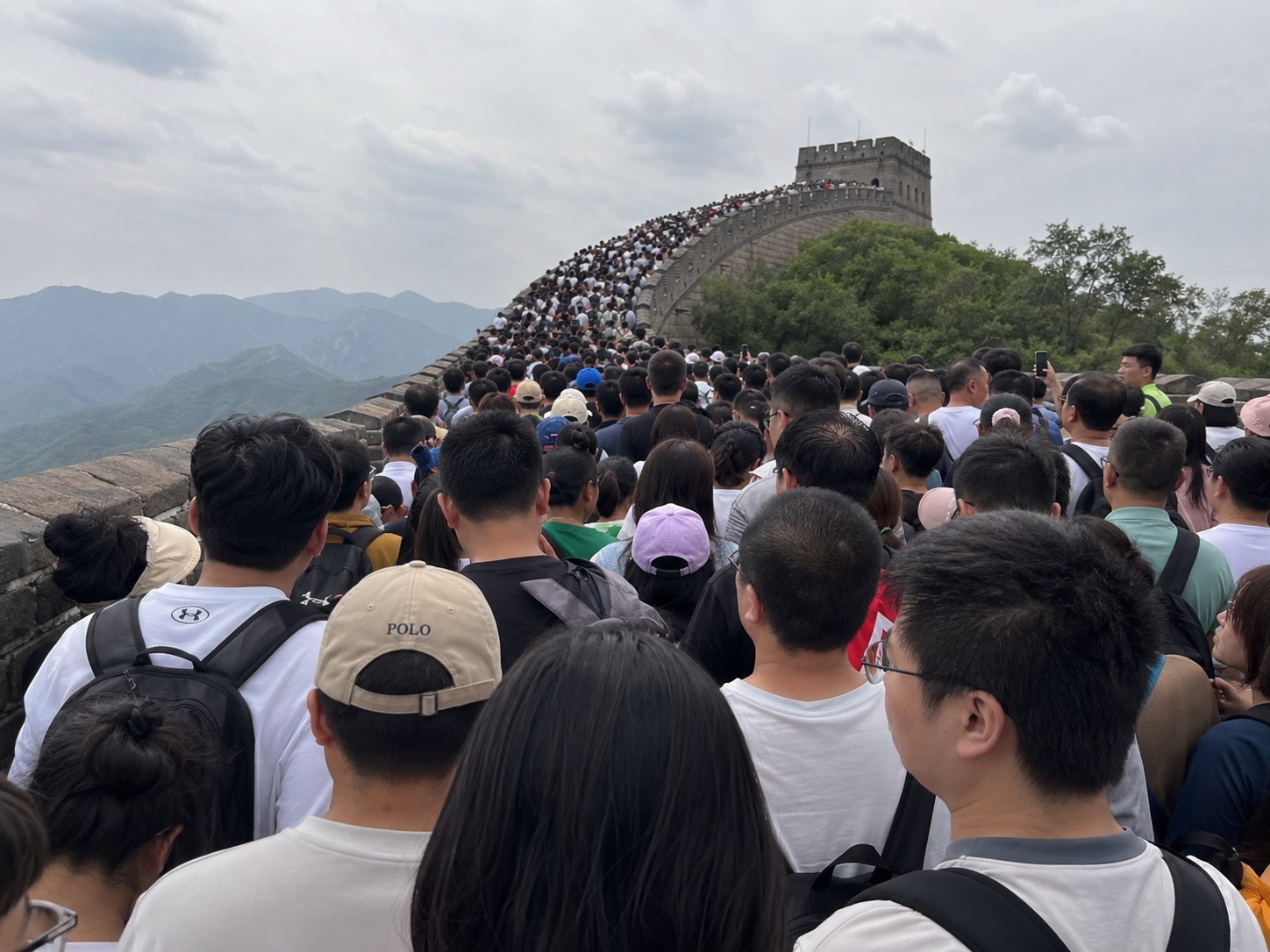
Running to Nowhere Specific
Instead of fighting the crowd, I booked a high-speed train ticket to Jingyang County, a place you might find on a map only if you’re looking for it. It’s not famous for any ancient ruins or viral social media spots. It’s just… there. A typical county seat in Shaanxi province, with wide, empty streets and a population that moves at a noticeably slower pace than the megacities.
This is “reverse tourism.” It’s not about discovering a hidden gem; it’s about escaping the well-trodden path. The trend has exploded in China recently, driven by a simple realization: popular tourist traps are too expensive and too crowded. Young people, particularly Gen Z, are prioritizing “songchi gan” (a sense of relaxation or chill) over checklist tourism.
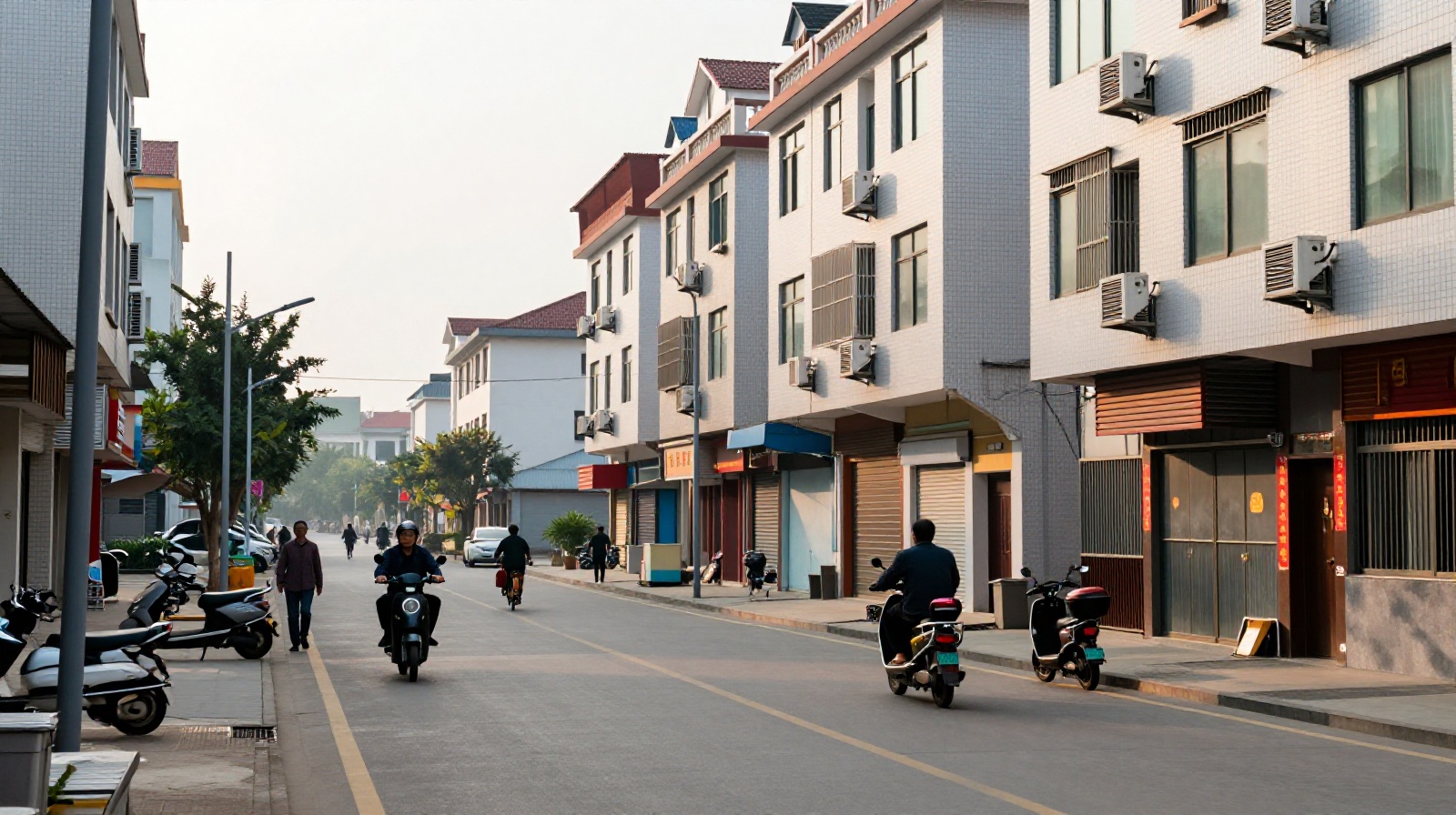
Five-Yuan Breakfasts and Real Life
In Jingyang, I woke up at 7 a.m. The air was crisp. Outside my hotel, which cost less than one night in Beijing, the local market was already alive. I sat on a low plastic stool at a street stall and ordered roujiamo (Chinese hamburger) and bean tofu soup. It cost about $2.50. The owner, an auntie with a warm smile, didn’t speak English, but she spoke to me in the local dialect, asking if I was from far away.
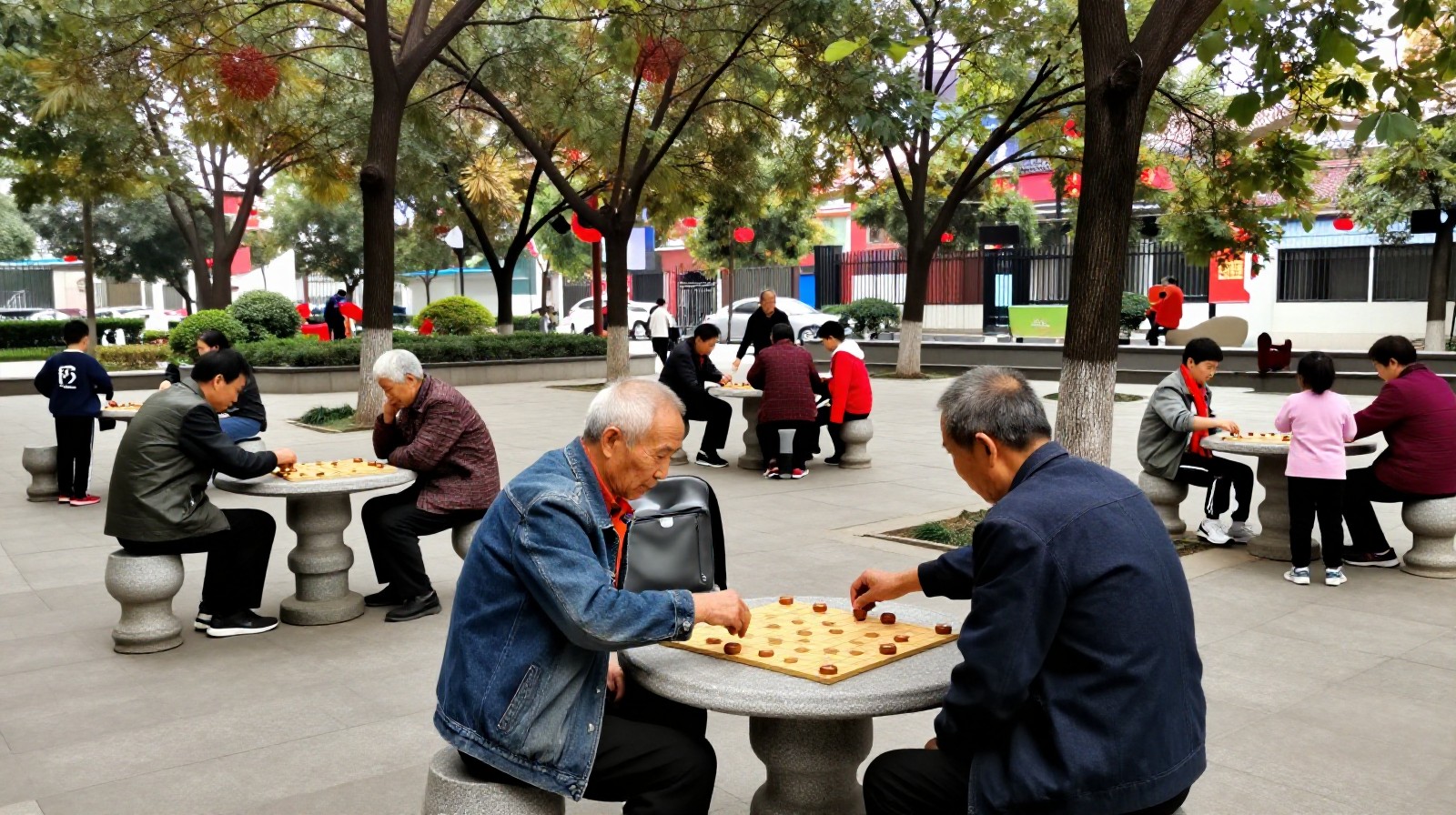
This is the core appeal of reverse tourism: accessibility. In major hubs, street food has often been sanitized or priced for tourists. In these small counties, prices reflect local wages. You aren’t paying for a “vibe”; you’re paying for sustenance. I spent three days wandering without an itinerary. I visited a local park where grandpas played chess under banyan trees, watched kids chase each other in a public square, and simply walked. There were no QR codes to scan for everything, no frantic rush to get the perfect photo.
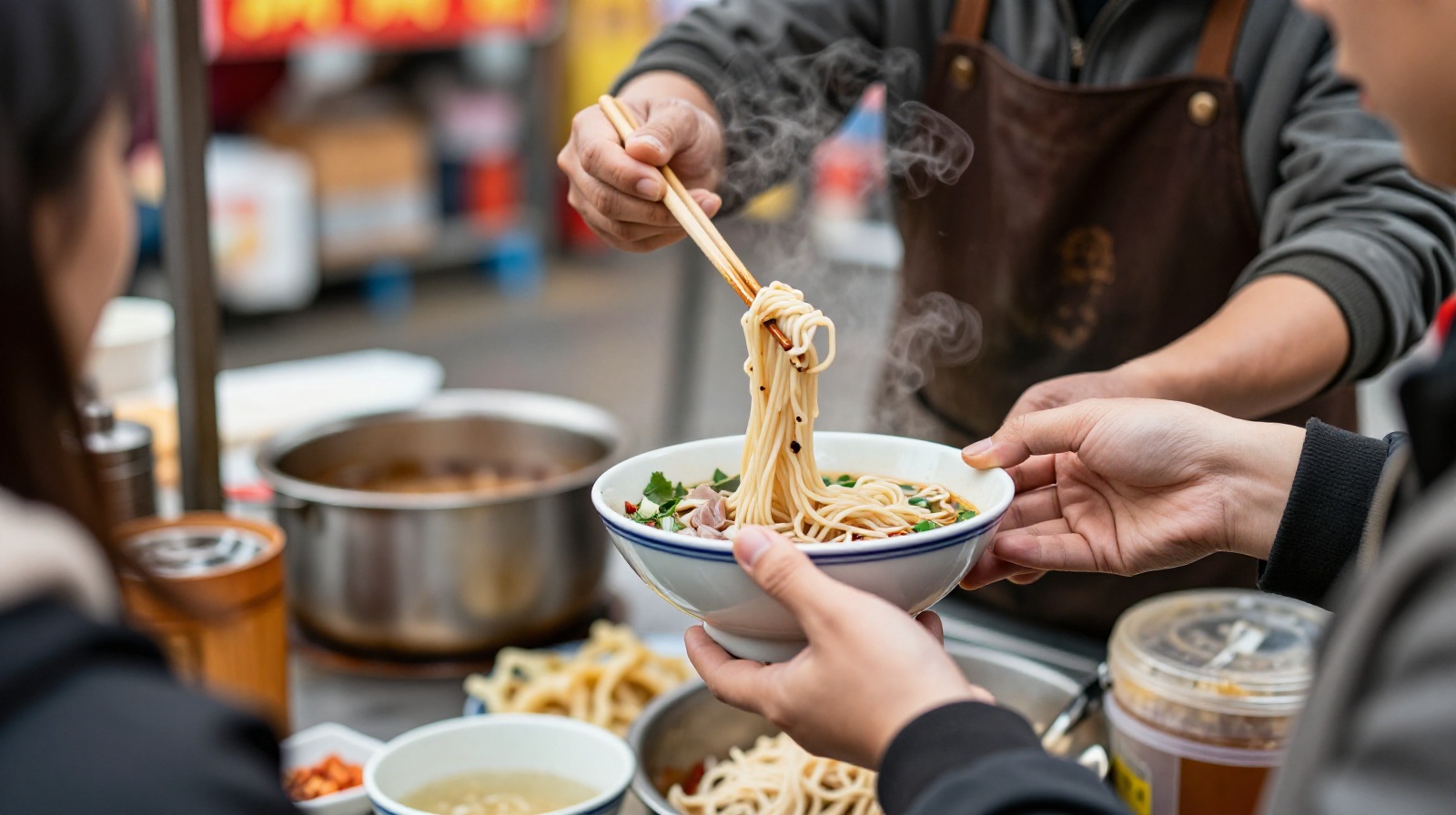
The Unvarnished Reality
It’s important not to romanticize this too much. Jingyang isn’t a utopia. The infrastructure is functional but not luxurious. Some roads are narrow, and the public Wi-Fi in older cafes can be spotty. If you’re used to the pristine service of Shanghai or Shenzhen, you might find the lack of English signage or high-end amenities jarring. There’s no 24-hour delivery app for gourmet food; if a shop closes at 6 p.m., it’s closed.
But this friction is part of the charm. It forces you to slow down. You can’t swipe your way through the experience. You have to ask for directions with hand gestures. You have to accept that sometimes, the bus is late. This lack of digital convenience, paradoxically, brings a different kind of peace. It strips away the performance of travel.
Money Flows Where Crowds Leave
While travelers seek peace, these small counties are seeing an economic surprise. The surge in “reverse tourism” has injected much-needed cash into local economies that have been overlooked for years. Local farmers are selling extra vegetables to new visitors. Small guesthouses are being renovated. Even the local government is waking up to the potential, improving basic facilities like restrooms and parking lots to accommodate the influx.
This isn’t a fleeting fad. It reflects a deeper shift in Chinese consumption. As disposable income rises, so does the desire for authentic, low-stress experiences. People are tired of the “Instagrammable” trap. They want to see how real people live, eat, and spend their weekends. Small counties, with their lower cost of living and slower pace, offer exactly that.
Why It Matters
Reverse tourism is more than a travel hack; it’s a social statement. It challenges the idea that a holiday must be expensive or exotic to be valuable. It suggests that happiness can be found in the mundane, in the quiet corners of a country often defined by its speed and scale. For the rest of the world, it offers a glimpse into a new Chinese consumer mindset: one that values authenticity over status, and relaxation over obligation.
If you’re planning your next trip to China, consider skipping the top 10 lists. Look for the county with no famous landmark. Take the train. Eat the cheap noodles. You might just find the China you weren’t expecting.