
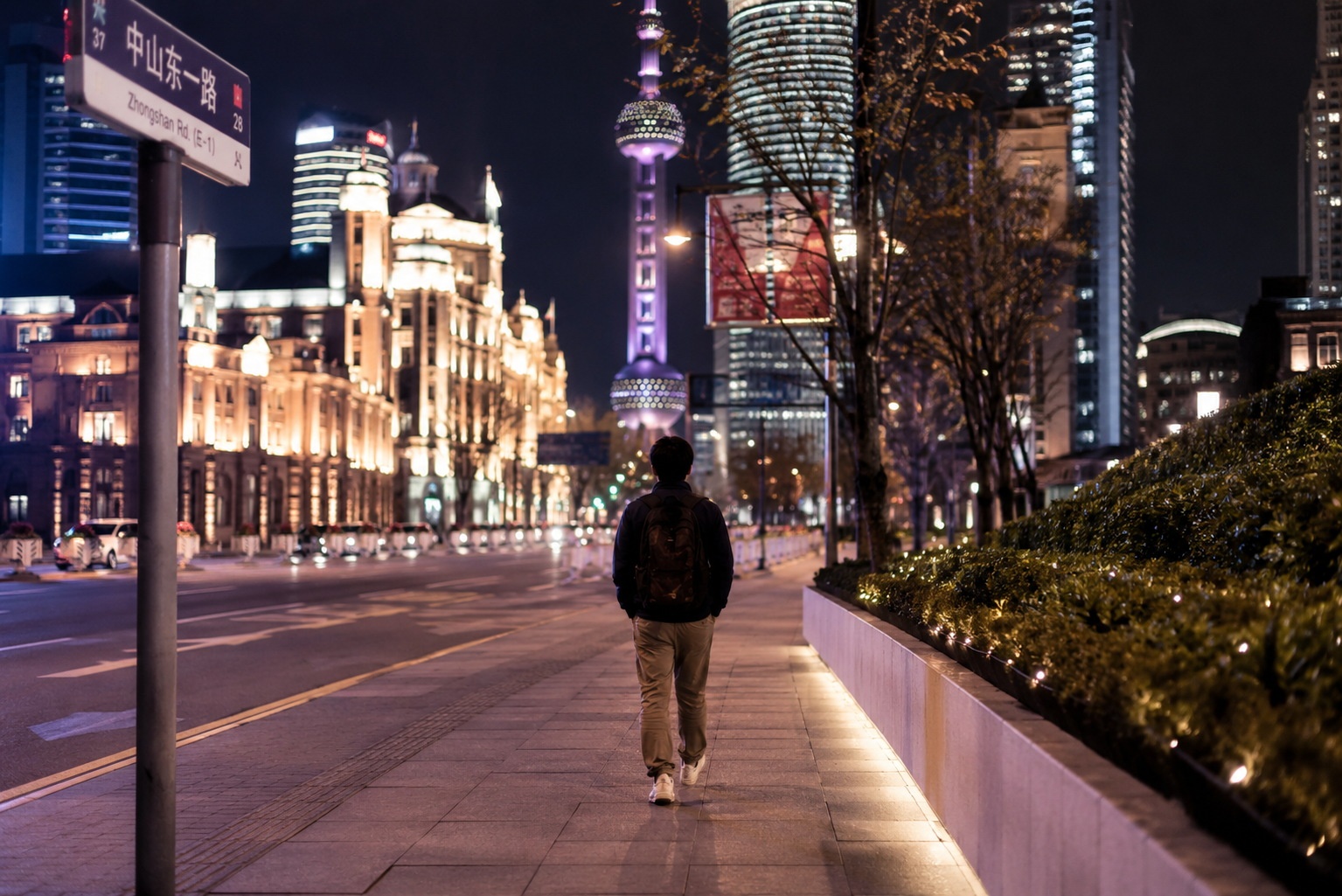

The Short Answer: Yes, But With Context
If you ask a local in Shanghai whether it is safe to walk alone at 3 AM, the response is rarely one of fear. Instead, it is often a mild confusion, similar to asking if it is safe to breathe air in a park. For millions of residents, walking home late from a bar, a shift at work, or a convenience store run is a mundane part of daily life. However, “safe” does not mean “identical to every other city on earth.” It means living in an environment where the baseline expectation of physical security is significantly higher than in many Western metropolises.
Shanghai is one of the world’s most surveilled and regulated cities. This is not always framed positively in international discourse, but for the average pedestrian, it translates to a specific kind of comfort: the confidence that if something goes wrong, help is likely just seconds away. The question of safety at 3 AM is less about “danger” and more about understanding the rhythm of a city that never truly sleeps.
The Reality of the Streets After Dark
Imagine stepping out of a subway station in Jing’an or Xuhui district at 3:15 AM. The air is cool, and the streets are not deserted in the eerie sense often depicted in movies. Instead, they are populated by a specific night-time demographic. You will see delivery riders in their blue or yellow uniforms weaving through traffic, their helmets reflecting the streetlights. You will find groups of young professionals leaving karaoke bars or late-night hotpot restaurants, laughing loudly as they hail Didi (China’s ride-hailing service) or walk toward their apartments.
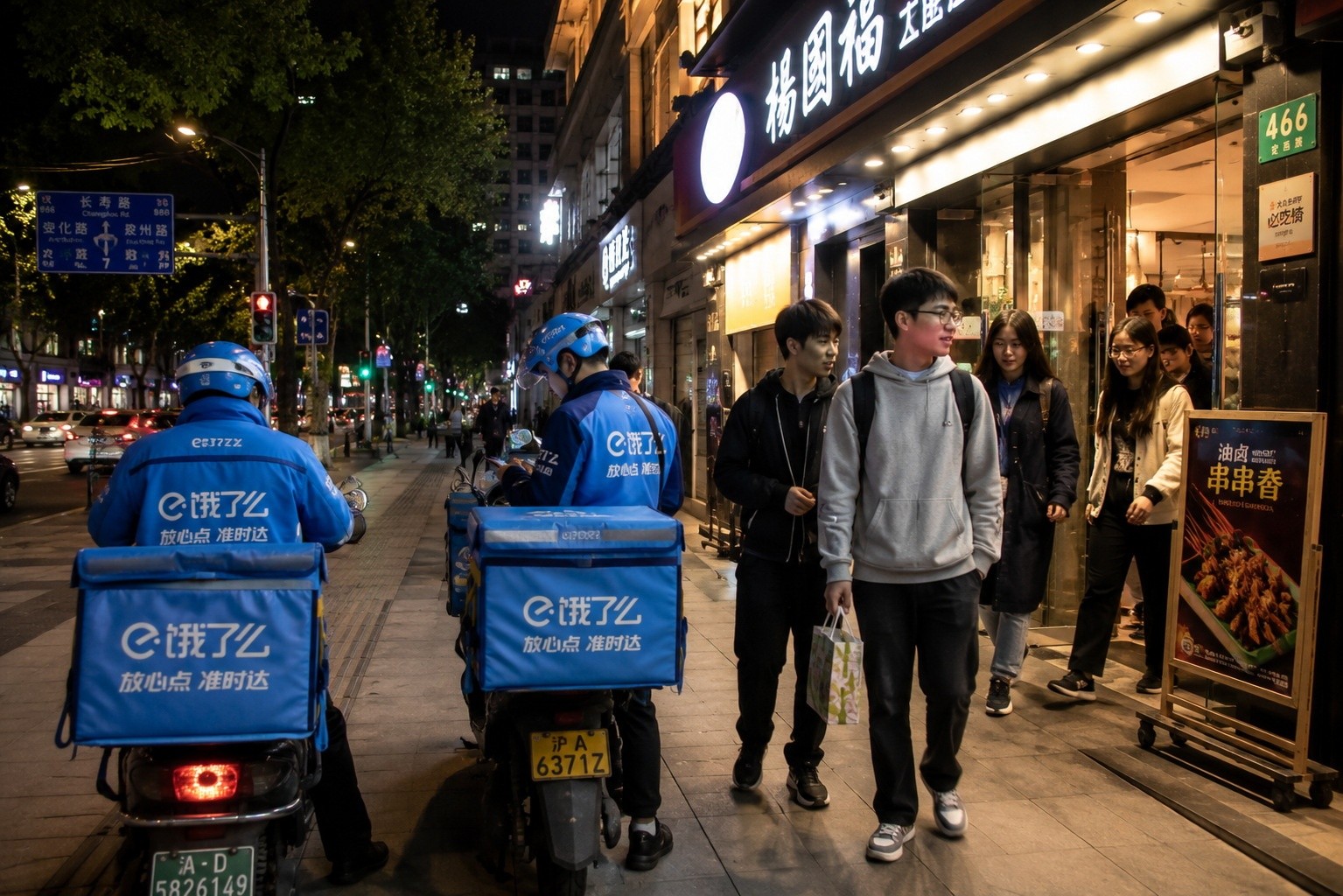
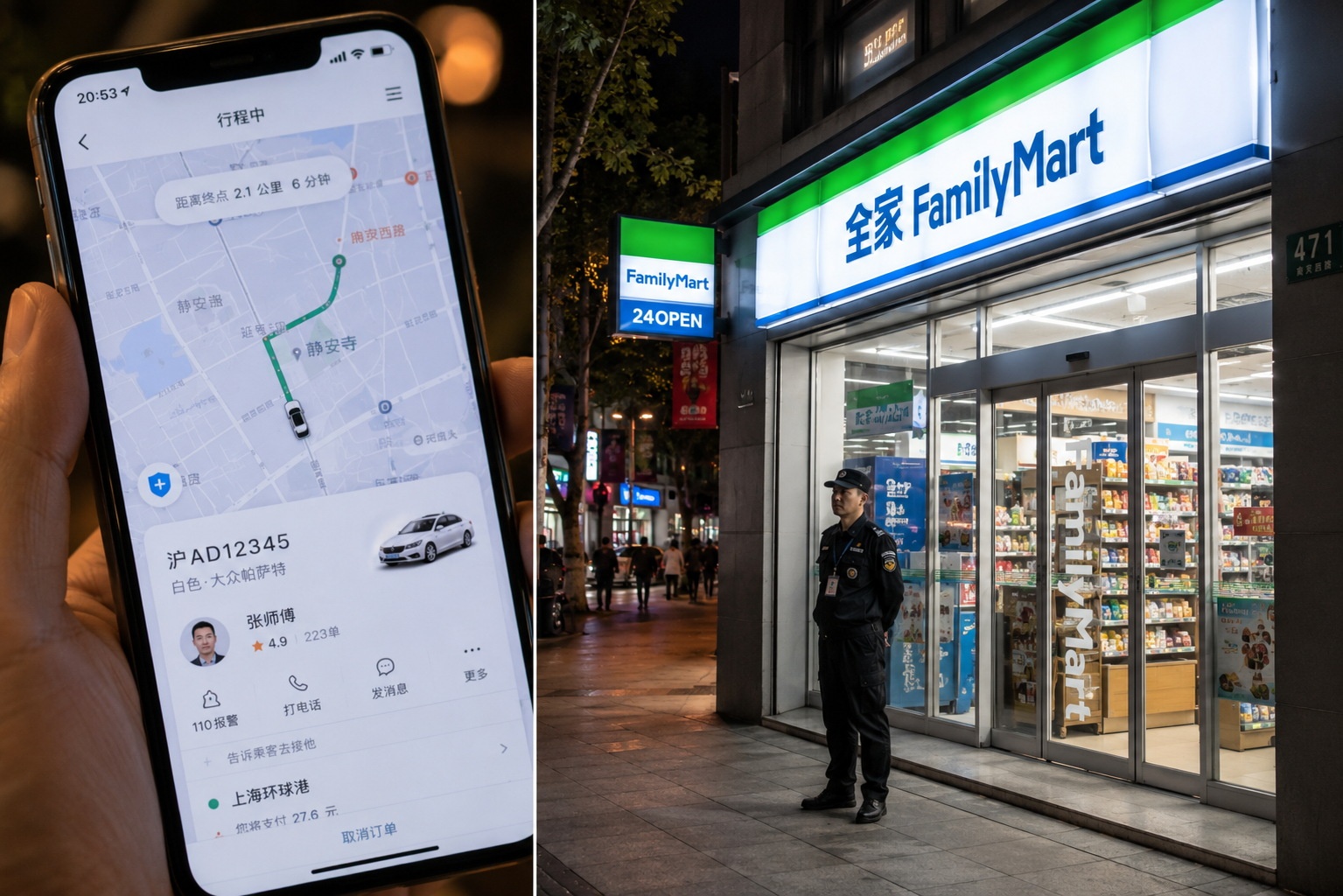
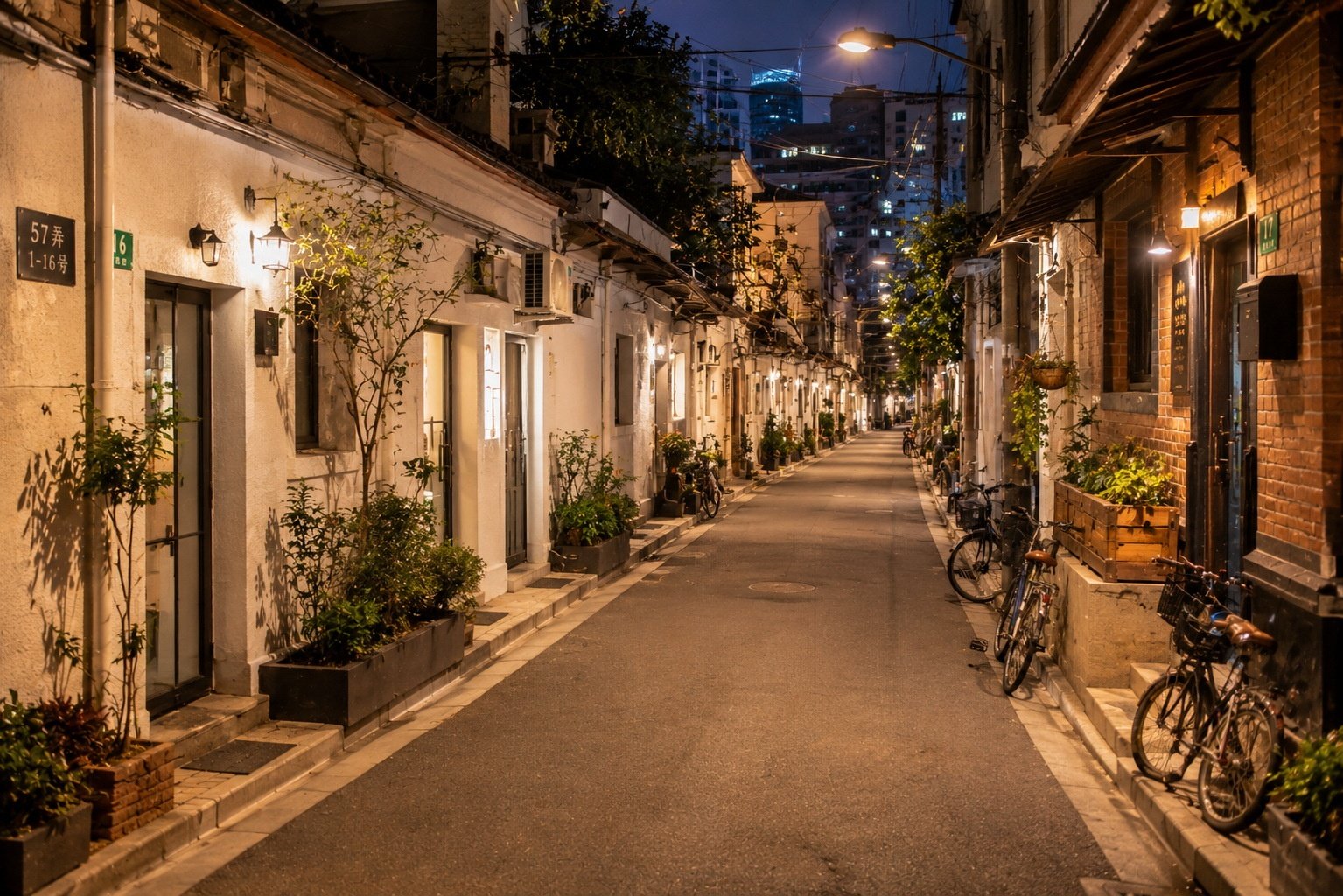
The infrastructure itself supports this sense of security. Shanghai boasts some of the best-lit public spaces in the world. Even in quieter residential alleyways (known as longtang), lighting is adequate, and CCTV cameras are ubiquitous. The presence of police and auxiliary security personnel is visible but usually unobtrusive. You might see a patrol car driving slowly down a main avenue, or a security guard standing outside a 24-hour convenience store like FamilyMart or Lawson. These are not intimidating; they are routine.
Data vs. Perception
While specific granular data for “3 AM walking” is rarely published in real-time, Shanghai’s overall violent crime rate is among the lowest in the world. According to official statistics from the Ministry of Public Security, China has seen a sustained decline in serious violent crimes over the past two decades. Shanghai, as a tier-one city with a population of over 24 million, maintains this trend through massive investment in public order infrastructure.
Compare this to cities like New York, London, or Paris. In these Western capitals, certain neighborhoods may feel tense or unwelcoming at night due to higher rates of property crime or social unrest. In Shanghai, the primary concerns for a late-night walker are rarely physical assault. Instead, they are logistical: Where can I buy water? How do I pay for a taxi without cash?
The Digital Layer of Safety
Safety in modern Shanghai is also digital. Almost everyone carries a smartphone with Alipay or WeChat Pay. This means you rarely carry cash, which eliminates the risk of mugging for physical currency—a common concern in many other global cities. Furthermore, ride-hailing apps provide GPS tracking and shared trip links, allowing friends or family to monitor your location in real-time. If you feel uneasy, you can end a walk instantly by ordering a car that will arrive in minutes.
This digital ecosystem changes the psychology of walking alone. You are never truly disconnected. You have navigation maps, translation tools, and emergency contact apps at your fingertips. For a foreigner, this reduces the anxiety of the unknown. You might not speak Mandarin, but you can show a driver your destination on a map, or use a translation app to ask for help.
Practical Tips for Late-Night Walkers
While the risk of violent crime is low, being aware of your surroundings is always wise. Here are practical considerations for navigating Shanghai’s nights:
- Stay in well-lit, populated areas: While even quiet streets are relatively safe, sticking to main avenues near metro stations or commercial hubs is the most comfortable choice.
- Use digital payments: Ensure your Alipay or WeChat Pay is set up before you go out. Carrying cash is largely unnecessary and can make you a target for petty theft if you are careless.
- Be aware of traffic: Chinese traffic at night can be fast, even on side streets. Bicycles, scooters, and cars may not always yield to pedestrians as they do in some Western countries. Always look both ways.
- Respect local norms: Loud public behavior is frowned upon. While nightlife is vibrant, keeping your voice down shows respect for neighbors and aligns with social expectations.
Conclusion: A Different Kind of Freedom
Is it safe to walk alone at 3 AM in Shanghai? For the vast majority of people, yes. The city offers a unique form of urban freedom: the ability to move through space without the constant, low-level anxiety that plagues many other global cities. However, this safety comes with its own social contracts. It requires adherence to digital norms, respect for public order, and an understanding that privacy is balanced against collective security.
For the traveler, this means that your night in Shanghai can be as adventurous or as quiet as you choose. You can walk home from a late-night meal feeling secure, knowing that the city’s infrastructure is designed to keep you moving safely. The fear of the dark is largely replaced by the convenience of the light.