


From Luxury Logos to Rural Classrooms
Li Wei, a 34-year-old tech entrepreneur based in Shenzhen, recently declined an invitation to speak at a high-profile business summit. Instead, he spent his weekend in a mountainous village in Guizhou province, inspecting the structural integrity of a new library he helped fund. The library is part of a broader initiative to improve rural education infrastructure.
“Ten years ago, my peers would have told me to buy a limited-edition watch or drive a supercar to show I’ve made it,” Li says. “Today, if you post a picture of a luxury bag on WeChat Moments, people don’t admire you. They think you’re insecure. The new currency of status is what you build for others, not what you buy for yourself.”
This sentiment reflects a profound shift in China’s social hierarchy. As the country’s wealth gap has become more visible and public scrutiny on extreme displays of wealth has intensified, the definition of “success” has evolved. For the younger generation of Chinese elites, philanthropy is no longer just about writing a check; it is a strategic investment in social capital and personal legacy.
The End of Conspicuous Consumption
Historically, charity in China was often reactive—donating after a disaster or supporting family lineage. However, the current wave of philanthropy is proactive, systematic, and deeply personal. Data from the China Charity Federation shows that while overall donation volumes have fluctuated, the *nature* of donations has changed. There is a marked increase in targeted funding for education, environmental protection, and cultural heritage, rather than general relief funds.

This shift is driven by several factors. First, regulatory environments have become stricter regarding high-profile wealth accumulation. Second, there is a growing cultural preference for “soft power” over “hard cash.” In the eyes of the public, a CEO who spends three years restoring a Ming Dynasty temple in Anhui province commands more respect than one who sponsors a generic billboard campaign.
The motivation is also psychological. For many young entrepreneurs who inherited wealth or achieved it through rapid tech scaling, there is a desire to legitimize their position in society. By engaging in “giving back,” they transform their identity from mere accumulators of capital to builders of social value.
Participation Over Checkbooks
One distinct feature of modern Chinese philanthropy is the emphasis on *participation*. Unlike the Western model, which often relies on large institutional foundations and passive donations, Chinese elites frequently prefer “project-based” involvement.
Take the example of Zhang Ming, a founder of a major electric vehicle company. Rather than donating millions to a general poverty alleviation fund, he established a specialized program to train teachers in rural schools. He visits these schools quarterly, not just for photo opportunities, but to review curriculum changes and listen to feedback from students.

This “hands-on” approach allows philanthropists to see the tangible impact of their resources. It also creates a narrative of stewardship rather than charity. In Chinese culture, the concept of *fan kui* (回馈), or “giving back,” carries a moral weight. It implies a reciprocal relationship between the successful individual and the society that enabled their rise. By actively managing these projects, entrepreneurs demonstrate accountability and long-term commitment, qualities highly valued in a society transitioning from rapid growth to sustainable development.
Building a Legacy, Not Just a Brand
For today’s Chinese elite, philanthropy is also a tool for personal branding, but one that prioritizes longevity over virality. In an era where public opinion can turn against a business figure overnight due to rumors or social media backlash, building a reputation for social responsibility acts as a buffer.
Moreover, these initiatives often align with national priorities such as “Common Prosperity” (a policy aimed at reducing inequality) and rural revitalization. By aligning their personal philanthropic goals with state agendas, entrepreneurs secure both social legitimacy and political safety.
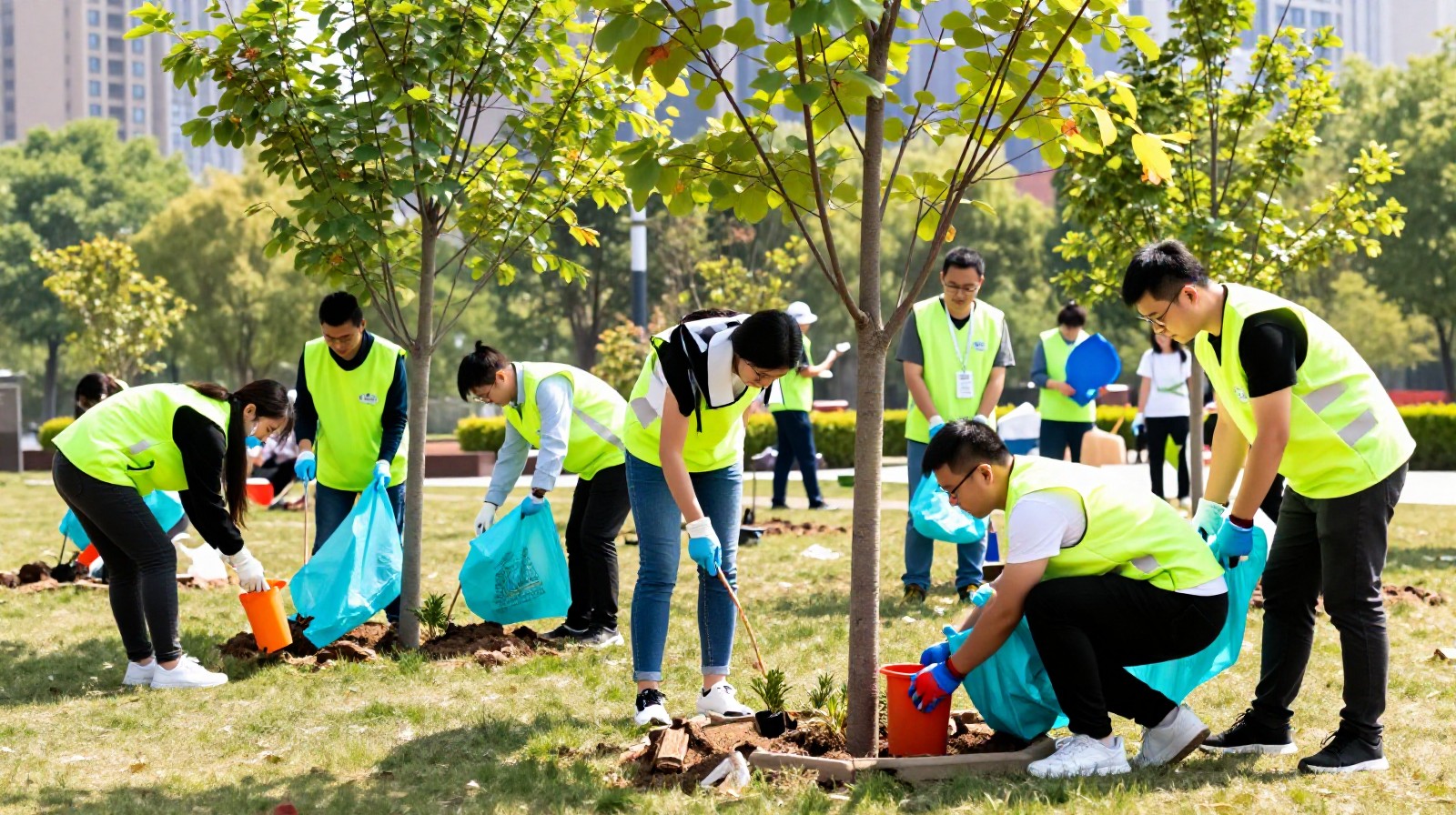
This trend is also reshaping the public’s understanding of charity. When young, successful figures engage in detailed, hands-on philanthropy, it demystifies the process. It shows that giving back doesn’t require billions of yuan; it requires attention, expertise, and time. This has inspired a broader wave of “micro-philanthropy” among the middle class, where people volunteer their skills—whether coding, teaching, or organizing community events—rather than just money.
A Mature Civic Consciousness
The rise of modern philanthropy in China is not just about the wealthy; it is a sign of a maturing civil society. As the middle class expands, so does the expectation that success should be shared. The shift from flashy consumption to substantive contribution marks a cultural milestone.
For overseas observers, this change offers a nuanced view of contemporary China. It suggests that beneath the surface of high-speed growth and technological competition, there is a deepening layer of social reflection. The new status symbol is no longer the loudest logo, but the quietest, most enduring impact on people’s lives.