

The Quiet Counter in a Bustling City
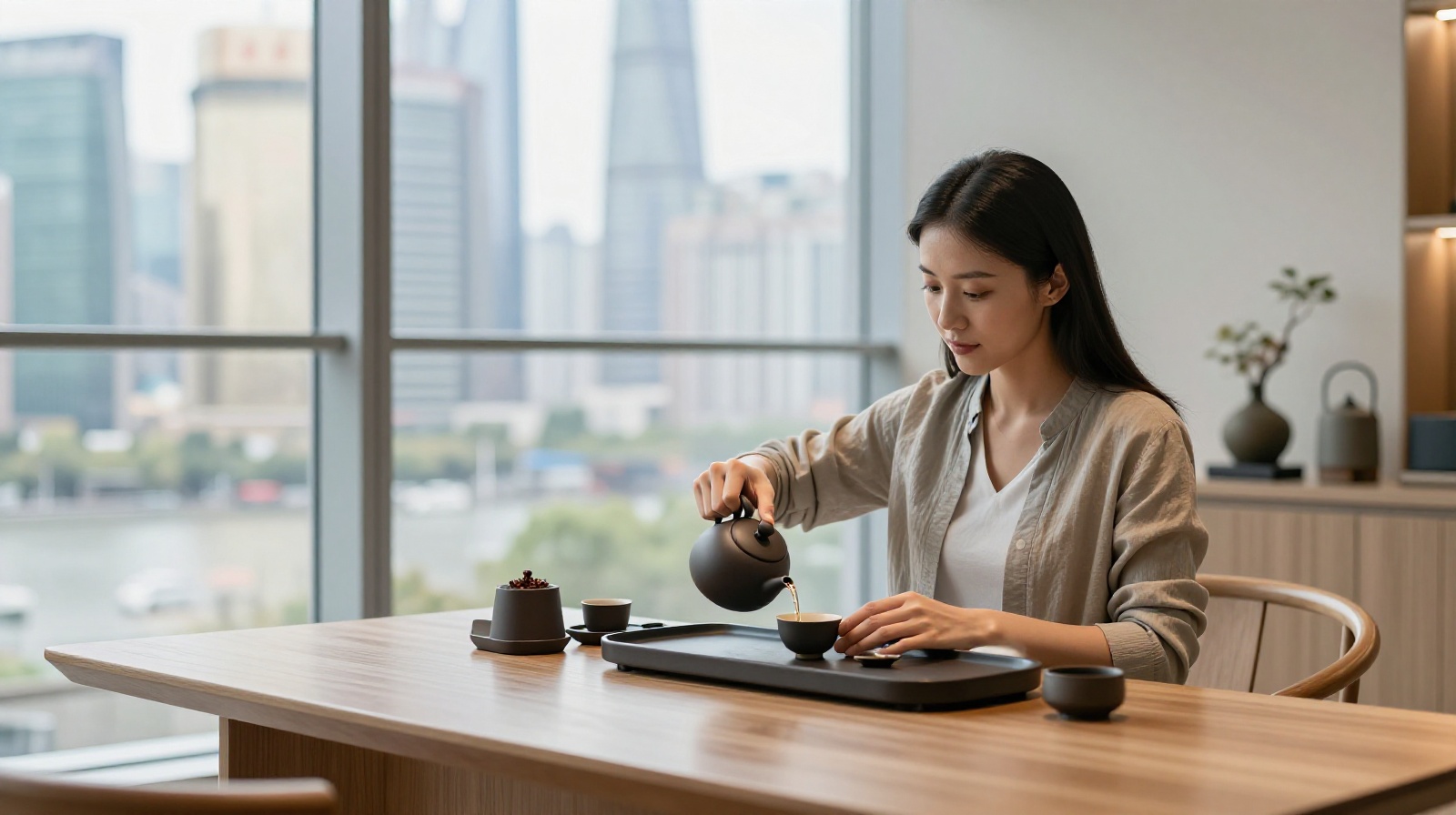
It is 10:30 AM on a Tuesday in Shanghai’s Jing’an District. Outside, the street is a chaotic symphony of electric scooters, honking taxis, and construction cranes. But step inside “Void & Leaf,” a minimalist tea house tucked between two glass skyscrapers, and the noise vanishes.
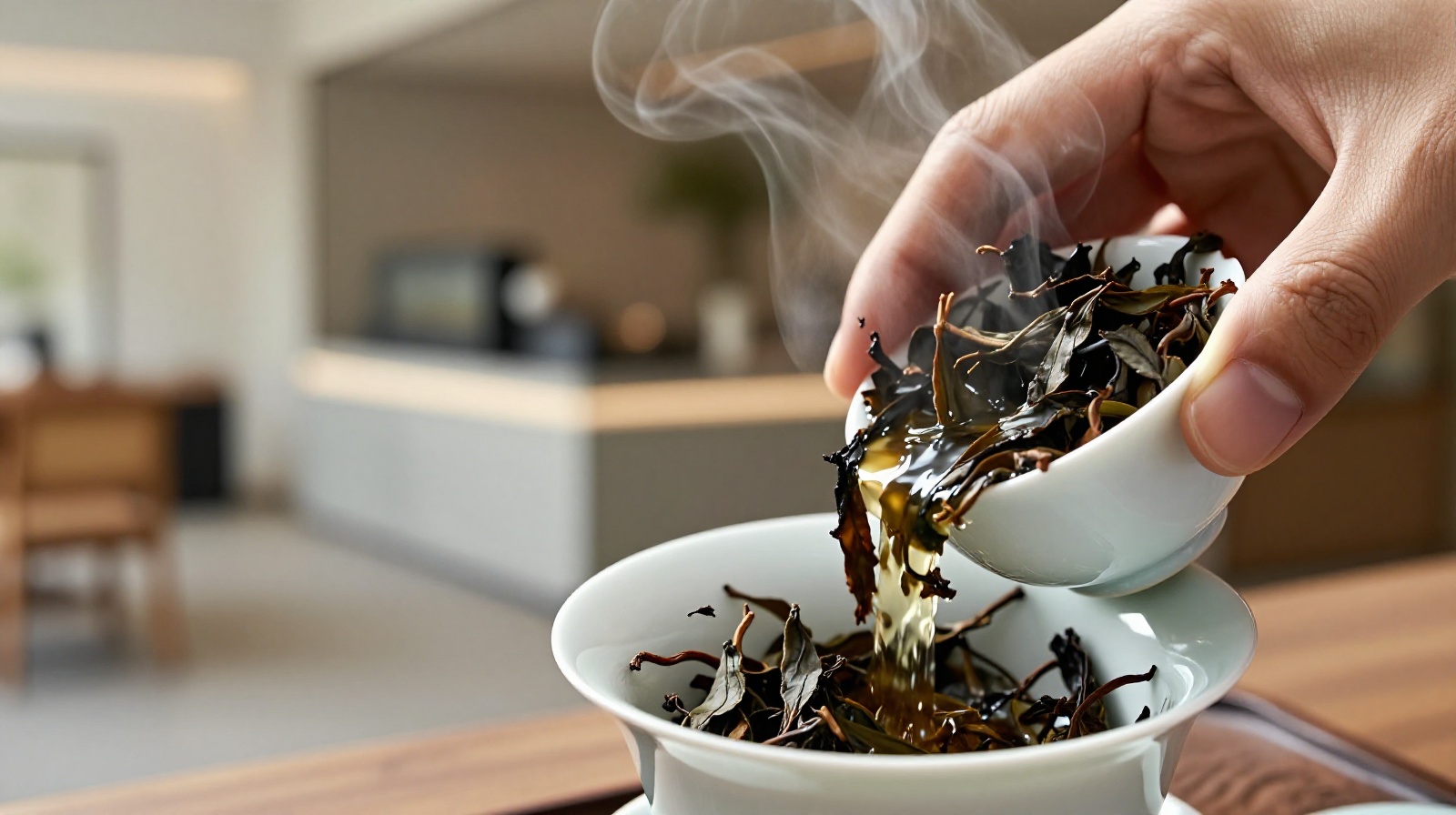
There are no cash registers in sight. No menus pinned to the wall. Instead, a young barista with ink-stained fingers is carefully pouring hot water over a mound of dark, twisted leaves. The only sound is the gentle trickle of water and the soft clink of ceramic cups. A customer, dressed in a tailored suit but wearing sneakers, checks his phone briefly before leaning back, eyes closed, inhaling the aroma rising from the cup.
This scene is becoming increasingly common in China’s tier-one cities. It challenges the old Western stereotype that Chinese tea culture is slow, traditional, and exclusively for the elderly. Today, it is dynamic, expensive, and deeply embedded in the daily lives of urban youth.
Why Pay $500 for a Tin of Tea?
Let’s address the elephant in the room: the price. A small tin of high-quality Wuyi Rock Tea (Yancha) or a bag of single-origin Ethiopian coffee beans can easily cost $50 to $100. For a single tasting session in these specialty stores, prices range from $15 to $30 per person.
Why would a young professional in China, often facing high housing costs and competitive work environments, spend this much on a drink?
The answer lies in the concept of “single-origin” and the pursuit of traceability. In a country where food safety has historically been a concern, knowing exactly where your product comes from is a form of security. A $500 tin of tea isn’t just a beverage; it’s a certificate of authenticity. It tells you the exact mountain, the specific altitude, and sometimes even the farmer who picked it.
For the modern Chinese consumer, this transparency is worth the premium. It transforms a commodity into a story. As Lin, a 28-year-old graphic designer in Hangzhou, told me: “I’m not paying for the leaves. I’m paying for the certainty that nothing has been mixed or adulterated. In a world of filters and fake news, real taste is one of the few things I can trust.”
A New Sensory Vocabulary
If you listen closely to conversations in these tea houses, you’ll hear a vocabulary that sounds more like wine tasting than casual chat. Terms like “rock rhyme” (yan yun), “sweet aftertaste” (hui gan), “floral notes,” and “citrus acidity” are used with the same precision sommeliers use for Bordeaux.
This is not snobbery; it is a growing palate. The younger generation in China has grown up with abundance. Their basic needs are met, so they seek refinement. They are training their tongues to detect subtle differences. A tea from the core area of Wuyi Mountain might have a mineral, stone-like texture, while one from a neighboring valley offers a brighter, fruitier profile.
This obsession with detail reflects a broader shift in Chinese middle-class lifestyle. It’s no longer enough to be full or hydrated. People want experiences that engage all senses. The meticulous brewing process—warming the pot, rinsing the leaves, timing the infusion to the second—is a form of mindfulness in an era of constant digital distraction.
The Third Space for the Digital Native
These spaces have also evolved into new social hubs. Unlike traditional teahouses where people might gossip or play mahjong, these high-end rooms are quiet sanctuaries for focused work or intimate conversation.

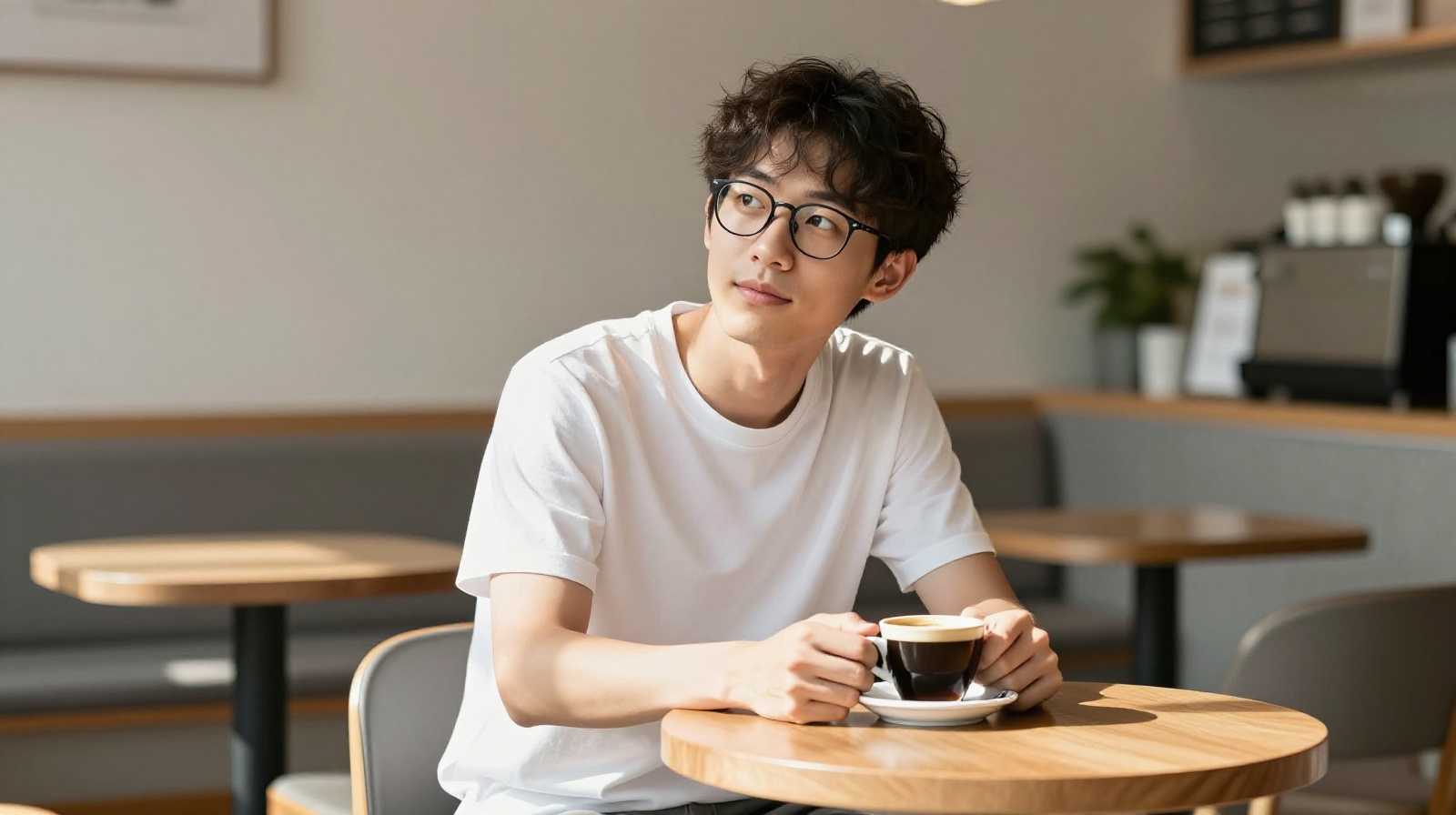
You will often see laptops open next to delicate tea sets. Freelancers, programmers, and writers come here not just for the caffeine or tea, but for the atmosphere. The Wi-Fi is fast, the lighting is designed for photography (a key part of social sharing), and the service is discreet.
It is a “third place” for a generation that spends half their life online and the other half commuting. In these rooms, status isn’t displayed through logos on clothes, but through knowledge of obscure tea varieties or rare coffee processing methods. It is a quiet signal of cultural capital.
Beyond Luxury: A Search for Grounding
Is this just elitism? On the surface, yes. The prices are high, and the spaces can feel exclusive. But dig deeper, and you find a genuine emotional need.
China’s urban life is fast-paced, loud, and often overwhelming. The pressure to succeed is intense. In this context, spending $50 on a cup of tea is an act of resistance against the rush. It is a moment to slow down, to taste, and to reconnect with oneself.
The “obsession” with single-origin products is not about showing off wealth to others. It is about finding a small, controllable piece of authenticity in a complex society. For the young Chinese consumer, every sip is a pause button in a play that never stops.