

The Contrast of Silence and Screens
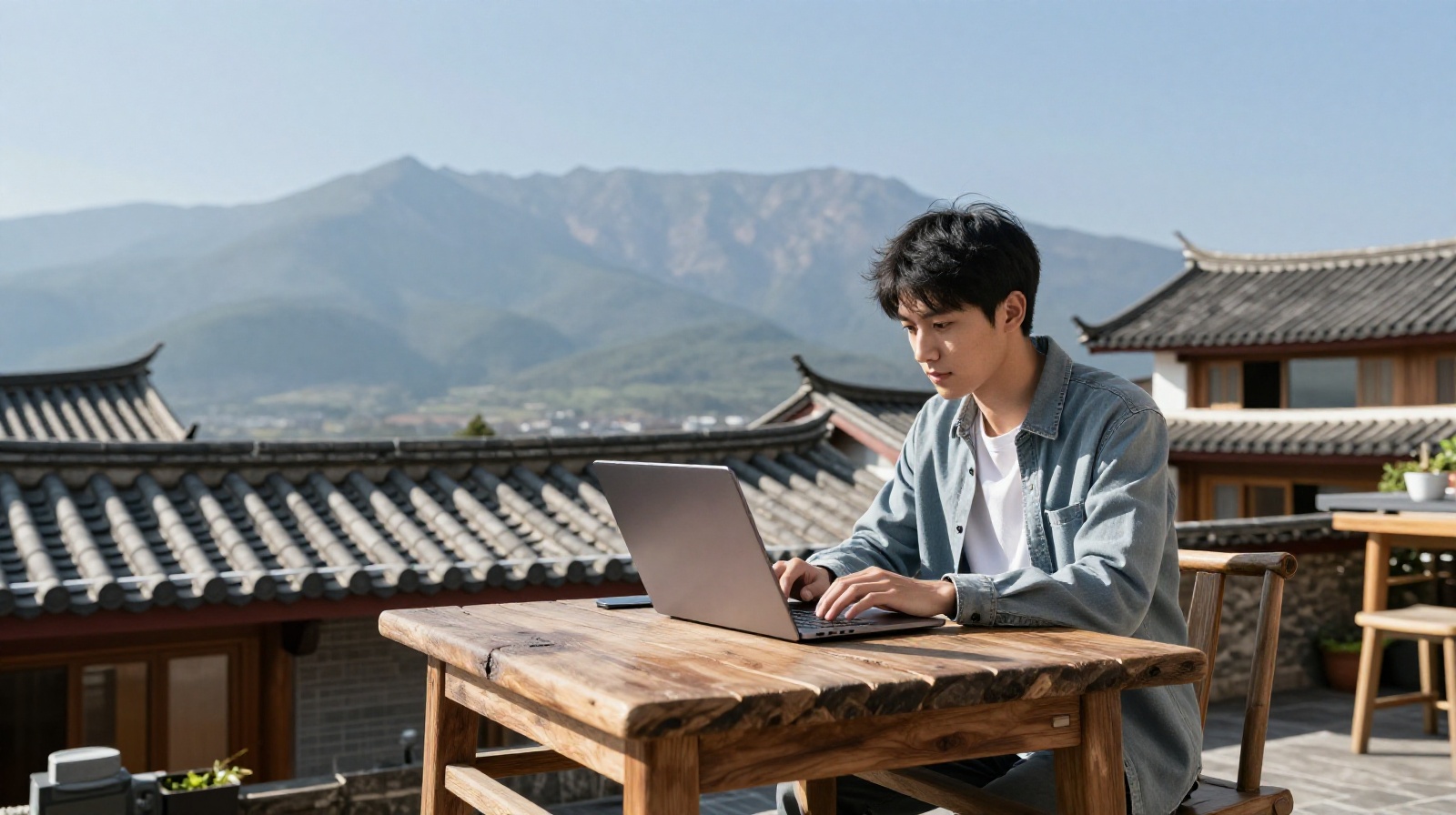
It is 10:30 AM in Dali, Yunnan Province. Outside my wooden window, the morning mist clings to the peaks of Cangshan Mountain. The air smells of pine and damp earth. A local grandmother walks her water buffalo past the courtyard gate, moving with a rhythm that seems untouched by time.
Inside, however, the pace is frantic. On my dual monitors, Slack notifications are pinging from London, Zoom calls are queued for New York, and an urgent code review needs attention for a team in San Francisco. I am managing clients across three continents while sipping pu-erh tea that has been steeping for twenty minutes.
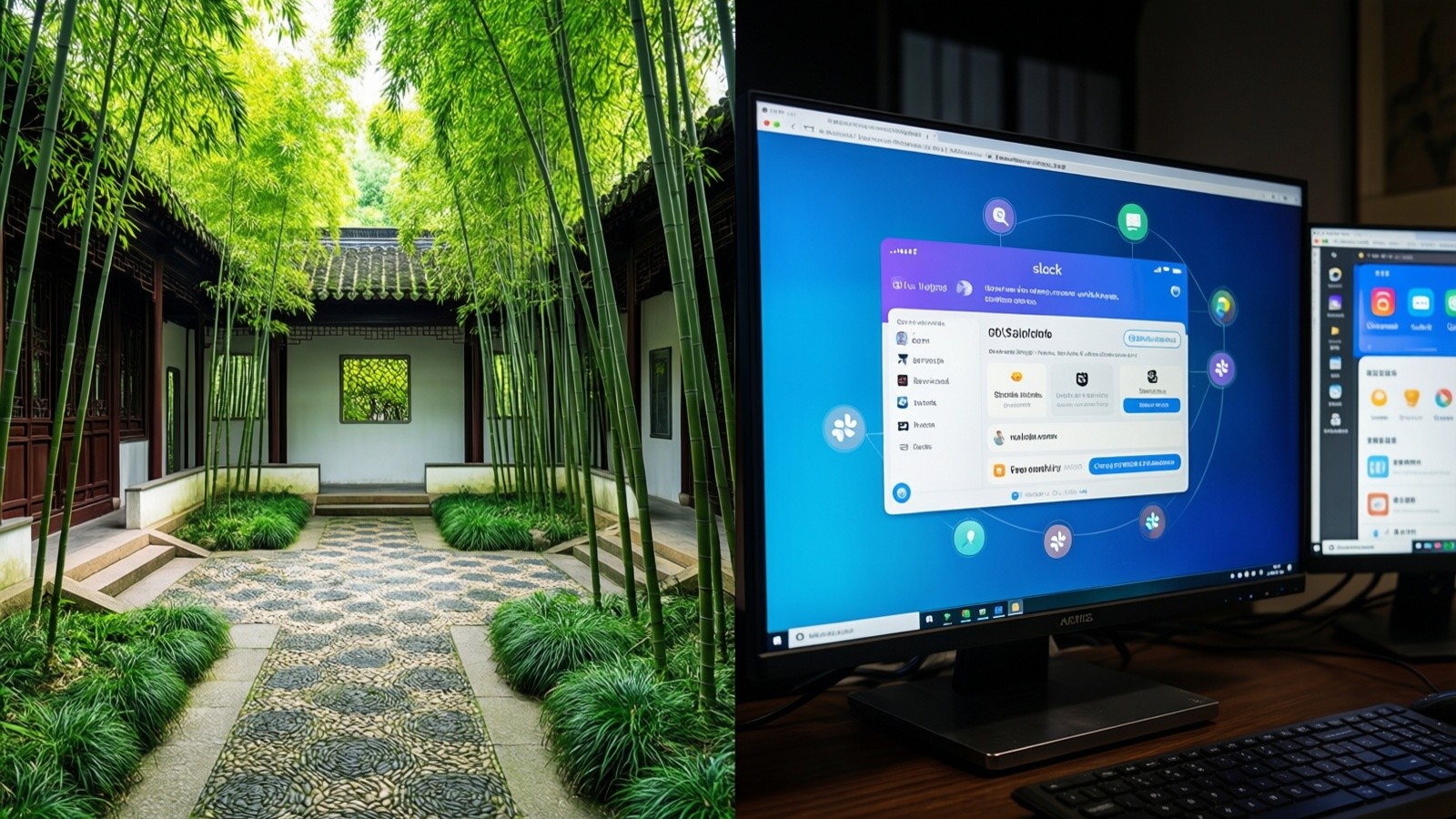
This juxtaposition is the defining tension of modern remote work in China. For years, Western media depicted Chinese cities as hyper-industrialized, crowded, and relentlessly fast. While Beijing and Shanghai certainly fit that description, a new reality is emerging in places like Dali, Lijiang, and Chengdu. Here, the “hustle culture” meets natural serenity. It is not about escaping work; it is about redefining where and how we work.
The Invisible Backbone: Digital Infrastructure
You might wonder: How can I handle high-bandwidth video conferences and large file transfers in a town that was once known primarily for its handicrafts?
The answer lies in China’s digital infrastructure, which often surprises outsiders. In 2023, China launched over 1 million new 5G base stations, creating the world’s largest 5G network. In Dali, while the signal strength varies depending on the mountain’s terrain, the coverage in residential and commercial zones is robust enough for seamless video streaming and cloud collaboration.
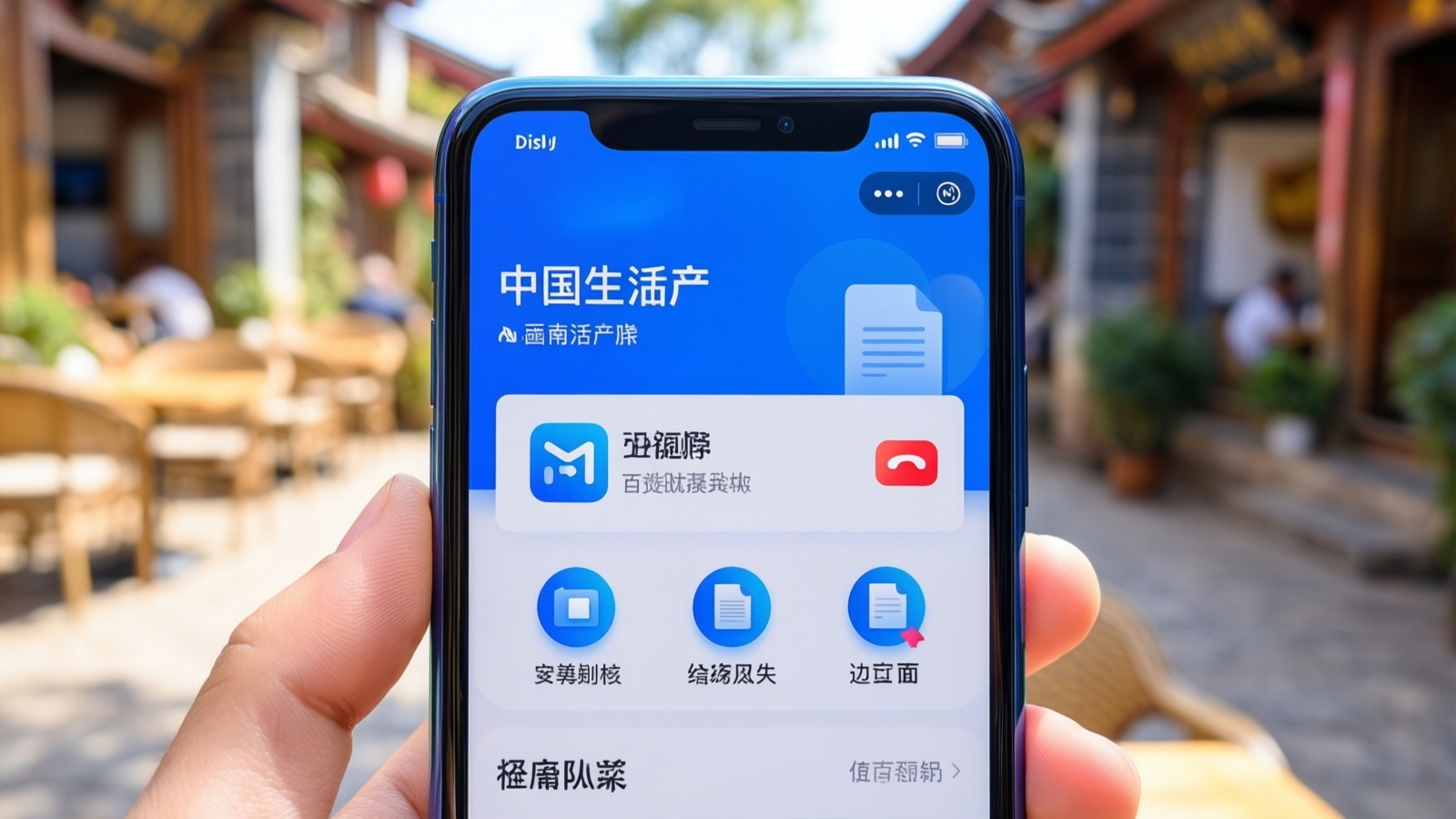
More importantly, the software ecosystem is mature. Tools like DingTalk, Feishu (Lark), and WeChat Work are not just chat apps; they are comprehensive operating systems for productivity. They integrate project management, video conferencing, and document collaboration into a single, mobile-first interface. For a digital nomad, this means I can manage a team of ten people across different time zones from my smartphone while waiting for my coffee.
Why This Matters Globally
For readers in the US or Europe, this highlights a key difference in tech adoption. In many Western companies, employees juggle five different subscriptions (Slack, Zoom, Asana, Google Drive, email). In China’s digital nomad scene, the “super app” logic prevails. Everything is connected. This reduces “context switching” fatigue, allowing workers to stay focused even when their physical environment is distracting.
Mastery of Time: The Async Advantage
Managing clients in London, New York, and San Francisco from China sounds like a recipe for burnout. The secret is not working harder; it is working asynchronously.
I have adopted a strict “async-first” philosophy. Instead of demanding immediate responses, I leave detailed video updates or written briefs that clients can consume at their convenience. When I wake up in Dali, my inbox is full of questions from the US team who are just going to sleep. I answer them with pre-recorded voice notes or detailed documentation, then close my laptop for a hike.

I also leverage automation. My CRM tools automatically schedule meetings based on the overlapping availability of all parties. If a client in New York needs to speak, they book a slot during their evening, which corresponds to my late afternoon—a time when I am most alert after a morning walk.
This approach has fundamentally changed my relationship with time. I no longer view the clock as a master, but as a tool. The fragmentation of the day allows me to integrate life and work, rather than keeping them in separate, rigid boxes.
More Than Just a Vacation: The Dali Community
There is a misconception that digital nomads in Dali are “lying flat” (tang ping)—a Chinese slang term for opting out of societal pressure. While the lifestyle is relaxing, it is not lazy.
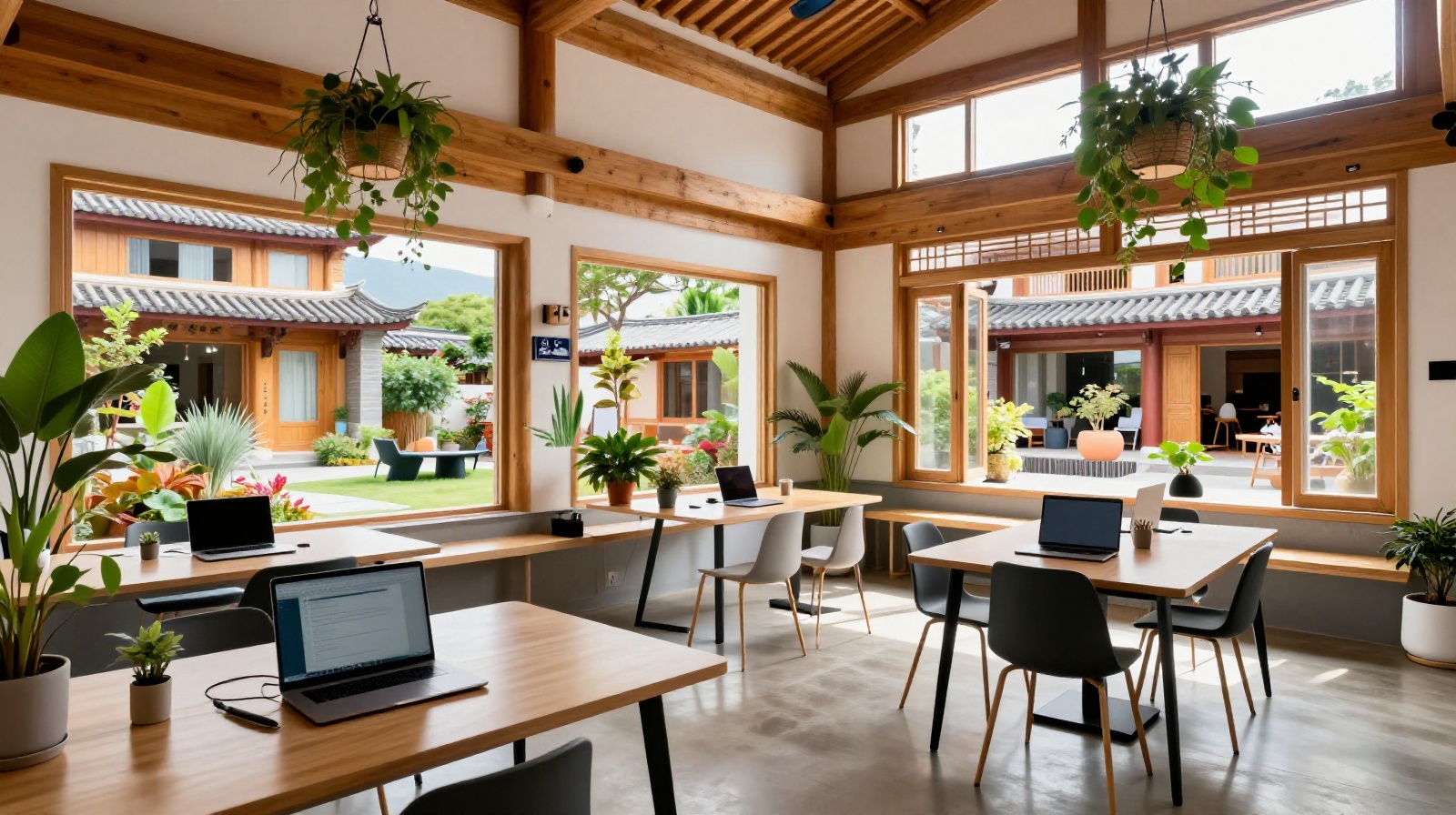
Dali has become a hub for a specific type of professional: tech workers, designers, and content creators who left the high-pressure environments of Shenzhen and Hangzhou. They have formed a tight-knit community. On weekends, we gather at local cafes not just to chat, but to share knowledge. One friend might teach me how to optimize my tax filing for overseas income; another might introduce me to a new local co-working space with better ergonomics.

This social fabric is crucial. Remote work can be isolating. In Dali, the isolation is mitigated by a shared identity. We are not just tourists; we are contributors to the local economy, renting apartments, eating at local restaurants, and supporting the boutique tourism industry that defines the region.
Can You Do It? A Practical Guide
If you are inspired to try this lifestyle, here are three practical realities to consider before packing your bags.
1. Visa Logistics
China does not yet have a dedicated “digital nomad visa.” Most remote workers enter on tourist (L) visas or business (M) visas. While this works for short stays, it is technically a gray area for long-term residence. Some nomads use the visa-free entry policies for eligible passports to extend their stay, but always check the latest immigration rules.
2. Financial Setup
China’s financial system is highly digital but also strictly regulated regarding foreign exchange. You cannot simply wire money from abroad and withdraw it freely. Most nomads use a combination of Chinese bank accounts (for daily expenses) and international payment platforms like Wise or Payoneer (for receiving client payments). Understanding the tax implications in both your home country and China is essential to avoid legal issues.
3. The Psychological Shift
The biggest challenge is not technical; it is psychological. In an office, the boundary between “work mode” and “home mode” is physical. In Dali, your office is your living room. You must be disciplined enough to create rituals. For me, that means changing clothes after work and physically leaving the courtyard for an hour of exercise. Without these boundaries, the blur between life and work can lead to anxiety, not relaxation.
Conclusion
The image of China is shifting. It is no longer just about factories and skyscrapers. It is also about a young generation that values flexibility, mental health, and connectivity over rigid corporate structures. Dali represents this shift: a place where ancient traditions coexist with cutting-edge technology, and where the future of work is being written one courtyard at a time.