

The Room Wasn’t Silent
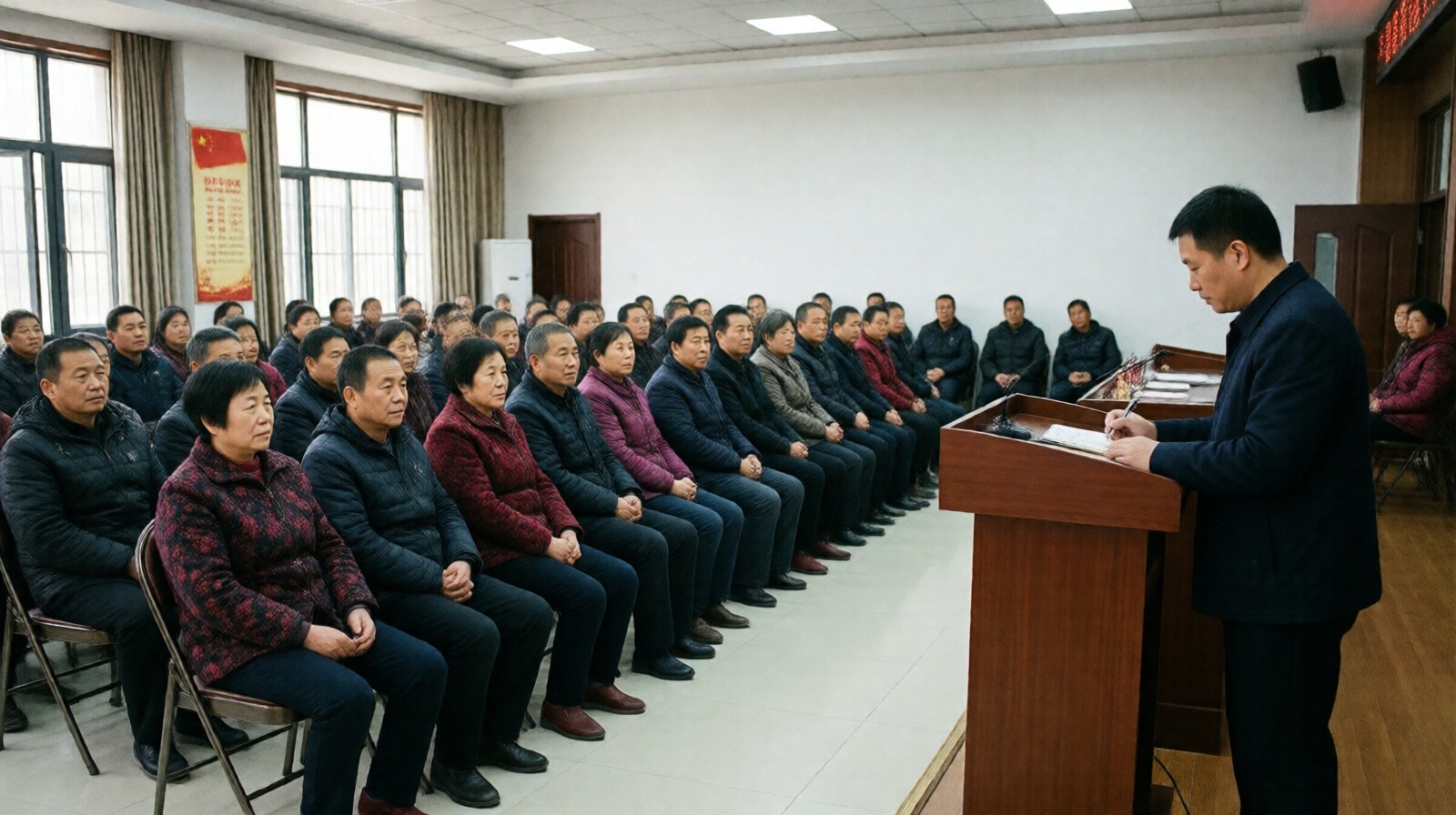
It was 7:15 PM on a Tuesday in late autumn. Inside the community center of a residential complex in Ningbo, Zhejiang, the air smelled faintly of stale tea and damp wool coats. A small wooden podium stood at the front, cluttered with water bottles and stacks of paper. About forty people were packed into folding chairs, mostly middle-aged residents in casual winter clothing.
The local district official, a man in his fifties wearing a simple blue jacket, had just finished reading a report on noise complaints from a new construction site nearby. He looked up, expecting polite applause or perhaps silence. Instead, a woman named Ms. Zhang stood up abruptly.
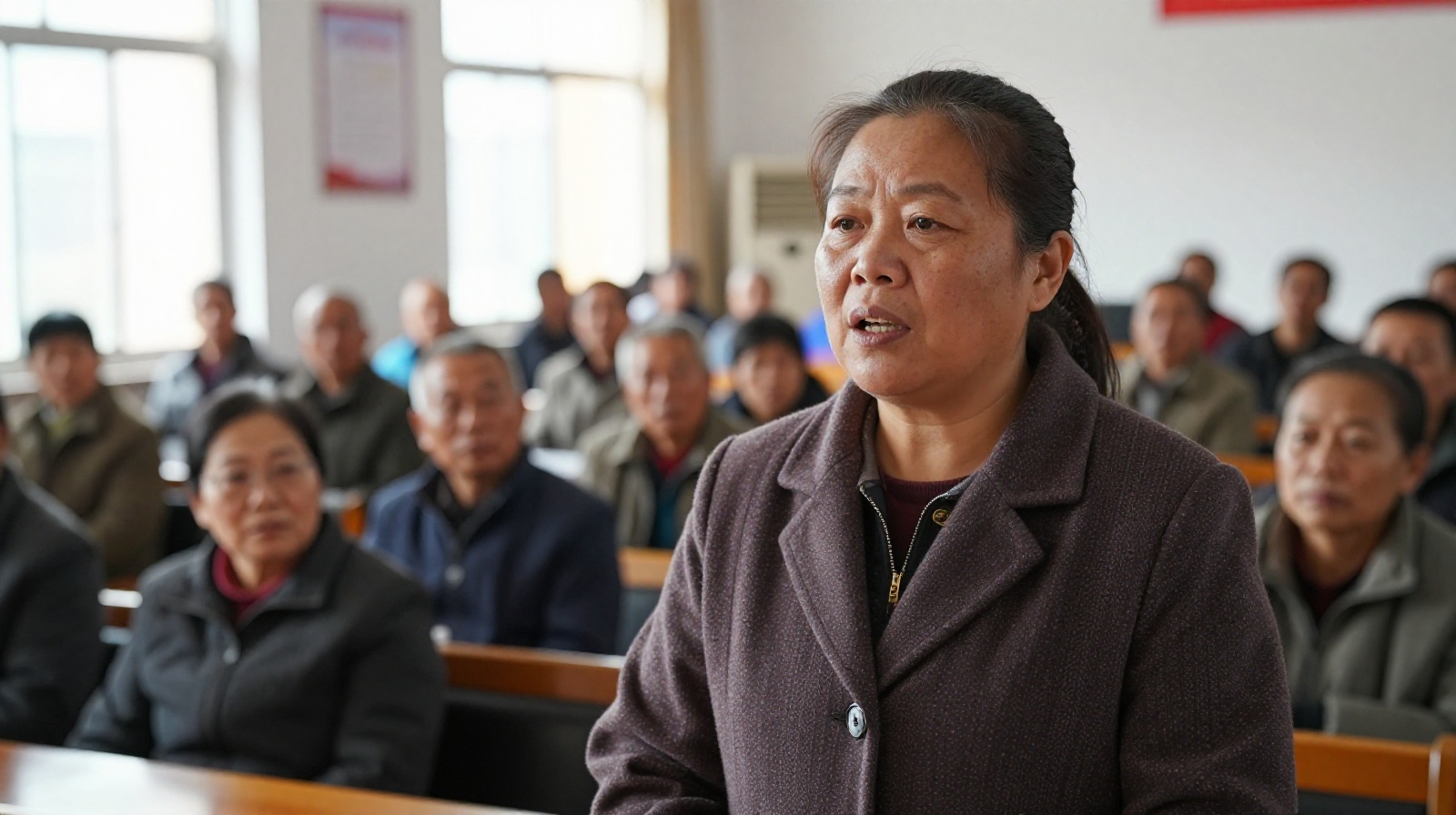
“Mr. Official,” she said, her voice cutting through the hum of the room without shouting. “Your report says you’ve installed sound barriers. But my apartment is still shaking at 6 AM every day when they start drilling. This isn’t enough.”
The room went quiet, but not in a fearful way. It was the silence of anticipation. The official didn’t look annoyed. He pulled out his notebook. “Ms. Zhang,” he said, leaning forward slightly, “I hear you. Can you tell me exactly where your building is relative to the site? We might need to adjust the shift hours.”
Not a Scripted Performance
This scene often surprises foreign observers who assume Chinese local governance is a series of top-down commands with no room for feedback. The reality is far more textured. In China, these community hearings are not ceremonial events designed to show unity; they are friction points where daily problems get aired.
Unlike Western town halls that might be dominated by political posturing or media presence, this gathering was strictly practical. There were no reporters from state television taking notes. There was no camera crew filming for a news segment. It was just neighbors and the few officials responsible for their street.
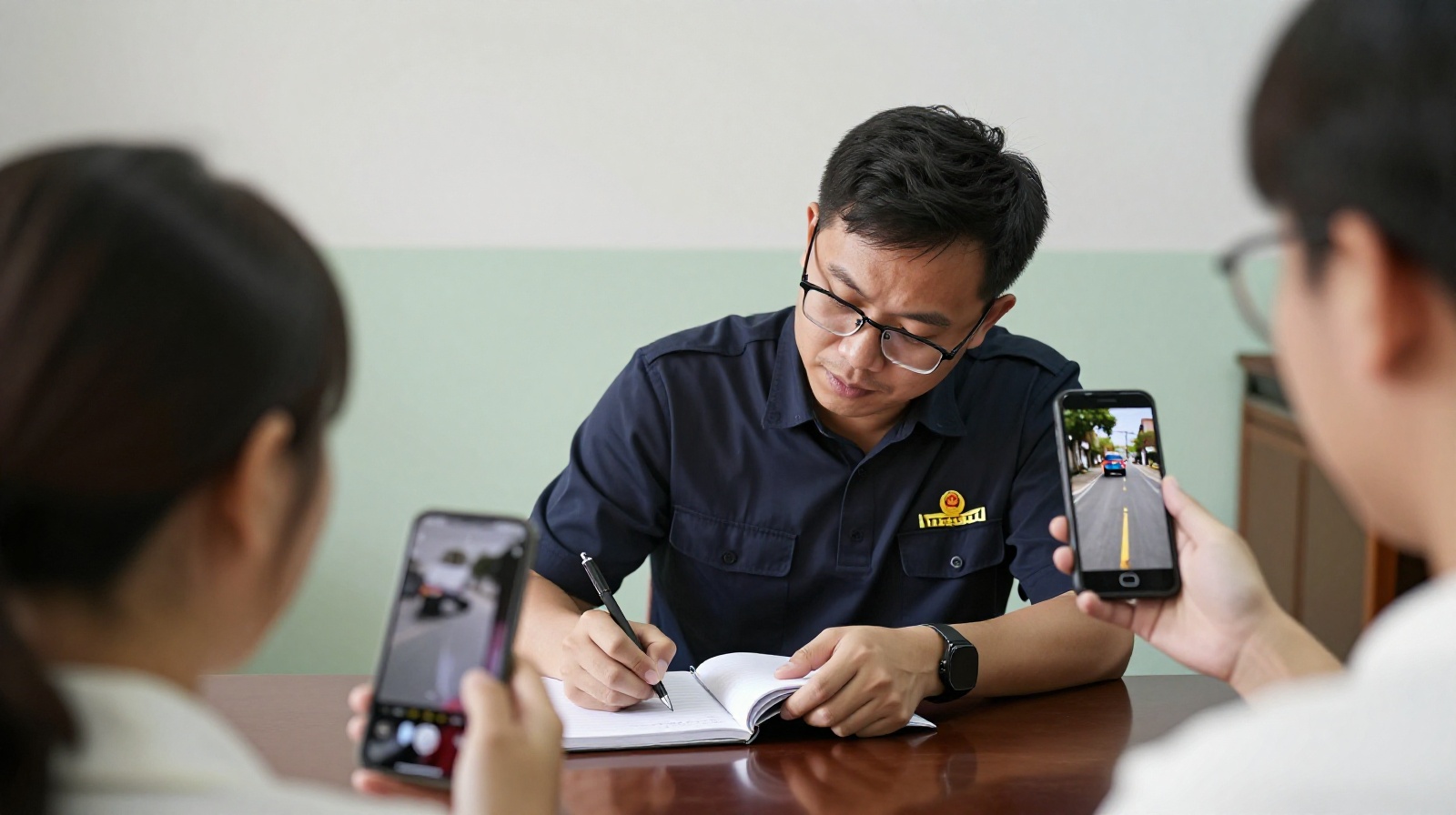
Ms. Zhang wasn’t complaining about policy in the abstract. She wanted specific action: fewer hours of drilling before 7 AM, or better insulation in her window frames. Other residents chimed in. A man named Mr. Li stood up to talk about the chaotic parking situation at the community entrance. “The new security gate blocks the fire lane,” he argued, holding up a photo on his phone. “If an ambulance comes, they can’t get through.”
The official nodded and scribbled furiously. He didn’t deflect with bureaucratic jargon. Instead, he turned to the person next to him—a community manager—and said, “Check the fire lane width immediately. If it’s under three meters, we need a redesign by Friday.”
How the Mechanism Works
The system behind this interaction is often misunderstood as purely consultative rather than participatory. But in practice, the process is rigorous. Before the meeting, community volunteers collect hundreds of suggestions via WeChat groups and physical suggestion boxes. These are categorized by the district office: traffic, environment, sanitation, or safety.
During the hearing, officials from different departments sit in a row at the front. They don’t just listen; they have to answer on the spot. If an issue falls outside their immediate control, they explain the chain of command and set a deadline for a follow-up. This accountability is real because it happens face-to-face with the people affected.
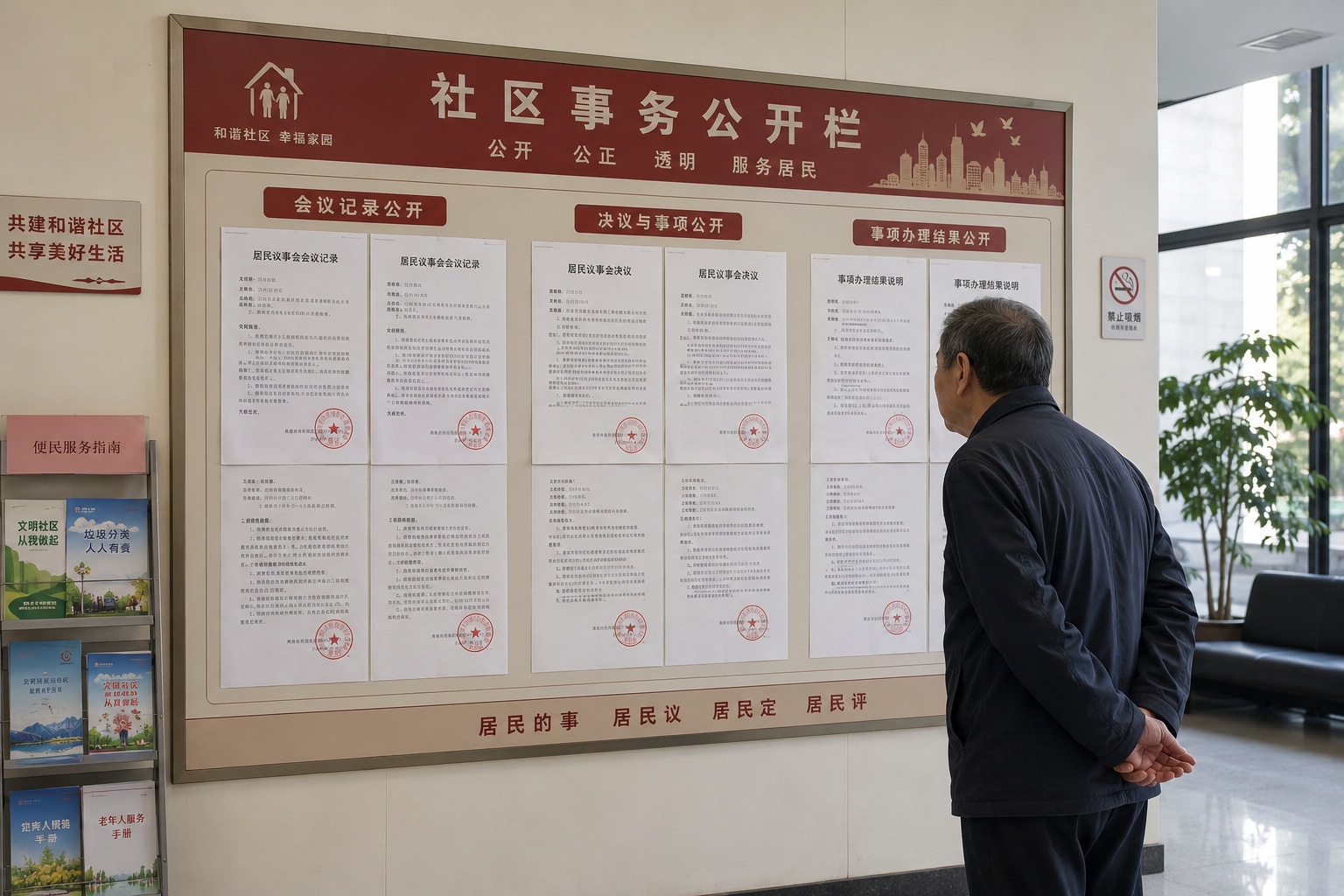
After the meeting, the results aren’t hidden in a government archive. A summary of decisions is posted on a bulletin board in the lobby within 48 hours. Residents can check if their specific complaint was addressed and what the timeline is. If nothing changes, they know to bring it up again next month.
Why This Matters for Outsiders
For international readers, this dynamic offers a different lens on Chinese society. It challenges the narrative that citizens are merely passive observers of state power. While national-level politics operates differently, local governance is deeply rooted in problem-solving.
This “face-to-face” approach has tangible benefits. Problems like garbage sorting, noise pollution, or parking shortages are resolved faster because the feedback loop is short. The official sees the resident’s face; the resident hears the official’s constraints. It creates a shared responsibility for the neighborhood’s condition.
It also reveals a cultural preference for stability and order. People aren’t protesting to change the system; they are negotiating within it to make their lives better. The goal isn’t ideological victory, but practical improvement. When the drilling stops or the fire lane is cleared, that is a success story worth telling.

From Bystander to Partner
As the meeting wound down, the atmosphere shifted from tense to collaborative. Ms. Zhang and Mr. Li exchanged a nod with the official. They weren’t enemies; they were partners in managing their shared space.
This is the reality of local governance in many parts of China today. It’s not perfect. Bureaucracy can still be slow, and some issues take weeks to resolve. But the channel for expression is open, direct, and effective. Ordinary people have a voice, and when they use it, officials are expected to listen.
For those watching from abroad, the lesson is simple: Look beyond the headlines about control and look at the community centers where real life happens. That’s where the story of modern China is being written, one neighborhood meeting at a time.