

The Offer and the Decision
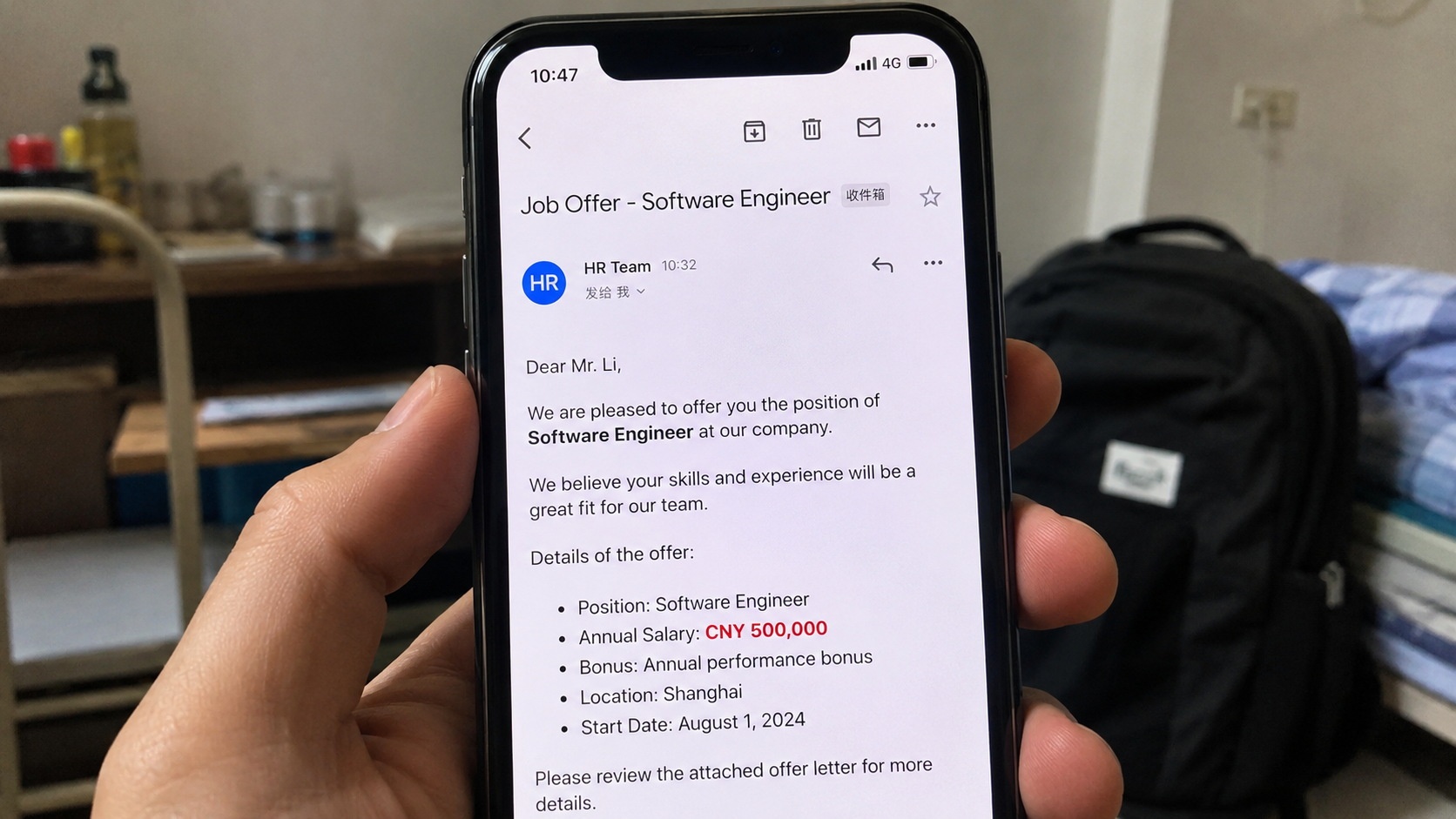
Lin Hao stared at the email on his phone. It was an offer from a top-tier investment bank in Shanghai, with a starting salary that would make most of his classmates envious. By all conventional metrics, this was the golden ticket.
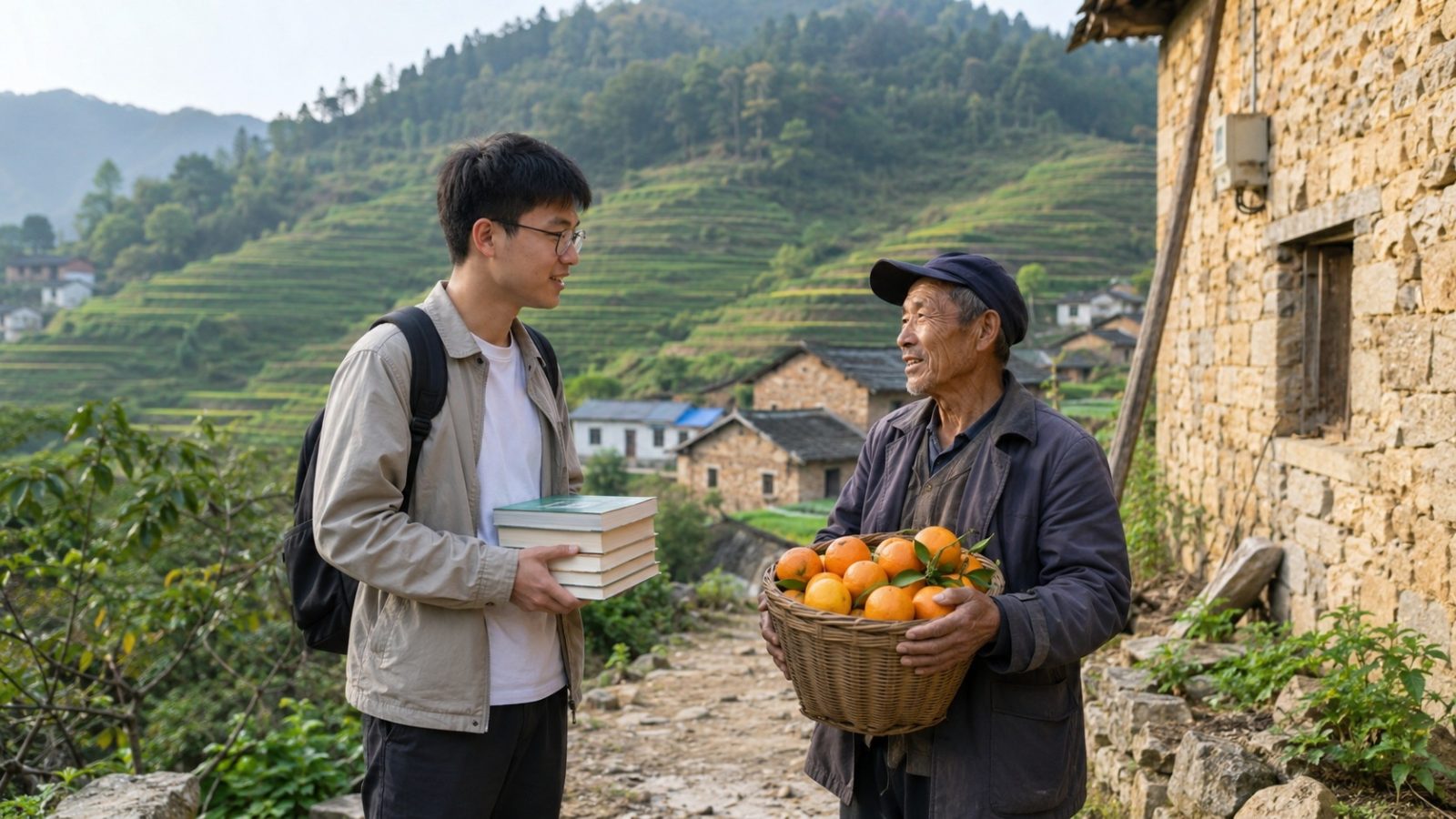
Instead of celebrating, Lin packed a single suitcase. He was heading west, to a village in Guizhou province, over 1,000 kilometers away. His plan was simple: spend one year teaching English and helping with local agricultural e-commerce before starting his “real” career.
More Than Just Charity
For many Western observers, the idea of elite students volunteering in rural areas might seem like altruism. But for Lin and his peers, it is often a response to a phenomenon known as “involution” (neijuan)—a fierce, often meaningless competition for limited resources in cities.
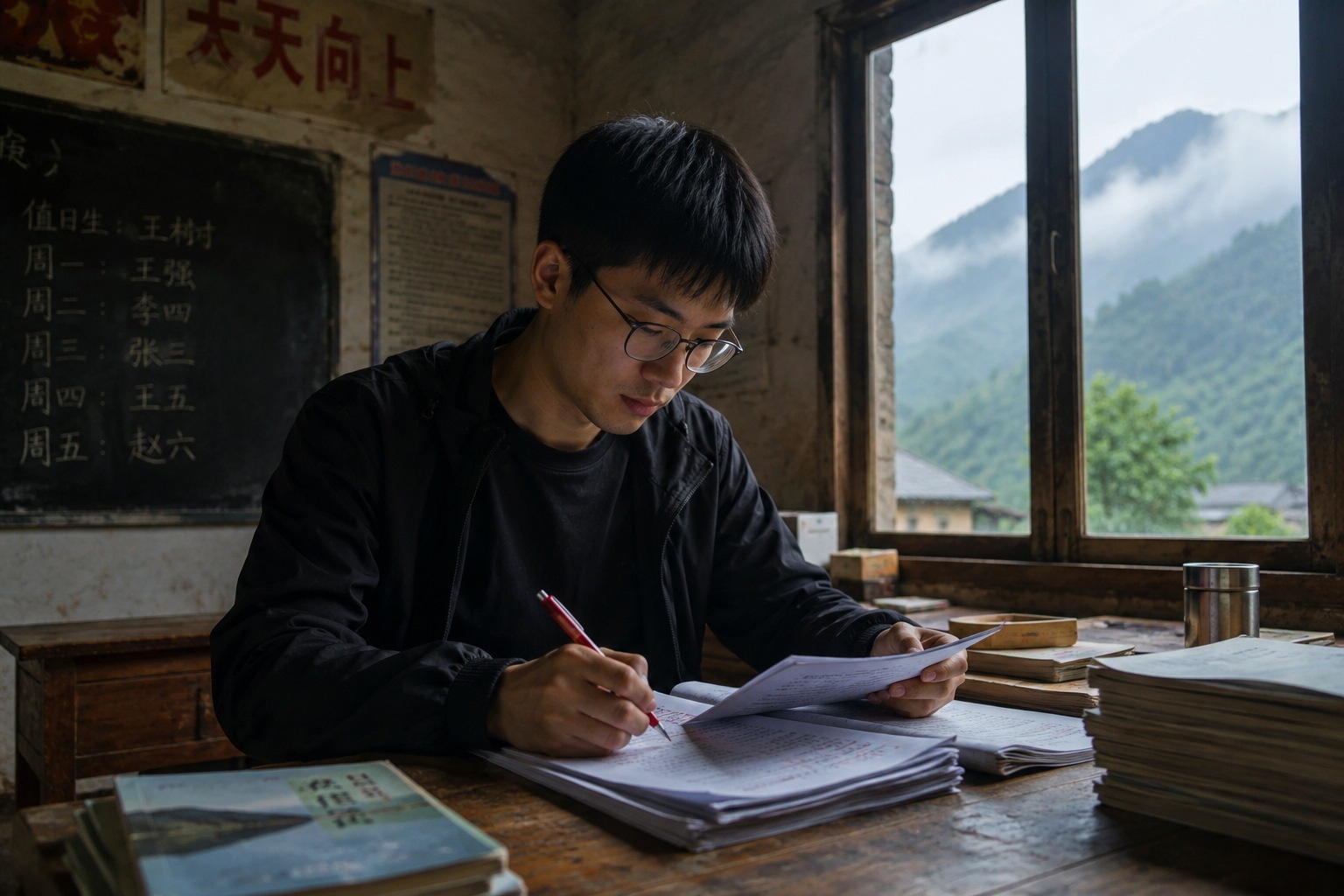
“In the city, everyone is running on a treadmill,” Lin explained during a break from grading papers at a dimly lit village desk. “You work 9-to-9, six days a week, just to stay in the same place. Here, the pace is different. I feel like I can breathe again.”
This gap year trend is not new, but its demographic has shifted. It is no longer just idealistic students seeking adventure. It is increasingly composed of high-achieving graduates from top universities who are questioning the traditional definition of success.
Reality Check in the Mountains
The reality of village life is far from the romanticized vision often portrayed in social media. The internet connection is unstable. The food is simple, often just spicy vegetables and rice. And the work is physically demanding.
Lin’s days start at 6:30 AM. After helping students with morning reading, he spends his afternoons helping local farmers set up live-streaming accounts to sell their oranges. It is not easy. The farmers are skeptical of the technology, and the market is unpredictable.
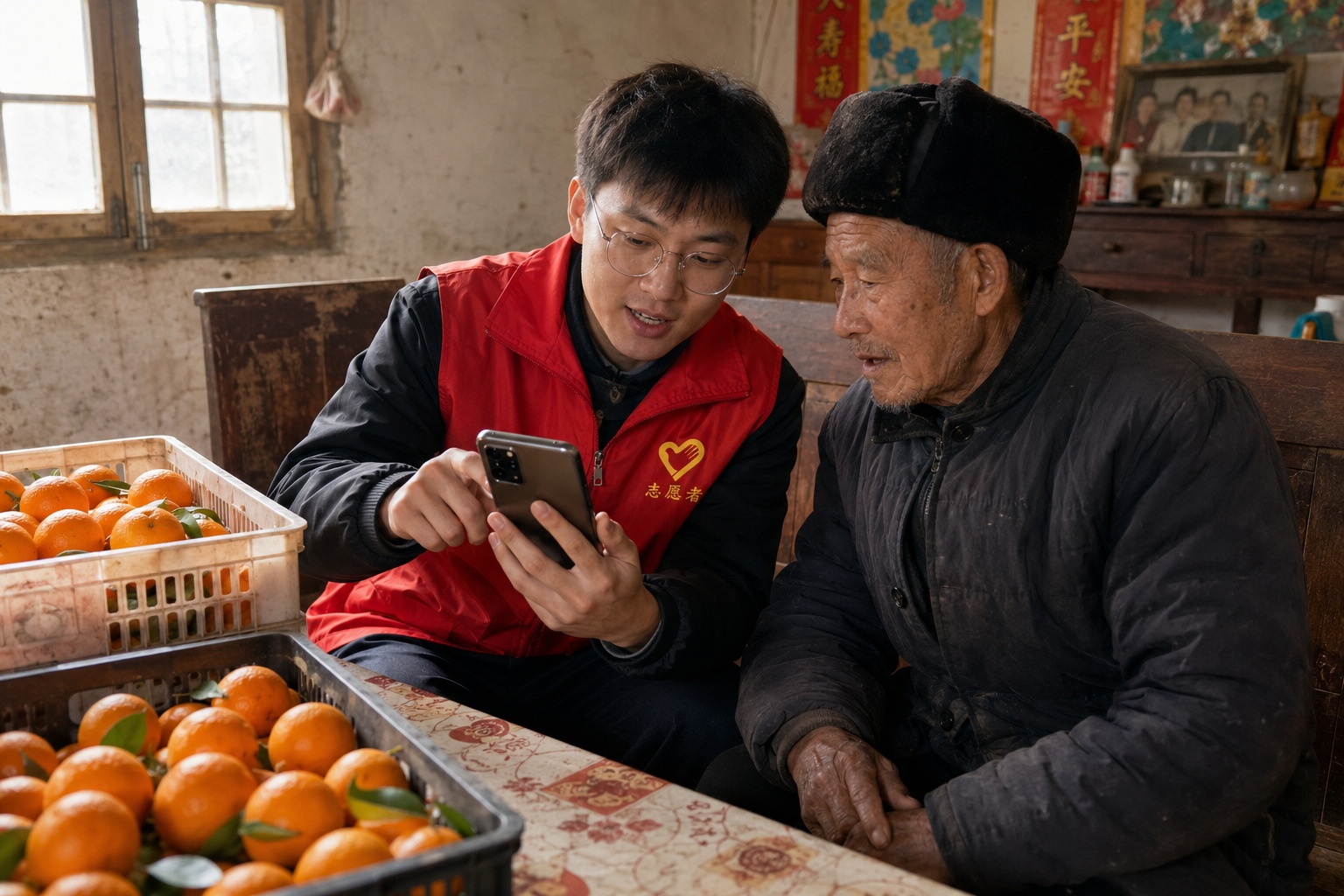
“I thought I could just teach,” Lin admitted. “But I quickly realized that teaching is only half the job. The other half is understanding why these families struggle and how to help them navigate a modern economy they don’t fully understand.”
From Escape to Engagement
This shift marks a significant change in Chinese youth values. For decades, the dream was to leave the countryside for Beijing, Shanghai, or Shenzhen. Now, there is a growing movement of “returning” to the roots, not out of necessity, but out of choice.
It is a move from “escaping the big city” to “rooting in the village.” This is not about abandoning ambition, but redefining it. Success is no longer just about salary; it is about impact and personal growth.
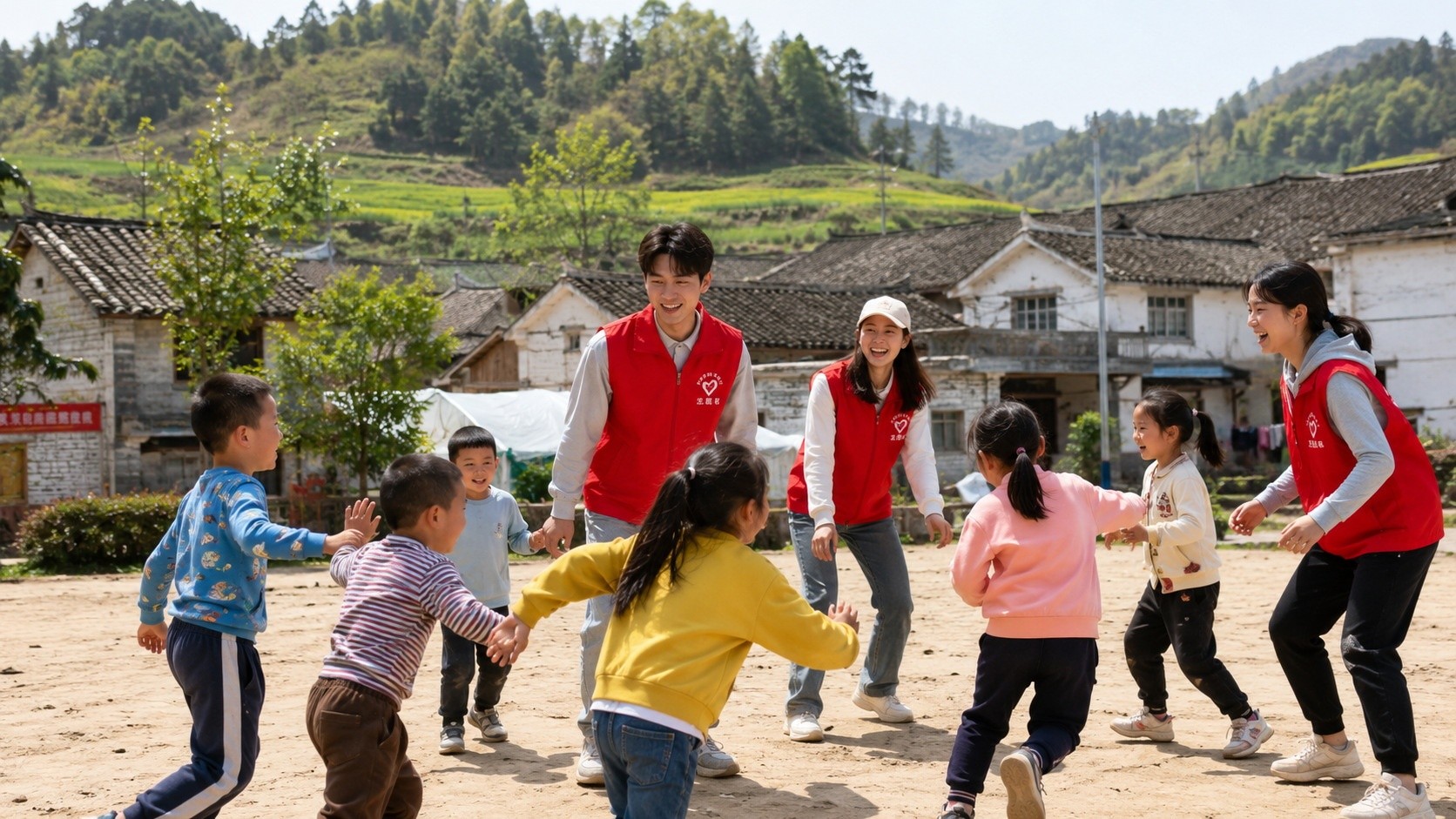
Bridging the Cognitive Gap
For the rural communities, these young volunteers bring more than just teaching skills. They bring a bridge to the wider world. They help villagers understand digital tools, e-commerce, and the broader economic landscape.
For the students, the experience is transformative. It shatters stereotypes. Many enter with preconceived notions of poverty, only to find vibrant communities with complex social structures and strong resilience.
This gap year is not a pause in their careers; it is an investment in their worldview. By stepping out of their comfort zones, these young elites are gaining a deeper understanding of the China they will eventually lead. And in doing so, they are helping to narrow the cognitive gap between the urban elite and the rural majority.