

Introduction
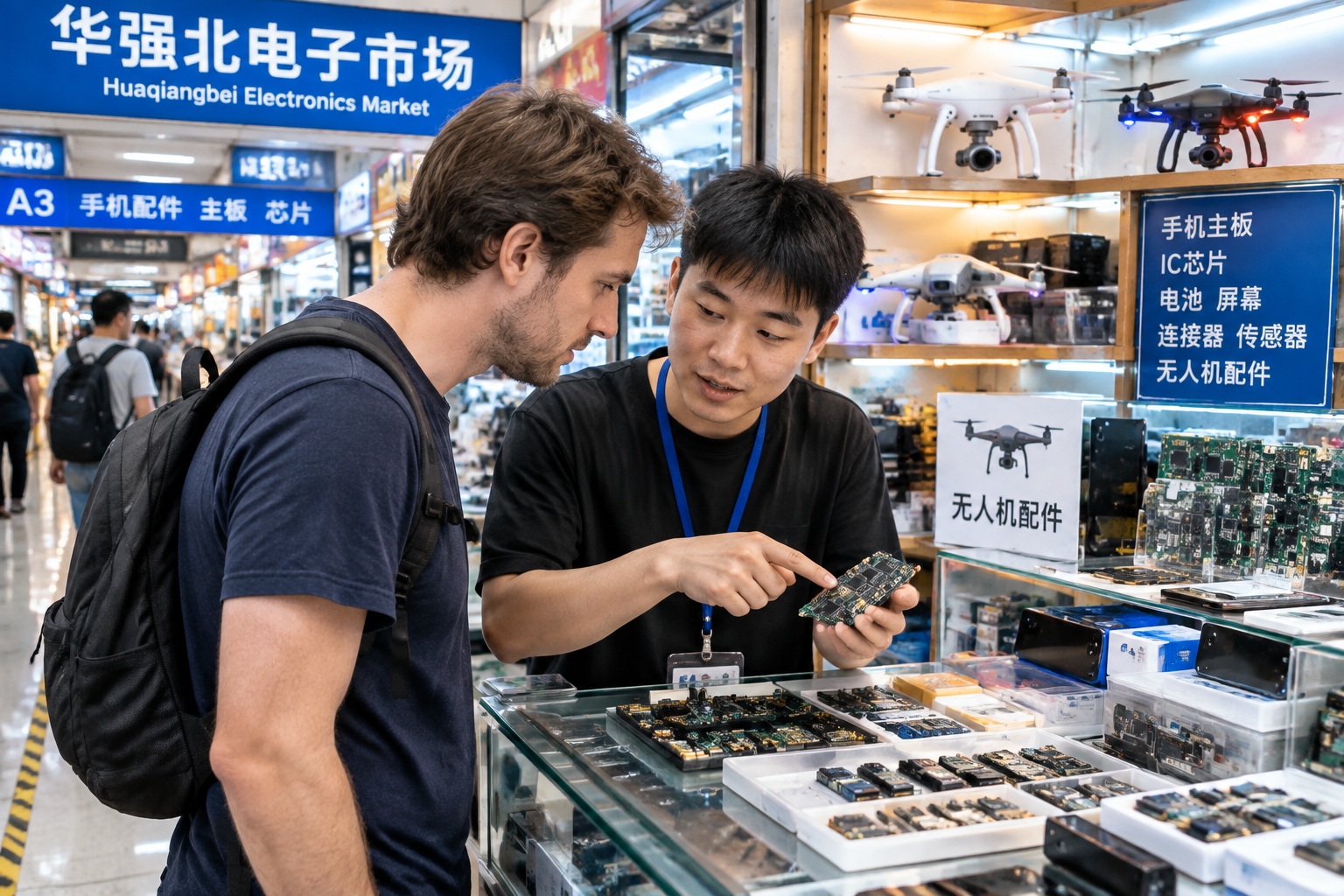
The first time I walked through Huaqiangbei in Shenzhen, I thought my phone had died. Not battery-wise, but functionally: every gadget I’d ever seen in a tech review was stacked in front of me, wrapped in plastic, humming with power banks and blinking LED lights. A vendor handed me a drone the size of my palm and said, “Test it here.” I flew it over a row of solder irons.
That moment sums up a lot about China’s tech scene. It’s not hidden in faraway research parks. It’s on the street, in conversations, and in the way ordinary people use, adapt, and sometimes even re-engineer things. If you want to understand where Chinese tech is going, the fastest way is to get on a plane and see three cities that shape the story: Shenzhen, Hangzhou, and Beijing.
This guide is built from my own trips and conversations with local founders, engineers, and shop owners. You don’t need to speak Mandarin or have a business contact list to start. You just need curiosity and about ten days.
The 10-Day Route: How to Connect the Dots
Think of these three cities as different layers of China’s tech stack:
Shenzhen is the hardware layer. It turns ideas into physical products, fast.
Hangzhou is the platform layer. It’s where consumer internet, e-commerce, and fintech meet daily life.
Beijing is the frontier layer. It hosts research institutions and AI companies tackling problems that may take a decade to solve.
For a first visit, I recommend this split:
- Days 1-4: Shenzhen – get comfortable with hardware and manufacturing
- Days 5-7: Hangzhou – see how digital platforms scale
- Days 8-10: Beijing – dive into AI and academic innovation
Each city is a flight or bullet train ride away. Shenzhen to Hangzhou is about a two-hour flight. Hangzhou to Beijing is around four hours by high-speed rail.
You can always swap days if you have specific meetings. But this order has a natural flow: you see things being made, then you see them being distributed, then you see what might come next.
Shenzhen: Where Hardware Gets Hands-On
Huaqiangbei: More Than a Market
Start at Huaqiangbei, a district that looks like a mall city. The main buildings—SAI, Huaqiang Electronics World, Seg Electronics Market—are open corridors packed with hundreds of stalls. You’ll find every connector, chip, and display in existence, and some that haven’t made it to overseas catalogs yet.
This is not a tourist trap. It’s where hardware startups source components and where lone inventors scout for parts. Stop by the counter that sells camera modules, talk to the woman who runs a keyboard switch stall, and you’ll hear how quickly supply chains adapt. More importantly, you’ll see something that surprises many visitors: the line between buyer and seller blurs. People come with a rough idea and leave with a prototype kit.
Keep in mind: bargaining is fine, but keep conversations light. The real value is not in saving a dollar on a USB cable—it’s in watching how a global hardware ecosystem operates at street level.
Beyond the Market: The Tech Park Scene
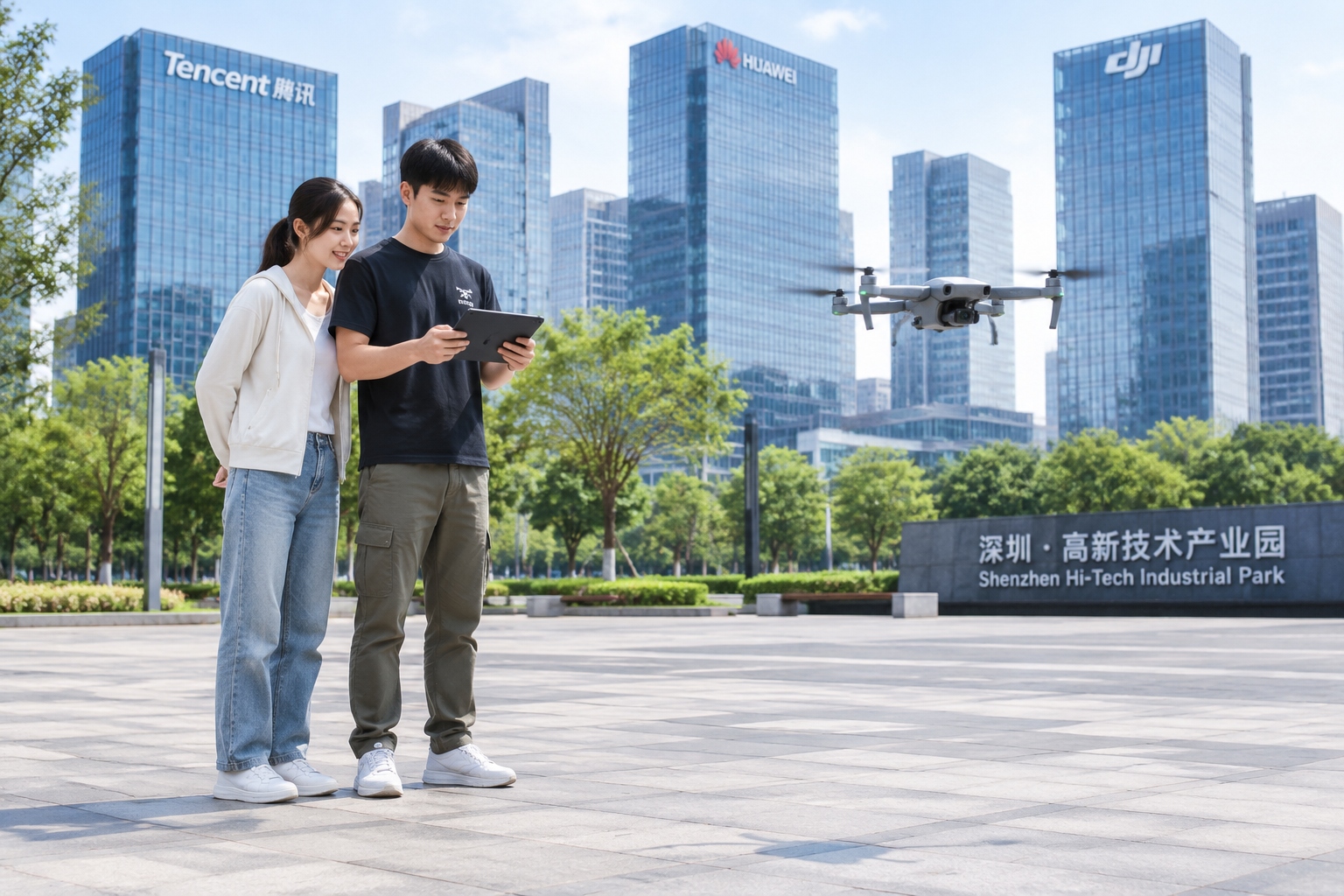
Just a few metro stops away is Shenzhen High-Tech Industrial Park (often called “Tech Park”). Here, glass towers house companies like DJI, Tencent, and many robotics startups you’ve never heard of. The vibe is different: open lobbies, young engineers carrying mechanical keyboards, and coffee shops where “supply chain” is a verb.
Most campuses are not open to the public. But you can attend meetups at spaces like Chiwan Container Crafts or visit an accelerator such as HAX (by SOSV) if you email in advance. Otherwise, just walk around the area near the Houhai metro station in the evening. You’ll see groups of engineers testing drones and robots in the plazas. Ask if you can watch, and you’ll usually get a nod.
Hangzhou: The City Alibaba Built (and Beyond)
A bullet train from Shenzhen to Hangzhou lands you in a very different tech world. Here, the focus shifts from physical hardware to the invisible infrastructure of everyday life.
Visiting Alibaba’s Campus
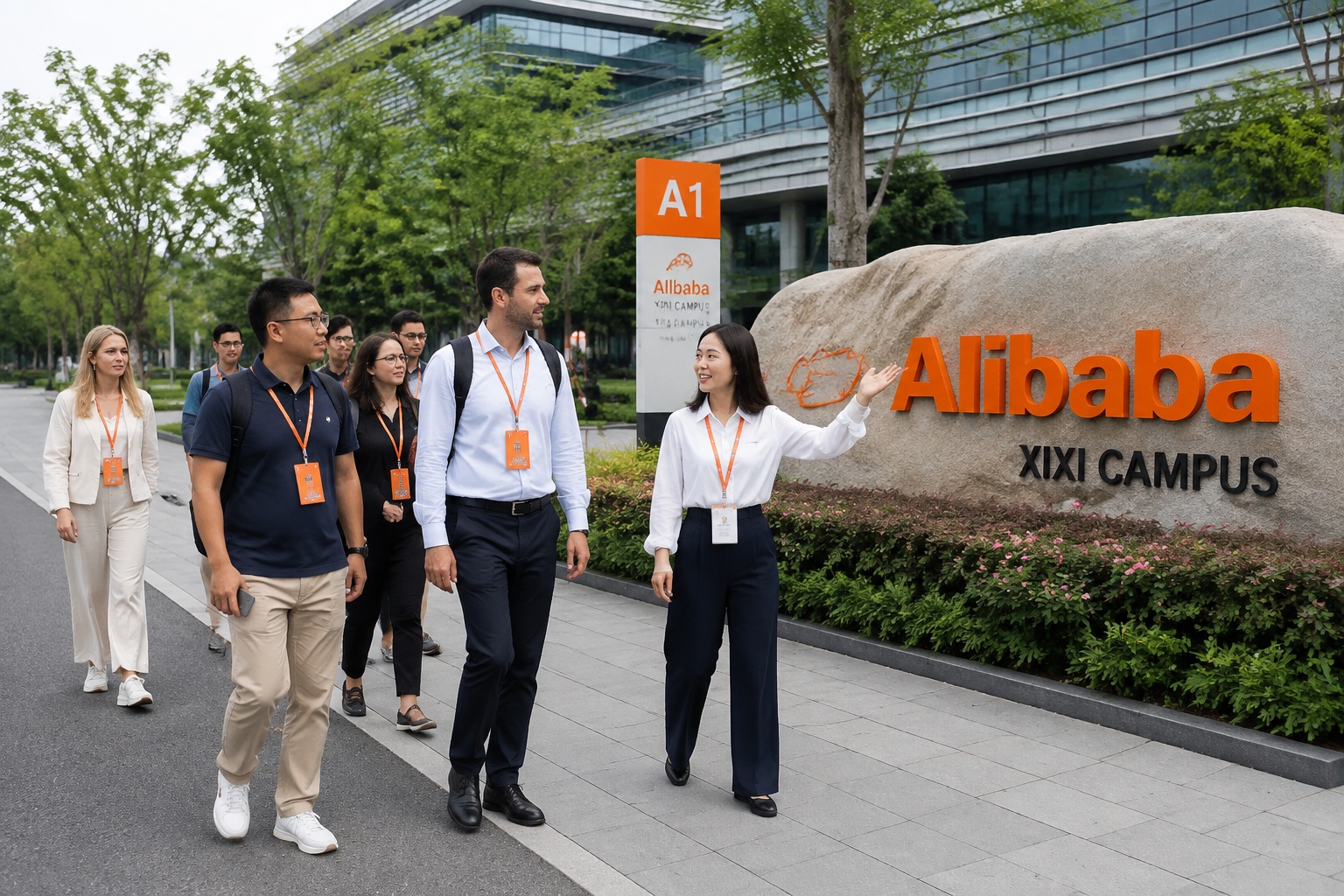
Alibaba’s headquarters in the Xixi Campus is not a single building—it’s a small town. There are shuttle buses, riverside walkways, and even a museum about the company’s history. The campus itself is closed to casual visitors, but you can request a visit through an Alibaba contact or join a public event like “Ali Day” if you know someone inside. Alternatively, look up when the campus has open innovation showcases, which happen a few times a year.
If you can’t get in, don’t worry. The influence of Alibaba is visible everywhere around you. Take out your phone and pay for a snack using Alipay—the QR code is as common as cash used to be. Or order something on Taobao and notice how fast it arrives. That’s the real lesson: this is not about a building, but about how a company rewired an entire city’s habits.
The Digital Ecosystem Around It
Spend a day in Hangzhou’s future tech hub, the Dream Town area. It’s a startup district supported by the local government, with low-rent offices and mentoring programs. You’ll find small teams building e-commerce tools, logistics software, and consumer apps. If you’re thinking of partnering with a Chinese tech company, Dream Town is where many of the smaller specialists operate.
Also try the West Lake area, not for tech, but for contrast. The mix of ancient temples and tech offices is weirdly inspiring. It reminds you that innovation doesn’t happen in a vacuum.
Beijing: From Research Labs to AI Unicorns
End your trip in Beijing, where the pressure feels different. This is the capital, and many decisions that shape China’s tech future are made here.
Zhongguancun: China’s Silicon Valley?
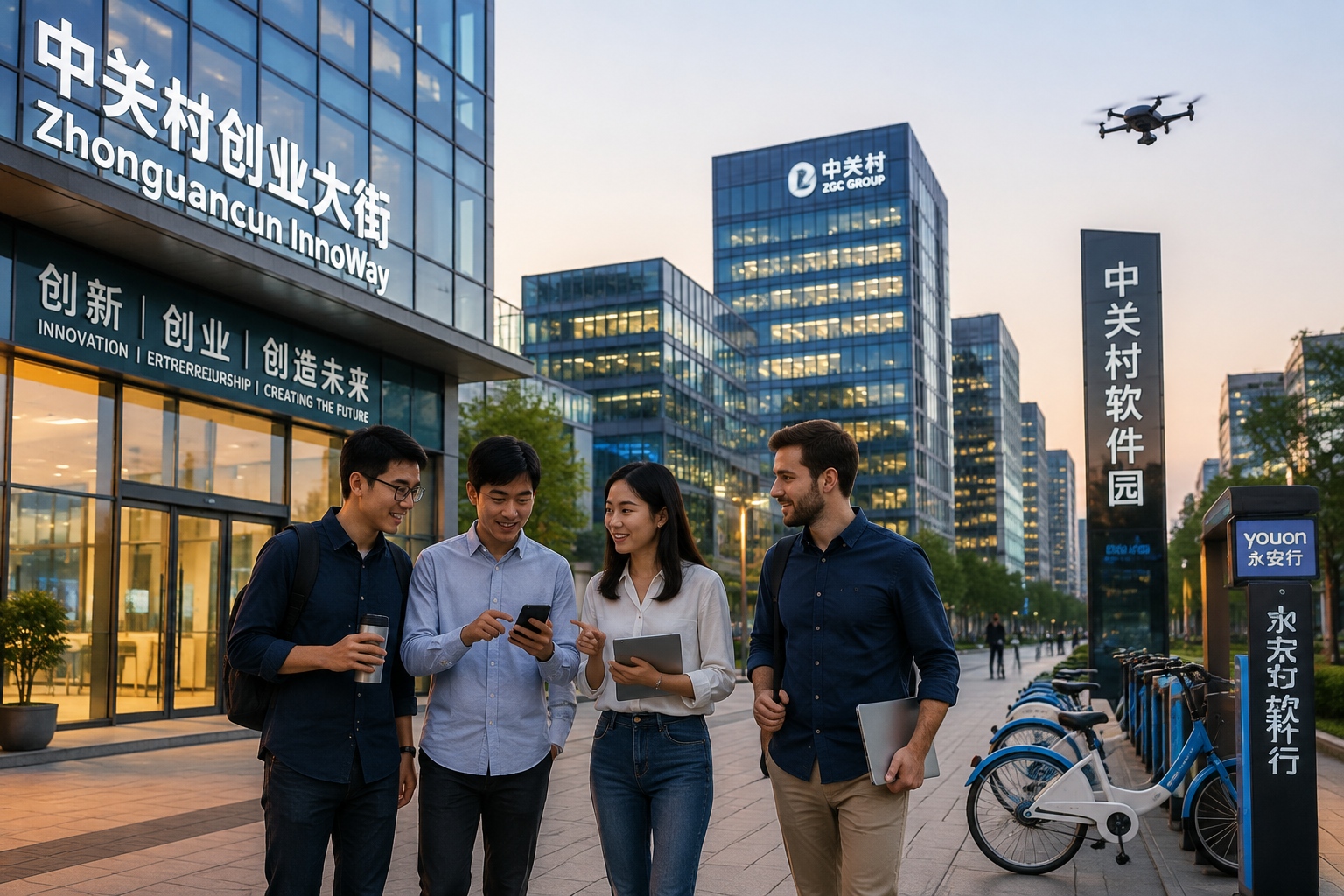
Zhongguancun (ZGC) is often called Beijing’s Silicon Valley, but that’s only partly right. It’s more like a dense cluster of universities, research institutes, and startup incubators. The area around Haidian Huangzhuang metro station is a web of streets lined with electronics malls (now a bit empty), AI startups, and venture capital offices.
If you only have one afternoon, walk the main boulevard from the ZGC Plaza to the Haidian government service center. You’ll pass by offices of companies like Megvii (Face++) and lucrative startup accelerators. Many allow visitors to their showrooms—just walk in and ask at the front desk.
Where to See the Latest in AI
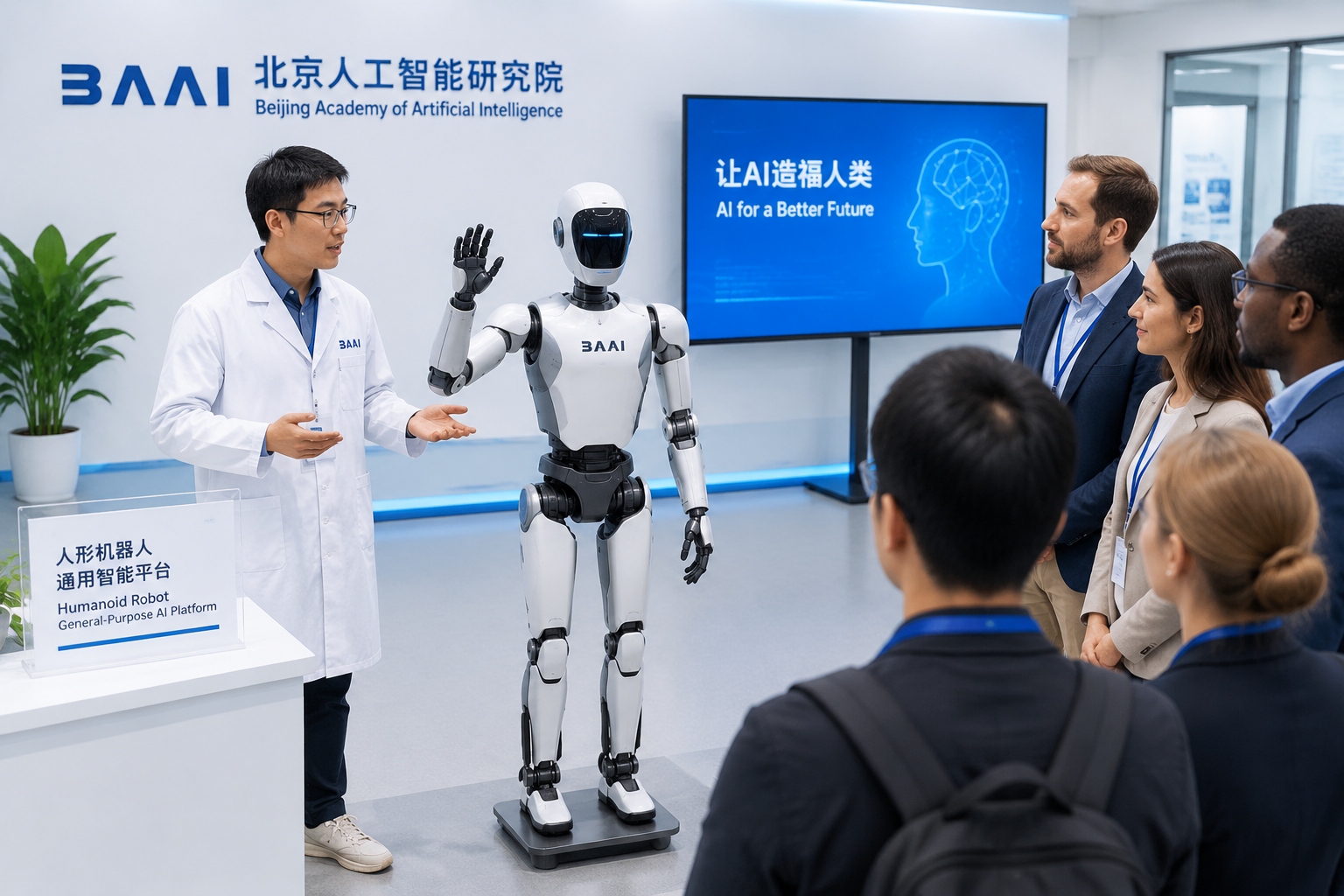
For a deep dive, look beyond the corporate campuses. Check out the Beijing Academy of Artificial Intelligence (BAAI) or Tsinghua University’s robotics lab websites. They sometimes host English-friendly open days or public lectures. Another insider tip: visit the China Science and Technology Museum’s temporary exhibitions, which often showcase commercial breakthroughs in robotics and healthcare.
Making the Most of Your Visit: Meetings, Exhibitions, and Networking
You don’t need a formal introduction to tap into China’s tech scene. You do need to be proactive. Here’s what works:
Go to trade fairs, not just conferences. Events like the China International Fair for Trade in Services in Beijing, or the Hi-Tech Fair in Shenzhen, are open to foreigners and full of practical contacts. Bring plenty of business cards (still used) and be ready to scan WeChat QR codes. In China, WeChat is not a tool; it’s the air you breathe for networking.
Use local plug-in events. Many startup hubs list meetups on platforms like 34cross, To B Founders, or even Yoopay. Some are free and welcome international guests.
Reach out to accelerators in advance. HAX in Shenzhen and Innospace or Youx in Beijing have flexible programs. If you explain why you’re coming and how you could help their startups, most will give you a tour.
Don’t skip the food. A meal is where real bonds are made. In Shenzhen, try shaokao (Chinese barbecue) stalls; in Hangzhou, treat your host to Longjing tea; in Beijing, focus on hotpot. Warm conversations with filled stomachs last longer.
Final Thoughts
A China tech tour is not about collecting badges or business cards. It’s about listening—to factory workers in Shenzhen, product managers in Hangzhou, and researchers in Beijing. They all have lucid observations about where things are headed, and you’ll leave with a more grounded understanding of China’s innovation engine.
So pack comfortable shoes, download a translator app, and save this playbook. Ten days will go by fast, but the stories you collect will stick with you much longer.
Start the discussion at forum.chinacomes.com