

The City That Wakes Up at Midnight
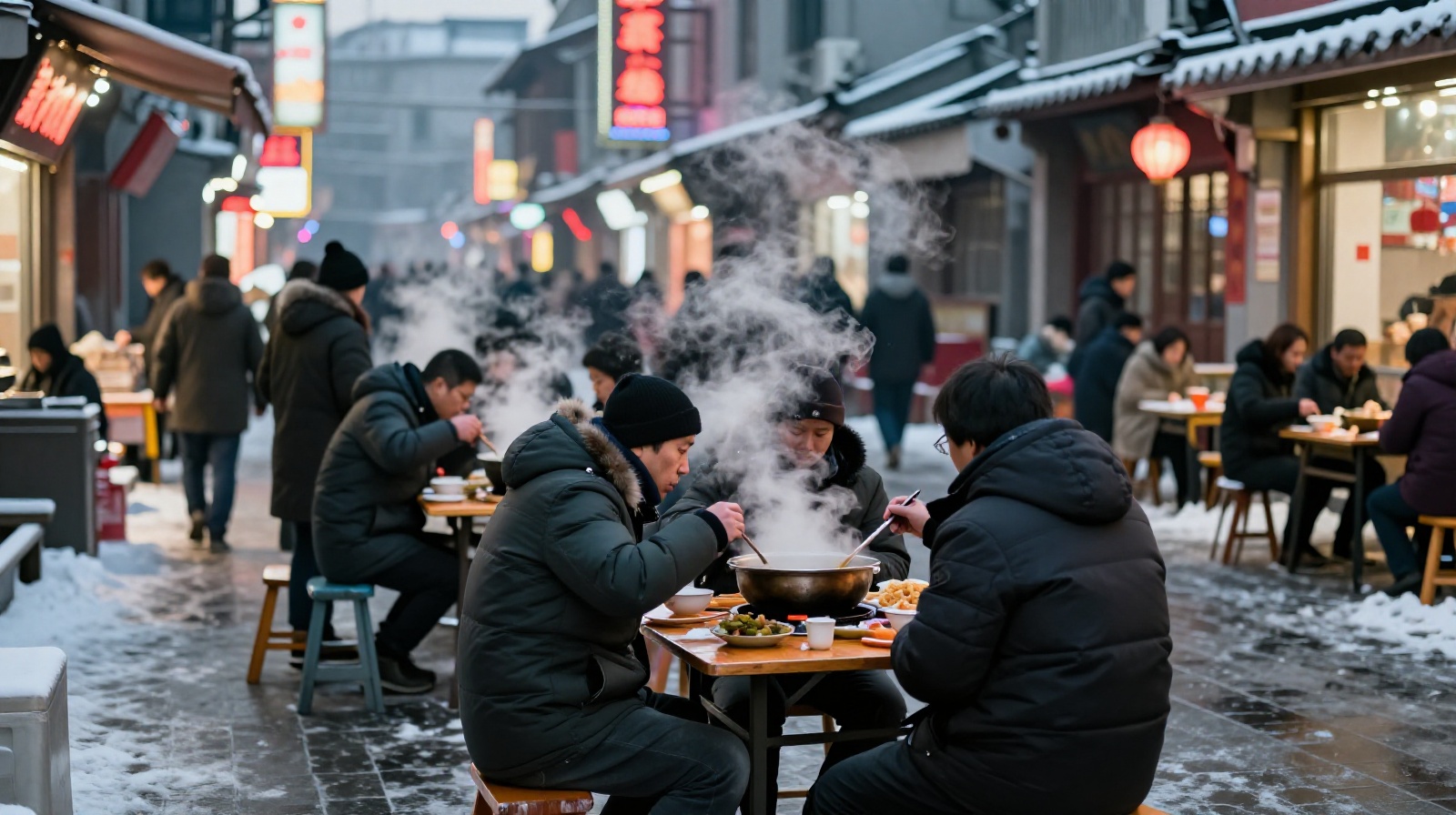
It is minus 18 degrees Celsius. The wind cuts through three layers of down jackets, finding every gap in zippers and collars. Yet, on Zhongyang Pedestrian Street in Harbin, the air isn’t empty; it’s thick with the smell of roasting sweet potatoes and frying dough sticks.
At 3 AM, most Chinese cities are silent, their neon lights dimmed to conserve energy. But here, in the northernmost provincial capital, life is just hitting its stride. This is not a tourist trap designed solely for winter festivals. It is a gritty, resilient industrial city where night shifts end and students return from library cram sessions at this exact hour.
The 3 AM Ritual: Cold Treats in Freezing Hands
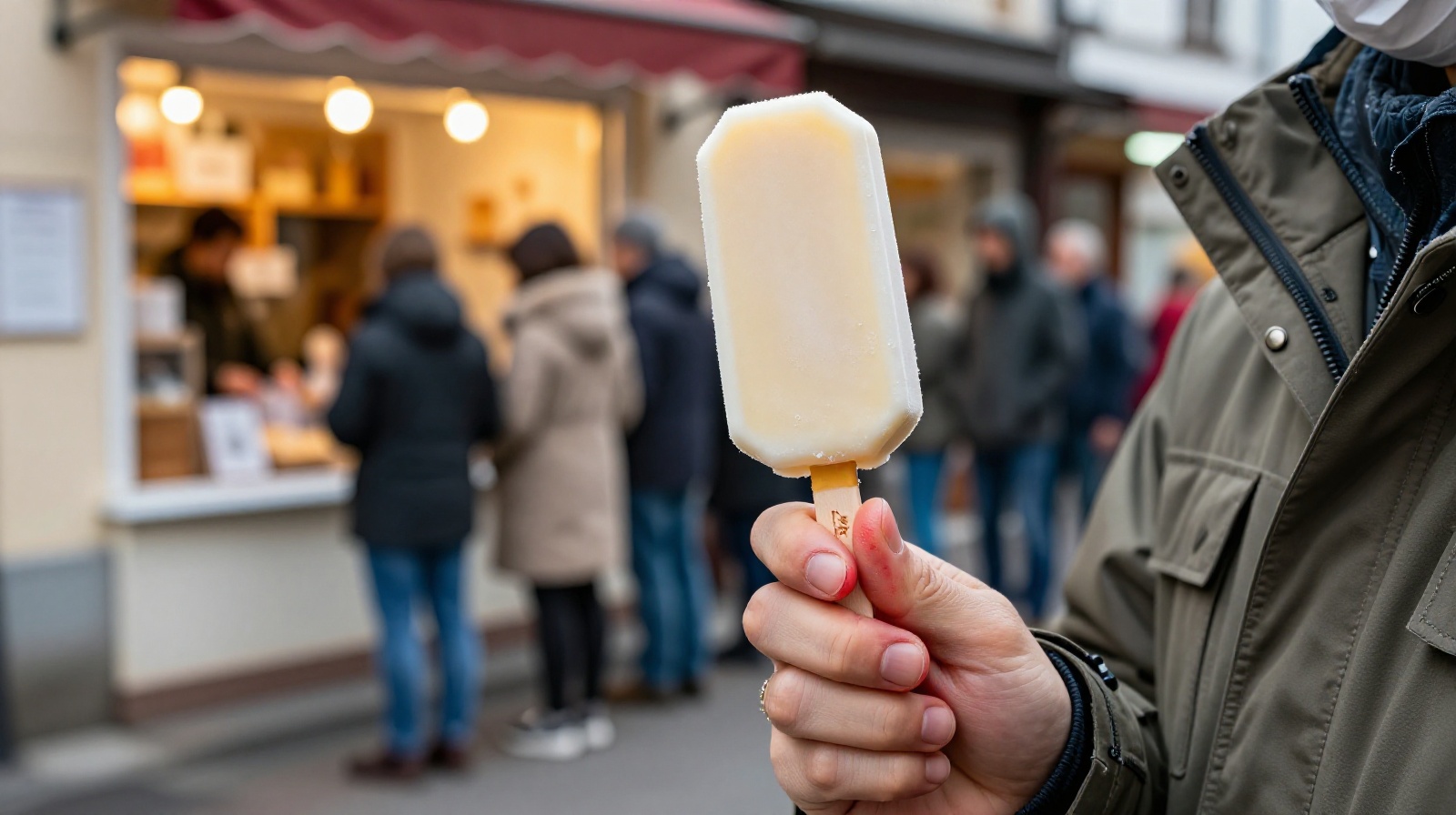
My first stop was Madier Ice Cream (Madier Binggun). To the uninitiated, it seems absurd to eat frozen yogurt on a popsicle stick when your fingers are numb. But for Harbin locals, this is a sacred ritual.
The line at the small shop near Central Street moves steadily. There are no long queues of bewildered tourists here; instead, I see delivery drivers in yellow uniforms, factory workers taking a smoke break from their second shift, and young couples walking hand-in-hand. The ice cream itself is simple—dense, rich, and not overly sweet—a taste inherited from the city’s Russian historical influence.
Eating it requires speed. You have about three minutes before the cold air freezes the milk fat solid in your mouth. It’s a shared local joke: if you can eat a Madier ice cream in under two minutes without getting a headache, you’re truly Harbin.
From Dessert to Dinner: The Steam of Iron Pot Stew
After the sugar rush fades, the real hunger sets in. We move deeper into the side streets, away from the polished tourist zones, into neighborhoods where the pavement is cracked and the streetlights flicker.
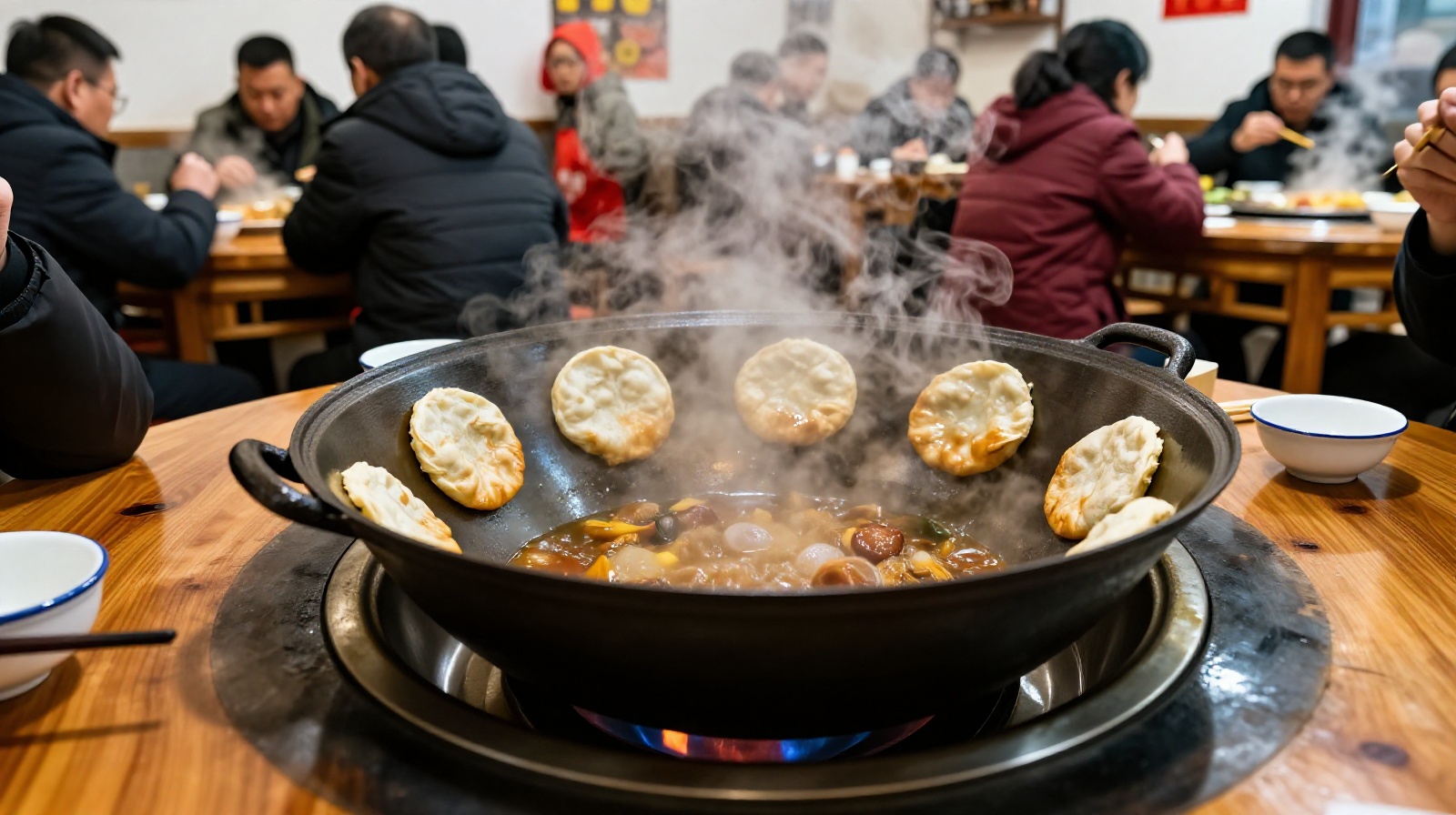
The destination is a “Tie Guo Dun” (Iron Pot Stew) eatery. These aren’t fancy restaurants with white tablecloths. They are bustling, open-plan spaces often located in former warehouses or ground-floor apartments. The centerpiece is a massive cast-iron pot sitting on a wood-burning stove. Inside, chicken, potatoes, beans, and corn simmer in a dark, savory broth.
What makes this meal distinct is the bread. Thin sheets of dough are slapped onto the inner walls of the hot iron pot to steam. By the time you finish eating, those “tie bing” (iron-baked) pancakes are golden, crispy at the edges, and soaked in the rich stew sauce.
Who Eats Here? The Night Shift Economy
The social dynamics of these late-night eateries offer a window into Harbin’s real economy. I sat next to a woman who works as a nurse at a local hospital. She told me she eats here twice a week after her night shift because it’s cheap, hot, and fills you up.
Across from us were two university students, exhausted from preparing for postgraduate entrance exams—a massive annual event in China. They ordered a large pot to share, arguing good-naturedly over who would peel the garlic (a mandatory side dish).
This is the heartbeat of Harbin’s nightlife. It’s not about expensive clubs or late-night shopping malls. It’s about affordable calories and communal warmth. In a city where winter lasts for half the year, food is the primary source of heat.
Beyond the Snow: A Modern Pulse
While Harbin is famous globally for its Ice Festival, this 3 AM scene reveals a different side. It shows a city that has adapted to its harsh climate by creating cozy micro-environments. The “Iron Pot Stew” culture is actually an evolution of rural heating methods—keeping warm around a fire while cooking—which has migrated into urban apartments.
Today, Harbin is also home to emerging tech startups and manufacturing hubs producing everything from robotics to automotive parts. But at 3 AM, the code on the screens matters less than the steam rising from the pot.
The Warmth of a Resilient City
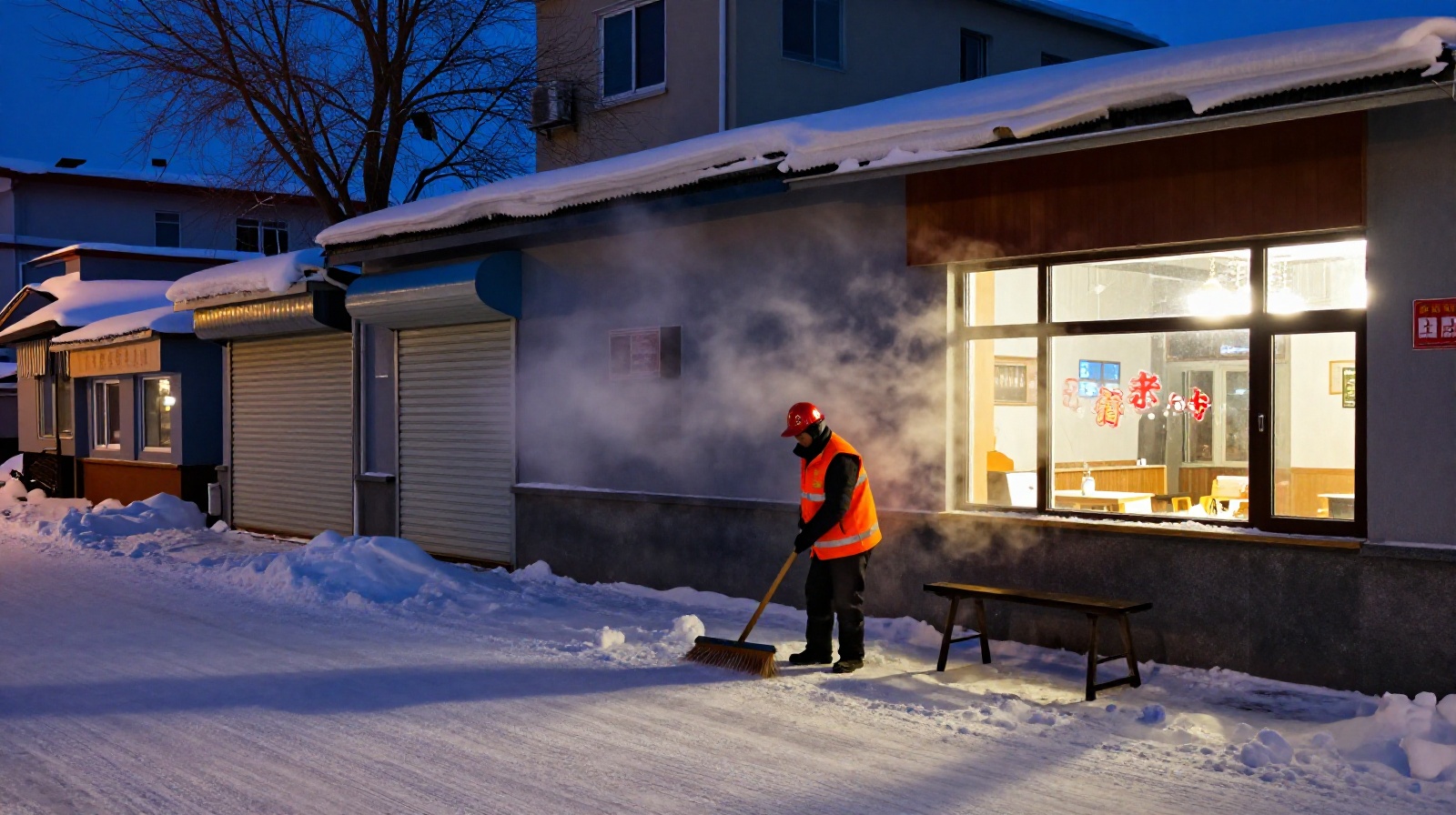
Leaving the eatery at 4 AM, the temperature had dropped further. The street was quiet again, save for the rhythmic swish of a sanitation worker’s broom. My hands were warm, my stomach full, and I felt a strange connection to this northern city.
Harbin isn’t just a backdrop for snow sculptures. It is a living, breathing entity where ordinary people find joy and comfort in simple meals. The contrast between the freezing air outside and the steaming pot inside isn’t just weather; it’s the defining texture of life here. For anyone curious about modern China, looking past the headlines to these late-night dinners offers a truer picture than any brochure.