

The Kitchen Table That Never Sleeps
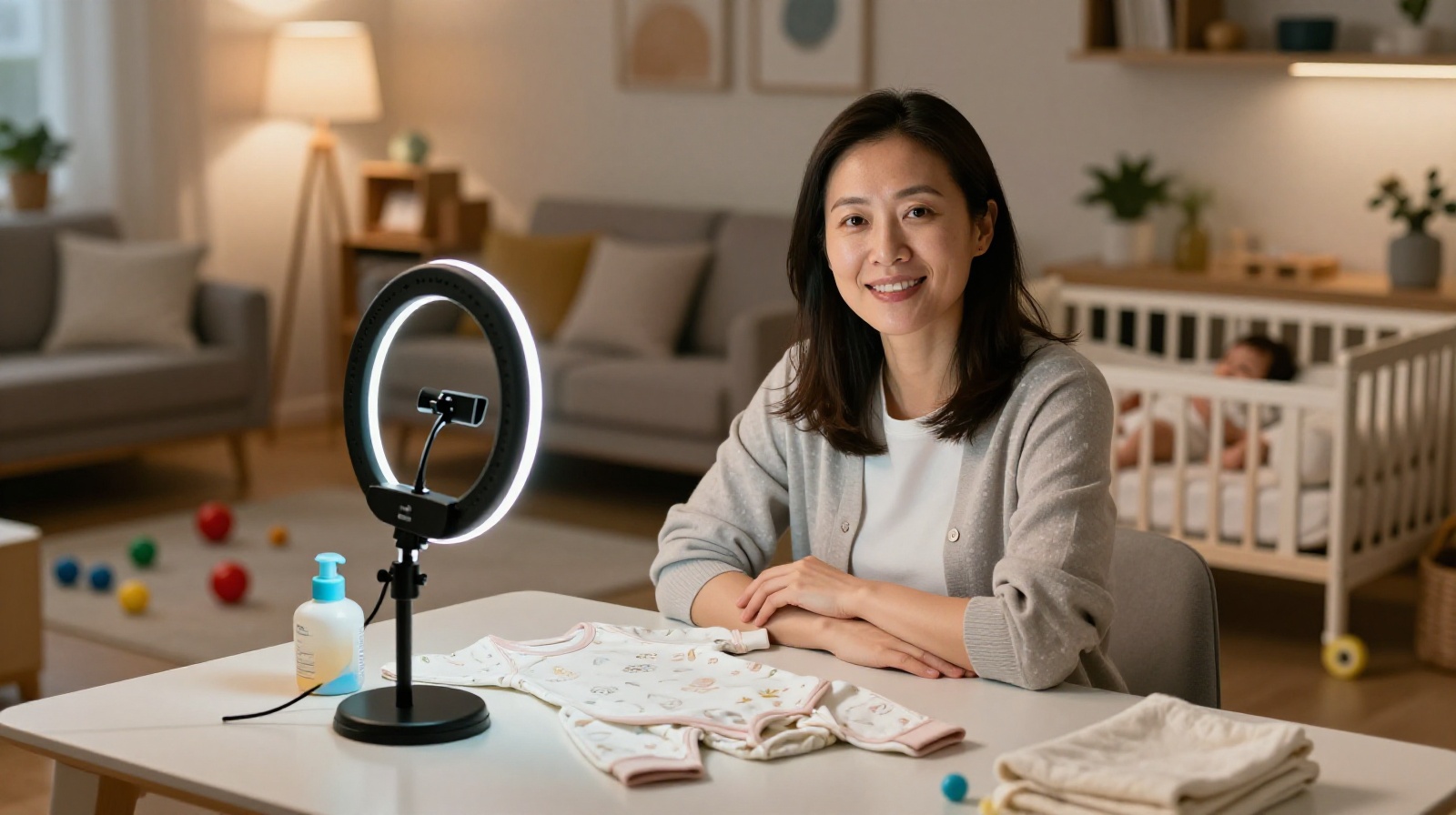
In the quiet hours between 10 PM and 4 AM, while her two children sleep soundly in the next room, Li Wei sits before a ring light that casts a soft, flattering glow on her face. She isn’t waiting for a husband to come home from work or scrolling through social media. She is talking—fast, friendly, and incredibly knowledgeable—about organic cotton baby clothes.
Two years ago, Li Wei was exactly where many Chinese mothers are: a full-time homemaker feeling the slow erosion of her professional identity. “I loved raising my kids,” she tells me over tea in her Shanghai apartment, “but I missed being useful to the world outside.” The traditional path for women like her—waiting for marriage and then stepping back from the workforce—no longer felt like the only option.
Turning Fragments of Time into a Business
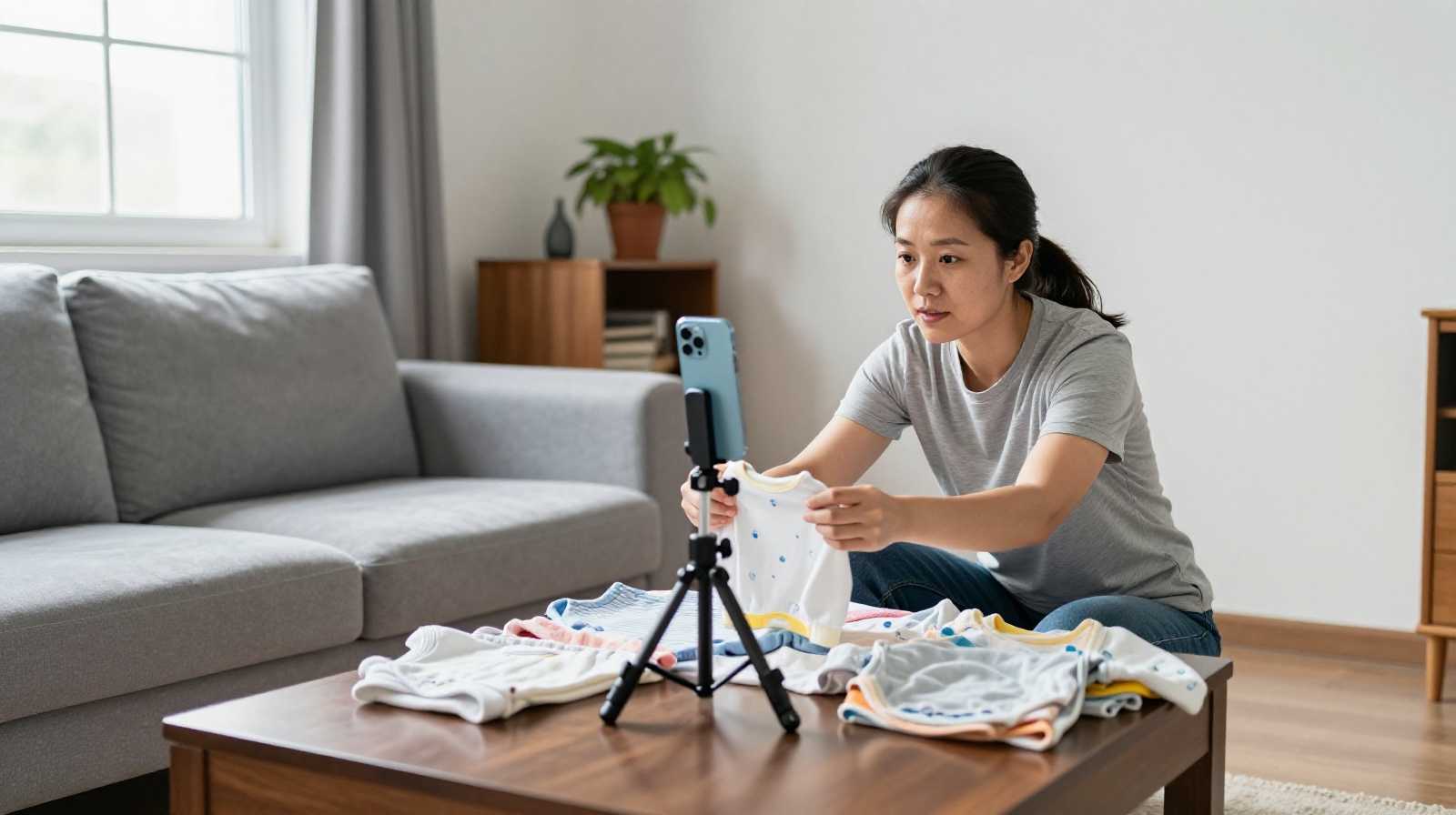
The shift didn’t happen overnight. It started with a smartphone, a small tripod, and a desperate need to make ends meet while managing household duties. Li Wei began by selling second-hand toys on community apps, learning the rhythm of online transactions in 15-minute bursts during nap times.
“The first month was chaotic,” she recalls. “I tried to record videos while folding laundry, and my voice cracked every time I cried because a baby needed me. But I kept going.” She discovered that livestreaming didn’t require her to leave home; it required her to bring the world into her living room. By 2023, she had transitioned from selling used items to sourcing high-quality baby products directly from factories in Guangzhou.
Her strategy was simple yet brilliant: authenticity. While professional studios in Shanghai or Shenzhen might have flashy backdrops and perfect lighting, Li Wei’s直播间 (livestream room) is her actual nursery. She shows the wrinkles on a onesie, explains the stitching, and occasionally pauses to soothe a fussy baby who wanders into the frame. “People trust me because I’m not pretending to be a model,” she says. “I’m just a mom.”
The Mechanics of the Livestream Economy
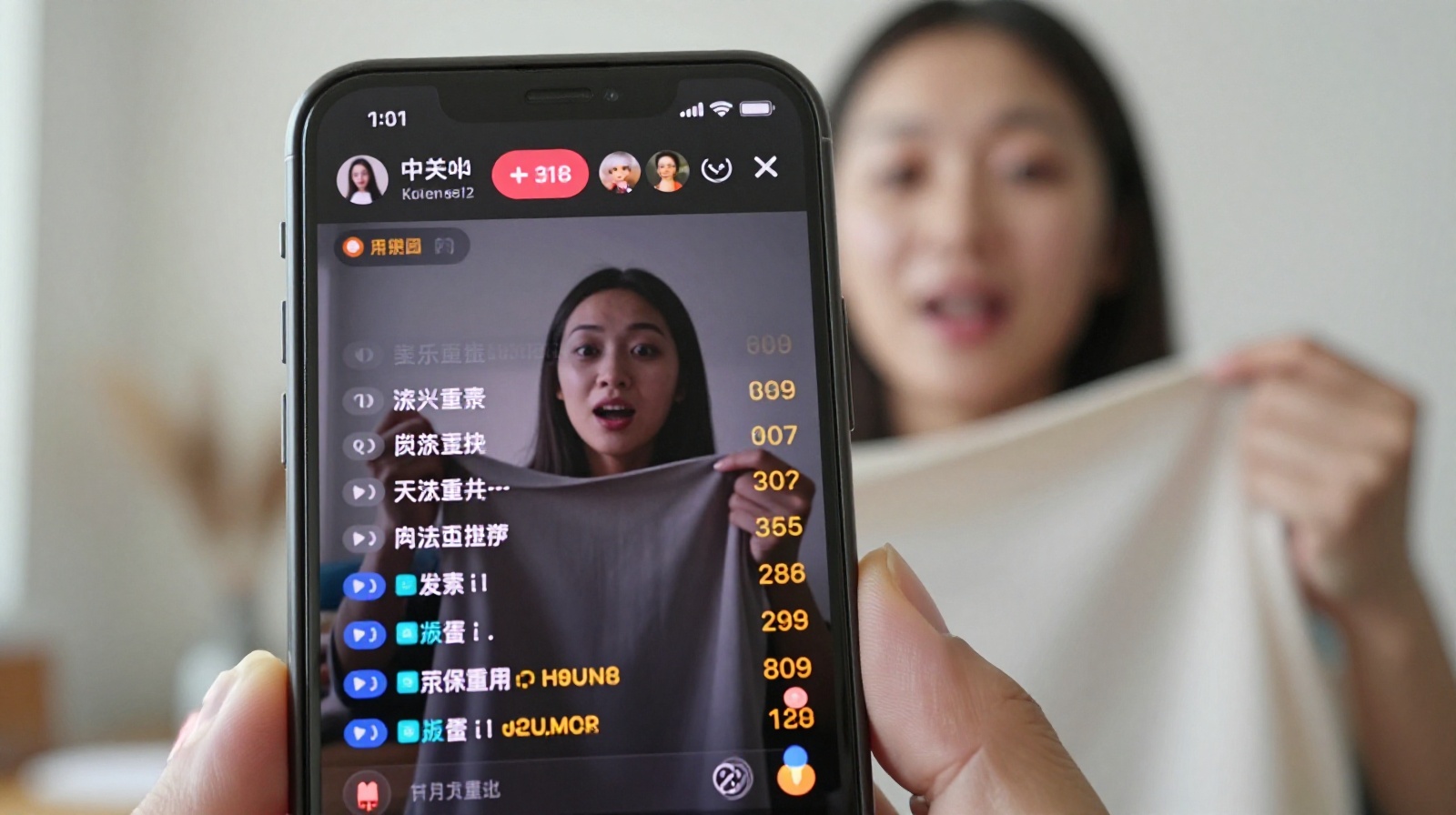
Li Wei’s success is part of a massive, quiet revolution happening across China. The rise of short-video platforms like Douyin (TikTok) and Kuaishou has created a unique economic ecosystem where location no longer dictates opportunity. For millions of stay-at-home mothers, the livestreaming economy offers a lifeline.
Unlike traditional jobs that demand 9-to-5 presence in an office or factory, e-commerce allows for extreme flexibility. Li Wei’s income fluctuates with seasons—spiking during back-to-school periods and slowing down during holidays—but it has allowed her to hire three part-time assistants and cover the family’s mortgage without a single day of “commuting.”
Statistically, this is no longer an anomaly. Recent data suggests that over 60 million people in China are engaged in e-commerce activities, with a significant portion being women who balance domestic life with digital entrepreneurship. The barriers to entry have dropped: a smartphone, a basic internet connection, and a willingness to learn are often all that’s needed.
Behind the Scenes: Failure, Resilience, and Real Talk
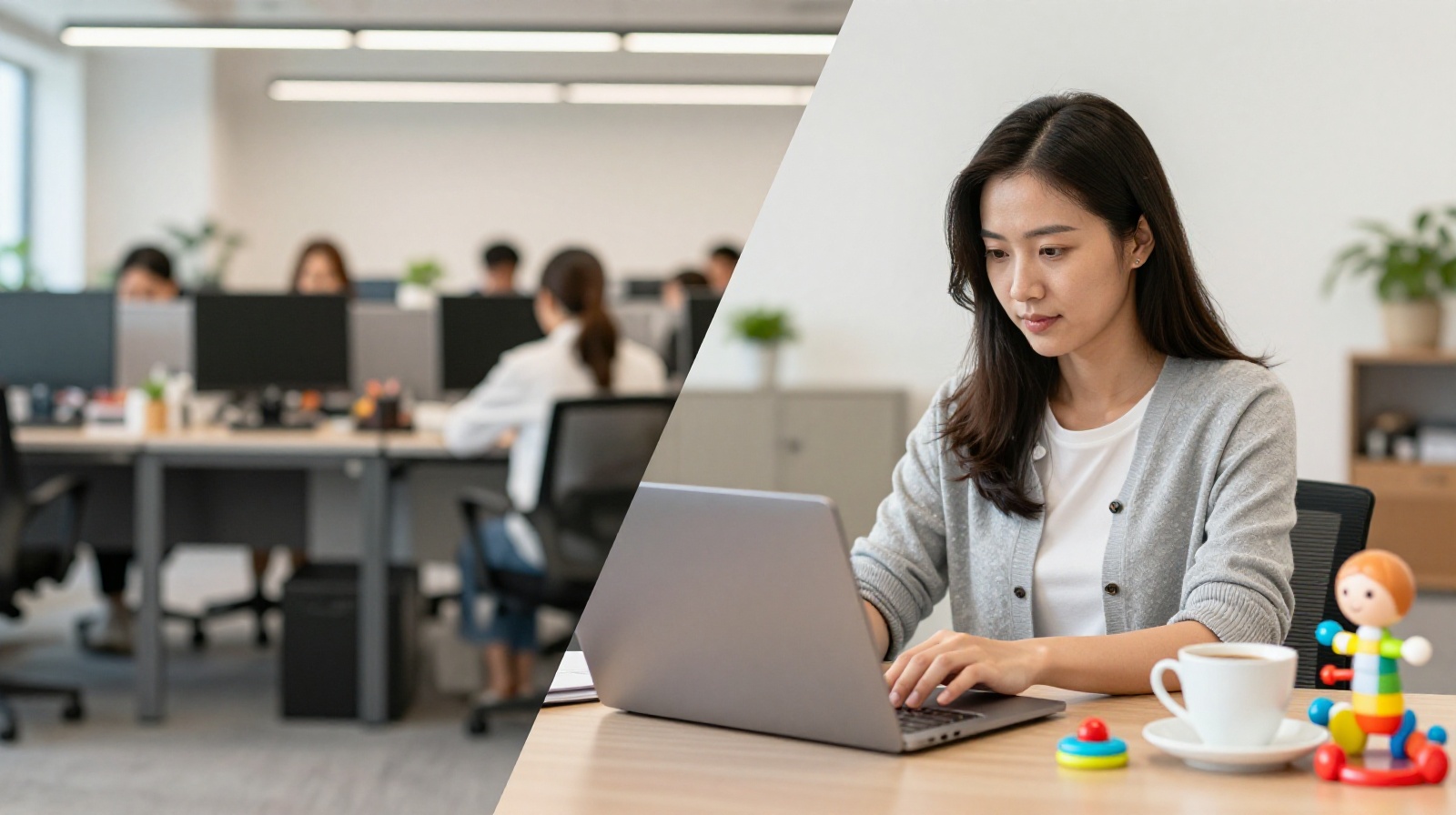
It is crucial not to romanticize this journey. Li Wei’s path was paved with sleepless nights, rejected suppliers, and a humiliating livestream where a technical glitch caused her sales to vanish in seconds.
“I cried in the bathroom after one bad batch of inventory,” she admits. “The supplier sent me cheap material instead of organic cotton, and I lost thousands of yuan. But I learned that trust is harder to build than it is to break.”
She also faced criticism from relatives who thought her work was “shameful” or “not a real job.” In traditional Chinese culture, a woman’s value was often tied to how quietly she managed the home. Breaking that mold required immense courage. Today, however, Li Wei’s voice carries weight in her community. She has become a local mentor, teaching other mothers how to navigate algorithms and manage logistics.
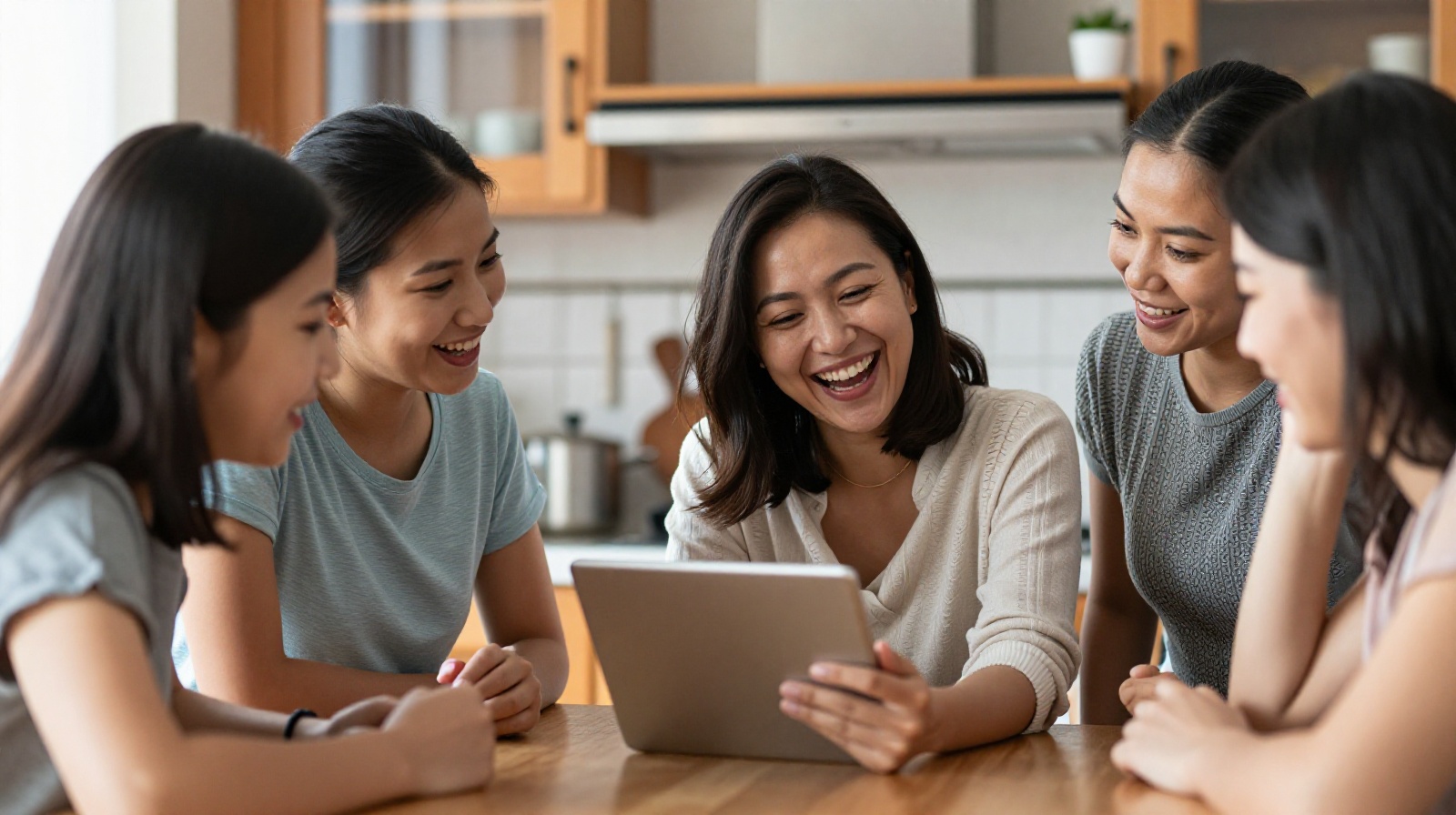
A New Definition of Work for Chinese Women
Li Wei’s story is not just about becoming rich; it’s about reclaiming agency. For the first time in her life, she feels she has a voice that matters, not just as a mother or wife, but as an entrepreneur.
This shift is reshaping the social fabric of modern China. As more women like Li Wei enter the digital workforce, we are seeing a redefinition of what it means to be a “good mom” and a “career woman.” The dichotomy is disappearing. Women are realizing they don’t have to choose between raising their children and contributing economically.
From her kitchen table in Shanghai to livestream rooms in rural villages, the narrative of Chinese women is being rewritten in real-time. It’s messy, it’s hard work, but it’s undeniably powerful. As Li Wei waves goodbye to her camera after a long shift, she reminds us that the future of work isn’t always about leaving home—it might just be about bringing your whole self into the room.