

The Bottle That Tells a Story
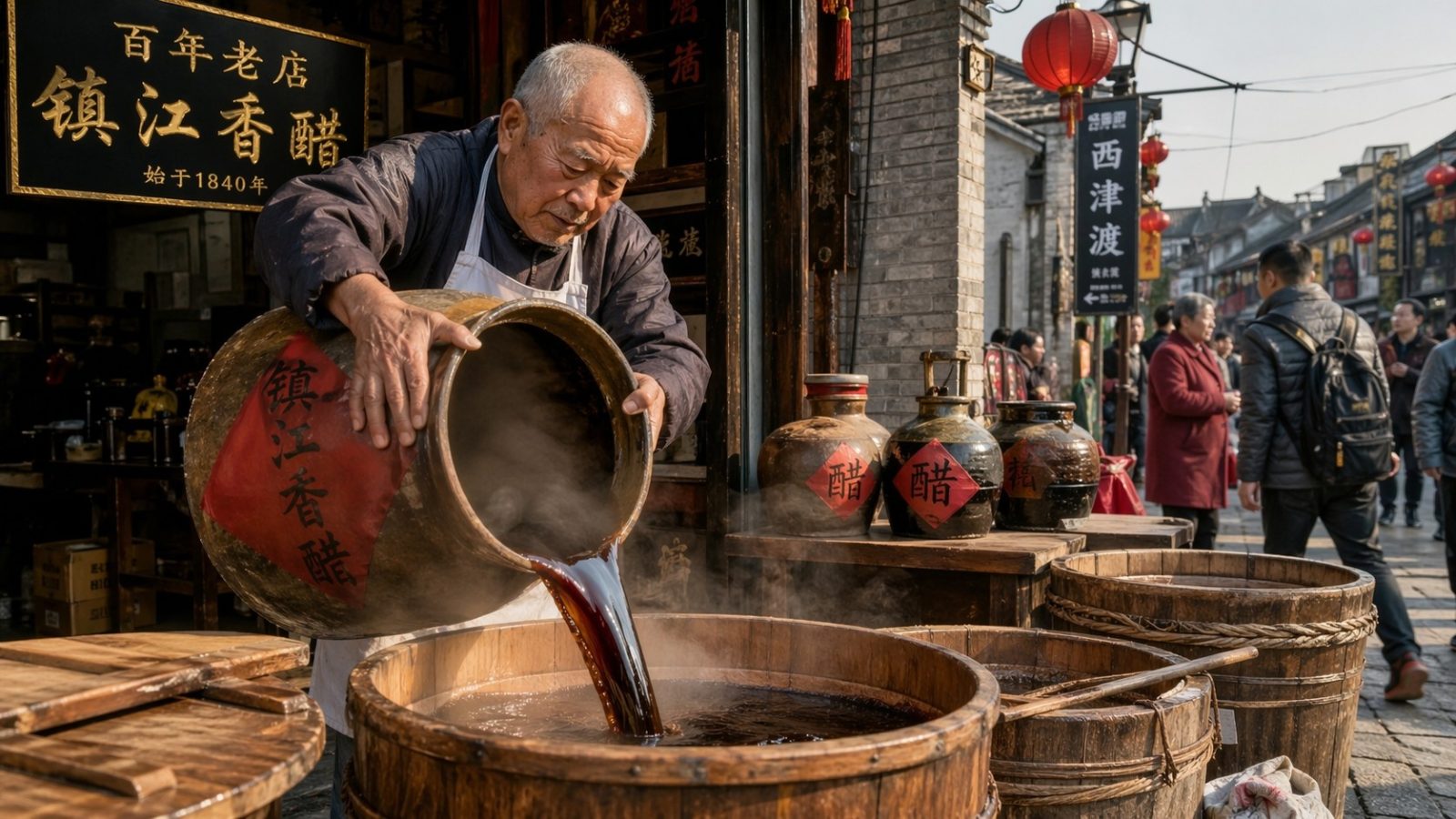
Imagine standing in a small noodle shop in downtown Zhenjiang. The chef grabs a ladle, dips it into a large ceramic jar, and pours a dark, fragrant liquid over your dumplings. It’s not just vinegar; it’s the local handshake.
For many foreigners, Chinese food is a mystery of flavors. But in Jiangsu province, specifically Zhenjiang, flavor is a language. If you visit the Zhenjiang Vinegar Museum today, you won’t just see jars of brown liquid. You’ll see a living library of how ordinary people turn grain into gold through patience and an almost obsessive attention to detail.
A Day in the Fermentation Workshop
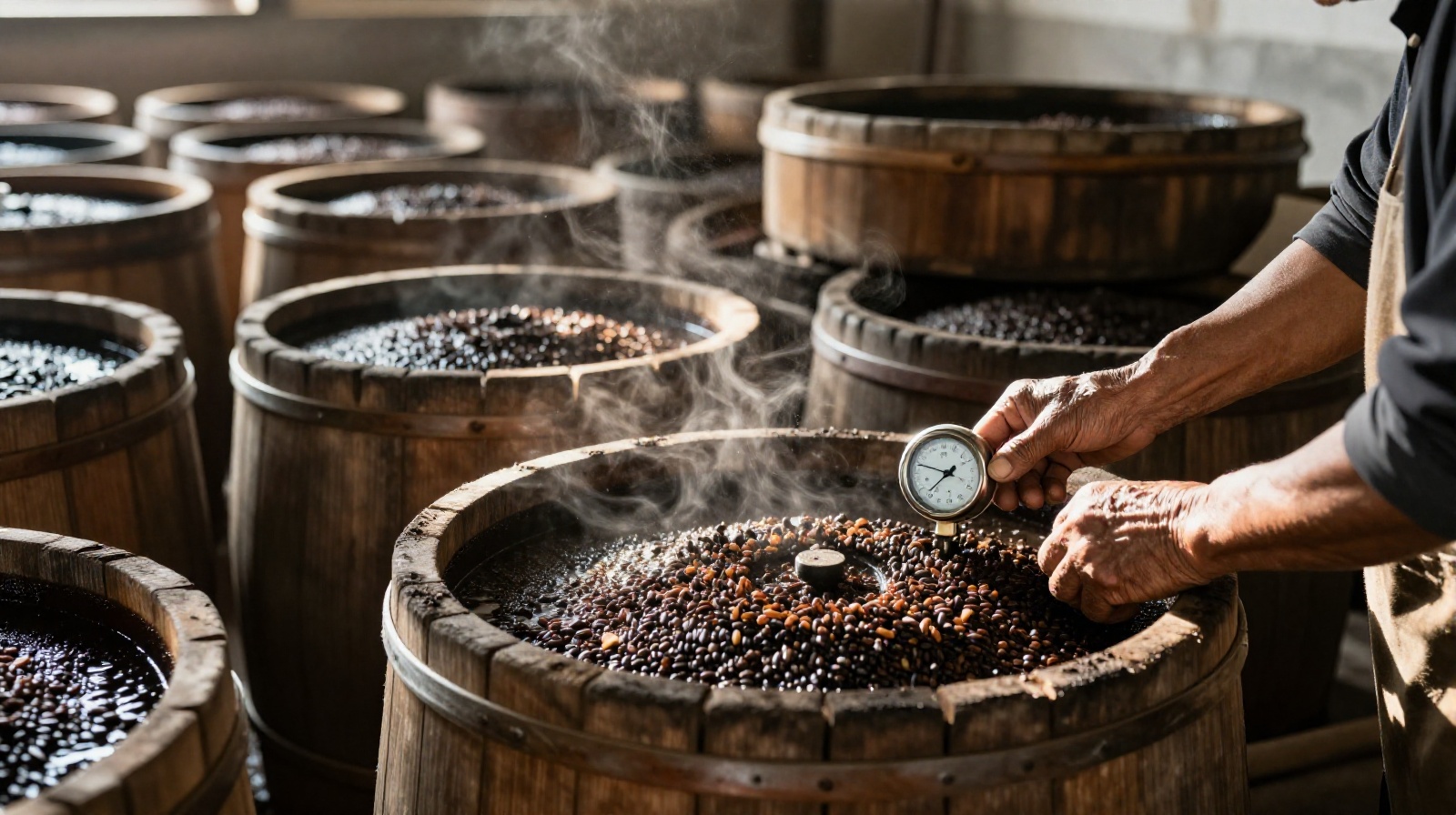
The museum isn’t a sterile glass box; it smells like summer heat and wet earth. Inside, guides explain that making authentic Zhenjiang vinegar is less about chemistry and more about weather-watching.
Traditional fermentation takes months. You can’t rush it with machines to save time, or the flavor profile dies. I watched an older worker, Uncle Liu, checking the temperature of the brewing vats by hand. “The sun tells us when to start,” he told me, wiping sweat from his brow. “If we force it, the vinegar tastes angry.”
This isn’t just folklore; it’s a lesson in resource management. In a land where arable soil was once scarce and every grain counted, this method evolved to extract maximum value from minimum input.
Decoding ‘Jiangsu Ingenuity’
So, what does sour liquid teach us about the people of Jiangsu? It teaches them that nothing is wasted. In Chinese culture, frugality often gets a bad rap as being cheap. But in Zhenjiang, it’s a form of high-level engineering.
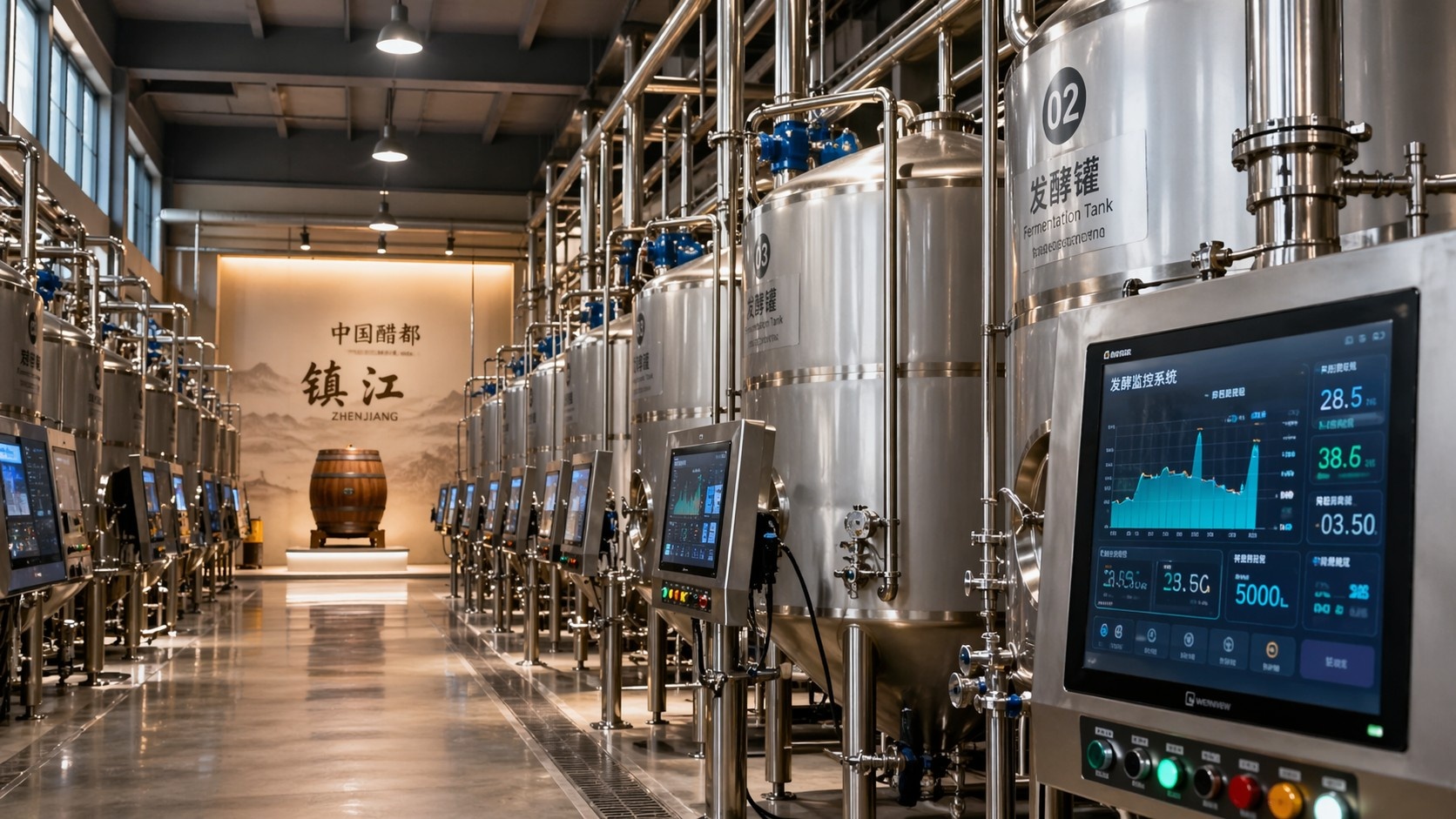
The local business philosophy is simple: if you can do it cheaper and better without losing quality, do it. This pragmatism drives innovation. Look at the modern factories surrounding the old museums; they use AI to monitor fermentation tanks that still rely on the same seasonal cycles Uncle Liu mentioned.
It’s a balance between respecting tradition and cutting costs. They don’t throw away the byproducts of vinegar making; they turn them into animal feed or fertilizer. In Jiangsu, “waste” is just a resource waiting for someone smart enough to find it.
From Breweries to Tourist Hotspots
The city itself has changed. Decades ago, Zhenjiang was an industrial hub known for its factories and ports. Today, the old vinegar workshops have been transformed into cultural landmarks. You can walk through the same alleys where merchants once bargained over barrels of liquid gold.
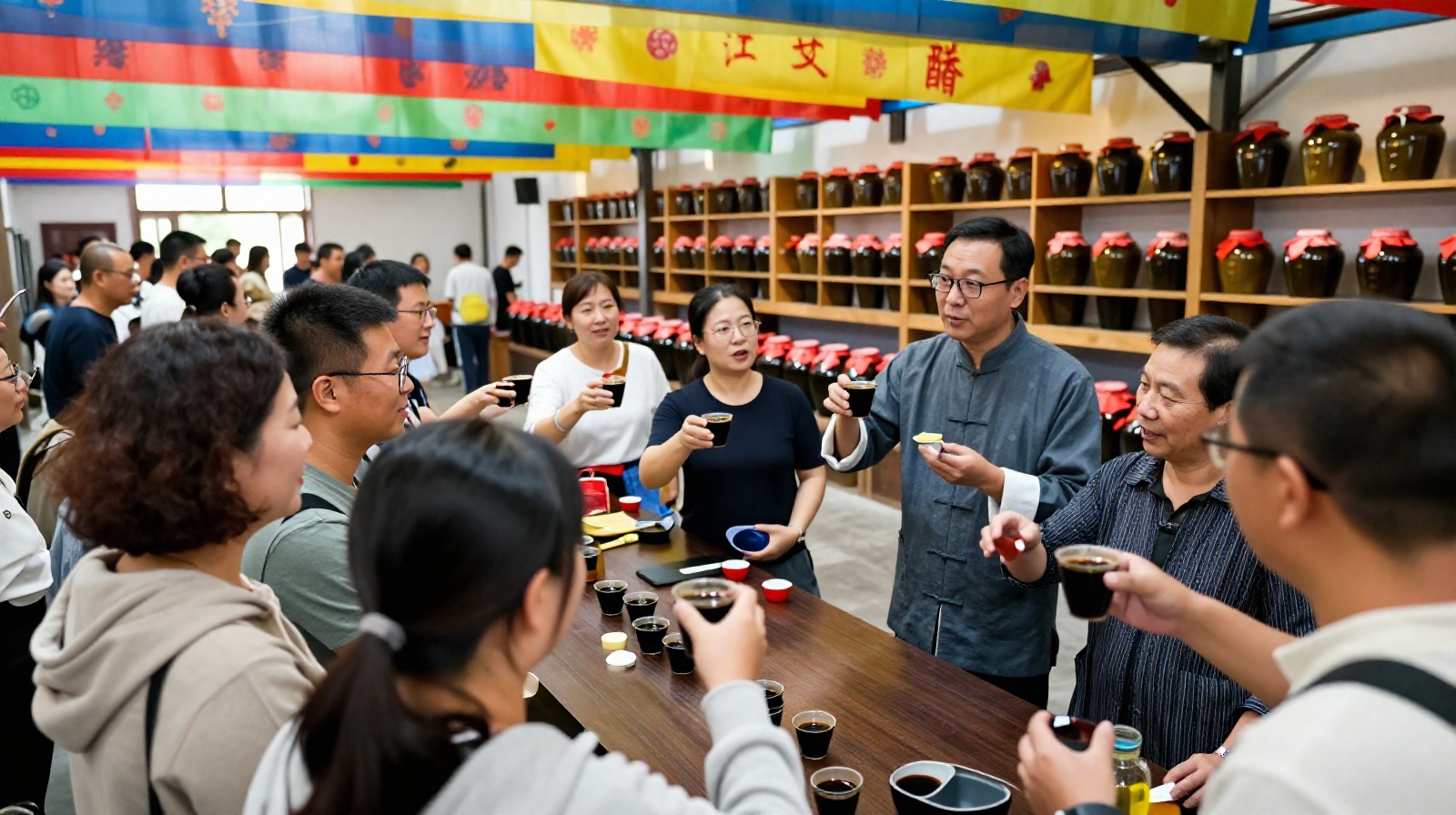
Visitors today aren’t just tourists; they are students of local ethics. The museum offers tasting sessions that feel more like a masterclass in history than a simple food tour. Locals pride themselves on knowing which vinegar pairs with duck, and which one cuts through the grease of braised pork belly perfectly.
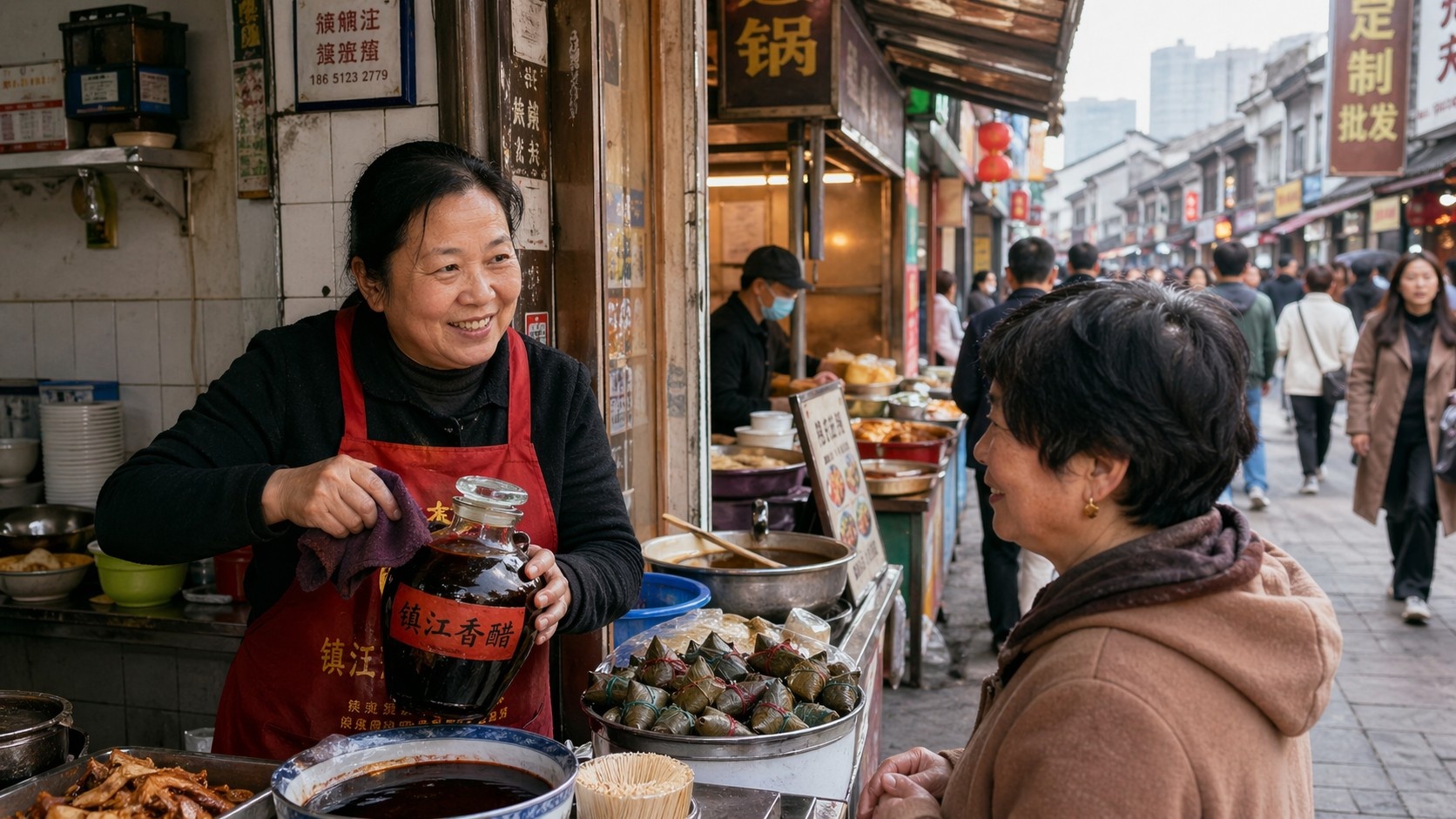
A Local’s Perspective: Every Drop Counts
Why does this matter? Because Zhenjiang people view their history as a recipe for survival. The “smartness” often attributed to Jiangsu isn’t about cunning tricks; it’s about deep, calculated efficiency.
When I asked a local shop owner why they spent so much time polishing the vinegar bottles before selling them, she smiled. “If we polish well, the customer knows we care about every drop inside.”
In a world of fast fashion and disposable culture, Zhenjiang stands as a quiet reminder that the best things in life take time to brew. Their pragmatism isn’t cold calculation; it’s a warm respect for the ingredients, the labor, and the future.