

The Unexpected Arrival
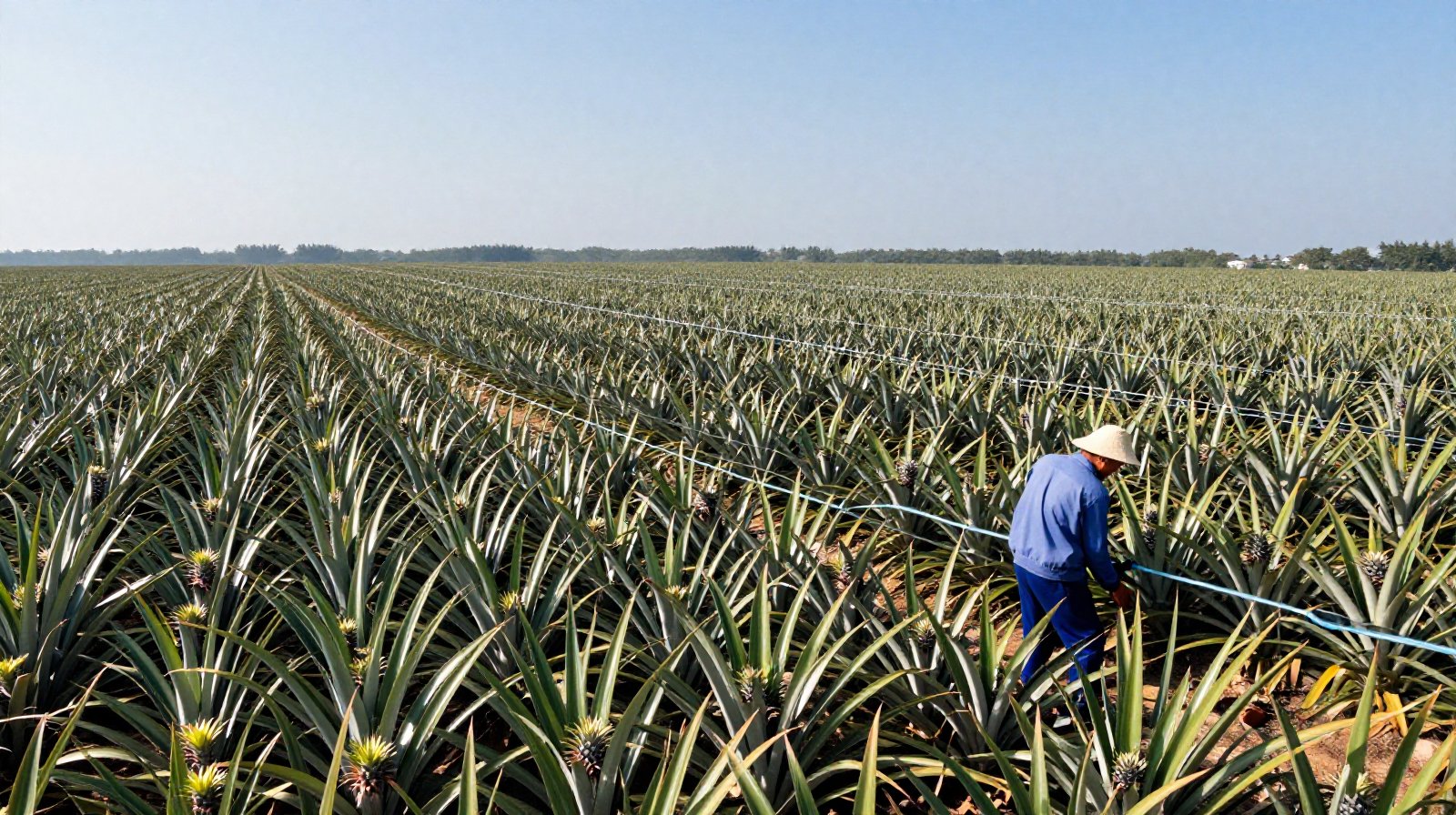
Imagine driving down a rural highway in southern China. The sun is blazing, the air smells faintly of earth and sugar. Suddenly, the landscape shifts from dry scrub to endless waves of spiky green leaves stretching to the horizon. There are no skyscrapers here, no bustling city centers—just field after field of pineapples under a vast blue sky.
This is Zhanjiang, specifically the Leizhou Peninsula. It is home to what locals call “The Sea of Pineapples.” If you have ever seen a fresh pineapple in a supermarket outside China, there is a strong chance it originated from this very patch of land. Today, nearly 70% of all pineapples consumed in China come from here.
But fifty years ago, this scene would have been unimaginable. The soil was too salty, the water too scarce, and the wind too fierce for most crops to survive. This story is not just about a fruit; it is a case study of how China’s countryside has quietly transformed itself through产业升级 (industrial upgrading) and sheer human determination.
From Salt Marshes to Golden Fields
To understand the scale of this transformation, we need to look back at the 1970s. Back then, Leizhou was known as a land of “sand, salt, and wind.” Farmers struggled to grow even basic grains like rice or corn. The soil pH was often above 8.5, making it alkaline enough to burn plant roots.
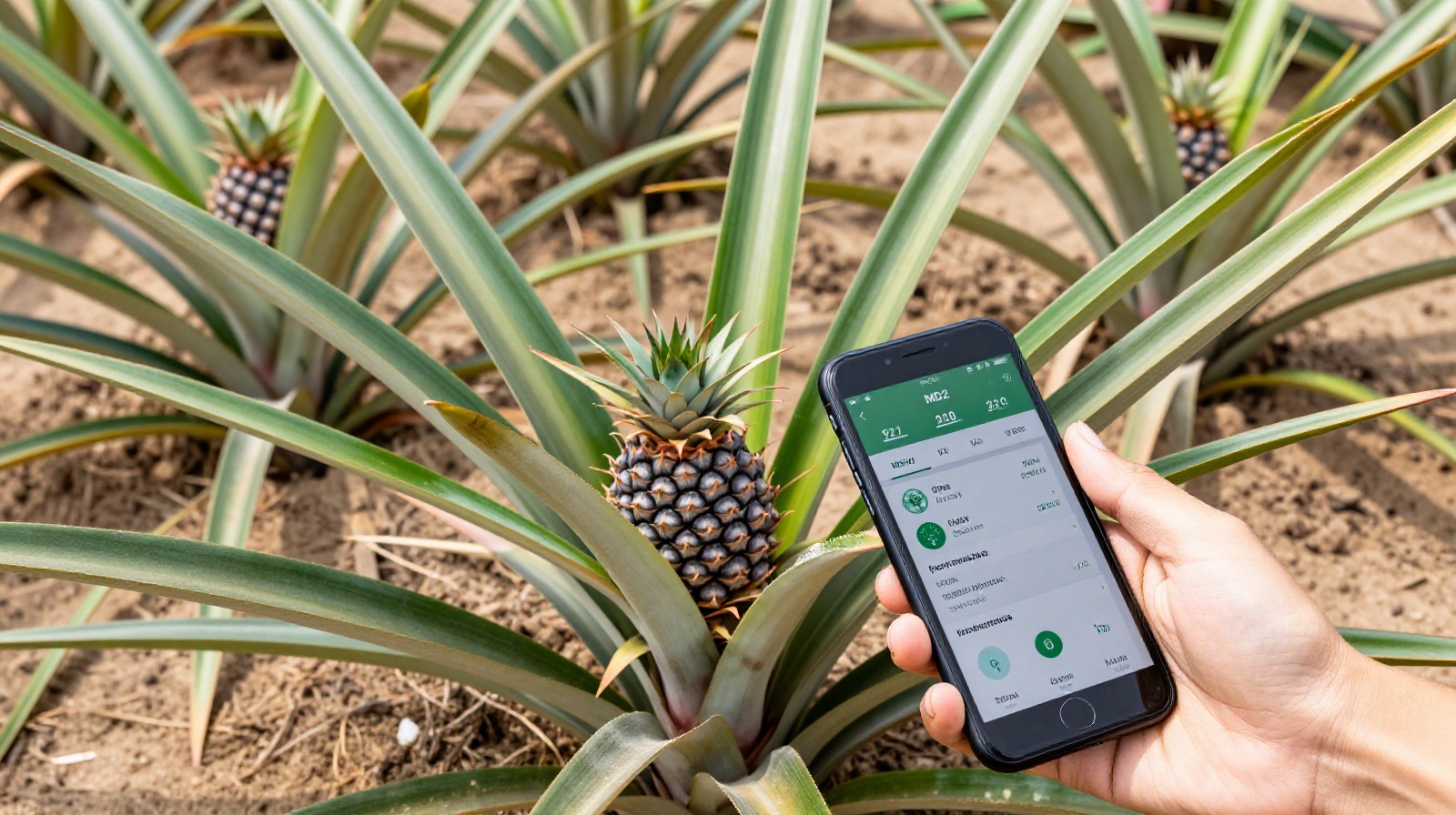
The turning point came when local agricultural scientists introduced the MD2 pineapple variety. Unlike traditional varieties that required rich soil and heavy watering, this new strain could tolerate harsh conditions. It thrived in sandy, saline soils where nothing else would grow.
Key Shifts
- Soil Salinity: Reduced from 0.6% to 0.2% through crop rotation and organic amendments.
- Yield Increase: From less than 5 tons per hectare in the 1970s to over 15 tons today.
- Land Use: Over 60,000 hectares dedicated solely to pineapple farming.
The transformation wasn’t instantaneous. It took decades of trial and error. Local farmers had to learn new techniques, replacing traditional hoe-and-bucket methods with drip irrigation systems that deliver water directly to the roots, saving up to 40% compared to flood irrigation.
A Day in the Life of a Pineapple Farmer
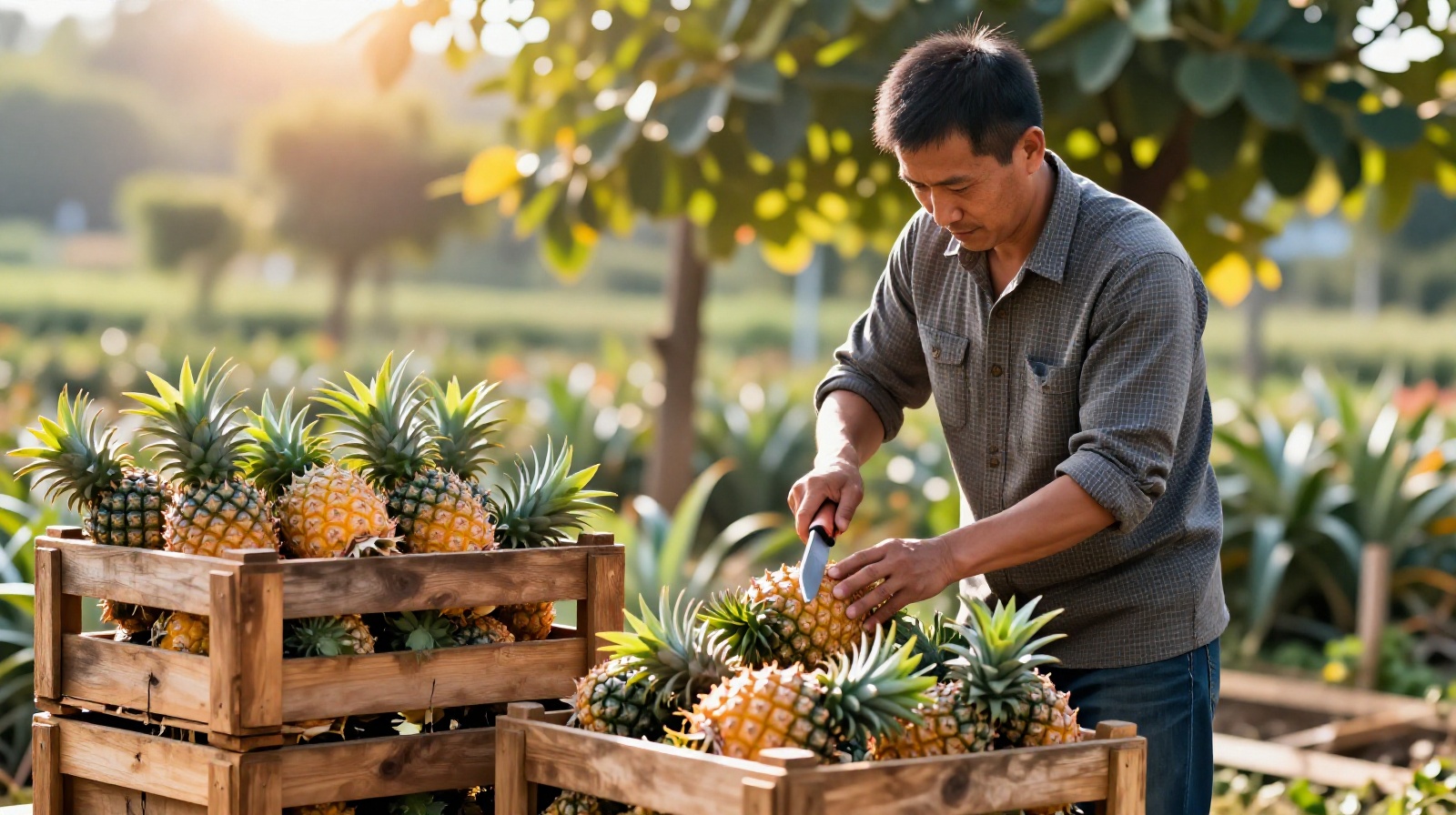
Meet Lin Qiang, a third-generation farmer in Tangxi Town. His hands are rough from years of work, but his smile is wide as he gestures toward his field. “My grandfather could only grow sweet potatoes here,” Lin says. “Now I harvest pineapples three times a year.”
A typical day for Lin starts before dawn. He checks the moisture sensors in the soil, adjusted remotely via a smartphone app. The system tells him exactly how much water and fertilizer each section of his field needs. This is precision agriculture in action.
Harvesting is still largely manual, but the tools have changed. Farmers use specialized knives that slice the fruit cleanly without bruising it, ensuring it survives the long journey to distant markets. “We don’t just sell raw fruit anymore,” Lin explains. “I also process them into juice and dried snacks right here on the farm.”
The Human Cost and Reward
Life is hard work, but the economic return has been life-changing for many families in Zhanjiang. The average household income from pineapple farming has tripled since 2010. However, challenges remain. Fluctuating market prices can be brutal, and climate change brings unpredictable storms.
To mitigate these risks, farmers have formed cooperatives. By pooling their resources, they negotiate better prices with buyers and share the cost of cold storage facilities. This collective approach is becoming a standard model across rural China.
Technology Meets Tradition
The story of Zhanjiang’s pineapples is also a story of how technology has been woven into traditional farming. Drones now patrol the fields, scanning for pests and applying pesticides only where needed, reducing chemical usage by nearly 30%.
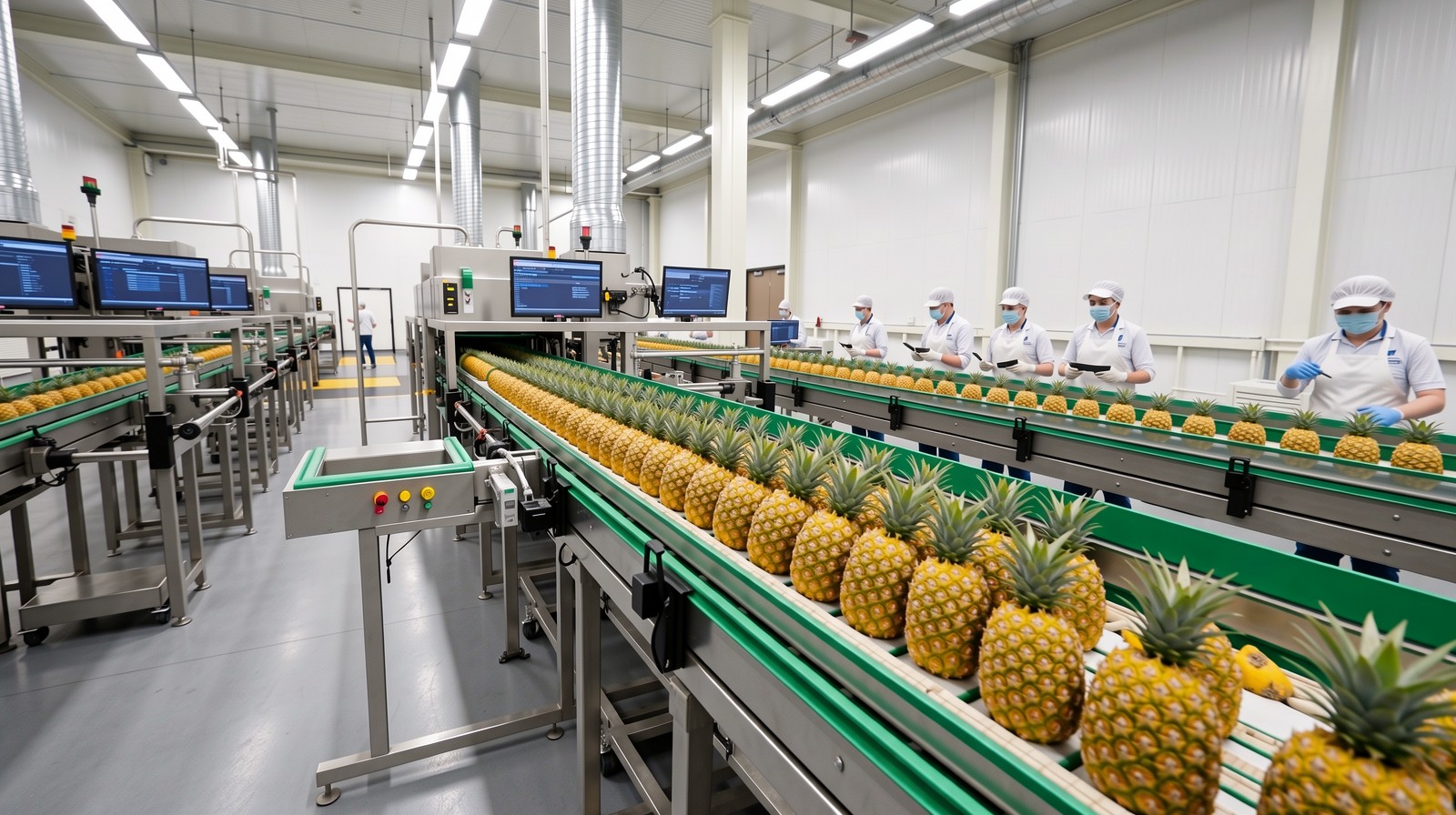
In local processing plants, automated sorting machines separate fruits by size, weight, and sugar content with machine-like precision. The best fruits go to premium markets in Beijing or Shanghai; slightly imperfect ones are sent to factories for juicing.
Logistics Revolution
Getting a fresh pineapple from the field to a supermarket shelf thousands of miles away used to be a gamble. Spoilage rates were high, and prices volatile. Today, Zhanjiang has built a modern cold chain logistics network.
- Cold Storage: Over 50 large-scale cold storage facilities capable of holding millions of tons.
- Transport: Specialized refrigerated trucks move fruit within hours of harvest.
- Export Routes: Direct shipping lanes to Southeast Asia and Europe have opened up new markets.
This infrastructure means that a pineapple picked in the morning can be on a dinner table in London or New York by the next week. The speed is staggering, but it relies on a massive, coordinated effort involving farmers, processors, truckers, and port workers.
From Local Crop to Global Commodity
Zhanjiang’s success has turned pineapples from a local curiosity into a global commodity. China now exports significant quantities of fresh pineapples and processed products to countries like Japan, South Korea, and the United States.
This shift is part of a larger trend in rural China: moving away from subsistence farming toward high-value, market-oriented agriculture. The government has supported this transition through subsidies for technology adoption, infrastructure development, and training programs for farmers.
The result is a more resilient agricultural sector that can withstand global market shocks. It also provides jobs for young people who might otherwise migrate to crowded cities. Many are returning to their hometowns to manage these high-tech farms.
Taste of the Soil
Ultimately, the “Sea of Pineapples” is a testament to human ingenuity in the face of natural adversity. What was once a barren wasteland has been reborn as a golden field of opportunity.
For visitors, the experience is sensory and grounding. Walking through the rows, you can taste the sweetness on your lips and feel the texture of the leaves. It is a reminder that behind every fruit in the supermarket lies a complex story of science, labor, and community.
Zhanjiang’s journey shows that rural transformation doesn’t have to be slow or painful. With the right technology, policy support, and local initiative, even the harshest environments can become engines of growth. The sea of pineapples is not just a crop; it is a symbol of what is possible when nature and humanity work together.