

The Clock Starts Ticking at Dawn
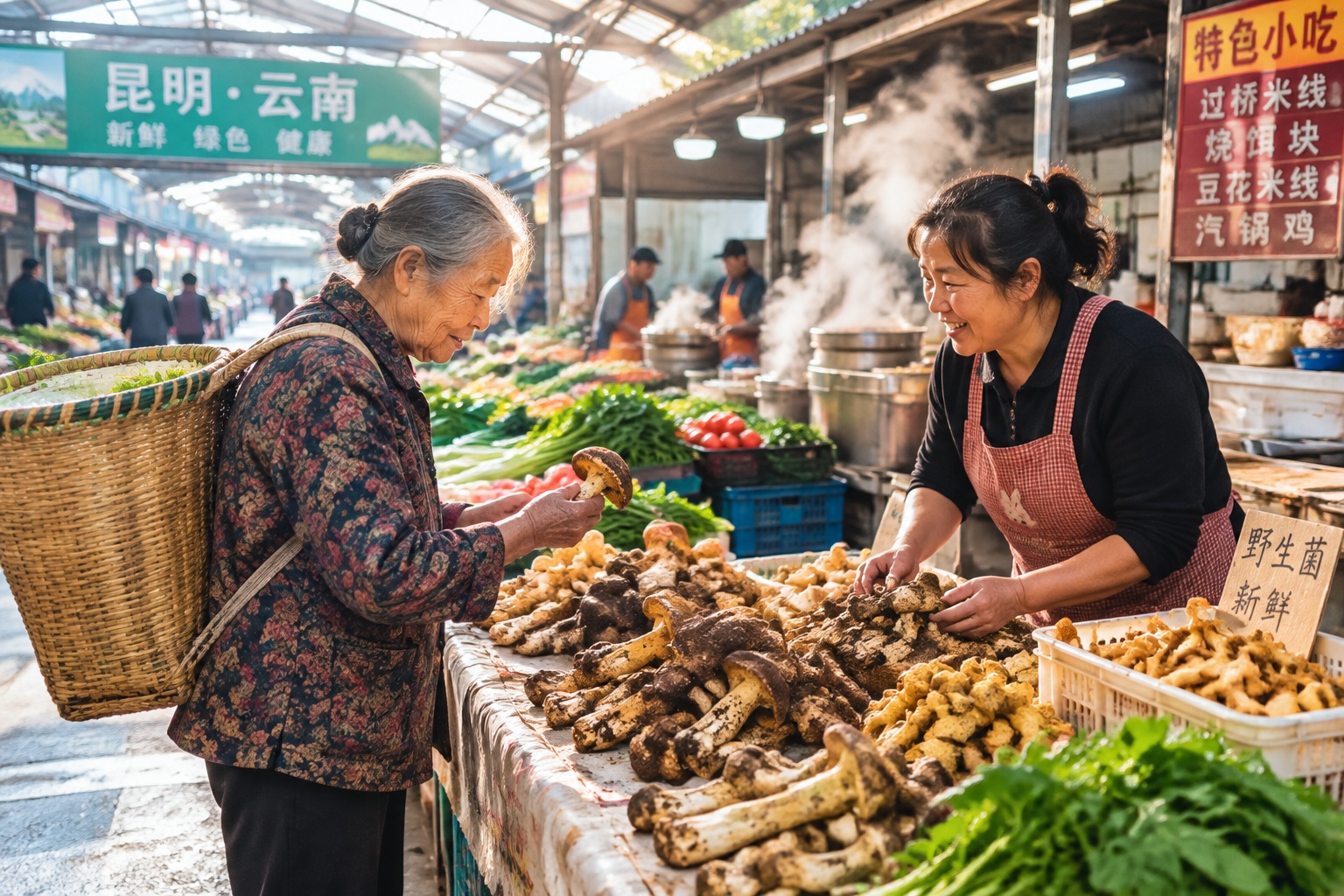
If you think weekends in China are about sleeping in, try living in Kunming during the rainy season. Here, Saturday morning begins not with coffee, but with a frantic dash to the wet market. The air is thick with humidity and the earthy scent of soil. This isn’t just grocery shopping; it’s a critical operation.
For locals, the weekend menu hinges on wild mushrooms. Unlike supermarket produce that sits on shelves for weeks, these fungi are picked at dawn and must be cooked by dusk. Missing this window means missing out on the season’s only flavor, or worse, risking food poisoning. It is a high-stakes culinary game where time is the most expensive ingredient.
Mastering the Morning Hunt
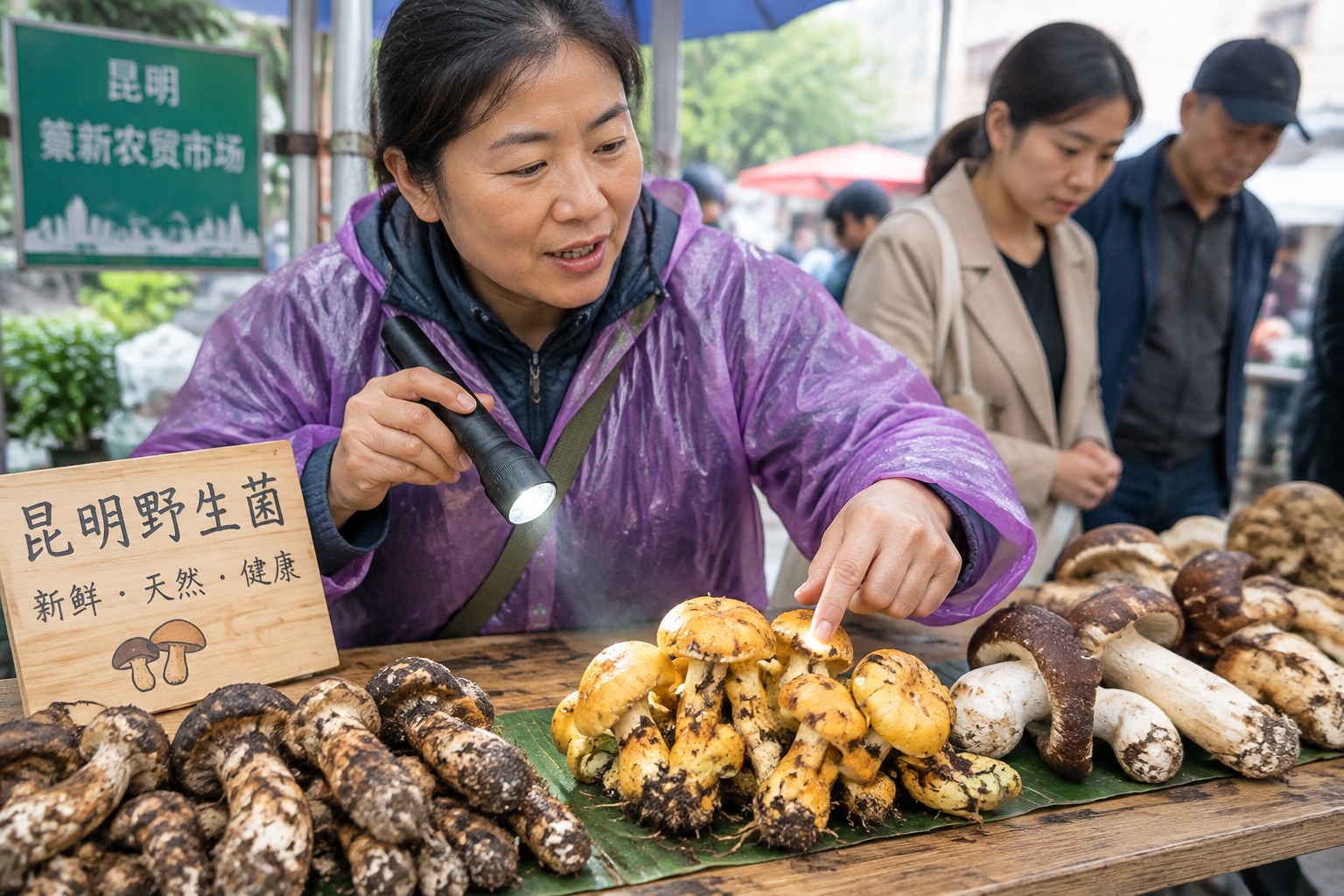
The scene at the flower and vegetable markets before 8 AM is chaotic but strangely orderly. You’ll see grandmothers in raincoats, armed with flashlights, peering into crates of damp earth. They don’t read labels; they know by touch and smell.
“Look for the one that smells like fresh soil, not metal,” a vendor named Li might tell you, pointing to a cluster of morels. “If it looks too bright red, run.” This isn’t superstition; in Yunnan, safety is a local knowledge passed down through generations. The government has stepped in with strict regulations and public education campaigns, but the final check still happens on your kitchen table.
For visitors, this can be terrifying. “Can I just eat that?” is a common question. The answer is usually no unless it’s from a trusted vendor who knows how to identify them by species. It adds a layer of excitement and anxiety to the shopping trip that you won’t find in a sterile Western supermarket.
The Clockwork Family Dinner
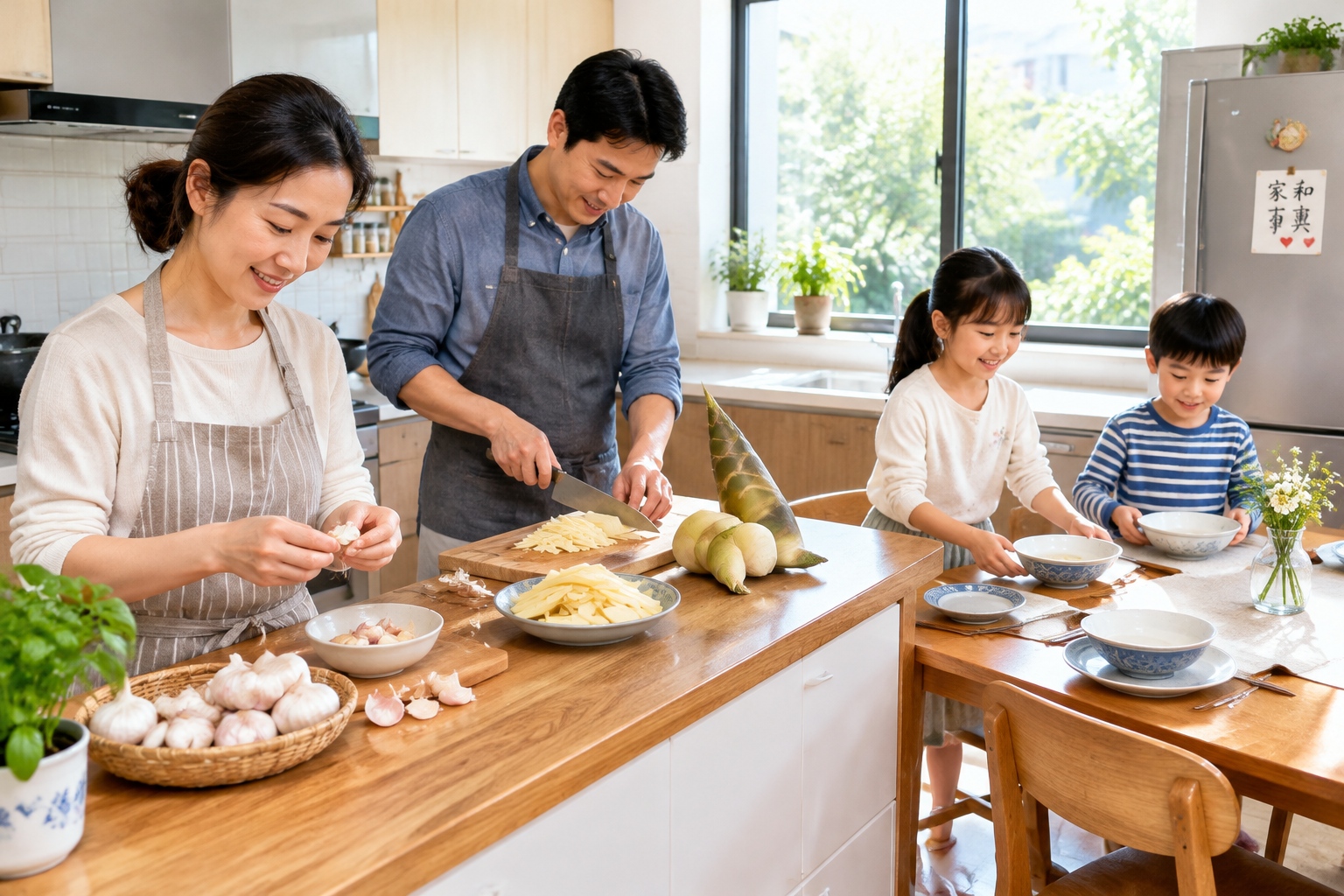
By noon, the energy shifts from hunting to cooking. In many Yunnan households, weekend meals are a family project. The mother peels garlic while the father slices bamboo shoots; teenagers scroll through delivery apps for side dishes, and grandparents guard the pot.
Time management here is rigid. If you boil the mushrooms too long, they lose their texture. Undercook them, and the toxins remain. It’s a delicate dance. Families often coordinate via WeChat groups in real-time: “The water is boiling,” “Mushrooms are cut,” “Table set.” This digital coordination ensures that when guests arrive at 6 PM, the pot is bubbling perfectly.
This ritual reflects a deeper truth about modern China: technology doesn’t replace tradition; it accelerates it. WeChat keeps the family synchronized so they can focus on the one thing that matters most—the food.
The Sensory Explosion of Hotpot
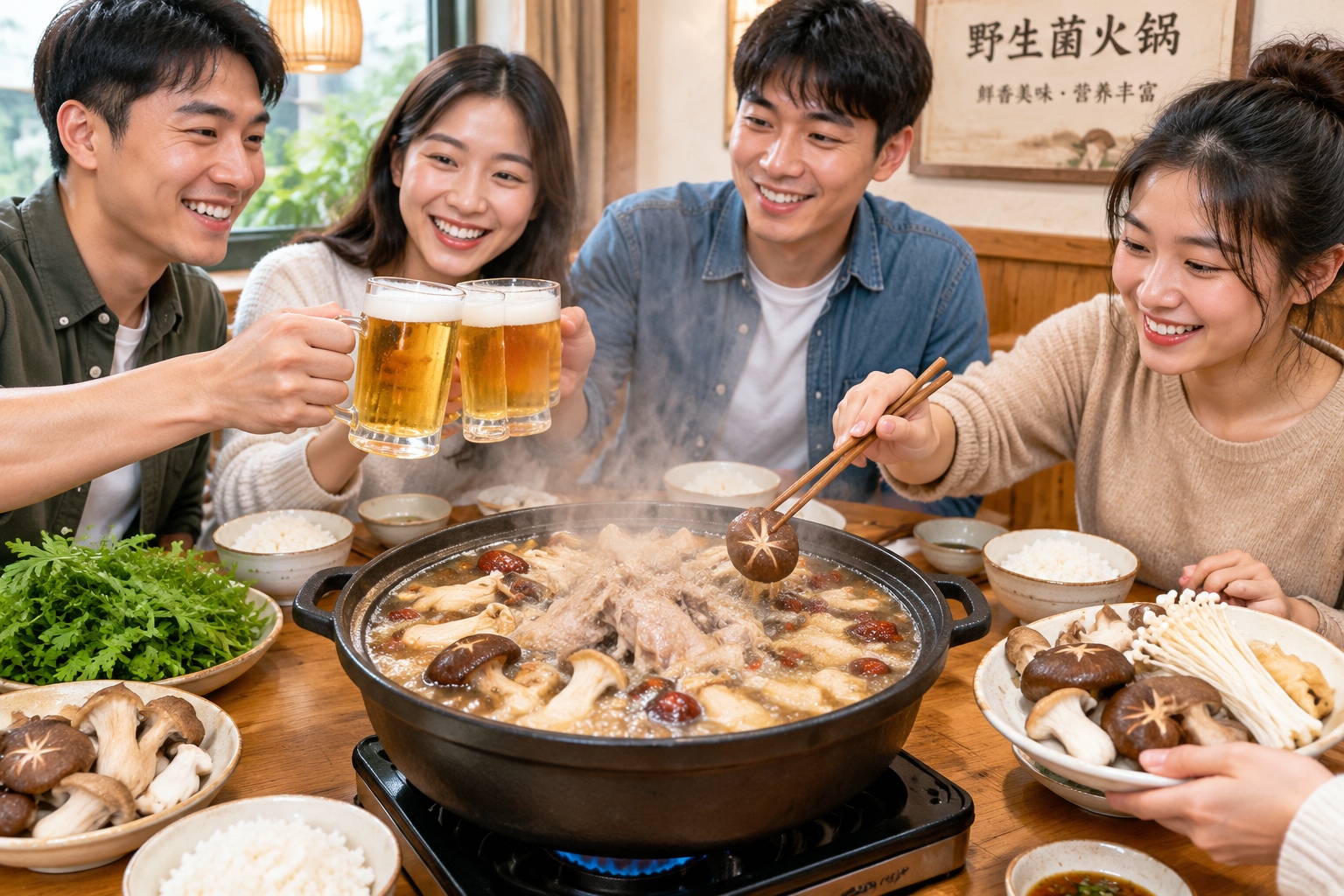
When the soup finally hits the table, the aroma is intoxicating. It’s not just boiling water; it’s a rich broth made from chicken bones and dried tangerine peels, infused with the deep, umami scent of forest fungi. The texture is unique—meaty yet tender, with a slight crunch that signals freshness.
Dining in Yunnan is communal. Everyone dips their own ingredients into the shared pot, but there’s a rhythm to it. You wait for the mushrooms to float before eating them. It’s a moment of collective patience and anticipation. The clinking of beer glasses mixes with the bubbling broth, creating a soundtrack of joy that feels very different from the quiet solitude of a Western dinner party.
From Table to Street: The Night Shift
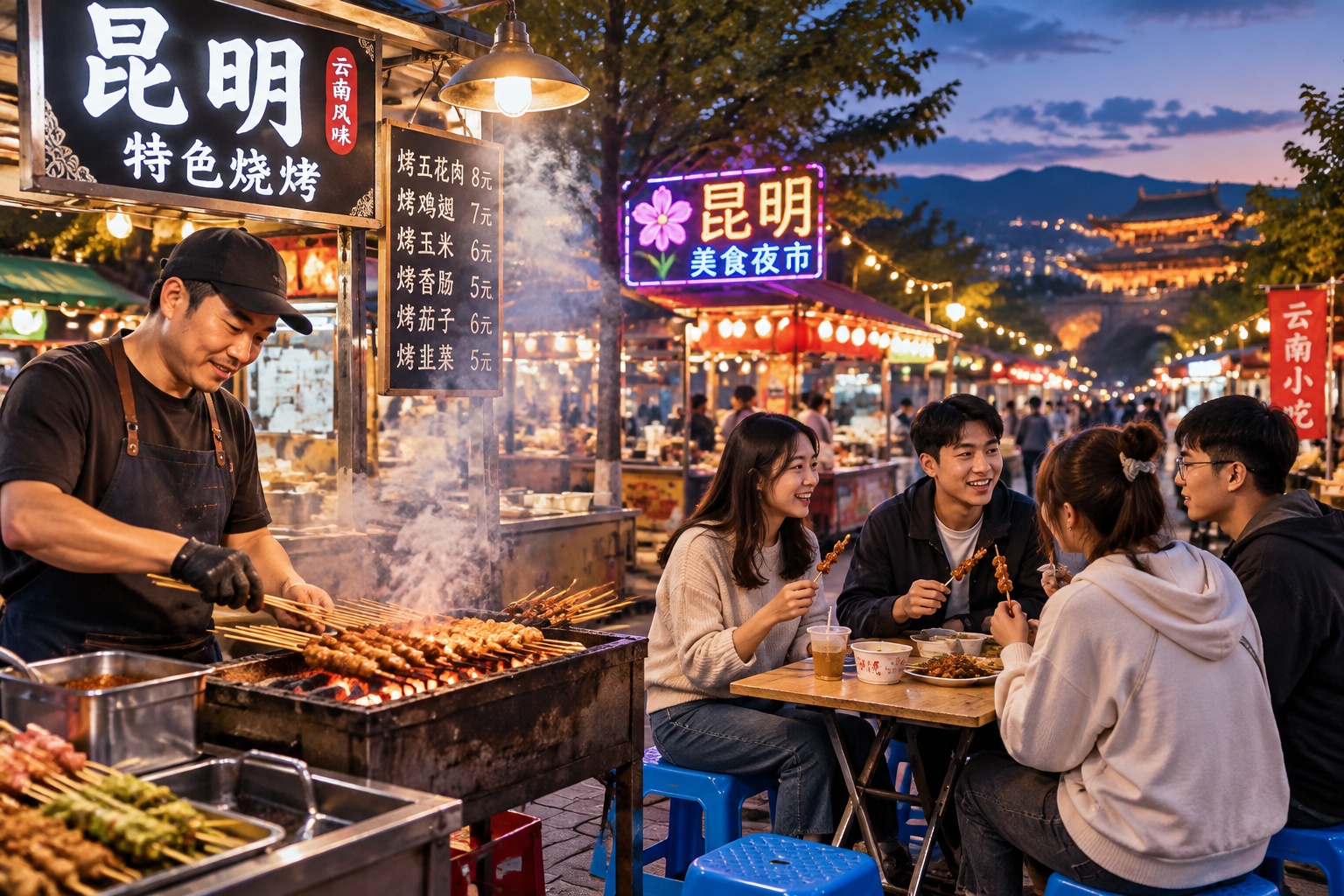
Once the hotpot pot is empty, the night has barely begun. In Kunming, the transition from home dining to street food is seamless. Within 30 minutes of finishing dinner, families might be walking to a nearby night market.
This isn’t just about hunger; it’s about socializing. Street BBQ skewers are grilled over charcoal fires right in front of you. The smoke mixes with the smell of chili oil and cumin. You sit on low plastic stools, eating with your hands, talking about work or school. It’s unpretentious and loud.
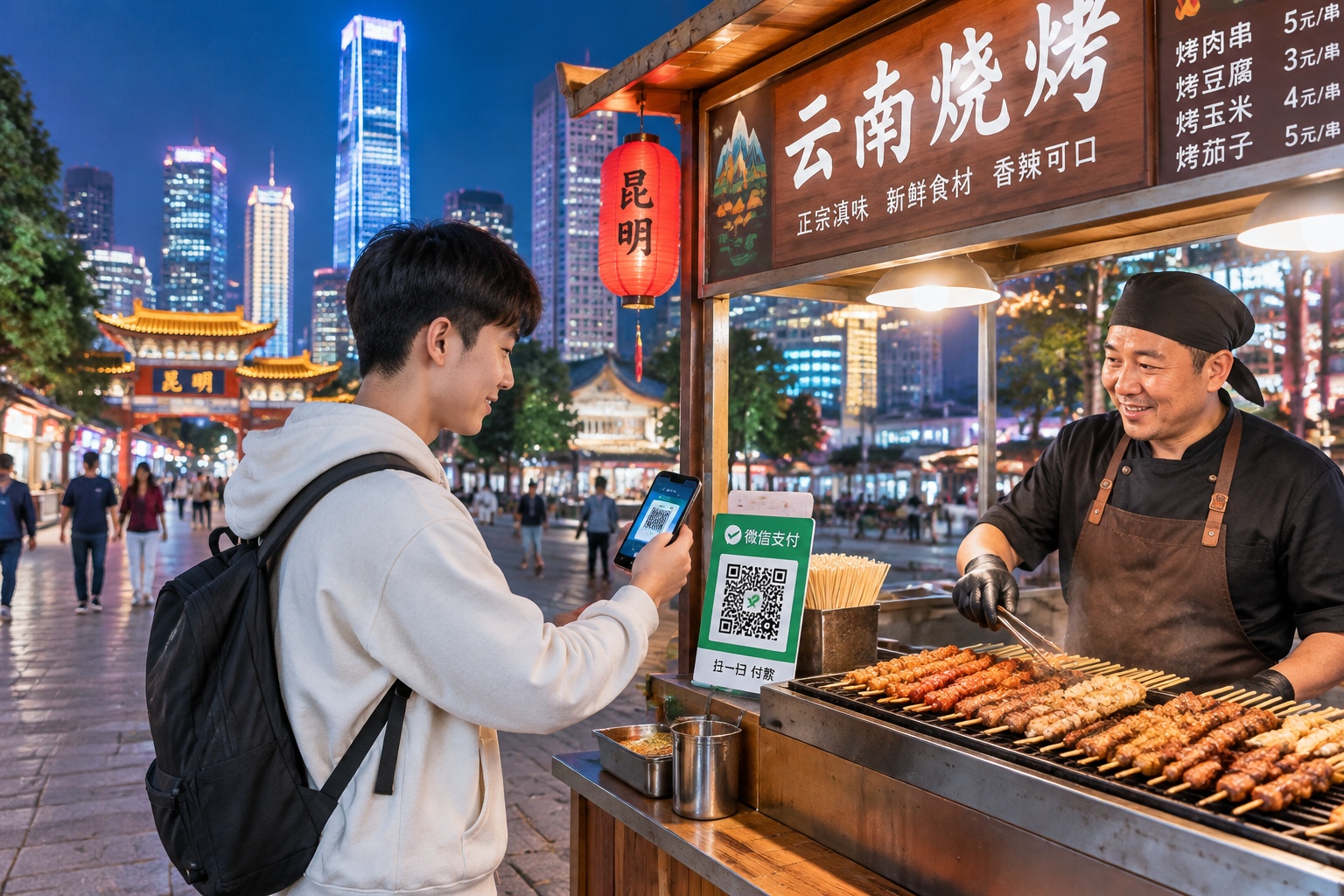
Here, the modern convenience culture meets ancient tradition. A teenager pays for their skewers with a quick scan of a QR code on their phone, while the vendor grills over an open flame that has likely been used for decades. The blend is seamless: high-tech payment, low-tech cooking.
What This Says About China
This weekend routine reveals more than just what Yunnanese people eat. It shows how rural and urban lives are intertwined. People who work in high-rise offices in the morning return to markets that feel like they haven’t changed in 100 years.
It also highlights a shift in food safety culture. Decades ago, wild mushroom poisoning was a common tragedy. Today, strict regulations, better education, and a culture of caution have made these delicacies safe enough for regular consumption, turning a potential danger into a beloved tradition.
Finally, it shows the universal human desire for connection. Whether in Kunming or New York, we gather around food to bond. But in Yunnan, the stakes are higher, the rhythm is faster, and the flavor is unforgettable.
Start the discussion at forum.chinacomes.com