

The Scent of Nightlife
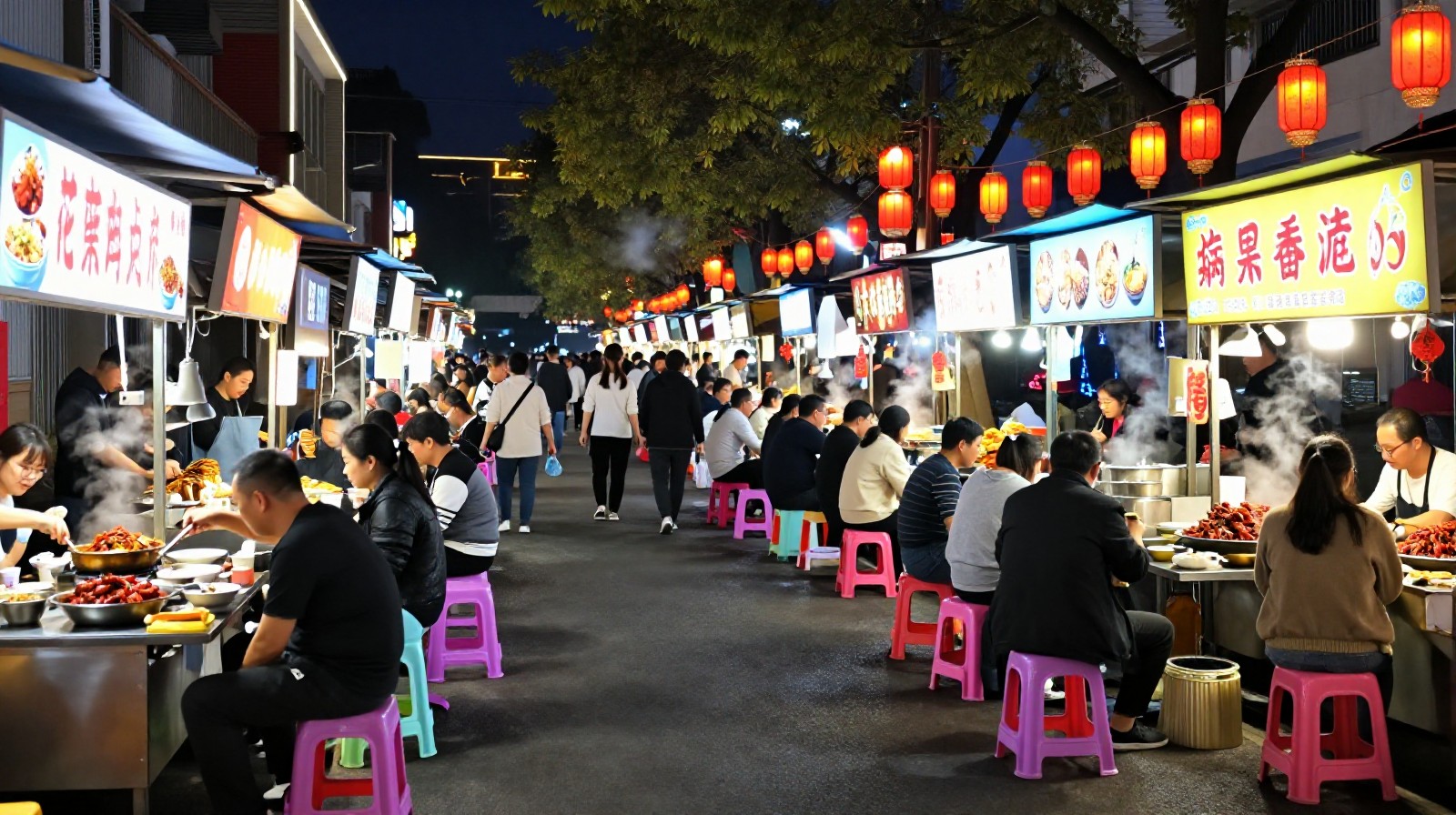
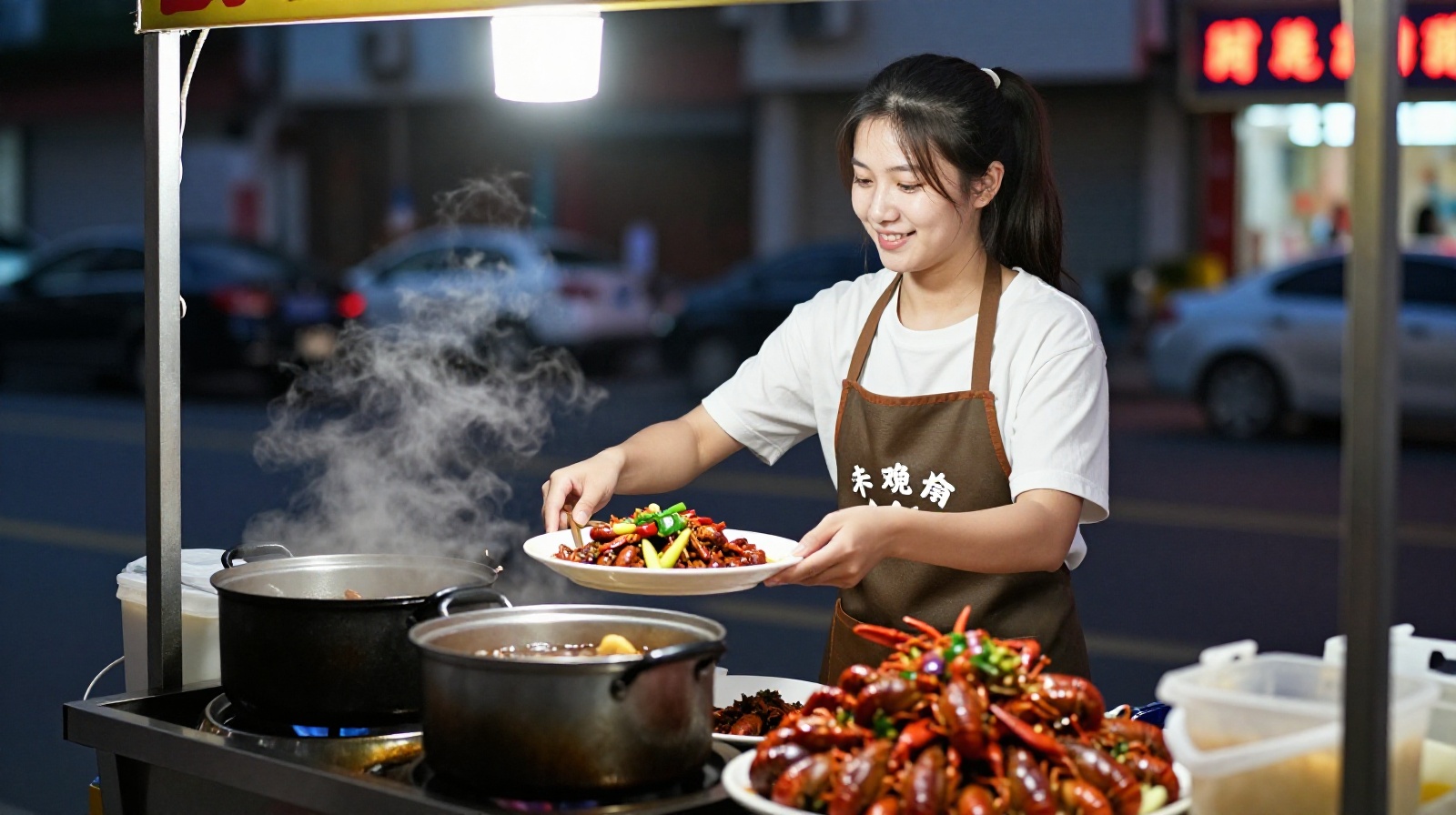
It is past 10:30 PM in Hankou, Wuhan. The air is thick with the scent of garlic, chili oil, and sizzling vinegar. This isn’t a chaotic mess; it is an organized symphony of clinking beer bottles, shouting orders, and the rhythmic cracking of crab claws.
Wuhan’s night markets have long been famous in China, but for international observers, they often remain a mystery wrapped in stereotypes of “noise” and “disorder.” The reality is far more nuanced. Here, under the glow of red LED signs, strangers sit shoulder-to-shoulder on low plastic stools, sharing tables with total ease.
Walking through these alleys, you don’t see a lack of order; you see a different kind of social contract. It is a space where work ends, and life begins in earnest. The “chaos” is actually a high-density form of community interaction that Western cities often struggle to replicate in their own public squares.
The Ritual of Cracking Shells
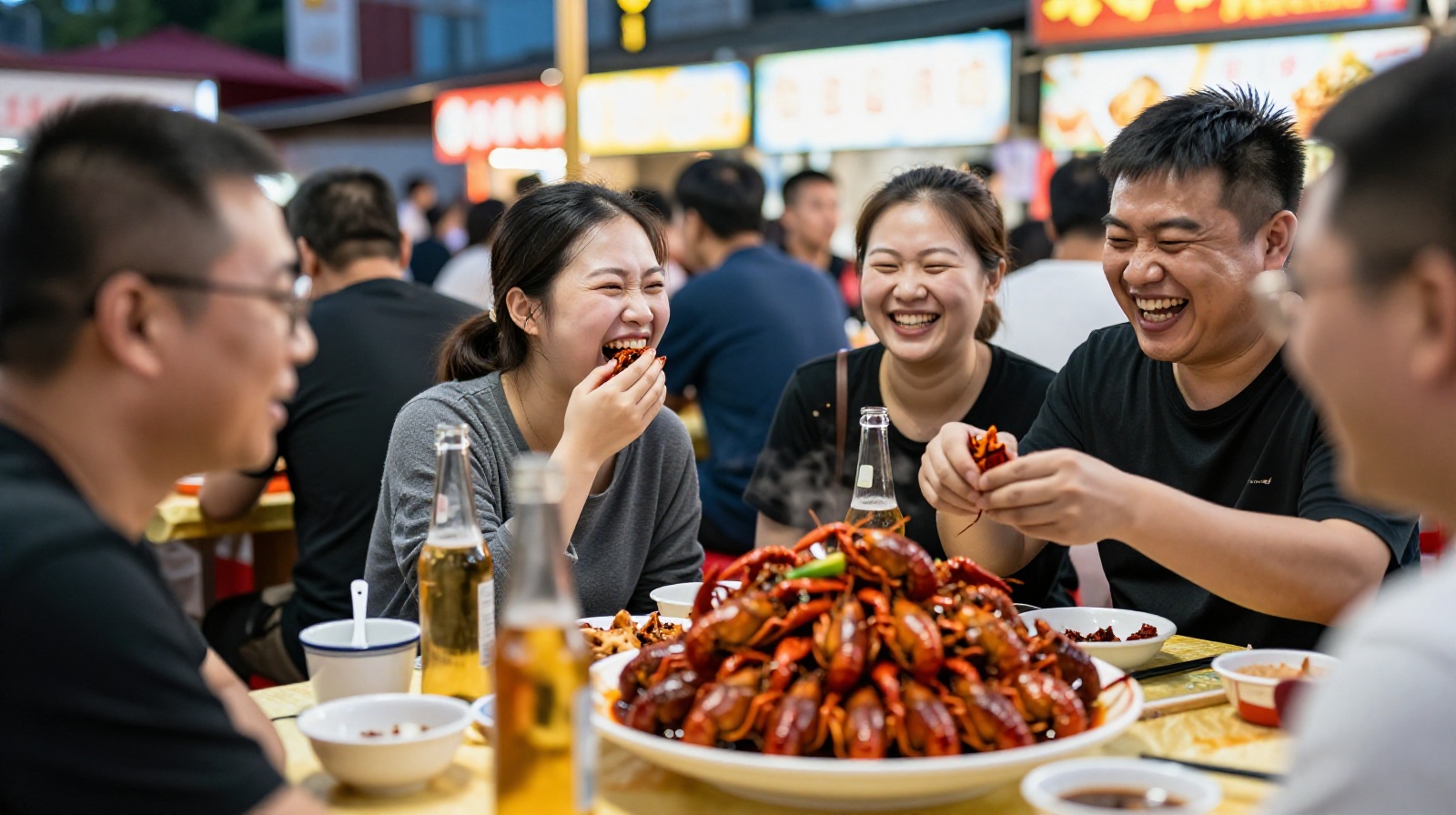
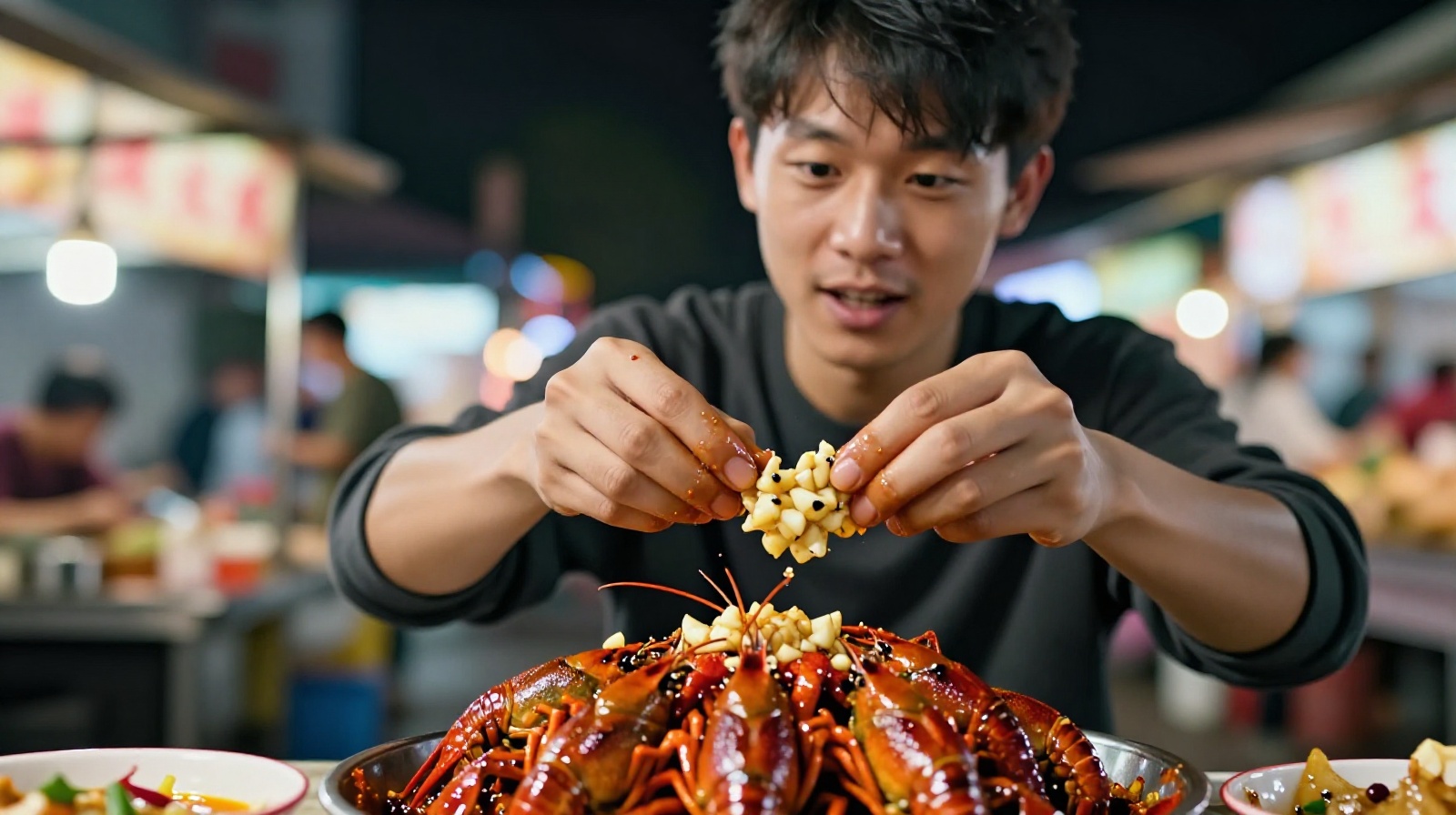
In the West, eating seafood might be a formal affair or a quiet family dinner. In Wuhan, eating crayfish (xiaolongxia) is a full-body social event. The process demands focus—peeling away the shell to reveal the meat—and that shared effort breaks down barriers.
Imagine sitting at a table with three locals. You have no idea how to peel them efficiently. A man named Li, a 24-year-old graphic designer, demonstrates the technique: twist the tail, pull back the head, and suck the juices from the shell before eating the meat. It’s messy. Your fingers smell of garlic for an hour.
But within those ten minutes of messiness, a conversation flows freely. You talk about work stress, travel plans, or the best places to hide in the city. The food is spicy and heavy; it forces you to pause, laugh, and engage. It’s not just about calories. It’s about connection.
This ritual has evolved beyond dining into a cultural anchor for young people. For Gen Z here, the night market is a living room without walls. They come to unwind, to network, or simply to exist in a space that feels unpretentious.
Digital Convenience in Traditional Spaces
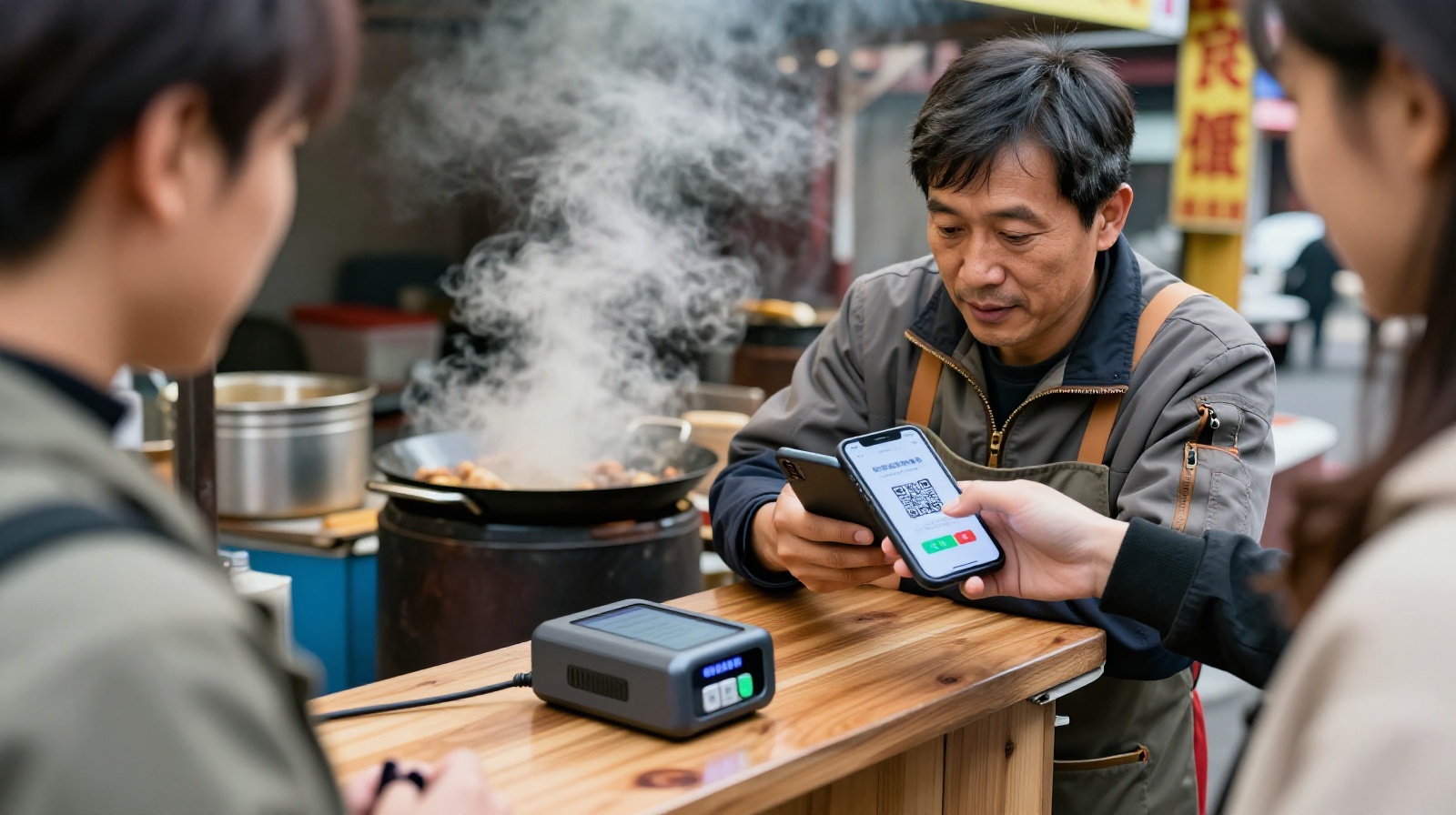
One might expect such a traditional scene to lack modern infrastructure. Yet, the integration of technology is seamless. You won’t find cash changing hands at these stalls. Every transaction happens via WeChat Pay or Alipay.
A vendor scans your QR code with a small handheld device while simultaneously shouting a new order to the kitchen. The speed is remarkable. It’s efficient, but it hasn’t erased the human element. Instead, the digital layer sits on top of the physical warmth of the market.
Unlike in some Western cities where cashless systems can feel cold or isolating, here, technology serves as a bridge. A foreigner with no local bank card can still pay instantly using an app linked to their phone number. The “bargaining” is less about price and more about flavor preferences—”extra spicy,” “no cilantro,” or “more vinegar.” The transaction is quick, but the interaction remains deeply personal.
The Economic Pulse of the Night Shift
Why choose a street stall over an office job? For many young people in Wuhan, the answer lies in autonomy and immediate reward. After the pandemic, the confidence to start small businesses has surged.
Take Xiao, a 26-year-old who left a corporate marketing role two years ago. “The salary was good,” she admits, “but I hated the endless meetings. Here, my income is directly tied to how hard I work tonight.” Her stall sells spicy crayfish and cold beer. On busy nights, she can earn in four hours what her old office job paid for a week.
This shift reflects a broader trend in China’s urban economy: the rise of the “flexible gig economy” alongside traditional retail. Small businesses are resilient because they have low overheads and high adaptability. If a neighborhood changes, the vendor moves their stall to the next busy intersection. This agility keeps the night markets alive even during economic fluctuations.
These stalls are not just food vendors; they are incubators for local entrepreneurship. They provide jobs for drivers, cooks, and servers who might have been left behind by the digital transformation of larger corporations.
More Than Just a Meal
Wuhan’s night markets offer a window into a society that values community, adaptability, and tangible living standards. They are not perfect—traffic can be congested, and hygiene varies—but they represent the heartbeat of modern Chinese urban life.
For international readers, understanding these spaces is key to understanding China today. It’s a place where tradition meets hyper-modernity, where strangers become friends over spicy food, and where economic recovery is felt in the sizzle of oil and the clink of glasses.
The next time you hear about “China,” don’t just think of skyscrapers or high-speed trains. Think of a crowded alley in Wuhan at midnight, where the real story is being told over a plate of crayfish.