

The Myth of ‘Always Packed’
Most visitors imagine West Lake as an endless sea of selfie sticks and tour buses, a chaotic bottleneck where you can barely see the water. But that is only half the story. I live in Hangzhou, and my experience on the lake’s shores changes completely depending on when—and how—I show up.
The truth is, the crowds are not evenly distributed. They cluster around the Broken Bridge (Duan Qiao) and Su Causeway during midday weekends. But just 15 minutes away, or an hour earlier in the morning, the lake reveals its quiet, poetic soul. The key isn’t avoiding West Lake; it’s understanding the rhythm of the locals.
The Real Traffic Pattern: Tech as a Local Secret
Locals don’t guess where to go; they check data. In China, WeChat is more than a messaging app—it’s a portal to city services. Before heading out on a Saturday, I open the local ‘Hangzhou Tourism’ mini-program or simply search for crowd heatmaps.
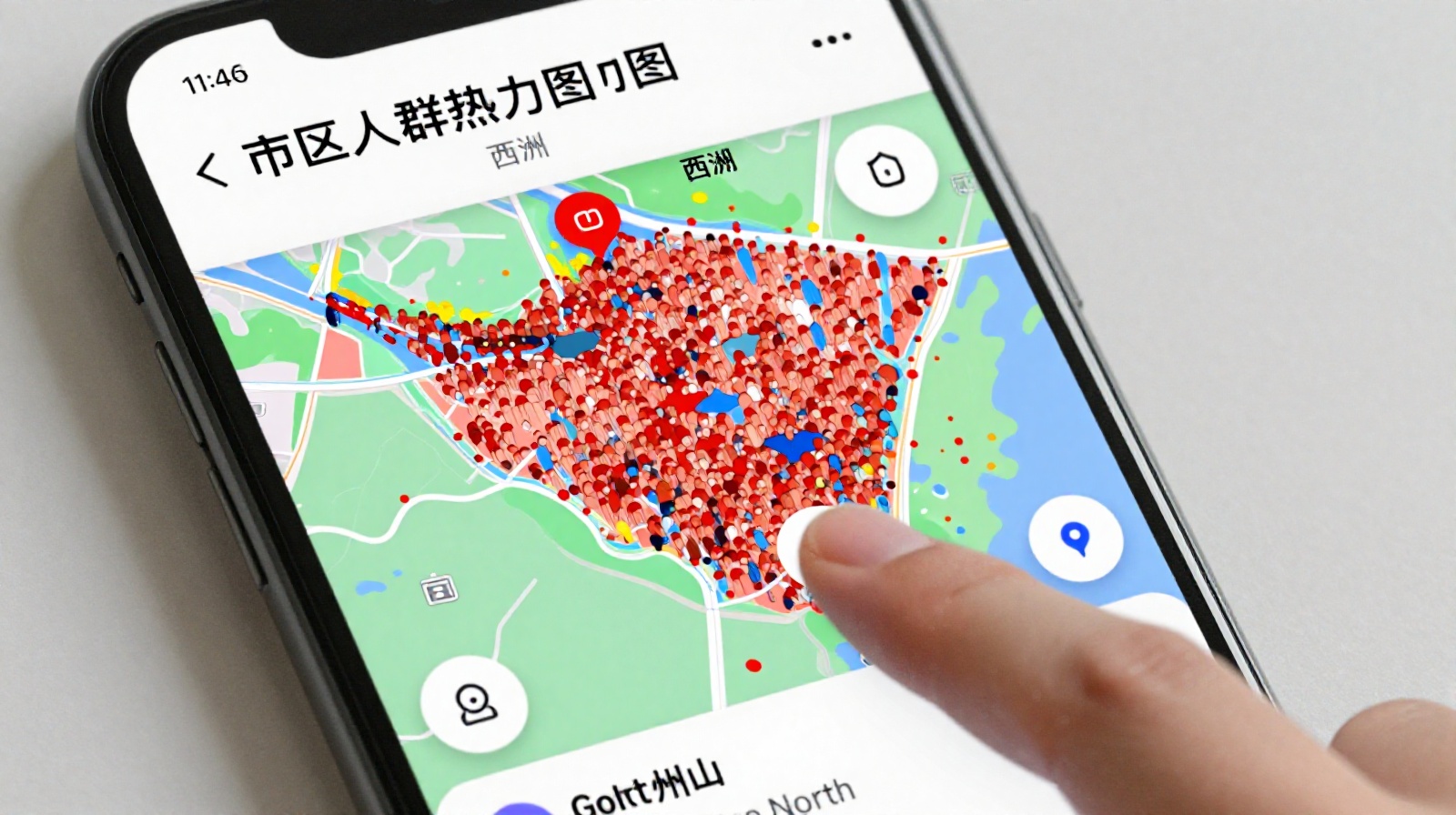
These maps show real-time density in red and green zones. If the Broken Bridge is glowing red (overcrowded), the app might suggest the quieter north side of the lake, near Gu Shan (Gu Mountain), where you can still see the iconic Three Pools Mirroring the Moon without fighting a crowd. This digital layer turns a chaotic tourist destination into a navigable space.
Even the public transport system helps. The ‘Hangzhou Public Transport’ app tells you exactly when the next bus or bike-share arrives, letting you bypass the main drop-off points where tour groups congregate and head to secondary stops instead.
Morning Rituals vs. Afternoon Tours
Time is the most powerful tool for avoiding crowds. By 10:00 AM on a weekend, the main pathways are already shoulder-to-shoulder with tourists from Shanghai, Beijing, and beyond. But if you arrive at 6:30 AM, the scene is entirely different.
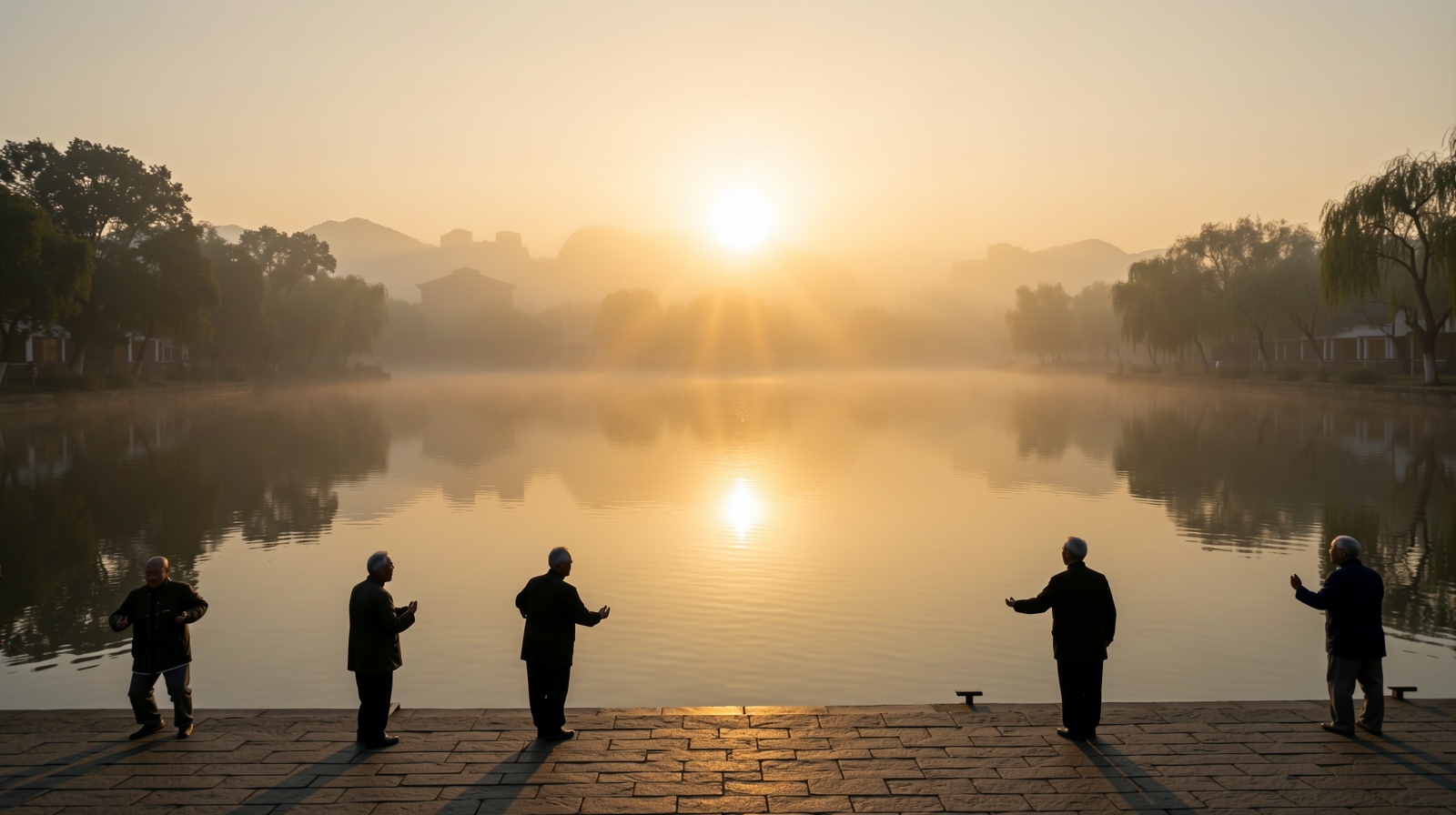
I often walk along the West Lake Promenade before sunrise. The air smells of damp earth and osmanthus flowers (in autumn). You will see locals practicing Tai Chi in perfect silence, elderly couples walking hand-in-hand, and groups jogging to the rhythm of their own music. There are no tour guides shouting into microphones here—just the sound of water lapping against the stone steps.
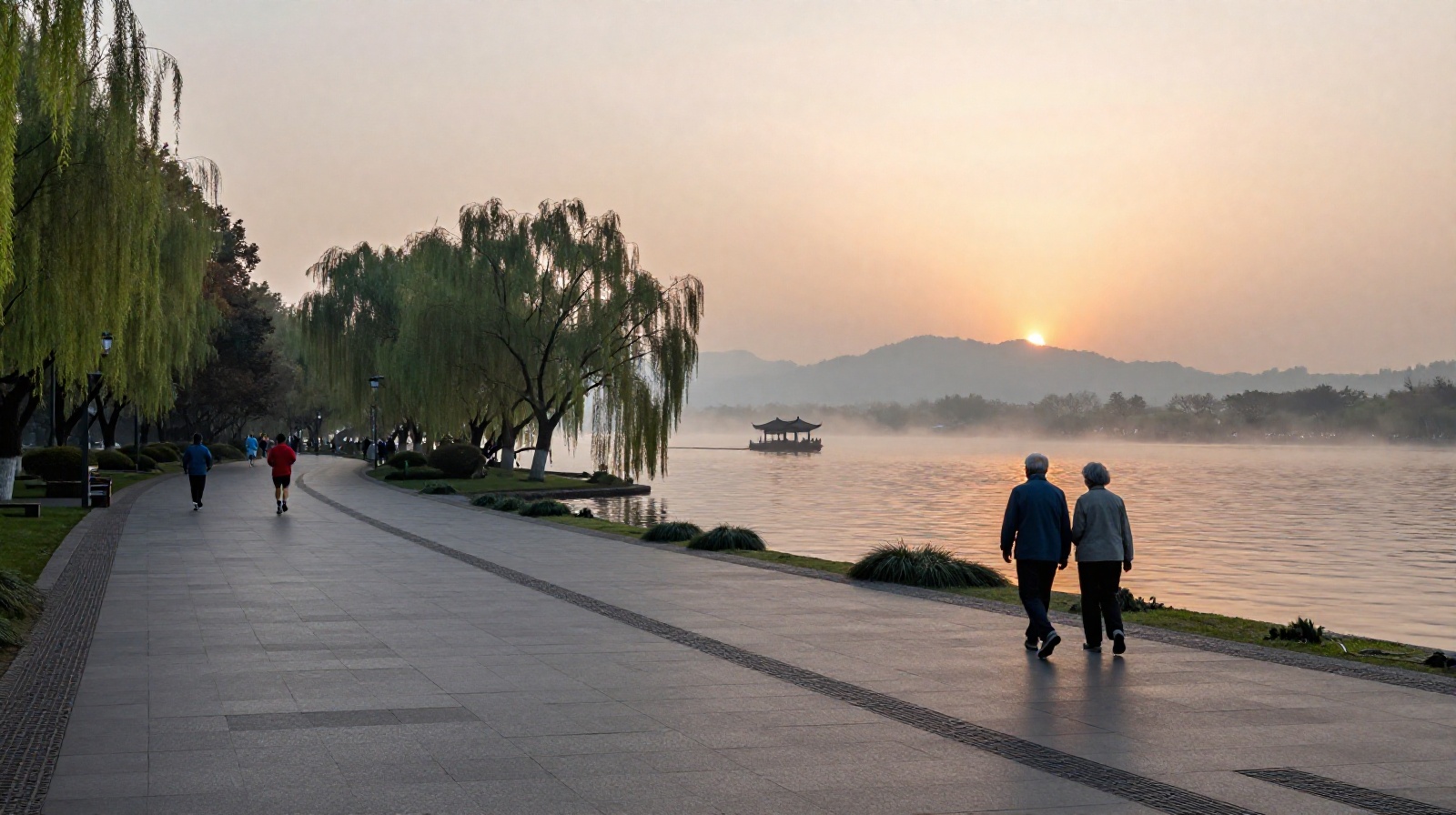
This is the ‘local loop’ time. Once the sun hits its peak around noon, the crowd shifts back and forth like a tide. The smartest strategy for foreigners is to treat the morning as your prime viewing window and save the afternoon for coffee or indoor museums if you must be there.
Hidden Alleys: The ‘Local Loop’ Routes
If you walk straight from the train station to the main causeways, you are walking into a zoo. To find the real Hangzhou, you need to take the small paths that branch off the main roads.
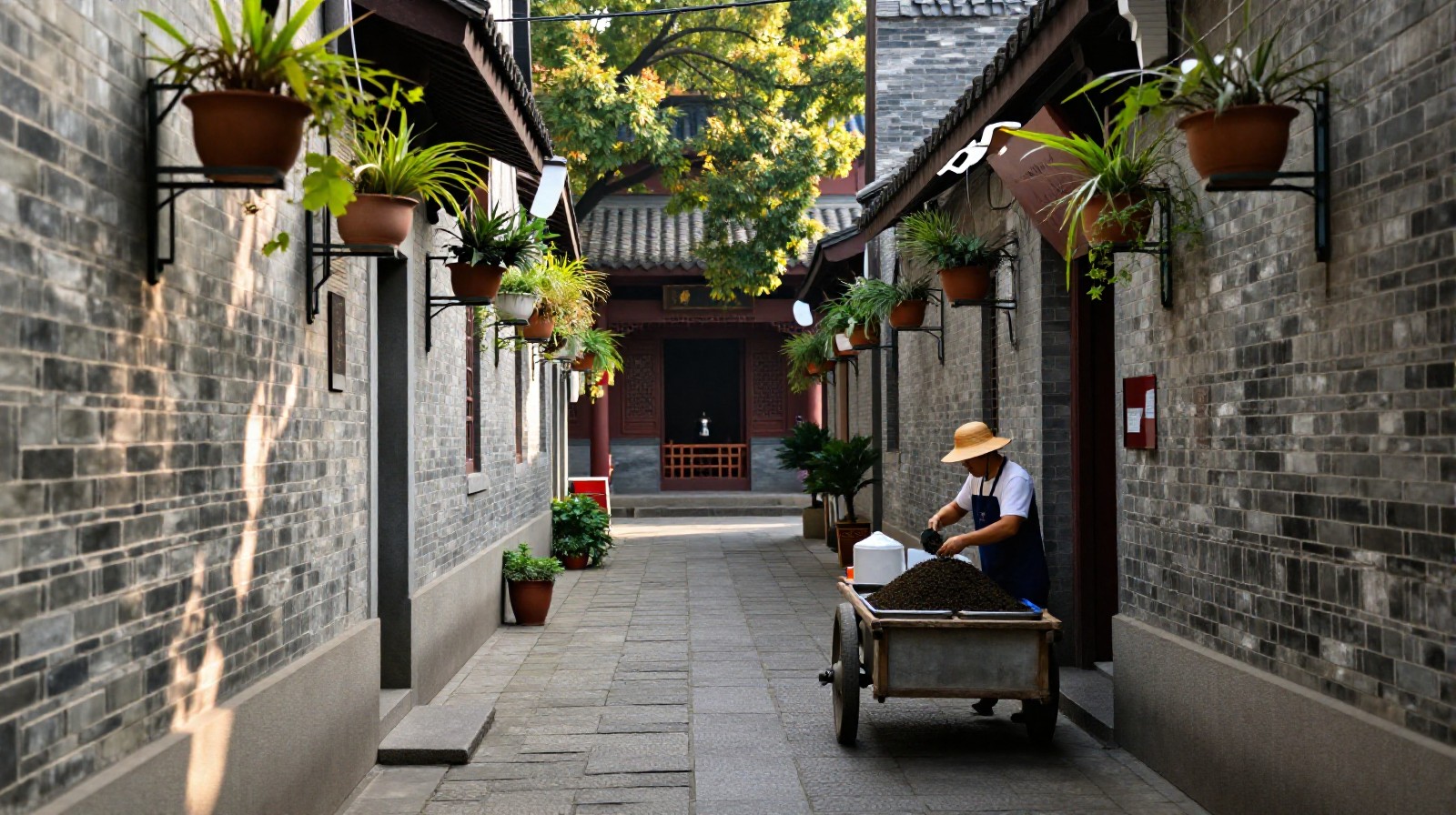
Try the path leading toward Liangzhu Culture Museum or the backstreets of Xixi Wetland’s northern perimeter. These areas are less about grand views and more about texture: old brick walls, children playing in courtyards, and vendors selling fresh tea leaves from their carts. The ‘Local Loop’ is a network of residential zones that tourists rarely see but locals use daily.
One of my favorite spots is the small temple tucked away behind a row of modern cafes near Longquan Road. It’s not on most guidebooks, yet it offers a stunning view of the lake from a distance, framed by ancient pines and quiet stone lanterns.
Tech Meets Tradition: Smart City Infrastructure
Hangzhou is often called China’s ‘Digital Capital,’ but this isn’t just about flashy skyscrapers. It’s about how technology manages the flow of people to preserve the environment. The city uses smart sensors and AI cameras to monitor crowd density in real-time.
When a section gets too crowded, digital signage automatically redirects foot traffic to less congested areas. This isn’t surveillance for control; it’s a system designed to keep the experience pleasant for everyone. For visitors, this means the city actively works to prevent bottlenecks before they happen.
A Conversation with a Local: The Fisherman’s View
Earlier this week, I spoke with Uncle Chen, a fisherman who has tended the northern waters of West Lake for thirty years. He doesn’t mind the crowds; he just knows how to navigate them.
‘In the past,’ he told me while pulling in his nets, ‘tourists would come at noon and stay until sunset. Now, they come early with their bikes or check the apps. I see fewer people on the water at midday than I did ten years ago.’ He pointed to a small boat near the reeds. ‘That’s where you find peace,’ he said. ‘The big boats stop there; only the locals know how to row that far.’ His words highlight a shift: the lake is becoming more accessible, but also more managed.
Practical Tips for Foreigners
To blend in like a resident, start with your transport. Download Alipay or WeChat Pay—they are essential for buying bus tickets and renting shared bikes. English support varies, so having a translation app ready is wise.
When walking, follow the locals’ pace. If you see people moving slowly along a path, it’s likely the ‘quiet zone.’ Avoid the main causeways between 10 AM and 3 PM unless you enjoy a human river. And remember: don’t just look for the ‘famous spots.’ The best views are often where no one is taking photos.
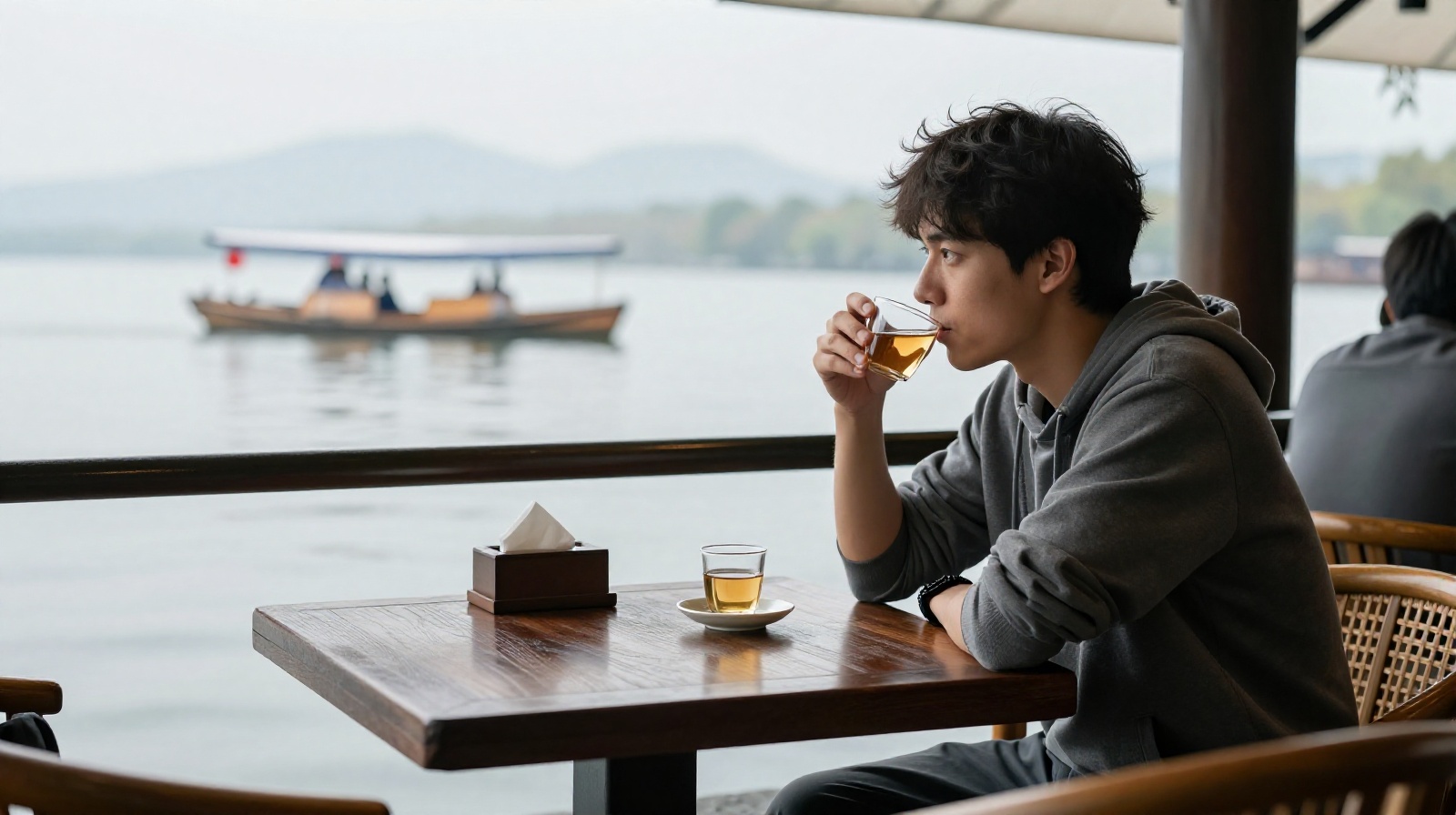
West Lake is not a museum to be stared at; it’s a living community. By stepping off the beaten path and respecting the local rhythm, you’ll find a version of Hangzhou that feels timeless, peaceful, and deeply human.