

It’s Not Just Noodles at 3 AM
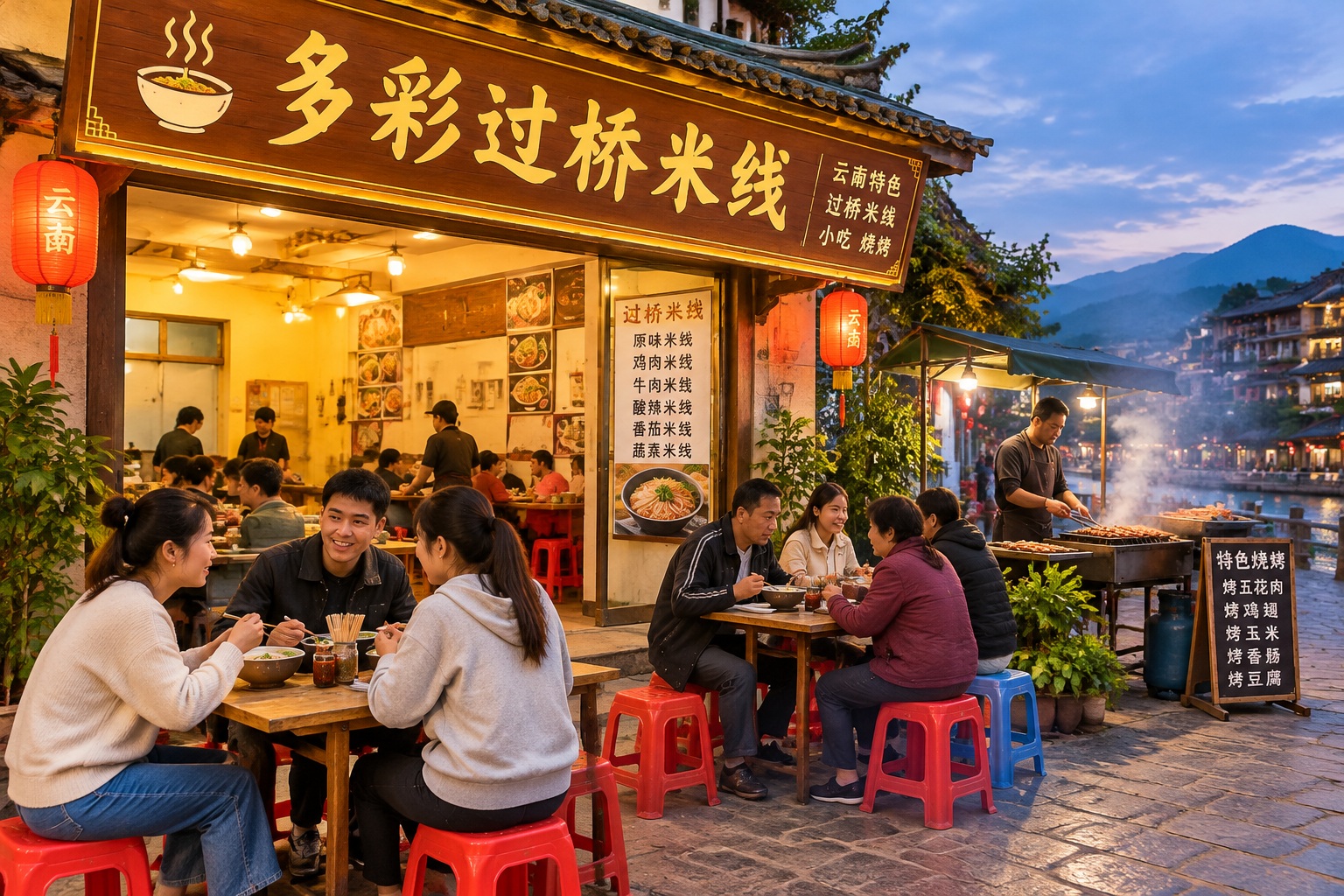
If you think Chinese night food means only ordering instant noodles in a dorm or eating street-side skewers while standing up, you haven’t been to Yunnan yet. I recently walked past a small shop in Kunming at 2:15 AM. The air was thick with the scent of roasting chili peppers and star anise. Inside, a group of university students were laughing over bowls of spicy rice noodles, while a truck driver nearby was quietly eating a plate of steamed fish. No standing, no rushing—just real food, real people, and a community that never really sleeps.
This is the ‘late-night economy’ in action, but not the kind you see in glossy magazines. It’s messy, loud, delicious, and deeply human. In Yunnan, where geography creates unique climates and cultures, night eating isn’t just about hunger; it’s a social ritual that bridges work shifts, university life, and family gatherings.
What Makes a ‘Late-Night Eatery’ in China?
In the West, late-night dining often implies a single 24-hour diner or a fast-food joint. In China, specifically Yunnan, it’s a diverse ecosystem. These spots range from open-air stalls with plastic stools to renovated storefronts with air conditioning and private rooms.
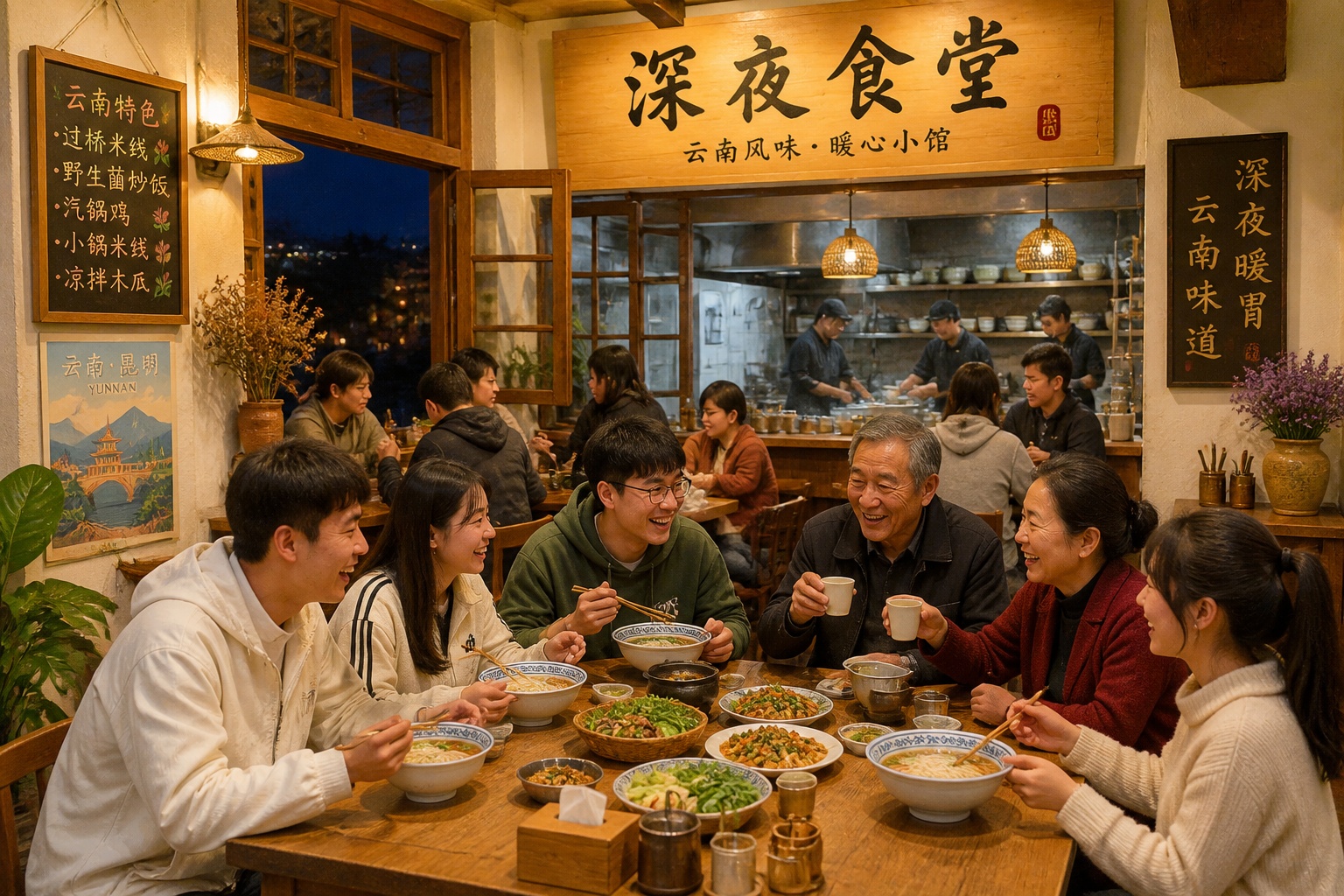
Locals call these places ‘Xiao Chi’ (little snacks) or simply the ‘night market’ even if they are standalone shops. The key difference is the vibe: it’s a community hub. You’ll see construction workers in hard hats sitting next to software engineers, students sharing buns with retired grandmothers. It’s one of the few places where social classes blur over a shared plate of food.
The 10 Spots Locals Actually Go To
Here are ten specific types of places you’ll find across Yunnan (from Kunming to Dali and Lijiang) that tourists rarely see but locals swear by. These aren’t just restaurants; they are snapshots of the region’s economic rhythm.
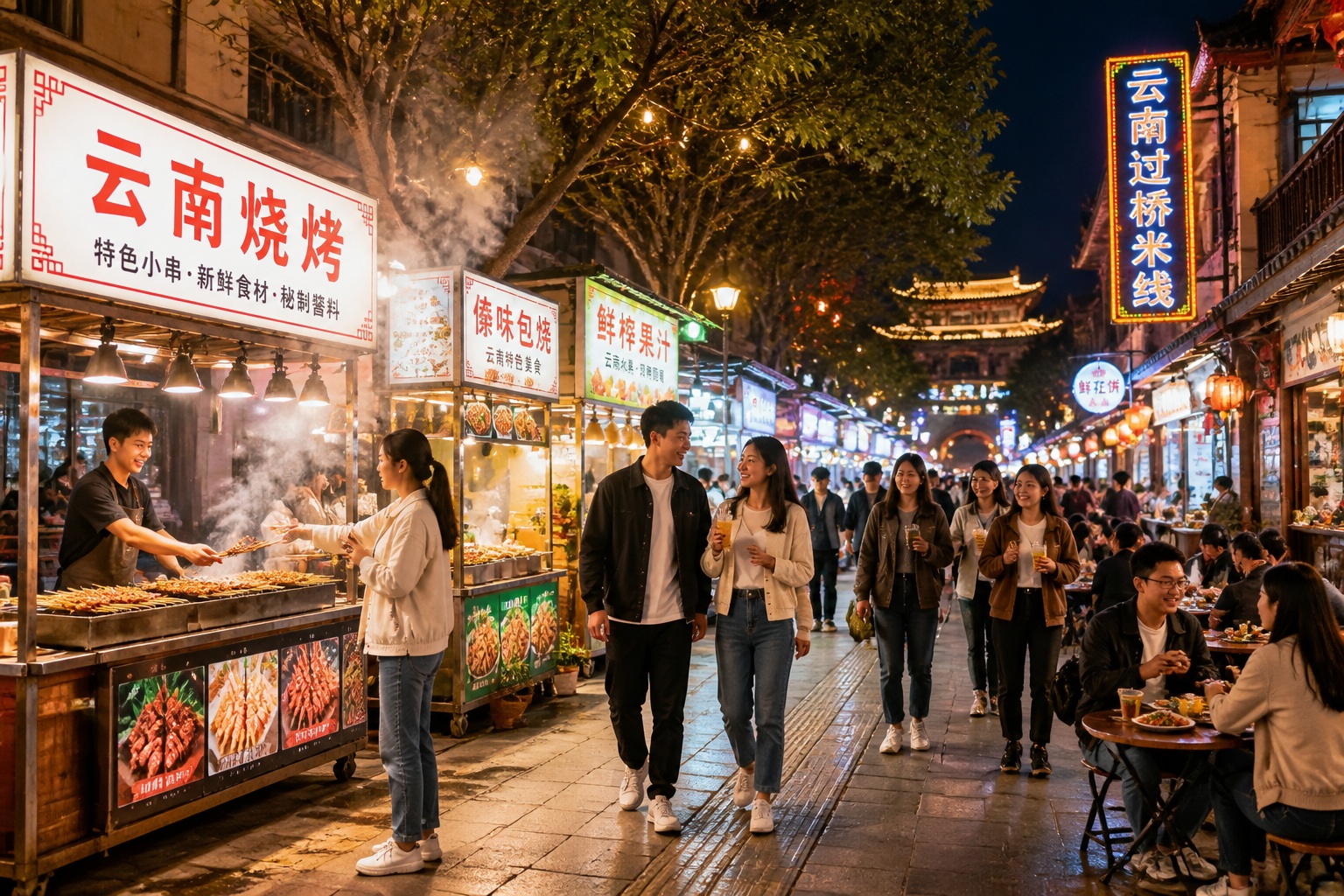
- The Smoky Grill Street: In many neighborhoods, there’s a specific alley where grills dominate. The smell hits you before you see the place. Locals order skewers and drink beer right on the street tables. It’s loud, smoky, and the best way to decompress after work.
- The 24-Hour Hot Pot: Traditional hot pot meets modern convenience. These spots offer self-service apps for ordering and cleaning, but the broth is simmered for hours in traditional clay pots. Perfect for groups wanting to chat through the night.
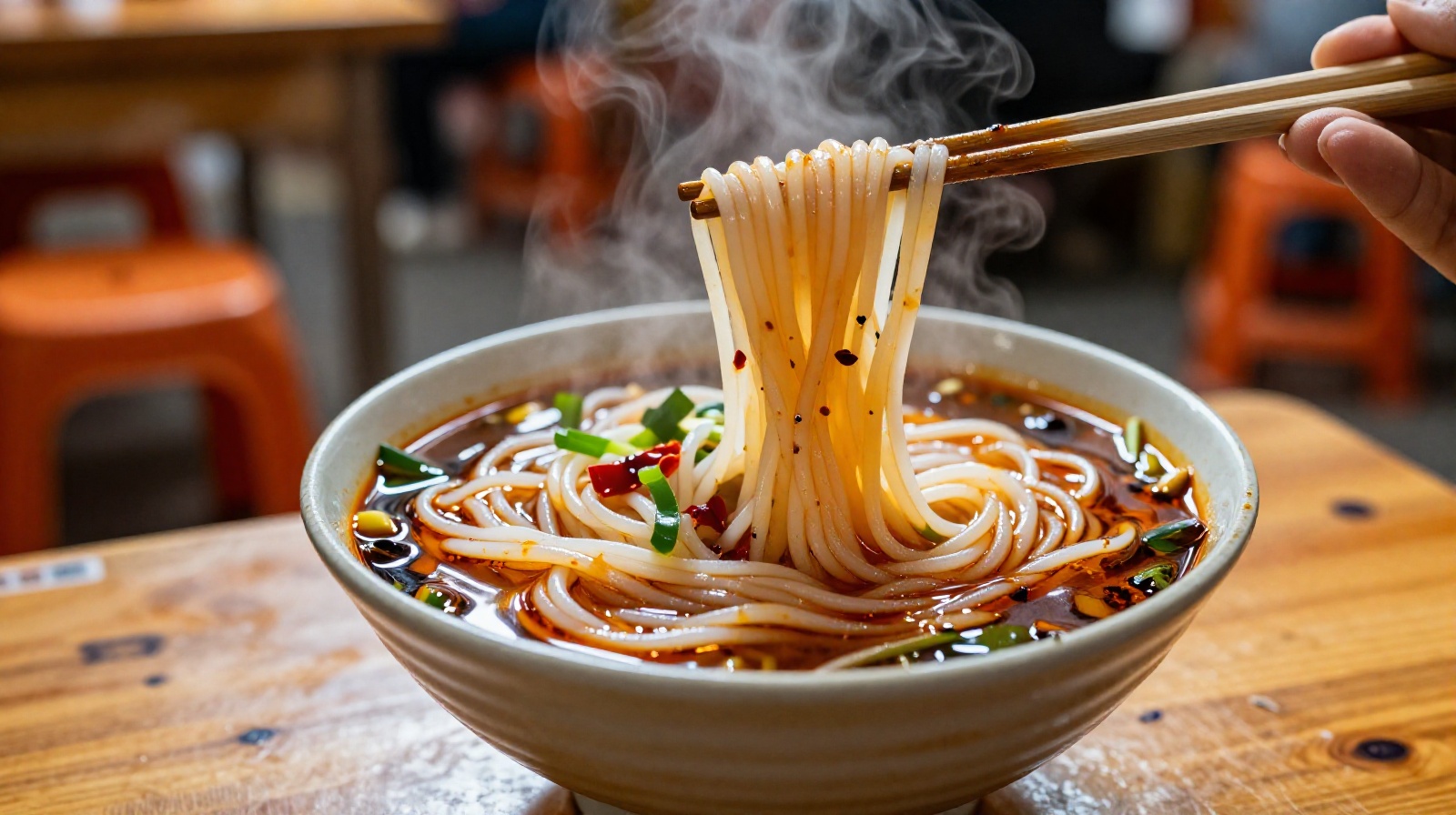
- The Rice Noodle Bar (Wan Tiao): Forget the fancy cross-bridge noodles. This is about simple, quick, spicy rice noodles served in huge bowls at 2 AM. The broth is clear but packed with flavor from dried fish and herbs.
- The Sweet Night Dessert Bar: A growing trend among youth. These small shops sell everything from coconut jelly to grilled fruits dipped in sugar syrup. It’s a place for young people to hang out without the pressure of a full meal.
- The 24-Hour Breakfast Spot: Yes, breakfast at night. In Yunnan, many workers start their shift at 5 AM, so they eat ‘breakfast’ at midnight. This spot serves steamed buns (baozi) and soy milk until dawn.
- The Grilled Fish Inn: Located near lakes in Dali, these spots serve whole fish grilled over charcoal with local herbs. It’s a staple for families gathering after a day of hiking or tourism.
- The Late-Night Dumpling Factory: Not a factory, but a place where dumplings are made fresh on-site until 4 AM. The texture is always perfect because they aren’t frozen.
- The Herbal Tea & Snacks Shop: A quieter option for those who want to eat but not drink alcohol. You get medicinal teas paired with savory snacks like dried tofu or spicy peanuts.
- The 24-Hour Coffee Roastery: Yunnan is famous for coffee. At night, these roasteries stay open, serving espresso and pastries to night-shift workers and creatives.
- The Community Canteen: Small, unassuming places run by families that serve home-cooked meals at low prices. They often stay open late because the owners live above the shop.
Why These Places Matter
These eateries reveal more than just good food. They show a resilient small-business sector. While big chains are struggling in some parts of China, these local spots are thriving because they offer what technology can’t: human connection.
The ‘night economy’ is a major driver of Yunnan’s GDP. It provides jobs for thousands—from the grill masters to the delivery riders who bring food to doorsteps at 3 AM. It also reduces urban isolation. In a rapidly modernizing city, these spots are where neighbors become friends.
For tourists, sticking only to guidebook recommendations means missing this pulse. The ‘real’ China isn’t in the museum or the high-end hotel restaurant; it’s in the plastic stools of a midnight noodle shop.
A Toast to Real China
If you visit Yunnan, don’t just look for the famous dishes. Walk into these late-night spots. Order something simple. Talk to the owner if they aren’t busy. You’ll find that behind the spicy flavors and smoke lies a community that values connection over convenience.
China is changing fast, but in these 10 places, the rhythm remains the same: food brings people together, no matter what time it is. So, next time you think of Chinese nightlife, imagine not just lights and neon, but a warm bowl of noodles shared with strangers who have become friends.
Start the discussion at forum.chinacomes.com