

A Lunch Break in Nanjing
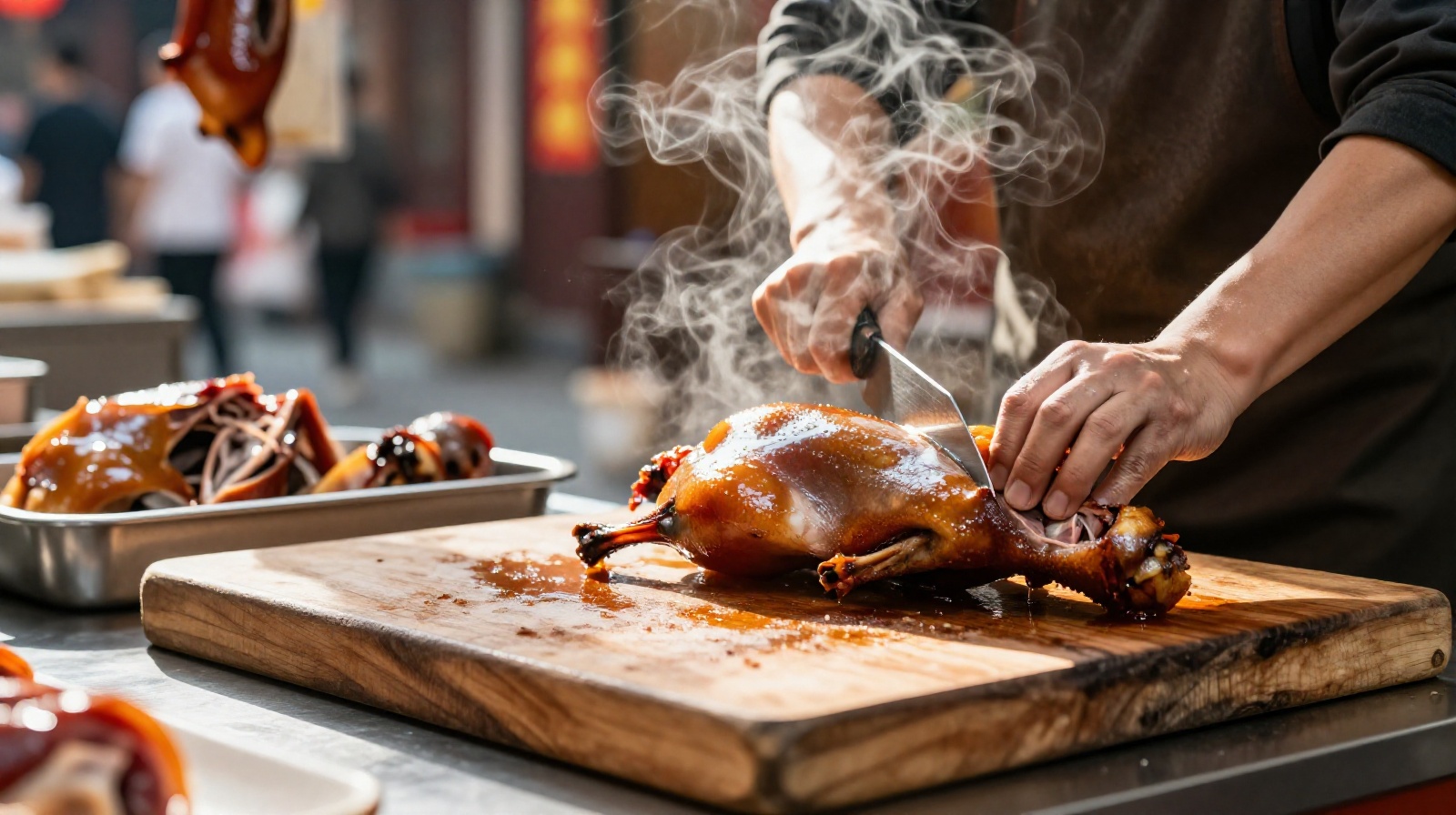
At 12:30 PM on a humid Tuesday, the narrow alley behind Xuanwu Lake fills with a specific, savory aroma. It is not the smell of frying or grilling, but something sharper and cleaner—the scent of salted duck meat being sliced. In this small neighborhood in Nanjing, millions of ducks are processed annually, yet for locals like Li Wei, a 24-year-old graphic designer, the ritual remains unchanged.
Li stops at his usual stall. The butcher, an older man with flour-dusted hands, slices the duck with practiced precision. A single piece costs about 15 yuan (roughly $2). It is served warm on a small paper plate, ready to be eaten immediately or packed for a quick meal at his office.
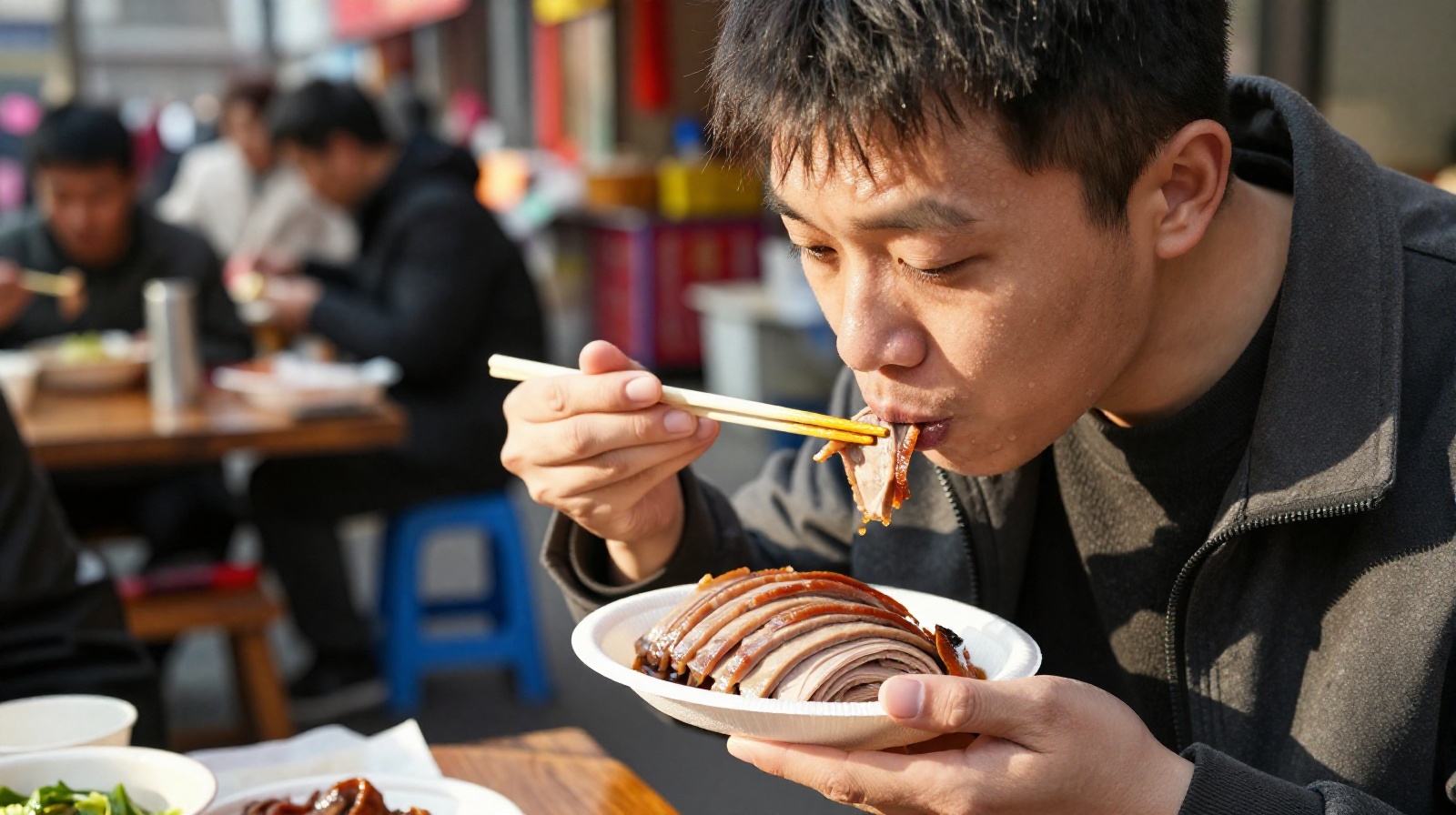
This simple act of buying lunch hides a complex transformation. The duck Li eats today might have been raised in a farm 500 kilometers away, slaughtered by an automated line, and chilled within hours using AI-driven quality control. Yet, the taste aims to replicate a craft perfected over three centuries.
The Old Craftsmanship: Patience as a Currency
Deep in the Gulou District, inside a workshop that has operated since 1948, Chen Guodong is preparing his third batch of the day. Chen is a third-generation butcher. In his small room, the air is thick with brine and salt.
“The secret isn’t magic,” Chen says, rubbing a duck carcass with a mixture of star anise and coarse salt. “It’s time.” He explains that traditional Nanjing salted duck requires two distinct salting phases followed by 15 days of air-drying in the specific humidity of autumn. Rushing this process ruins the texture.
For decades, this slow method limited the product to local markets. A customer had to be in Nanjing to get a “real” one. If you ordered it online back then, the duck often arrived dried out or spoiled within two days. The logistics were too primitive for such a perishable good.
The Supply Chain Revolution
Today, the landscape has shifted dramatically. In 2023, China’s cold-chain logistics network expanded by over 15%, connecting rural farms to urban supermarkets in record time. This infrastructure is the invisible engine behind dishes like salted duck.
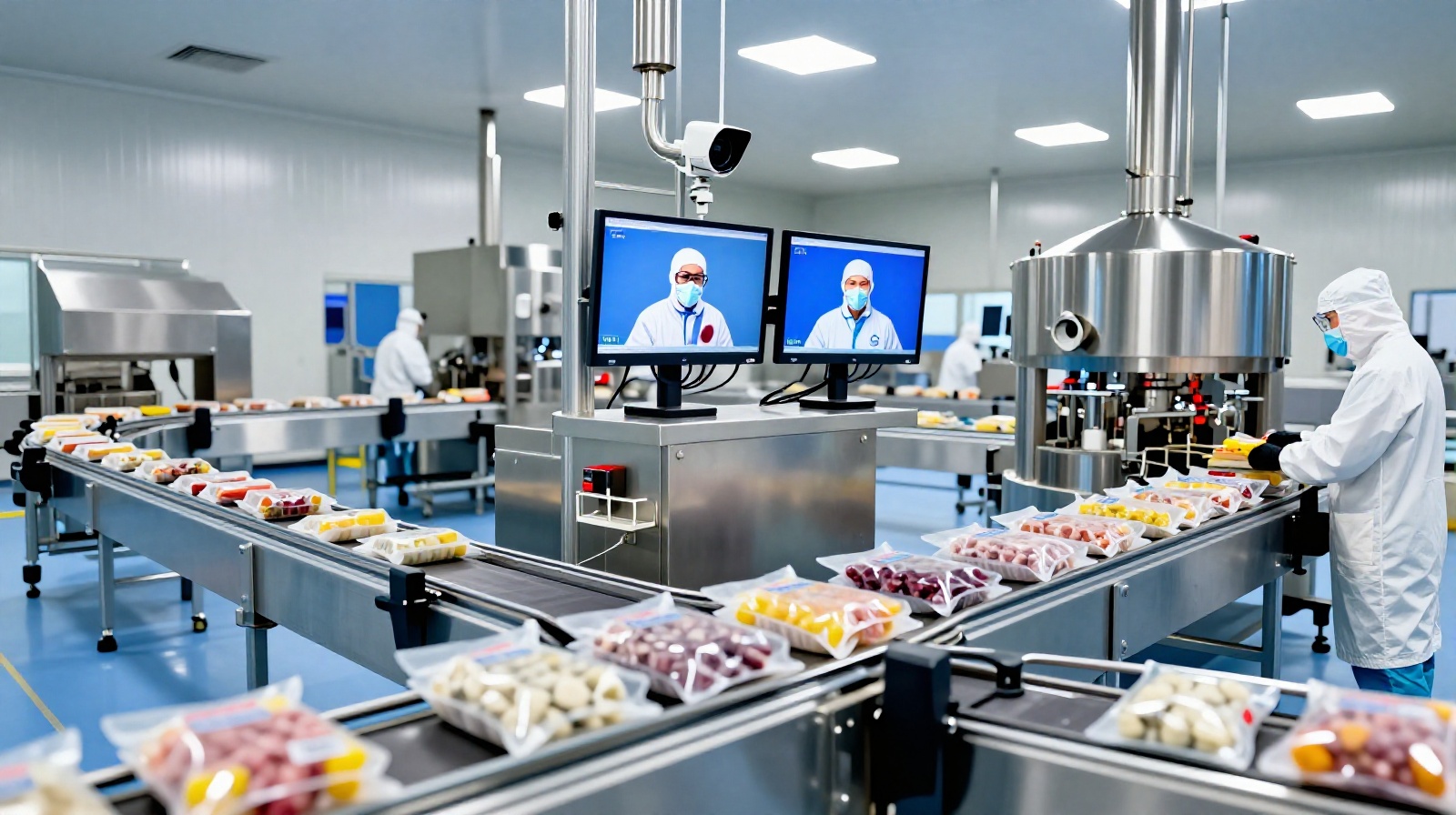
In a modern processing facility just outside Nanjing, automated lines now handle the slaughtering and initial salting. AI cameras inspect every bird for skin quality and weight before it enters the cooling tunnel. The meat is flash-frozen or vacuum-packed within 4 hours of processing.
“We can ship a duck from here to Beijing in under 24 hours,” says Zhang Min, a supply chain manager at a major food logistics firm. “The temperature stays strictly between -18°C and -20°C. When it arrives, our customers say it tastes almost as fresh as if they had bought it this morning.”
This speed has opened the market. What was once a regional specialty is now available on e-commerce platforms like JD.com and Taobao to households across the country. Sales of pre-packaged Nanjing salted duck have grown by an average of 20% year-on-year over the last three years.
The Youth Perspective: Tradition Meets Convenience
For Gen Z consumers, the choice is often pragmatic. Young professionals like Li Wei rarely have time to cook or wait for traditional delivery. They value consistency and speed.

“I don’t know how to salt a duck myself,” admits Zhang Hua, a university student in Nanjing who works remotely. “But I trust the big brands now. The packaging is vacuum-sealed, and it arrives cold. It tastes good enough for my lunch break.”
E-commerce platforms have bridged this gap by offering high-definition live streams of the production process. Customers can watch the ducks being salted and packed in real-time, building trust in the hygiene standards of modern factories.
A Symbol of Change
The story of Nanjing salted duck is more than just about food. It reflects a broader shift in China’s economy: how traditional industries are adapting to modern demands without losing their soul.
While old workshops like Chen’s still exist, they now serve as cultural anchors rather than the sole source of supply. Modern supply chains handle the volume, while artisans preserve the specific techniques that give the dish its unique character.
In a country where change happens at breakneck speed, this duck remains a steady constant. It proves that heritage and high-tech logistics can coexist, delivering a taste of history to dinner tables everywhere.