

The Myth of the Universal Math Genius
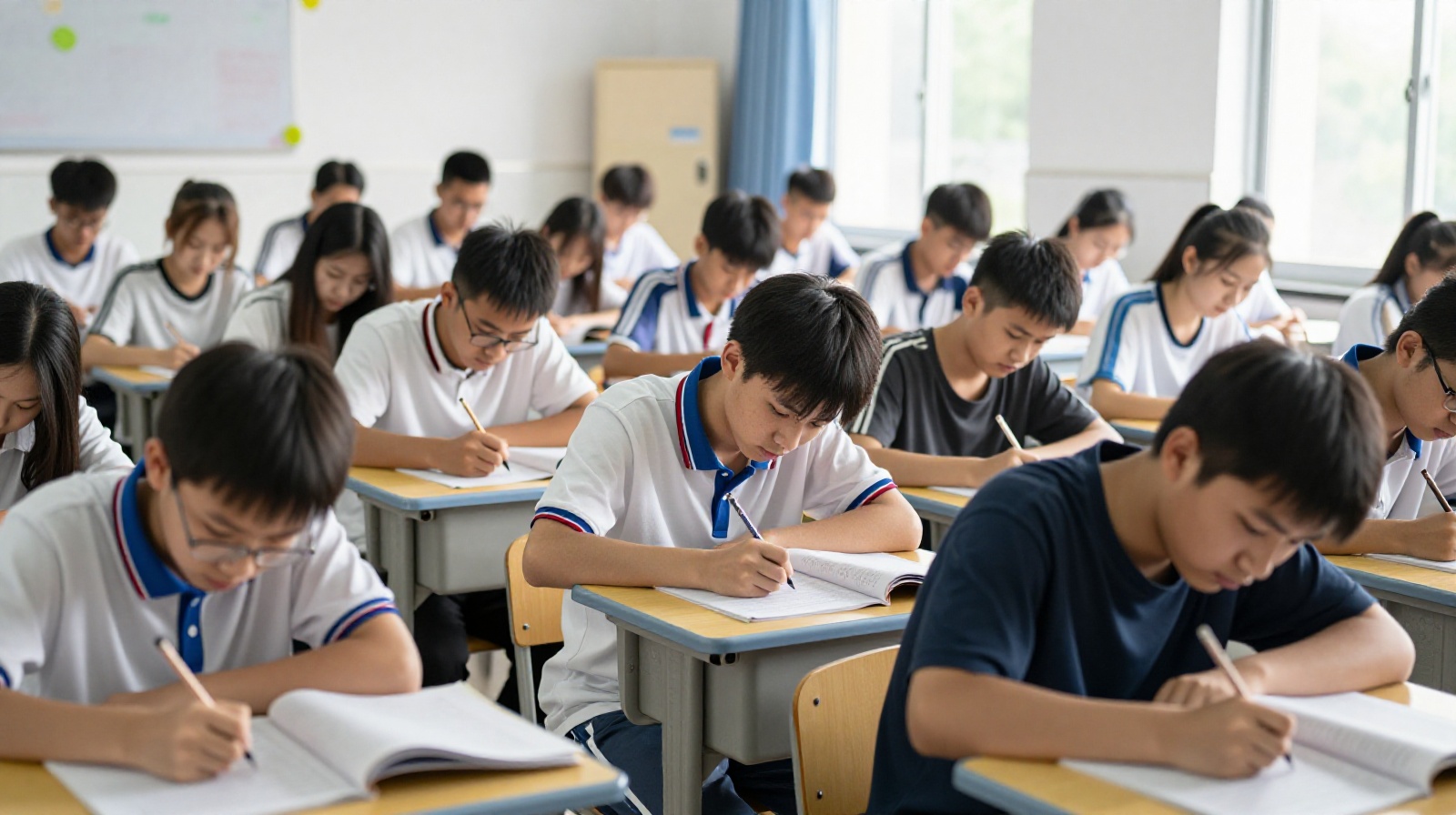
It’s a question I’ve heard more times than I can count, usually from teachers or friends in Western countries. “So, everyone in China is just born good at math?” they ask, eyes wide with a mix of awe and suspicion. The answer, standing in my high school classroom in Shanghai at 7:00 AM on a rainy Tuesday, is a simple, exhausted, “No. Most of us are just really tired.”
The stereotype of the Chinese math prodigy is deeply entrenched in global media. From PISA test rankings to Hollywood movies where Asian characters solve complex equations in seconds, we are painted as a monolithic group of natural geniuses. But if you look past the headlines and sit in my desk during the morning drill, you’ll see something far more human: anxiety, confusion, and the crushing weight of expectation.
7:00 AM: The Sound of Pencils on Paper
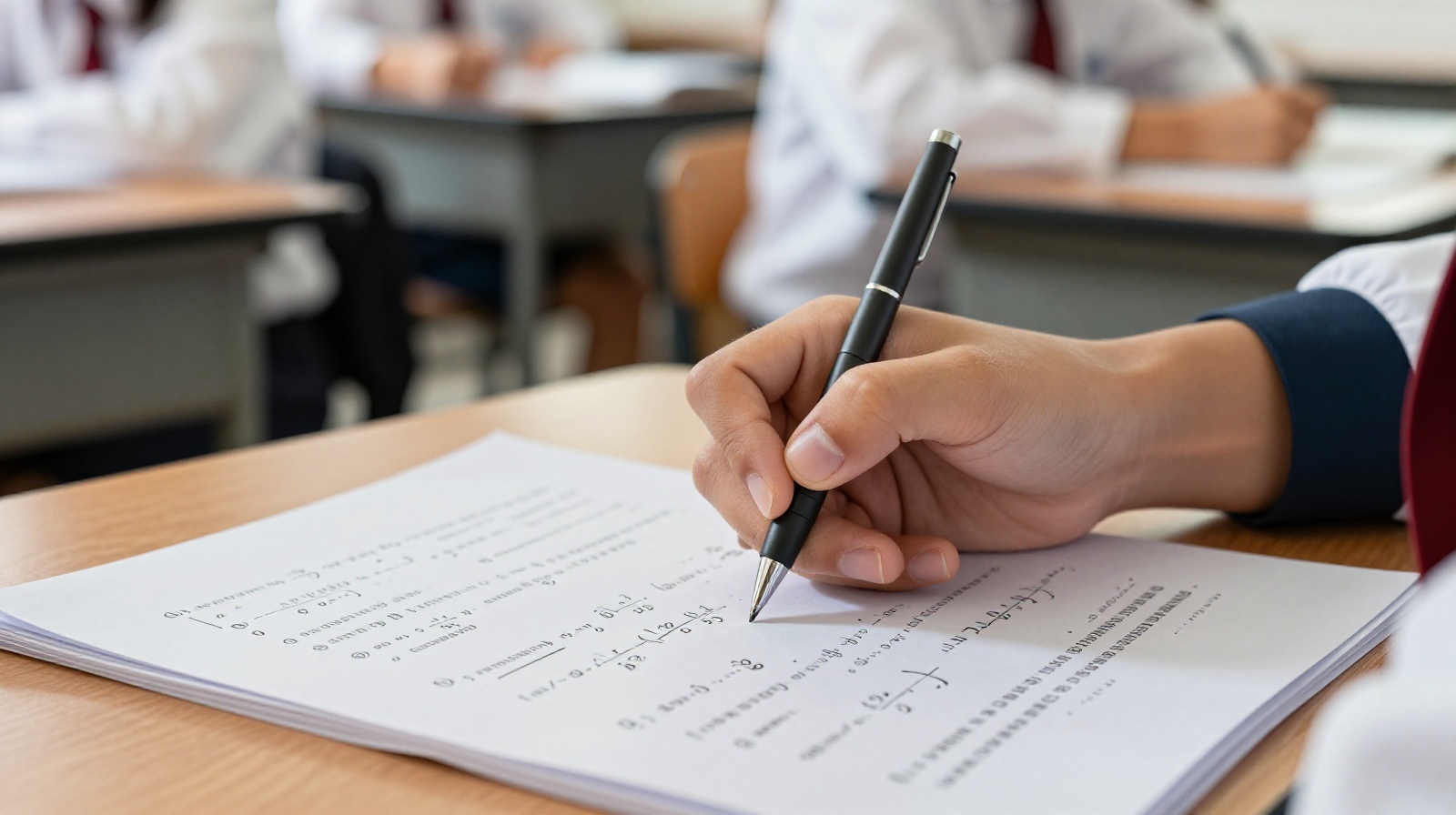
The day doesn’t start with a spark of inspiration. It starts with the scratching of hundreds of pencils against rough paper. I’m in Grade 11, and today’s math lesson isn’t about discovering new theories or solving real-world puzzles like calculus for engineering. It is about speed.
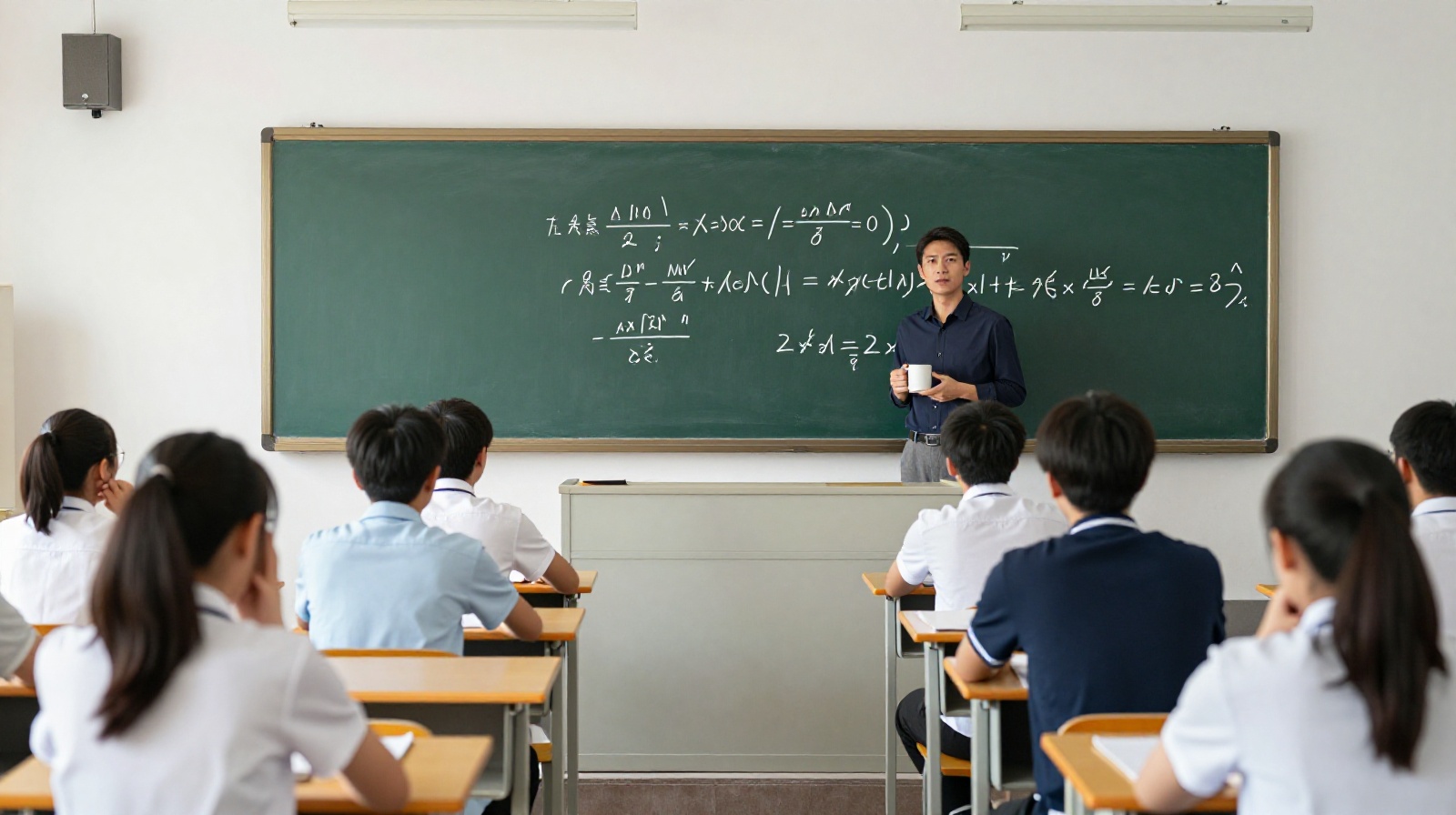
Our teacher writes a problem on the blackboard: f(x) = x³ – 3x + 2. “You have three minutes,” he says, not looking up from his coffee mug. The room goes silent. No one raises their hand to ask for clarification. Instead, thirty heads bow down, and the only sound is the frantic rhythm of writing.
I am average. In math class, I am neither the star who finishes in 45 seconds nor the student who needs extra help after school. I am somewhere in the middle, sweating slightly as I try to recall a formula my brain refuses to hold onto. My friend Lin, sitting two rows ahead, is quietly crying into her notebook. She is brilliant at literature but finds calculus impossible. Another classmate, Xiao, solves it in 30 seconds but admits later he just memorized the pattern without understanding the logic.
This isn’t a classroom of geniuses. It’s a factory for test-taking skills.
The “Tian Cai” Trap
Why does everyone think Chinese students are math gods? Because we treat education like a high-stakes race where only the fastest cross the finish line. In China, the Gaokao (National College Entrance Examination) is the ultimate filter. It determines not just your future university, but often your social status and career path.
To survive this system, students don’t learn math to love it; we learn it to conquer the test. This has created a culture of “ti hai zhan shu” (sea of questions strategy) — drowning in thousands of similar problems until the patterns become muscle memory. It works for getting high scores, but it often kills curiosity.
I remember asking my math teacher once why we spent so much time on these repetitive drills. He sighed and looked out the window at the gray sky. “If you understand the concept, good,” he said quietly. “But if you don’t get full marks on this specific type of question in the exam, your dream university is gone. Can you afford to be curious?”
Average Students and Real Struggles
The reality inside a Chinese classroom is that ability varies wildly. Some students have an innate aptitude for numbers; they see patterns instantly. Others, like Lin, struggle with abstract concepts no matter how hard they try.
There is no magic gene. There is just the relentless pressure of a system that demands uniformity. When teachers praise the “top” students as having special talent, it’s often a way to motivate others without addressing the fact that many are simply working harder and memorizing faster than everyone else.
This environment creates a strange dissonance. We look good on international test sheets, but we often lack the critical thinking skills that come from genuine exploration. When asked to design a solution for a real-life problem, many of us freeze. We are trained to find the single correct answer, not to explore multiple possibilities.
Beyond the Stereotype
So, are Chinese students good at math? The honest answer is: we are very good at taking standardized tests in mathematics. But that doesn’t mean we are all natural mathematicians.
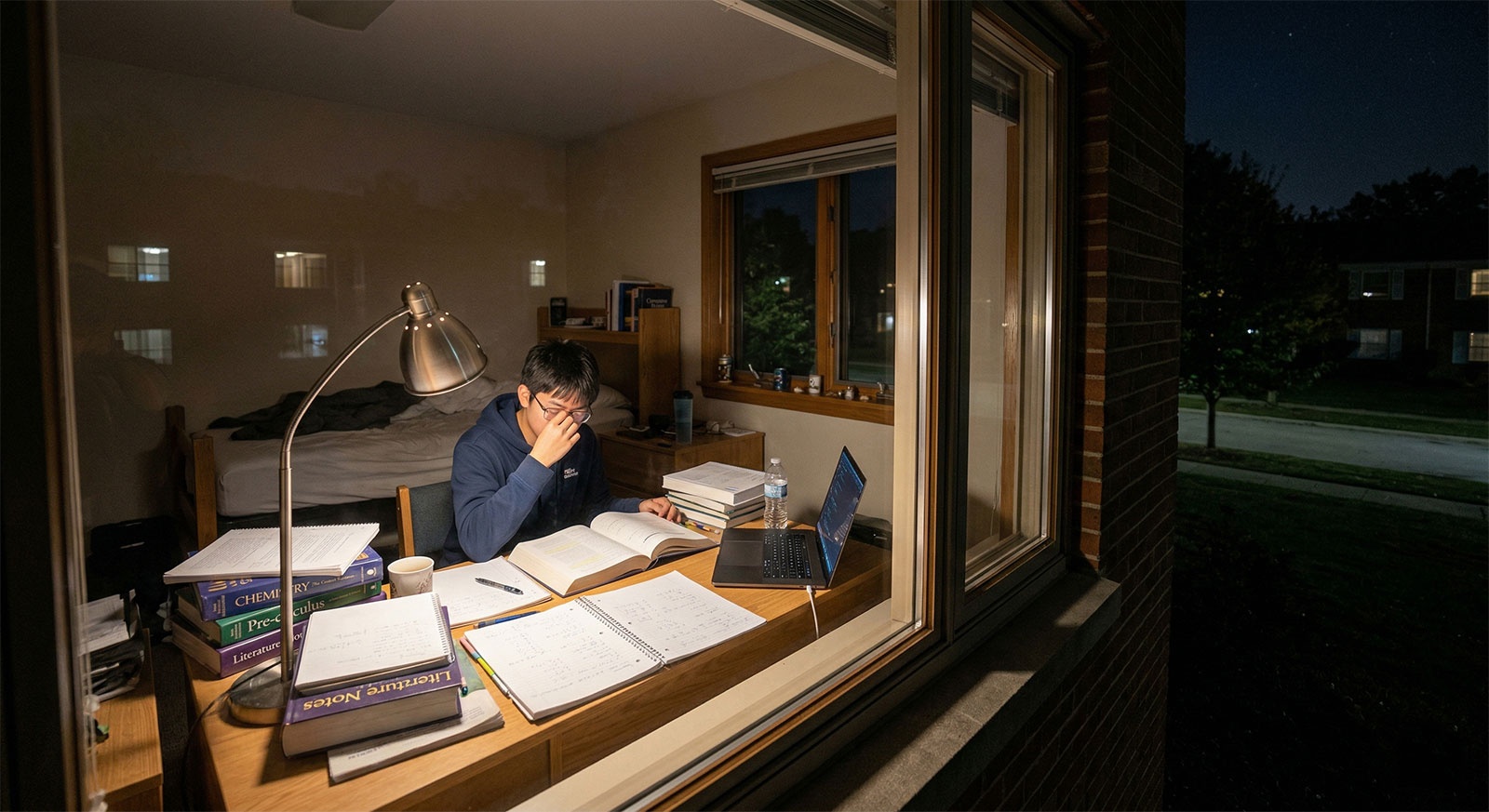
The “genius” label is a burden. It hides the struggle of the average student who stays up until 2 AM doing homework, terrified of falling behind. It ignores the students who hate math but must master it to survive. And it distracts from the real conversation about how we can make education more human — where curiosity matters as much as correct answers.
The Future is Not Just About Scores
Changing this narrative starts with admitting that not everyone is a genius. It means understanding that behind every high score, there might be a student who is just tired, anxious, and desperate for the system to let them breathe.
As I close my textbook tonight, staring at the complex equations that feel more like a foreign language than a tool, I realize something important: My value isn’t in whether I can solve this calculus problem in under three minutes. It’s in who I am when I’m not taking a test.