
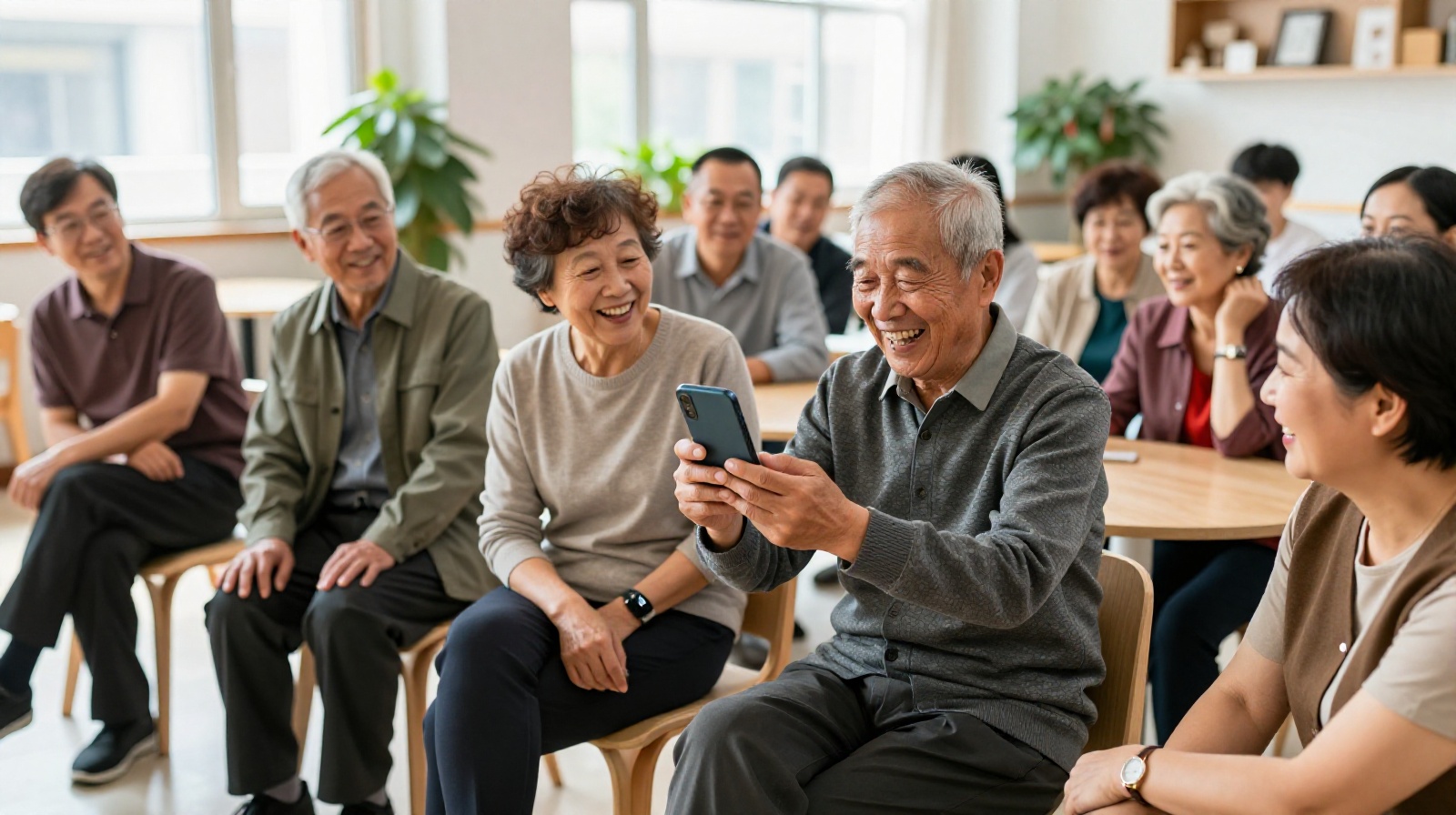

Not Your Average Grandparents
Imagine a video where an 80-year-old woman in Hangzhou, dressed in sharp streetwear, confidently challenges her grandson to a rap battle while cooking dumplings. Or picture a man in his mid-70s in Beijing, filming high-energy dance tutorials for his living room followers. This isn’t the plot of a sci-fi movie; it’s your daily scroll on Douyin (the Chinese version of TikTok) right now.
In China, the ‘silver hair’ generation—those over 65—is no longer sitting quietly in parks or waiting for retirement pensions. They are mastering smartphones, editing apps, and building followings that rival pop stars. This isn’t just a trend; it’s a massive shift in how society views aging.
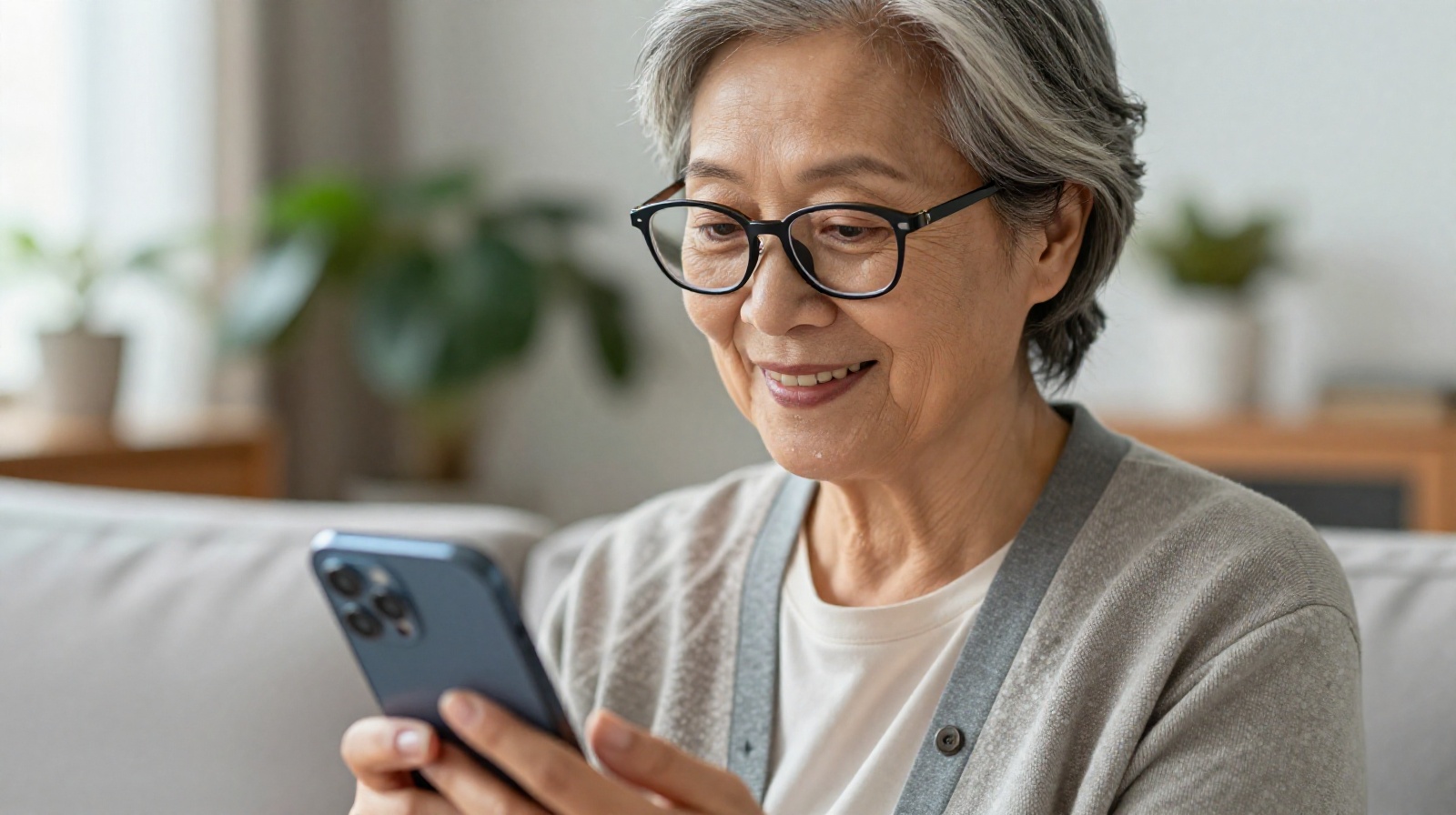
Why Are They Doing This?
If you ask the average Western observer why these seniors are online, they might guess it’s for fun or to fight boredom. But talk to them directly, and the answer is deeper: connection and purpose.
Li Mei, a 72-year-old retired teacher from Shanghai, started her account because she felt invisible after her husband passed away. “I used to think my life was over,” she told me. “Now, when I wake up, I have 50 comments waiting for me. My followers ask about my recipes and offer advice on their own family problems. I feel needed again.”
This mirrors a broader social reality. With China’s rapidly aging population—over 297 million people are now over 60—and fewer children to care for them (due to the legacy of the one-child policy), loneliness has become a silent epidemic. Social media offers a lifeline. It transforms passive viewers into active participants in their own communities.
Mastering the Algorithm
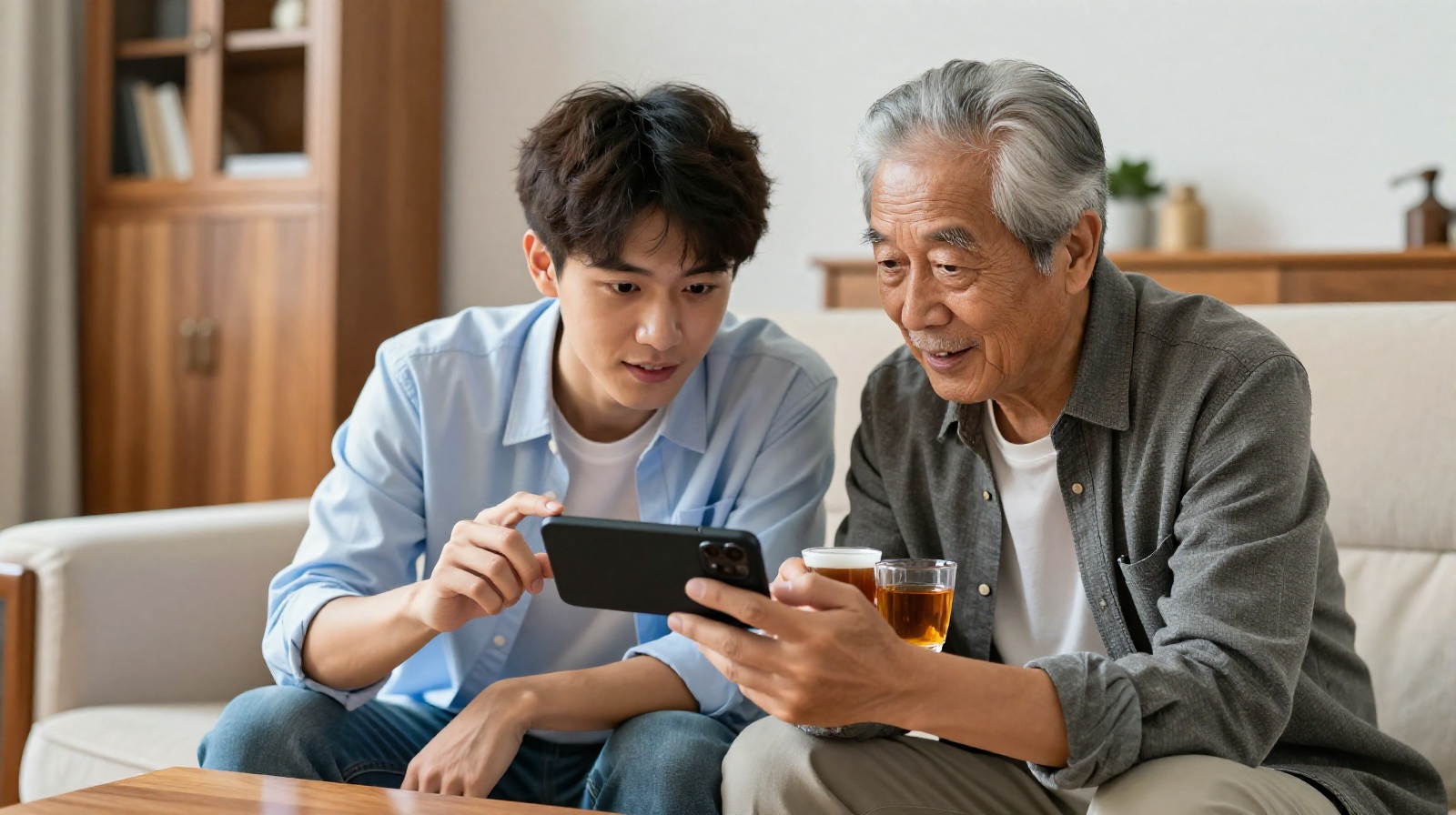
You might wonder: how do people who never used computers adapt to short-video platforms? The secret isn’t magic; it’s a new kind of intergenerational teamwork.
In many families, the ‘grandchildren’ are actually the mentors. A 20-year-old college student teaches their grandmother how to use filters and add trending music. But unlike in the West, where tech help is often transactional, this relationship in China often deepens into a partnership. They negotiate content together: “Auntie, don’t talk so fast,” or “Grandpa, let’s try that new dance move.”
The result? A unique style of content that Western algorithms struggle to categorize but Chinese audiences devour. It’s a blend of traditional wisdom (cooking, calligraphy) and modern trends (lip-syncing, challenges). These seniors aren’t just mimicking youth culture; they are remixing it with decades of life experience.
More Than Just Entertainment
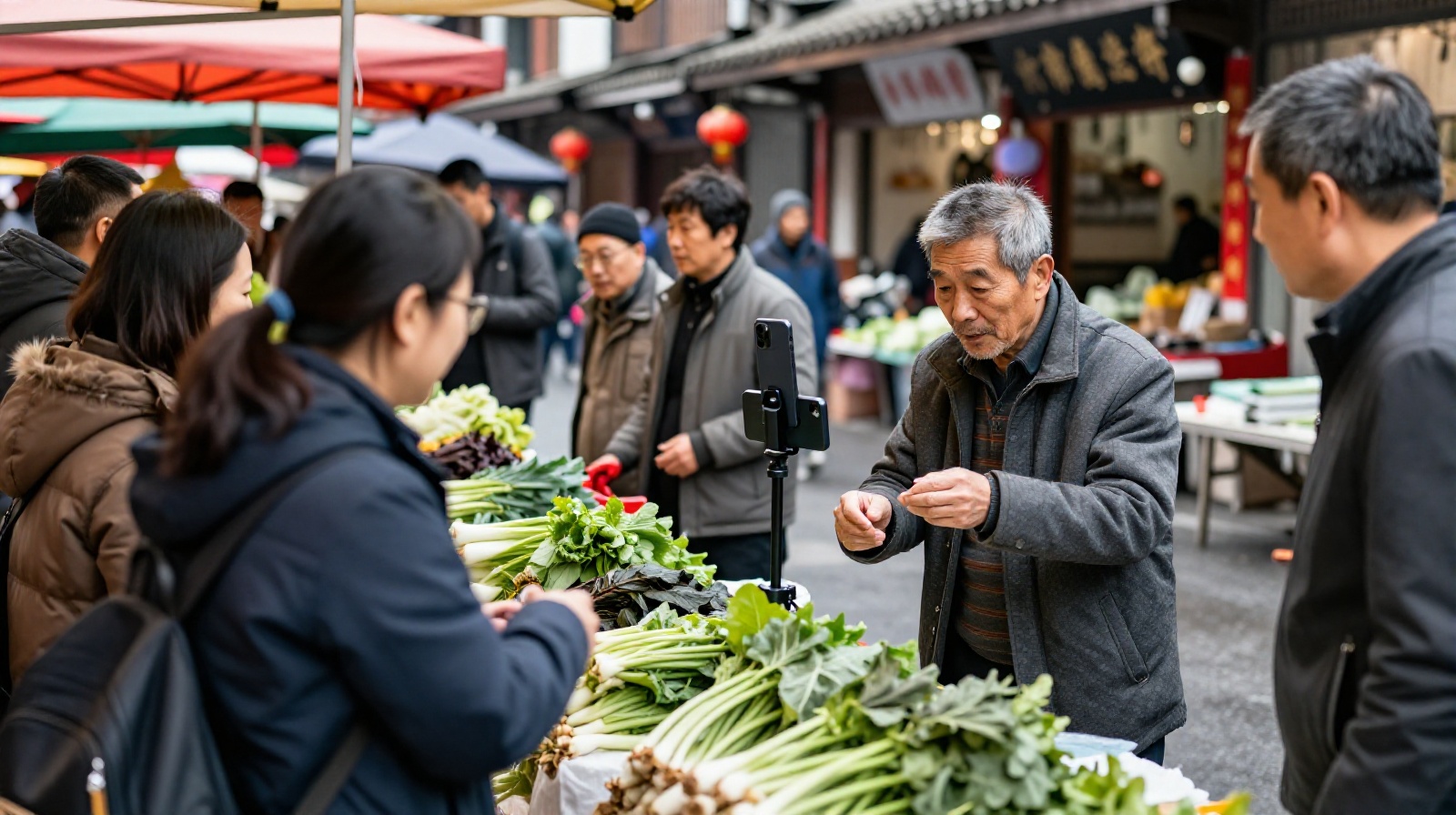
These influencers are changing more than just their own lives; they are reshaping community dynamics. Take the story of Wang Qiang, a 75-year-old man in Chengdu who runs a small neighborhood vegetable stall. He started livestreaming his daily sales not to sell more veggies, but to chat with neighbors who can’t come out.
During the pandemic and beyond, these streams became community hubs. Neighbors would comment on weather forecasts, share news about local clinics, or simply say hello. When Wang fell ill last winter, his online followers organized a delivery of meals through local volunteers. It was a digital form of traditional village mutual aid.
This shift challenges the stereotype of the isolated elder. In China today, technology is being used to rebuild social fabric that has frayed under rapid urbanization.
A New Identity for Seniors
The rise of silver hair influencers signals a profound cultural change. For decades, Chinese society expected the elderly to be passive recipients of respect. Now, they are active creators, entrepreneurs, and even mentors.
This isn’t without friction. Some younger people still find it funny or strange to see their elders on screen. But for the seniors themselves, the benefits are tangible. They gain financial independence through brand deals, a sense of agency over their public image, and a renewed sense of belonging.
As we look at these vibrant 70-year-olds with smartphones in hand, we see more than just a viral trend. We see a society redefining what it means to grow old in the digital age. The future isn’t just for the young; it’s being co-authored by those who have lived through everything.