

The Great Toilet Panic
It starts with a small rumble in your stomach. You are walking through a bustling city like Chengdu or Shanghai, surrounded by the smell of spicy hotpot and street food. Suddenly, you realize you need to find a bathroom. In many countries, this is a simple scan for blue signs or asking a shopkeeper. But here? The signs are often confusing, the doors might be locked, or worse, they lead to a public restroom that hasn’t been cleaned in days.
I remember my first panic in Beijing. I was deep in an old alley (hutong), miles away from a hotel. My heart raced. In the West, we Google “restrooms near me.” But in China, the search engine results can be outdated or point to places that are closed for renovation.
Then I learned the secret weapon: WeChat, Alipay, and Amap (Gaode Map). These aren’t just payment apps or navigation tools; they are the nervous system of Chinese urban life. And yes, there is a feature specifically for finding toilets.
The Digital Bathroom Network
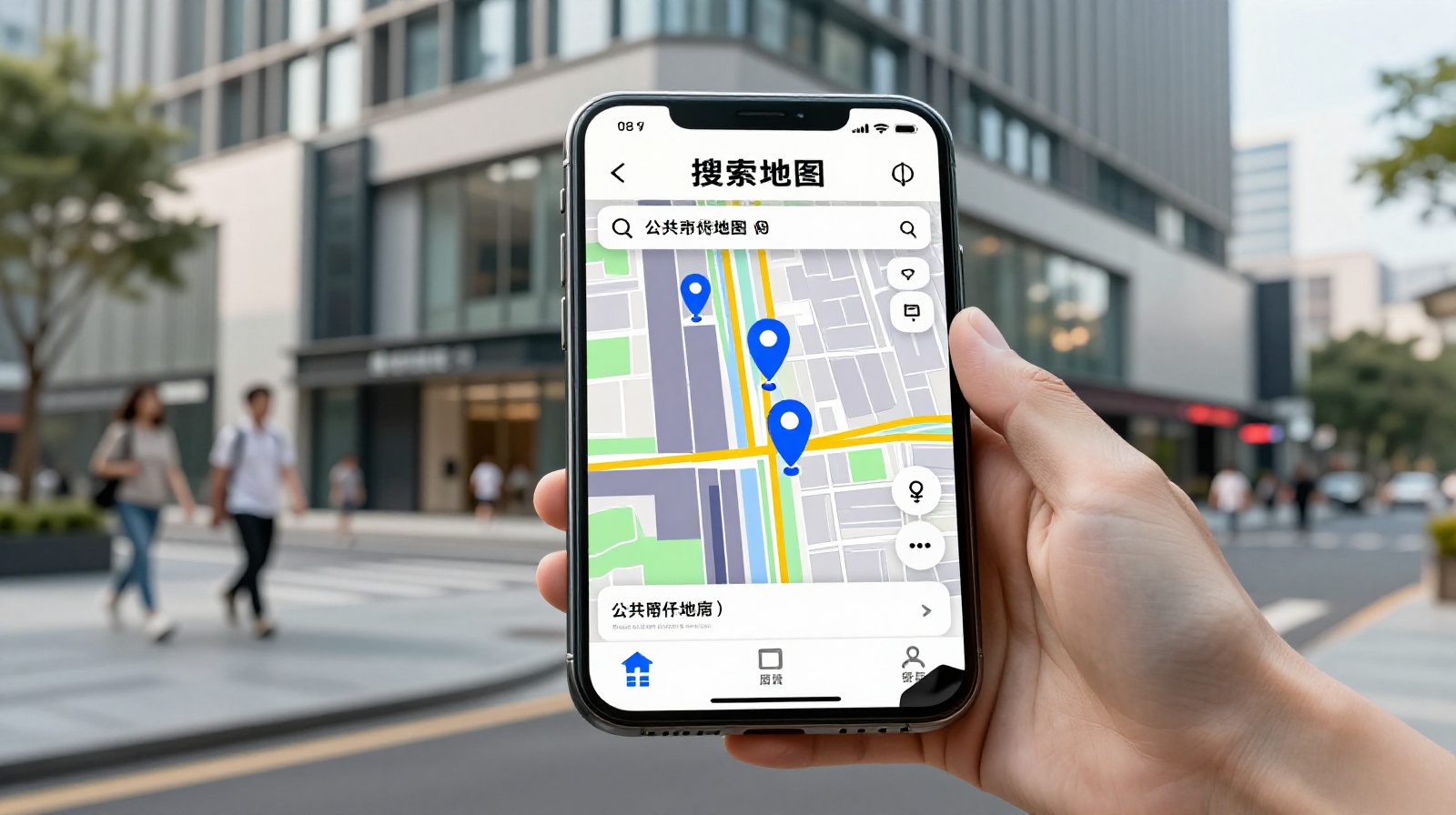
How does it work? It’s surprisingly simple. Open your map app—Amap or Baidu Maps are the two giants—and type “Toilet” (or 厕所 in Chinese). The screen instantly fills with blue pins. But here is the magic: these aren’t just random dots.
The system pulls data from government databases, local sanitation bureaus, and even crowd-sourced updates from locals. When you tap a pin, it doesn’t just give you coordinates. It tells you the exact status of the facility. Is it open? Is there an entrance fee (rare for public ones)? Does it have baby changing stations? Is the wheelchair ramp accessible?
Cleanliness and Trust
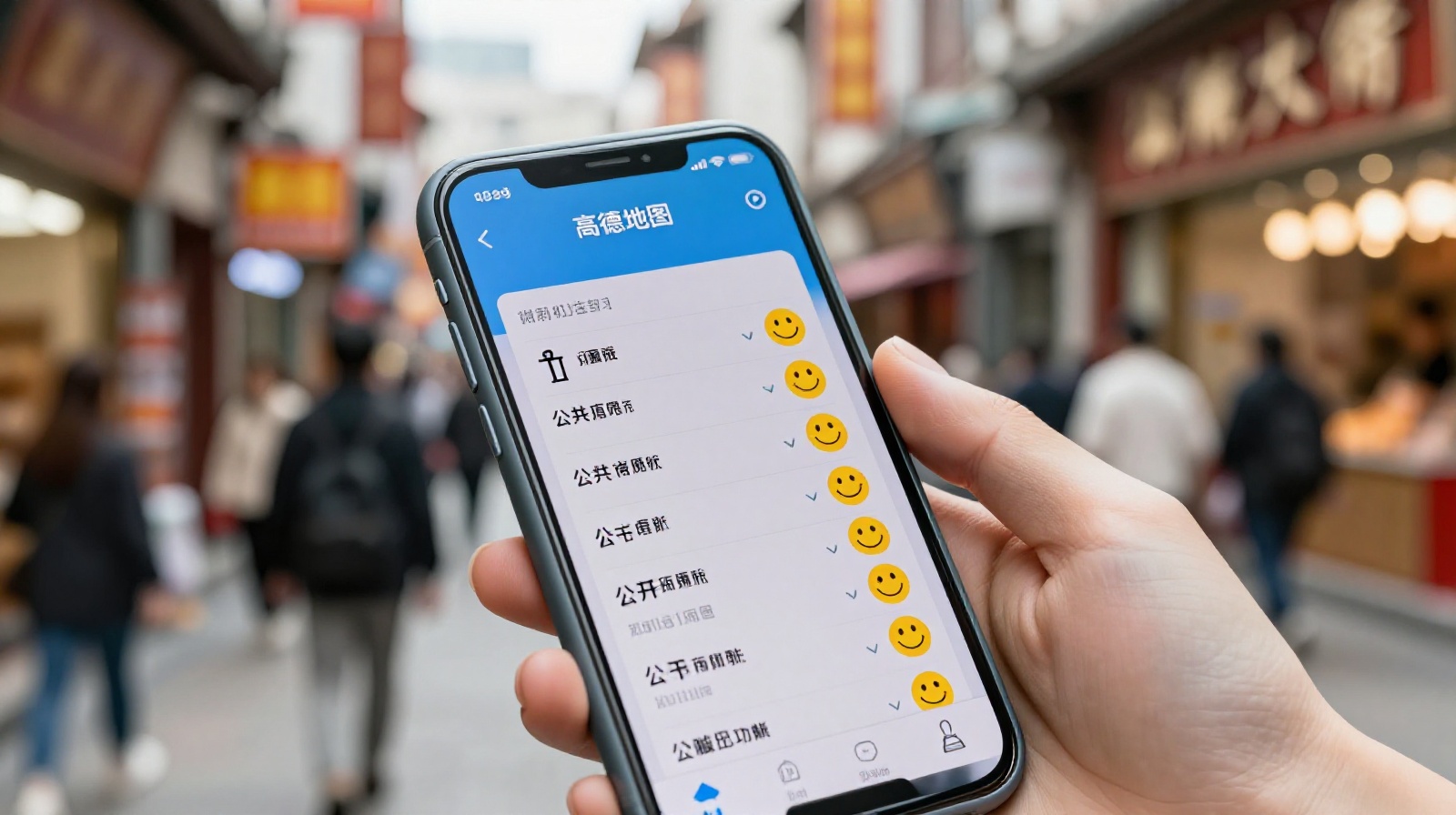
The biggest fear for visitors is hygiene. Will I find a clean stall, or will I be standing on someone else’s mess? The apps solve this by displaying user ratings. Just like reviewing a restaurant, users rate the cleanliness with emojis—happy faces for spotless, sad faces for dirty.
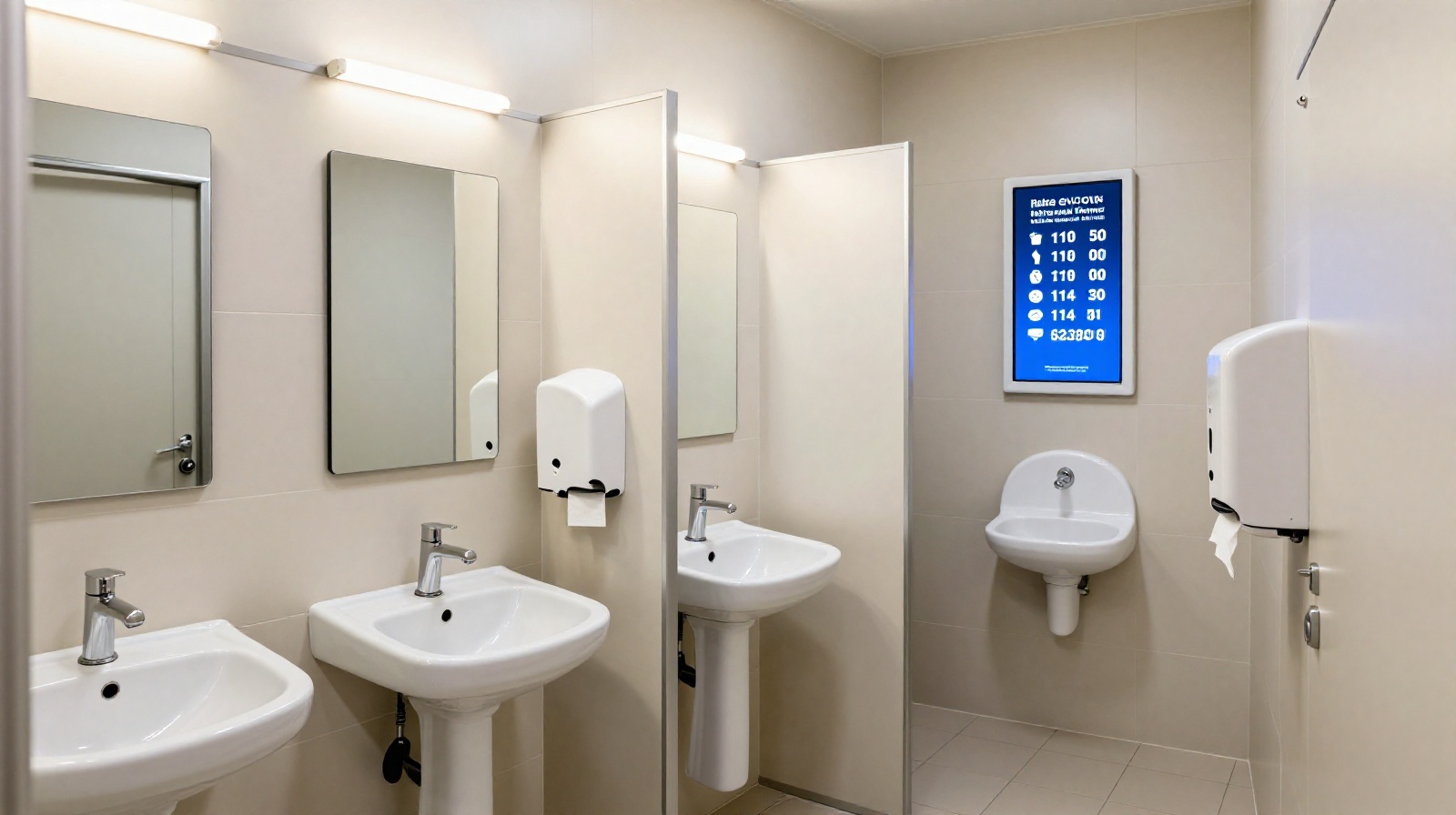
During my tests in Hangzhou, the app showed a 4.8-star rating for a public toilet near West Lake. I walked there expecting a miracle. Instead, I found a sparkling clean facility with soap dispensers, air fresheners, and even mirrors at eye level. The data was real. In fact, many cities now have “Smart Toilets” equipped with sensors that alert maintenance staff immediately when supplies run low or if the stall hasn’t been used in hours.
Navigating the Details
What about accessibility? For travelers with mobility issues, this is a game-changer. The app filters results to show only toilets with barrier-free facilities (ramps and grab bars). In cities like Shenzhen or Shanghai, you can find these details in seconds without asking a stranger who might not speak English.
The process feels almost magical: open app, click icon, walk 100 meters. It turns a potential panic into a mundane task. This isn’t just about convenience; it reflects how China integrates digital governance into daily life. The government has invested heavily in public infrastructure, and the private sector (Alibaba, Tencent) builds the platforms that make this data visible to everyone.

Why This Matters
To outsiders, finding a toilet seems trivial. But for millions of people living in dense urban areas, it is a daily logistical challenge. China has solved it by merging physical infrastructure with digital intelligence. It’s not just about having more toilets; it’s about knowing exactly where they are and what they look like before you get there.
So, the next time you visit China and feel that familiar urge, don’t panic. Don’t ask a confused shopkeeper. Just open your app. The digital revolution isn’t just about high-speed trains or cashless payments; it’s also about making sure you can find a clean seat when you need it most.