


The Reality of Foreign Homeownership in China
If you have lived in Shanghai, Beijing, or Shenzhen for a few years, buying a home often feels like the next logical step. It signals stability, integration, and long-term commitment to your life in China. However, unlike many Western countries where foreign buyers face minimal restrictions, China’s real estate market is tightly controlled by national policy.
For an expatriate or foreign professional, the question “Can I buy a house?” rarely has a simple yes or no answer. It depends on your residency status, the city you are in, and your intent. The system is designed not to block foreigners entirely, but to ensure that property purchases serve practical living needs rather than speculative investment.
The Core Rule: “Self-Use” and Residency Requirements
To purchase residential property in China, a foreigner must meet two fundamental conditions established by the Ministry of Housing and Urban-Rural Development:
- One-House Limit (One-Person-One-House): You can only buy one residential property for your own use. If you attempt to buy a second home, the transaction will likely be blocked at the registration stage.
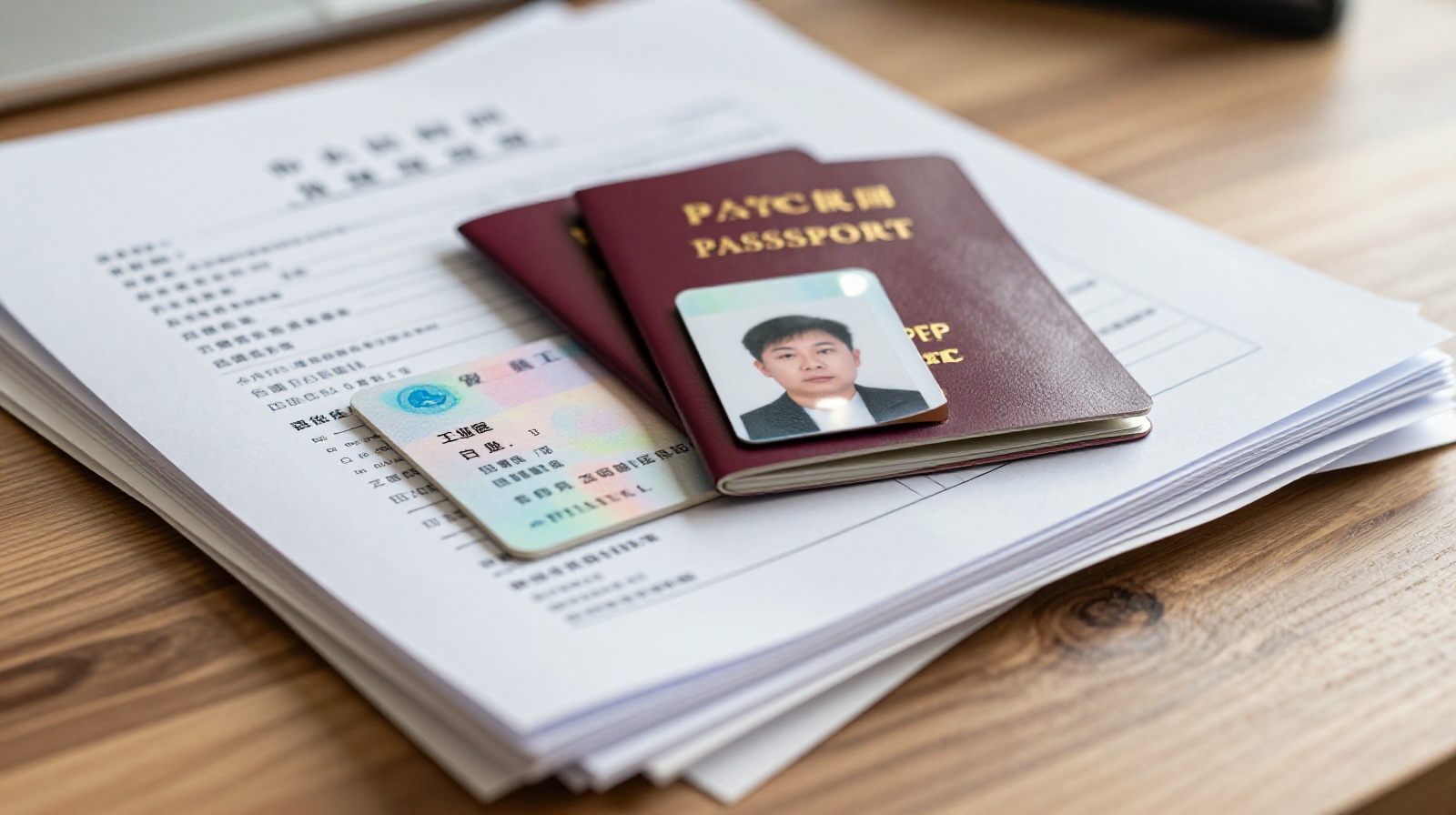
- Residency Requirement: In most major cities, including Beijing, Shanghai, Guangzhou, and Shenzhen, you must have lived or worked in China for at least one year continuously before you are eligible to buy. This is typically proven through a valid work permit and social security payment records.
Why These Rules Exist
These restrictions are part of China’s broader effort to cool down overheated real estate markets. By tying property ownership to actual residency and employment, the government aims to prevent foreign capital from inflating housing prices in tier-one cities.
Residential vs. Commercial Apartments: A Critical Distinction
One of the biggest points of confusion for foreigners is the difference between residential apartments (住宅) and commercial apartments (商业公寓/商住楼).
From a legal standpoint, they are treated differently. A standard residential apartment gives you a 70-year property right and allows you to register your household address (hukou) if eligible. Foreigners can buy these properties under the rules described above.
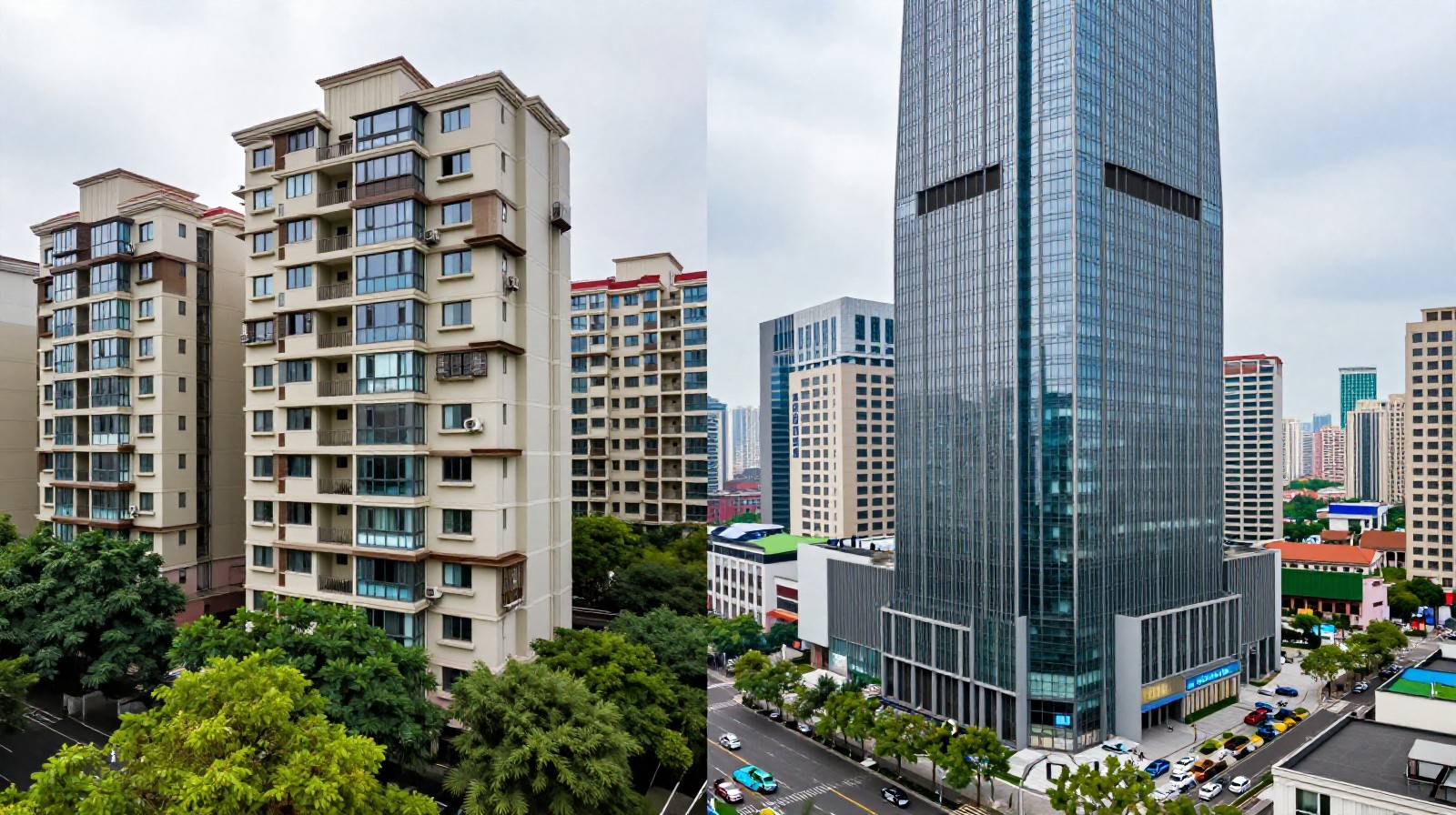
However, many modern developments in city centers offer “commercial apartments.” These are often built on commercial or mixed-use land, with 40-year property rights. They may look like high-end condos but come with higher utility bills (commercial rates) and no access to public school districts for children.
Can foreigners buy commercial apartments? The rules vary by city. In some places like Shanghai or Beijing, the restrictions on commercial properties are looser, and you might not need the one-year residency proof. However, in other cities, they may be subject to the same strict “one-house” rule as residential units. Always verify with local authorities before signing any contract.
The Paperwork: What You Need to Prove
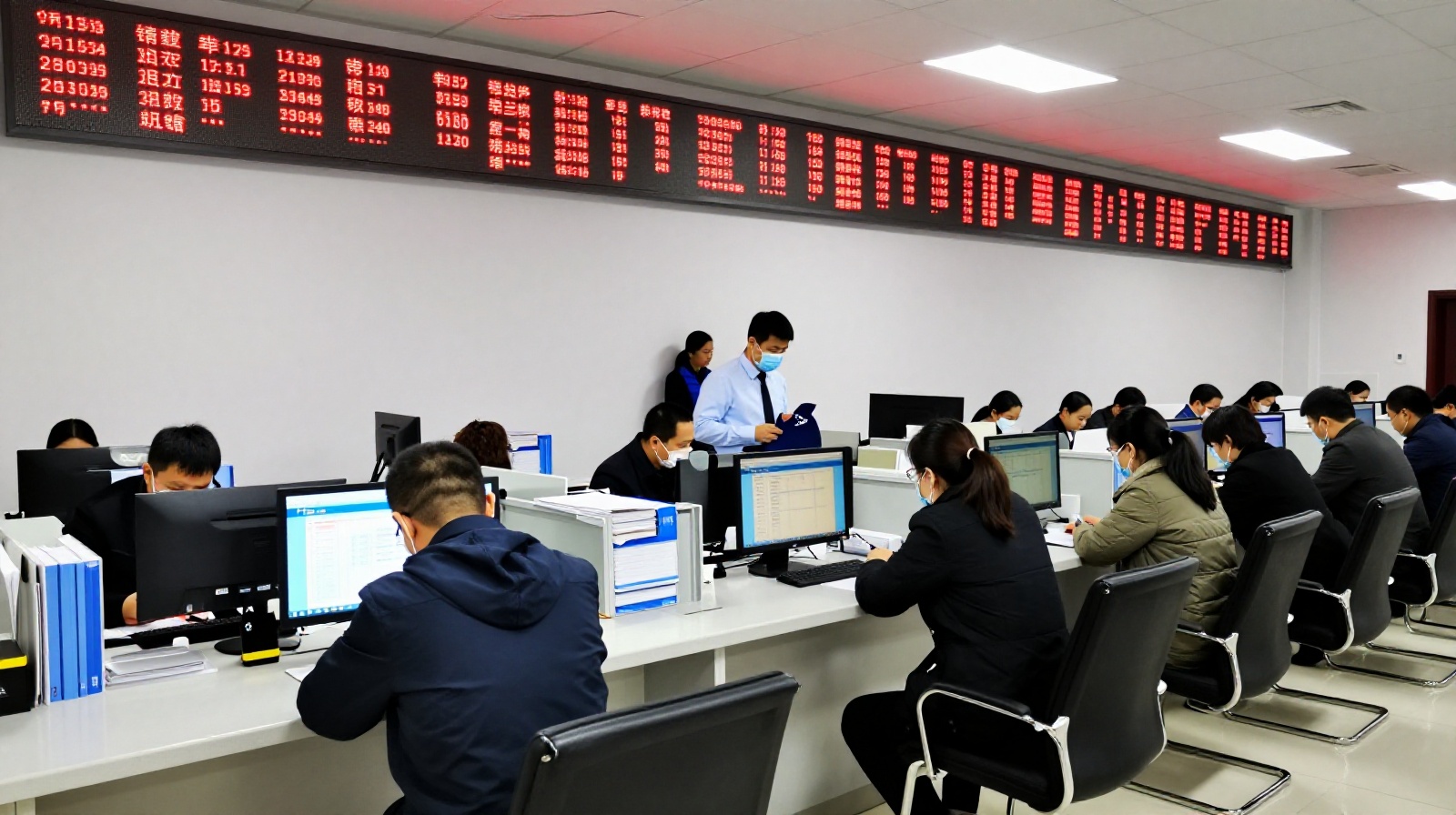
Buying a home in China is less about finding the right house and more about navigating bureaucracy. The process can take three to six months from start to finish. Here is what you will typically need:
- Valid Passport & Visa/Residence Permit: Proof of your legal status.
- Certified Translation: All documents not in Chinese must be translated by a certified agency and notarized.
- Proof of Residency/Employment: A work permit (usually Class B or above) and social security payment records for the past 12 months.
- Marital Status Proof: If you are married, your marriage certificate must be notarized. In China, purchasing property as a couple is often easier than as an individual because it allows the household to acquire one unit jointly, simplifying the “one-house” limit calculation.
Risks and Practical Advice
While buying a home in China is legal and increasingly common among long-term expats, it comes with significant risks that are often overlooked.
1. Liquidity Is Low
Selling property in China as a foreigner is difficult. When you leave the country or decide to sell, you must prove that all taxes have been paid and that the sale proceeds are being repatriated legally. The buyer pool for resale properties owned by foreigners is smaller than for locals.
2. Market Volatility
The Chinese real estate market has experienced significant corrections in recent years. Prices in tier-one cities have stabilized or dropped, while lower-tier cities face oversupply. Treating a primary residence as an investment vehicle is risky today.
3. Financing Is Hard to Get
Foreigners can get mortgages in China, but banks are cautious. You typically need a down payment of 30-50%, and the interest rates are higher than those for local citizens. Many foreigners choose to pay in cash to speed up the process.
Is It Worth It?
If you plan to stay in China for more than five years, buying a home can make life easier. You gain stability, freedom from landlord disputes, and the psychological comfort of having a fixed address. For families with children, it also secures access to local schools.
However, if you are viewing this as a short-term investment or plan to return to your home country within two years, renting is almost always the smarter financial choice. The transaction costs—legal fees, taxes, and agency commissions—can eat up 5-10% of the property value in both buying and selling phases.
China’s housing market is no longer a guaranteed goldmine. It is a regulated utility for living. Understand the rules, respect the bureaucracy, and buy only if it aligns with your long-term life plans, not just market trends.