


The Unspoken Language of Gifts
Li Wei, a software engineer in Shenzhen, recently hosted his new American colleague, Mark, for dinner. Before leaving, Mark handed Li Wei a beautifully wrapped box of high-end chocolates. He expected a warm thank you and perhaps a hug. Instead, Li Wei politely declined three times before finally accepting the gift with both hands, looking slightly embarrassed by its apparent value. When Mark opened his own gifts from home later that night, he noticed Li Wei had already set aside the chocolates in a less prominent spot on his desk.

This moment captures a fundamental difference in Chinese social culture: gifting is rarely just about the object itself. It is a complex dance of reciprocity, face (mianzi), and symbolic meaning. For foreigners, misunderstanding these unwritten rules can lead to awkwardness or even unintentional offense. But once you understand the logic behind the rituals, giving gifts in China becomes a natural way to build trust and connection.
The Symbolism: What Not to Give
In many cultures, a thoughtful gift is always welcome. In China, certain items carry heavy negative connotations due to linguistic puns or cultural superstitions. Avoiding these taboos is the first step in showing respect.
1. Clocks and Watches (Song Zhong)
The most common mistake foreigners make is giving a clock as a gift. In Chinese, “to give a clock” (sòng zhōng) sounds exactly like “attending a funeral” (song zhong). It implies you are counting down the recipient’s remaining time. While younger generations in tier-one cities might be more relaxed about this, it remains a strict taboo for elders and traditional business partners.
2. Umbrellas and Shoes
Similarly, umbrellas (sǎn) sound like “to scatter” or “separation” (sàn). Giving shoes can also be problematic because the word for shoe (xié) sounds like “evil” (xié) or implies that you want the person to walk away from you. If you must give shoes, some locals jokingly suggest the recipient gives you a small coin in return, symbolically “buying” them so it is not a gift.
3. Green Hats
A green hat (lǜ màozi) has nothing to do with fashion or environmentalism. In Chinese culture, it signifies that a man’s wife is unfaithful. Giving a green hat to a married male colleague is one of the fastest ways to end a friendship.
4. White and Black Wrapping
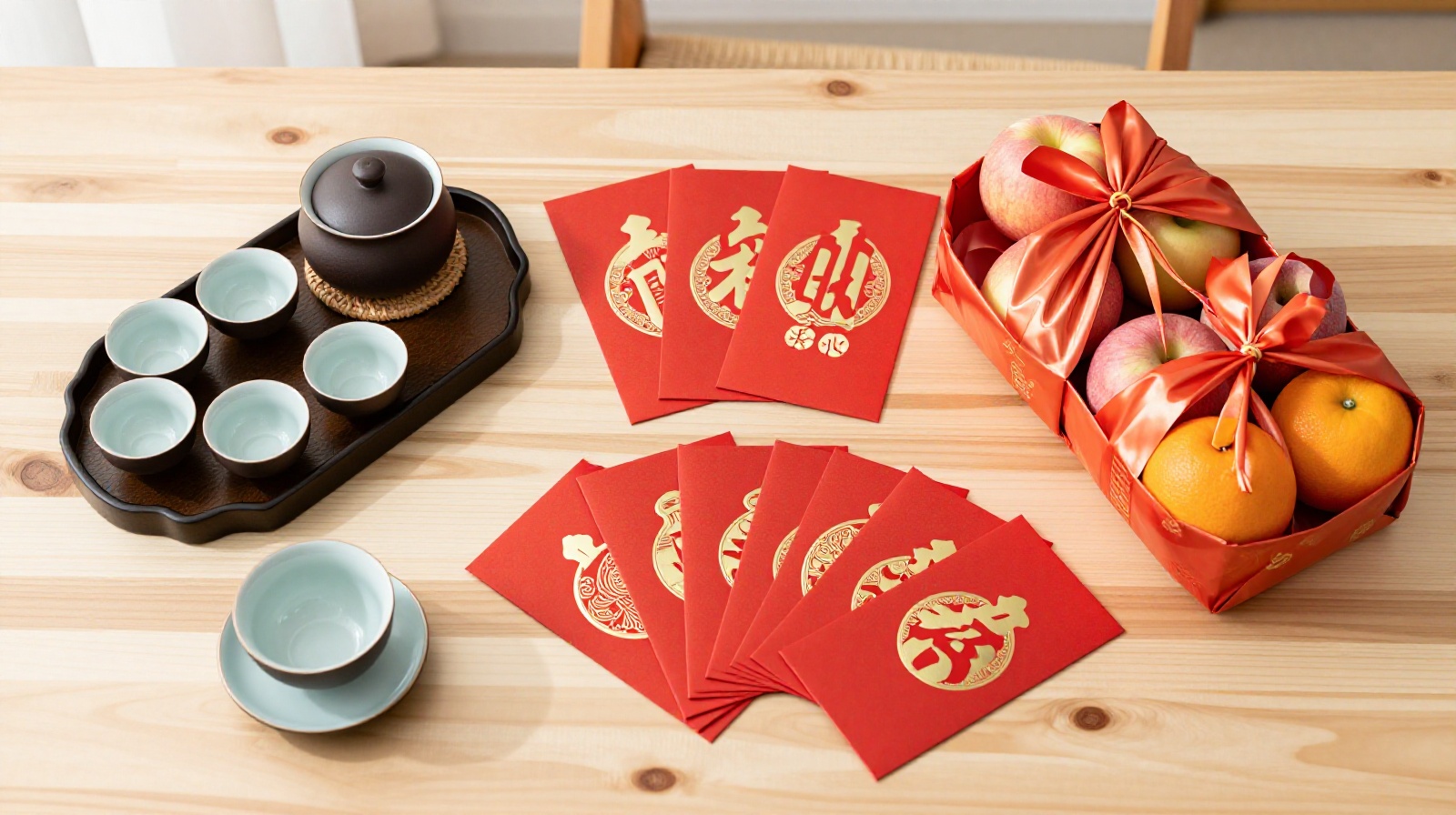
Packaging matters as much as the gift. White and black are associated with mourning and funerals. Always opt for red, gold, or bright colors, which symbolize luck, prosperity, and joy.
The Economics of Giving: Value and Face
One of the biggest challenges for foreigners is determining the right price point. In Western contexts, a gift’s value is often secondary to its personal meaning. In China, however, the perceived value directly impacts mianzi (face/honor).
Too Cheap? You Lose Face.
If you give a very inexpensive item to a senior colleague or a business partner, it may be interpreted as an insult. It suggests you do not respect them enough to invest in the relationship.
Too Expensive? They Feel Indebted.
Conversely, an overly lavish gift can create discomfort. If the value is too high, the recipient may feel unable to reciprocate equally later, leading to a sense of burden or shame. This is why you often see gifts being politely refused initially—not because they don’t want it, but because accepting such generosity immediately feels inappropriate.

The Ritual: How to Give and Receive
Knowing what to give is only half the battle. The physical act of exchanging gifts follows a specific choreography that can take some getting used to.
The Double-Handed Exchange
Always offer and receive gifts with both hands. This shows sincerity and respect. Using one hand, especially your left hand in traditional contexts, can be seen as casual or dismissive.
The Art of Refusal
You will likely hear “No, no, you shouldn’t have!” when you present a gift. This is not a literal rejection. It is a polite ritual to show modesty. The giver is expected to insist gently, and the recipient is expected to accept after two or three refusals. If you leave immediately after the first refusal, it may seem like you are forcing them to take your burden.
The Red Envelope (Hongbao)
In certain contexts, especially during Chinese New Year, weddings, or for children, cash is often preferred over physical goods. Cash is placed in red envelopes. The amount should be even-numbered (luck favors pairs), and amounts containing the number 4 are avoided because it sounds like “death.” However, as a foreigner, giving a high-quality physical gift from your home country is usually safer and more memorable than giving cash, which can feel transactional.
Safe Bets: What to Bring From Abroad
If you are unsure what to buy locally, items from your home country are often the most appreciated. They show effort and cultural exchange. Here are some reliable choices:
- Local Snacks or Sweets: High-quality chocolate, cookies, or regional specialties that cannot be easily found in China. Chinese people love trying foreign foods.
- Whiskey or Wine: A bottle of well-known Scotch from Scotland or wine from France is a classic business gift. Ensure it comes with a nice box.
- School Supplies for Kids: If you know your host has children, bringing unique stationery, toys, or educational kits from abroad is a fantastic gesture. It shows you care about their family.
- Local Crafts: Small, high-quality items like ceramic mugs, scarves, or art pieces that represent your culture are thoughtful and non-taboo.

A Case Study: The Watch That Worked
Consider the story of Sarah, a British architect working in Shanghai. For her project manager’s birthday, she wanted to give something impressive. She bought a luxury Swiss watch. When she handed it over, the manager looked shocked and tried to push it back, saying, “This is too much!”
Sarah realized her mistake. She quickly explained that it was not a personal gift from her alone, but a token of appreciation from their entire international team, making it easier for him to accept without feeling personally indebted. She also ensured the packaging was red and gold. He eventually accepted it with a smile, though he later returned the favor by inviting the whole team to an expensive dinner.
The lesson? Context matters. If the gift feels too personal or valuable, frame it as a collective gesture or from your family/home country to reduce the pressure on the recipient.
Conclusion
Gifting in China is about more than objects; it is about maintaining harmony and showing respect. By avoiding taboos like clocks and green hats, respecting the ritual of double-handed exchange, and choosing gifts that balance value with thoughtfulness, you can navigate these social waters with confidence. Remember, the intention behind the gift—the desire to connect—is what truly counts.