

The Invisible Line
Imagine you are at a busy subway station in Shanghai during rush hour. There is no rope barrier, no painted yellow line on the floor, and certainly no polite “please wait your turn” announcements playing over loudspeakers. Yet, thousands of people flow toward the turnstiles with a precision that rivals a Swiss train schedule.
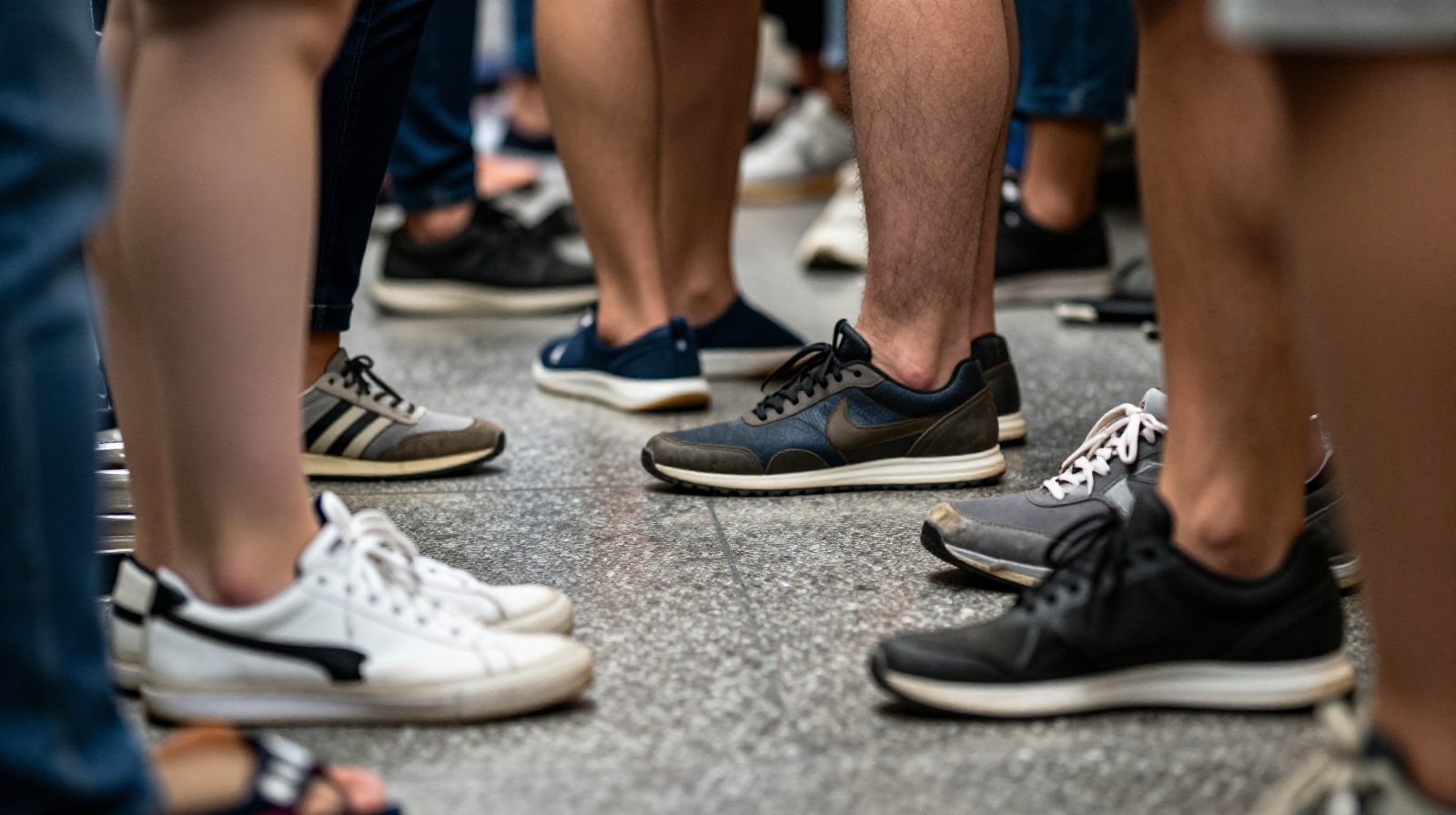
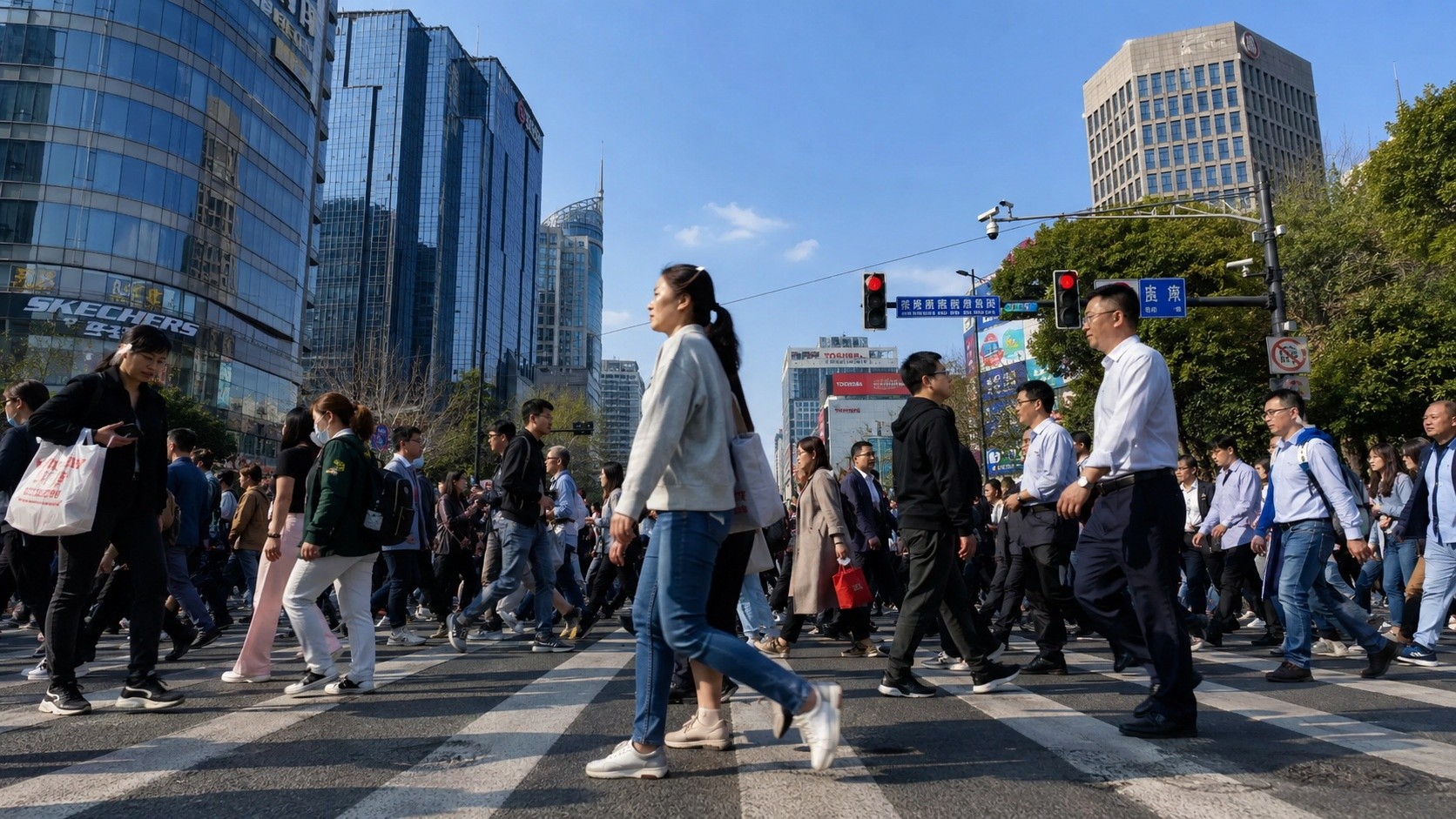
If you are an outsider, this looks like chaos. A man in a suit steps forward to buy a coffee. Two students behind him shift their weight. A delivery rider weaves through, not pushing, just… existing in the same space. Then, suddenly, the line moves. It doesn’t move in a rigid step-by-step queue. It moves like water finding its way through rocks.
This is what sociologists might call “fluid queuing.” It is not disorder. It is a different operating system for human density.
Not Rudeness, But Efficiency
In many Western cultures, queuing is a moral test. Breaking the line is a social crime. You stand behind an imaginary extension of the person in front of you, respecting their personal bubble.
In China, that personal bubble is often too small to be practical. With populations where millions live in single high-rise blocks, space is the scarcest resource. The result is a “vertical” or “fluid” queue.
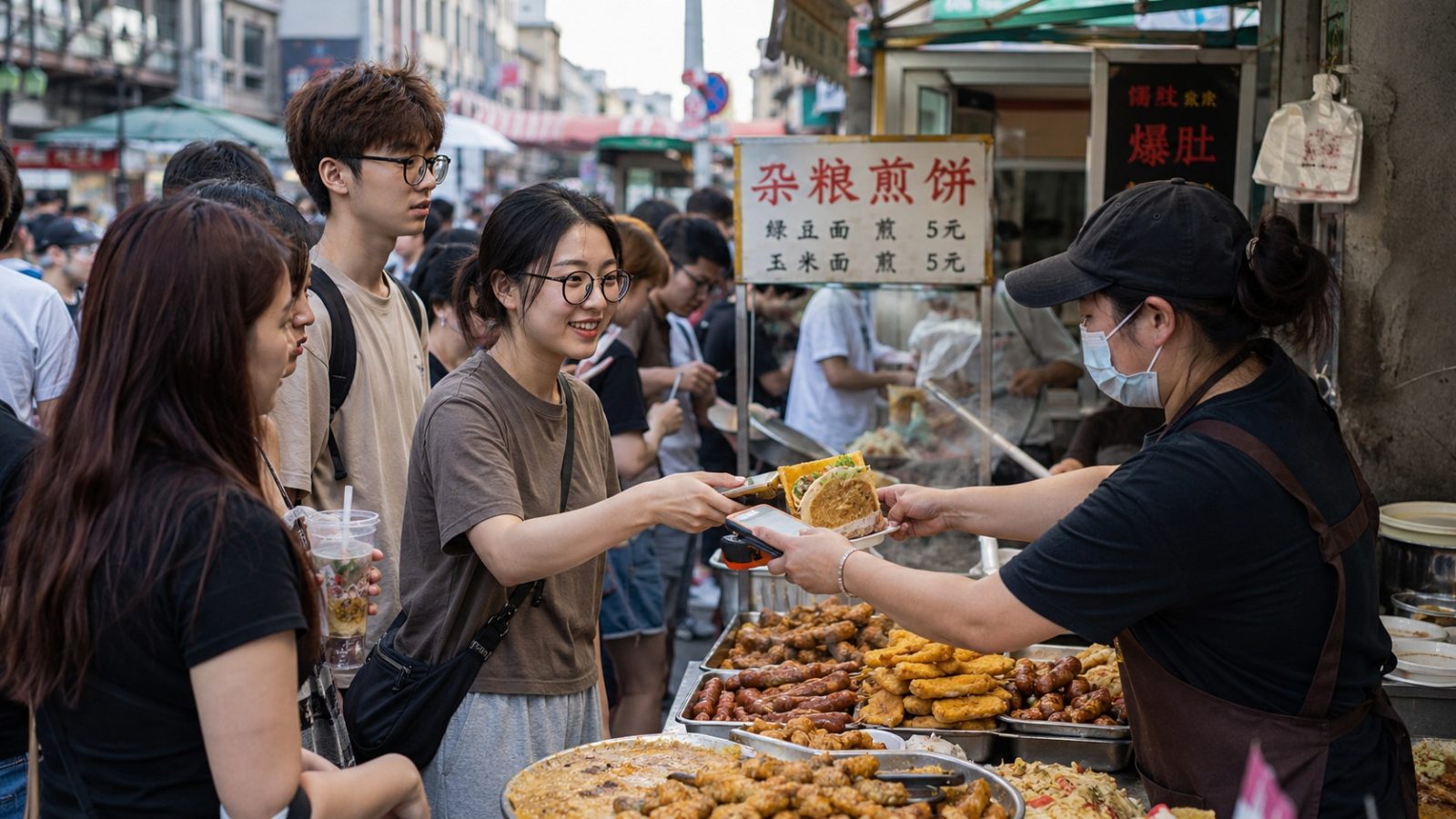
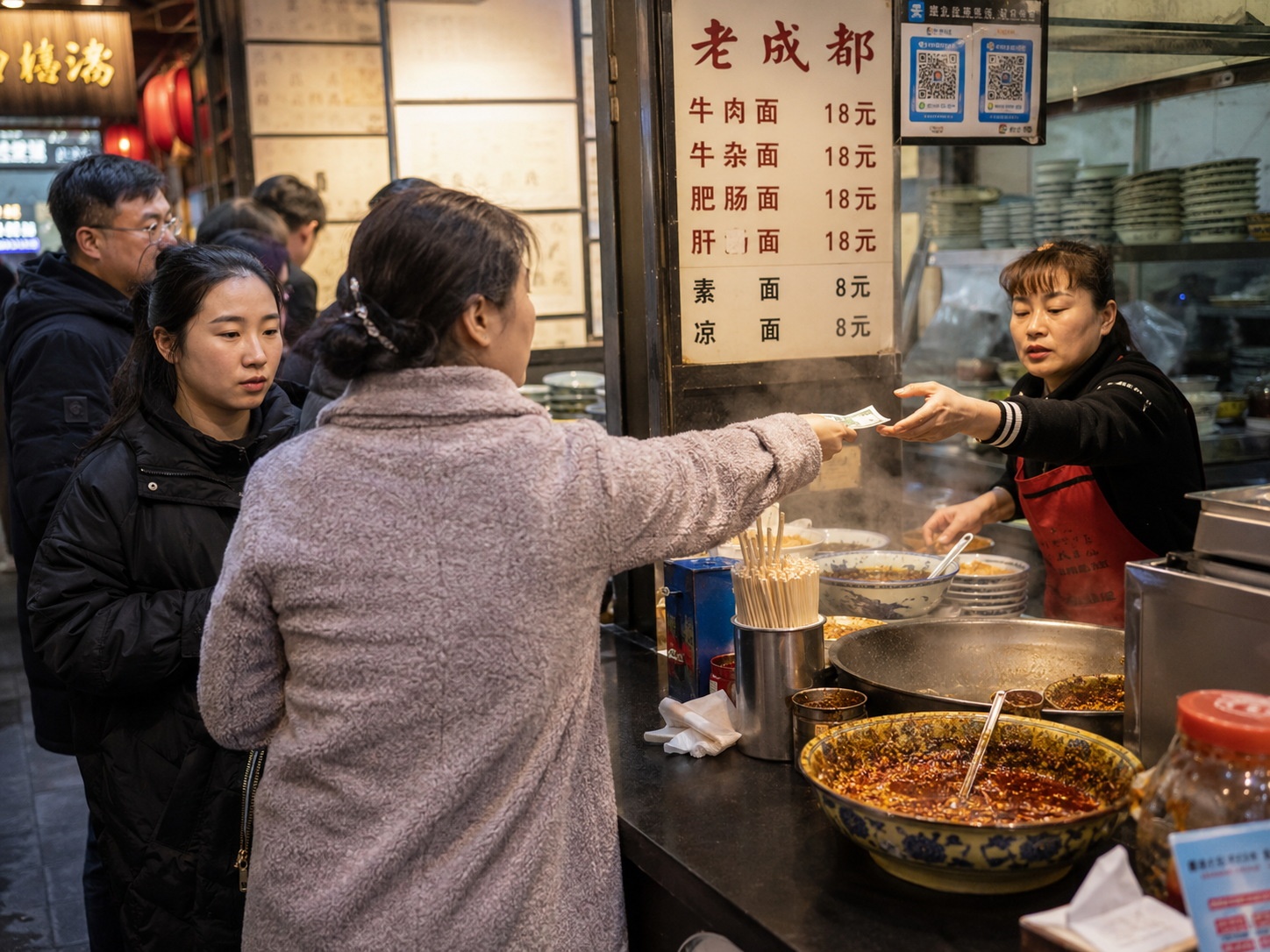
When you buy street food in Chengdu or wait for a taxi in Beijing, the line forms based on position, not just order. If there is a gap between two people standing side-by-side, a third person might slip in. This isn’t always seen as “cutting in line” (插队, chā duì). It is often seen as using available space efficiently.
The Social Contract of “Squeezing In”
So, when does it become rude? The key lies in the concept of guānxi and social pressure. There is a fine line between “squeezing in efficiently” and “cutting in line aggressively.”\p>
If you step into a gap that was clearly left for someone else, or if you push past people who are actively engaged in the transaction (like holding a phone to pay), you will feel it. The air gets colder. Eyes narrow. In some cases, you might hear a sharp “Hey!” or receive a firm shove. This is the community enforcing its own rules.
But if you are polite, make eye contact, and squeeze in when there is genuine space, most locals won’t bat an eye. They understand that everyone is trying to get through the day as fast as possible. It is a collective understanding: we are all in this crowded room together; let’s move.
Why It Works
This system is an evolutionary adaptation to density. In low-density societies, rigid rules work because there is plenty of room for error. In high-density China, rigid rules would cause bottlenecks. A strict “one-by-one” queue at a busy noodle shop would leave half the customers waiting for an hour.
Instead, the fluid model allows for parallel processing. While one person is paying, the next three are already stepping forward to order or pick up their bags. It maximizes throughput. It is messy, yes. But it is also remarkably fast.
How to Navigate It Like a Local
If you are visiting China, you don’t need to memorize complex rules. Just follow these three principles:
- Observe the Flow: Don’t look for a line. Look for the movement. Where is the crowd shifting? That is where the line is.
- Be Polite, Not Aggressive: A slight nod or a “excuse me” goes a long way when slipping into a gap. Never shoulder-check someone.
- Trust the Crowd: If no one complains, you are probably in the right place. The social police are always watching, but they are usually silent unless you cross a clear boundary.
The Takeaway
Chinese queuing is not about anarchy. It is about a high-context social contract that prioritizes collective efficiency over individual spatial comfort. It requires awareness, adaptability, and a bit of humility. Once you stop looking for the yellow line and start feeling the flow, you won’t just survive the queue—you might even appreciate the rhythm of it.