
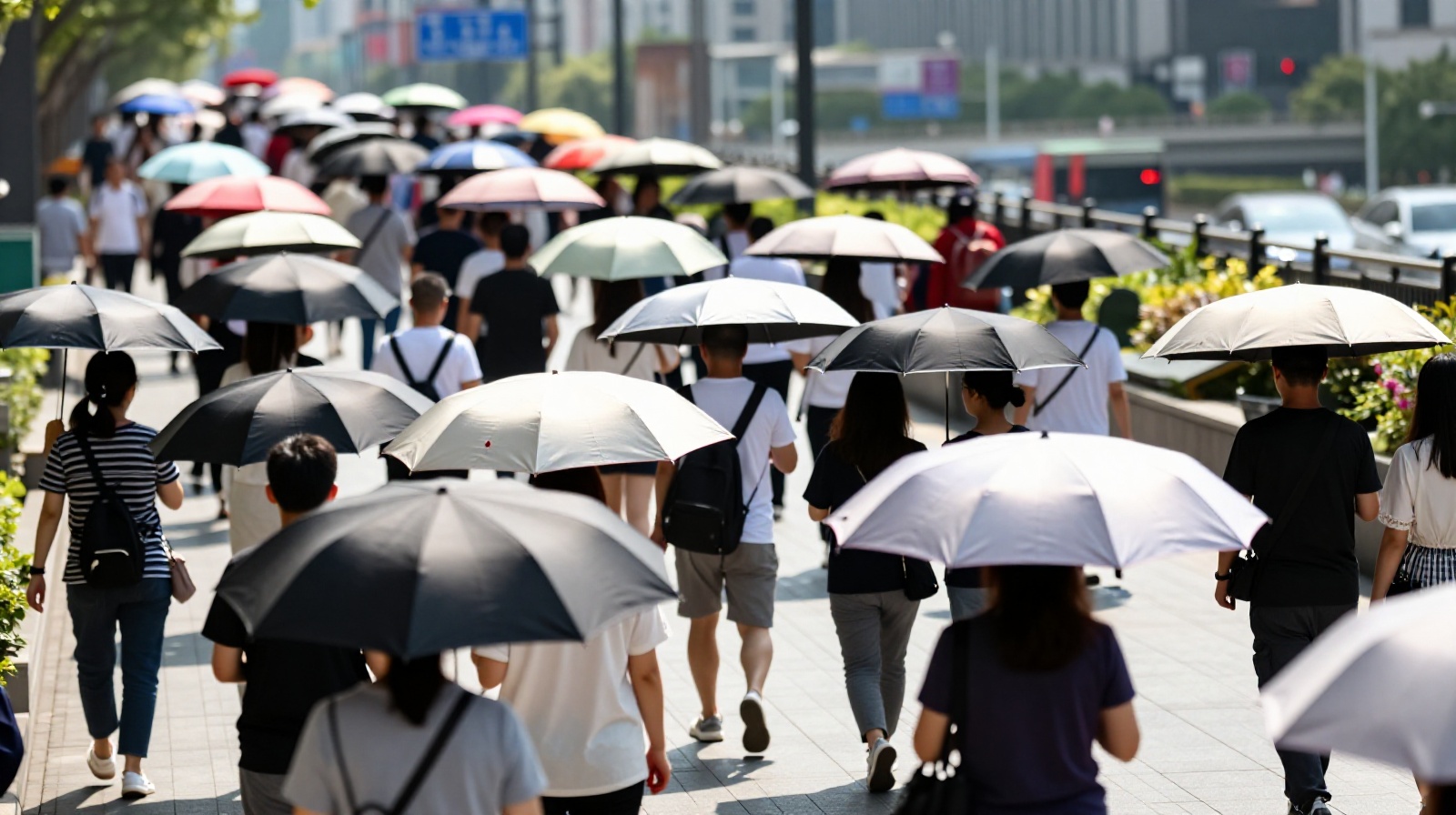

The Forest of Umbrellas
It is 2:00 PM in Shanghai, and the heat is palpable. You step out of the subway station, expecting a typical summer sidewalk. Instead, you are immediately confronted by a dense, shifting canopy of black, silver, and patterned fabric. Hundreds of people are walking around you, each holding an umbrella not because it is raining, but because the sun is relentless.
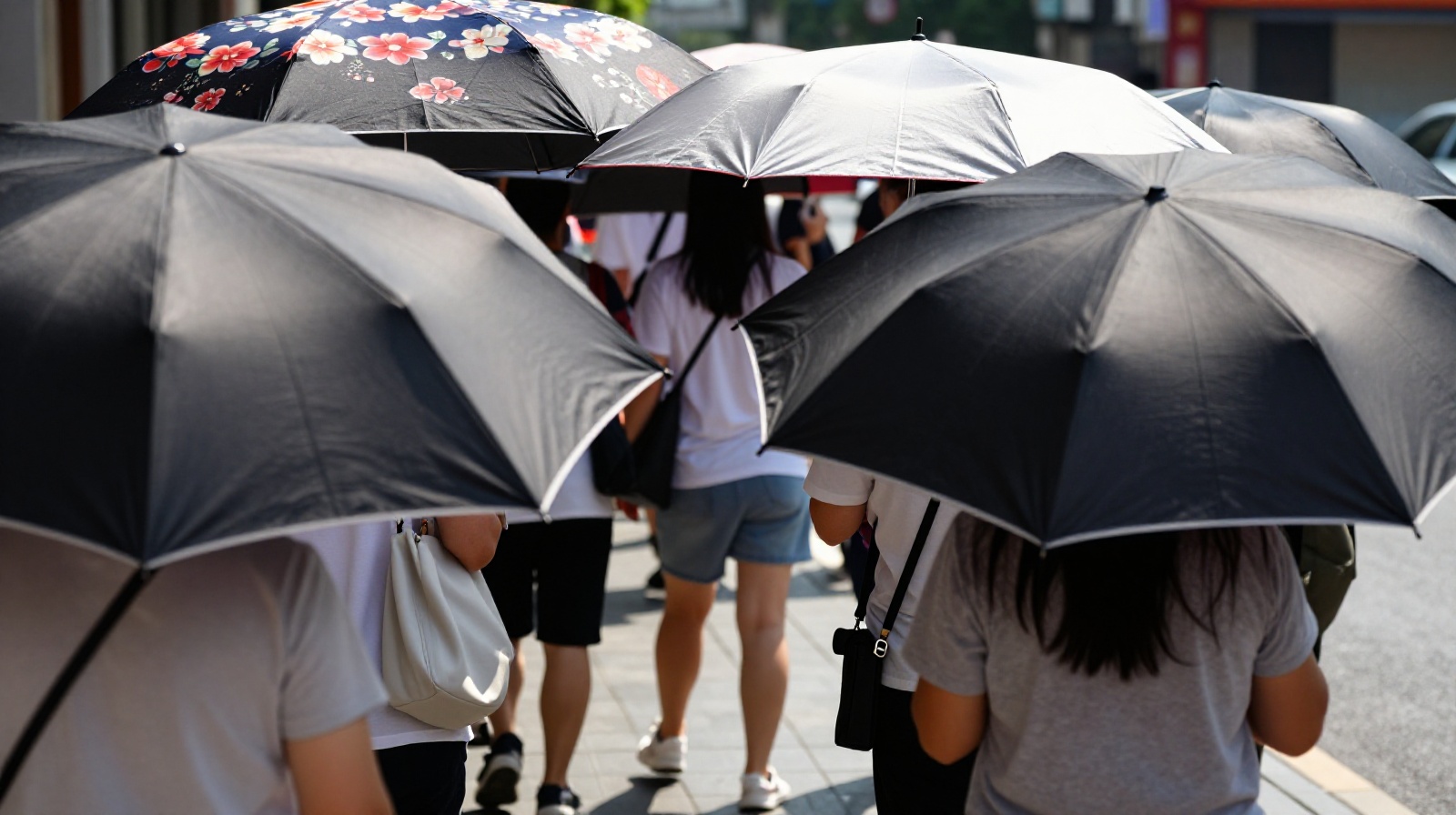
For visitors from Europe or North America, this scene can be confusing. Why does everyone need an umbrella in the shade? In China, carrying a sun parasol is less about rain protection and more about survival. The cultural emphasis on pale skin, combined with high UV indexes in summer, has turned sun umbrellas into a ubiquitous accessory. They are not just accessories; they are personal climate control devices. As you try to move through the crowd, you quickly realize that walking here requires a different set of skills than back home.
The Unspoken Dance of Movement
Navigating these crowded sidewalks is an exercise in non-verbal communication. There are no traffic lights for pedestrians on every block, and there is no one directing the flow. Instead, there is a fluid, organic rhythm that thousands of people follow instinctively.
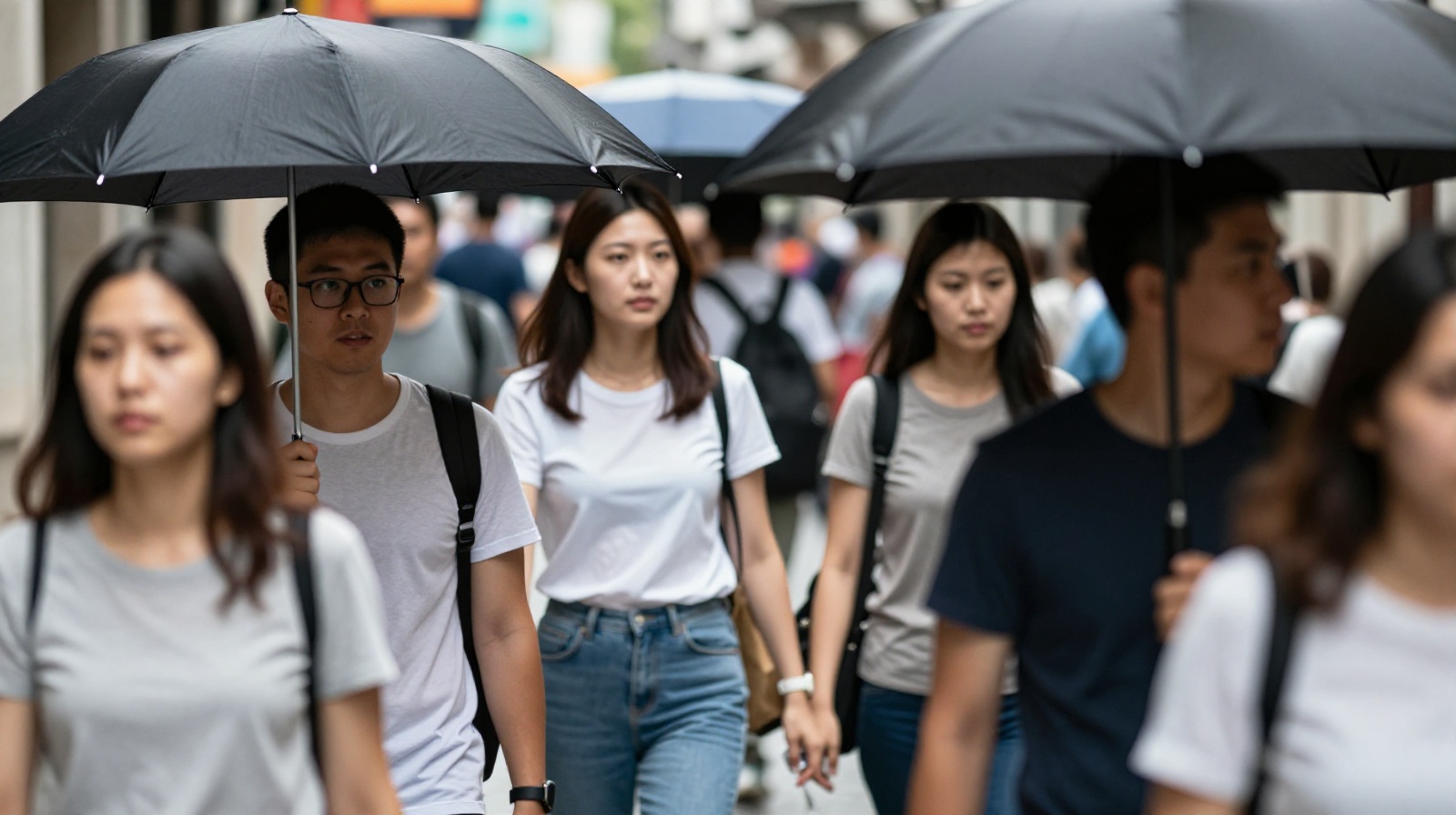
The first rule is subtle: observe the direction of the umbrella tips. In a dense crowd, an umbrella tip acts like a radar antenna. If the tips are pointing slightly left, the flow is moving left. If you try to cut against this current, you will create friction. The best strategy is to align your pace with the general drift. It is not about speed; it is about consistency.
When two paths converge, a silent negotiation happens. You do not need to speak. A slight tilt of the head, a brief eye contact, or a micro-step to the side is enough. These gestures are so quick that you might miss them if you blink. But they are effective. Everyone adjusts their trajectory by mere centimeters, allowing hundreds of people to pass each other without touching. It is a collective choreography where no one is the conductor, yet everyone knows the steps.
Why It Works: The Logic of Flow
This efficiency stems from a high-context culture where personal space is flexible. In many Western cities, maintaining a rigid bubble of personal space is a priority, which can cause bottlenecks when crowds merge. In China, the priority is collective mobility. People are trained from a young age to be aware of their surroundings in a way that prioritizes the group’s movement over individual comfort.
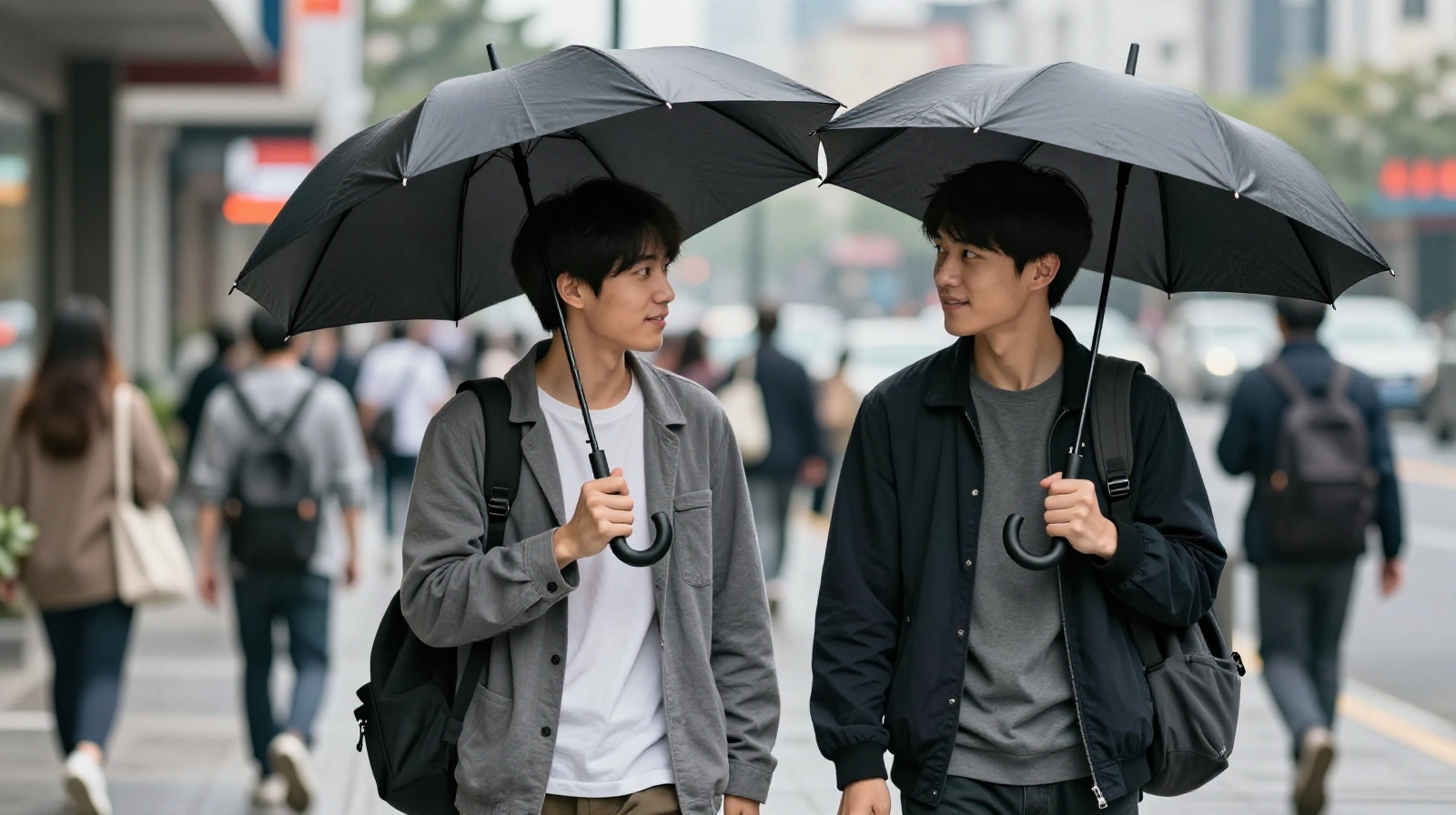
Consider the “Umbrella Etiquette.” If someone accidentally bumps your umbrella, they will immediately apologize, often with a quick “Sorry” or a nod. The offended party usually accepts this instantly, knowing that in such a dense environment, collision is statistically inevitable. This mutual tolerance prevents minor incidents from escalating into conflicts, keeping the flow uninterrupted.
A Survival Guide for Visitors
If you are visiting China during the summer, here is how to blend in:
- Slow Down: Rushing creates chaos. Move at a steady, predictable pace.
- Watch the Tips: Let the umbrella tips guide your direction. They are the most reliable indicators of crowd movement.
- Avoid Sudden Turns: Changing direction abruptly can cause chain reactions. Signal your intent early with a small step or glance.
- Keep Your Umbrella Low: If you buy one, hold it slightly lower than eye level to avoid poking others. This is a sign of consideration.

The Resilience of Urban Life
At first glance, a sidewalk packed with umbrellas might seem chaotic. But look closer, and you will see order. This ability to navigate dense spaces with grace is a testament to the resilience and adaptability of Chinese urban life. It is a lesson in how communities can function efficiently without rigid rules, relying instead on shared awareness and subtle coordination.
So, the next time you find yourself under a sea of sun umbrellas, do not fight the current. Join the dance. Adjust your step, trust the flow, and enjoy the unique rhythm of a Chinese summer day.