

The Long Table, The Short Night
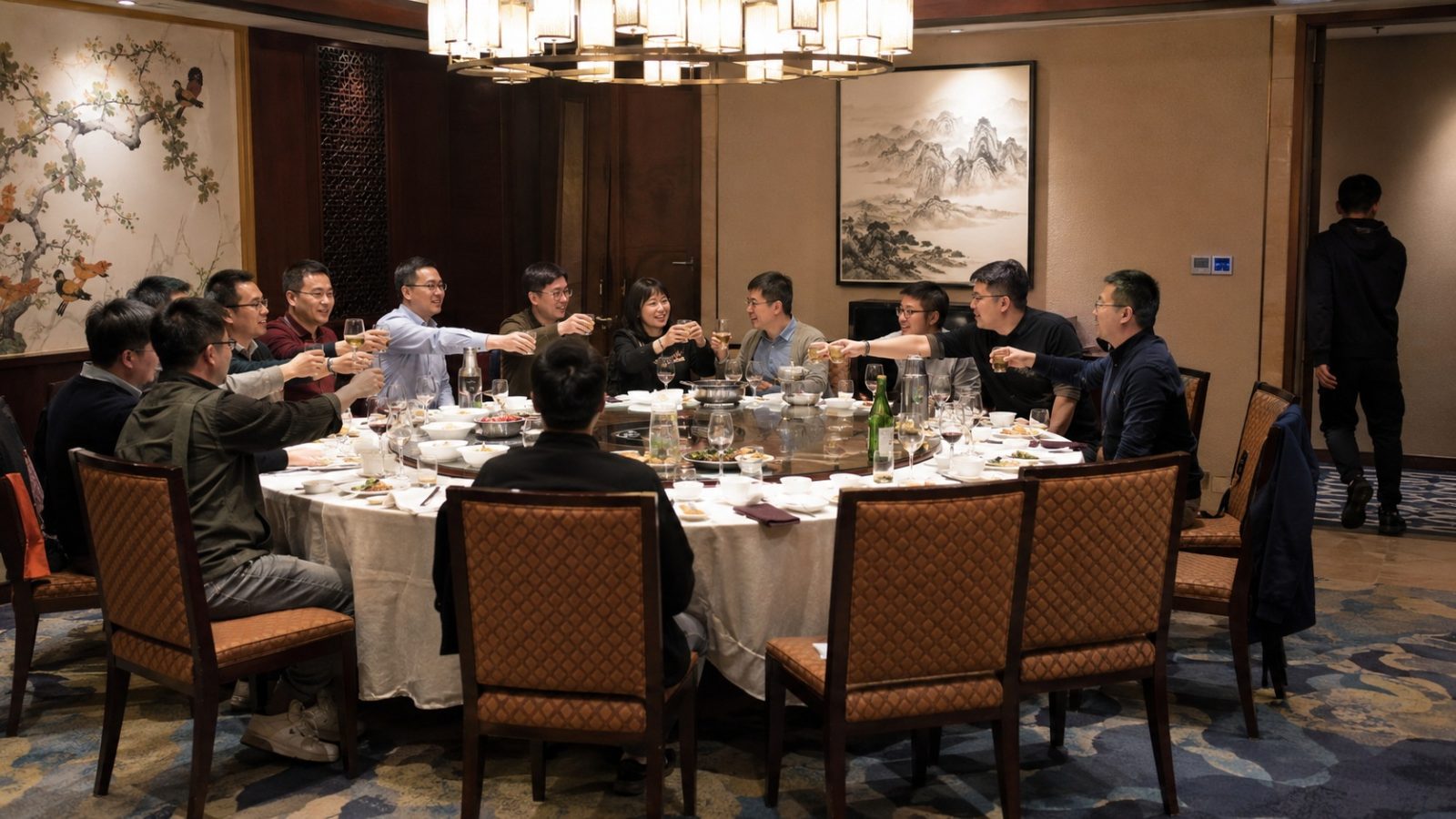
You are sitting in a private dining room. The air is thick with the smell of spicy crayfish and strong Baijiu. Around you, colleagues, clients, and relatives are raising their glasses for the fifteenth time tonight. The host is still standing, smiling, waiting for your toast.
In many Western cultures, if you want to leave a party, you say goodbye to the host and walk out. In China, this is often considered rude. Leaving early without a formal farewell can feel like a rejection of the host’s generosity. It creates “loss of face” (mianzi), a critical concept in Chinese social dynamics.
Why Direct Goodbyes Are Risky
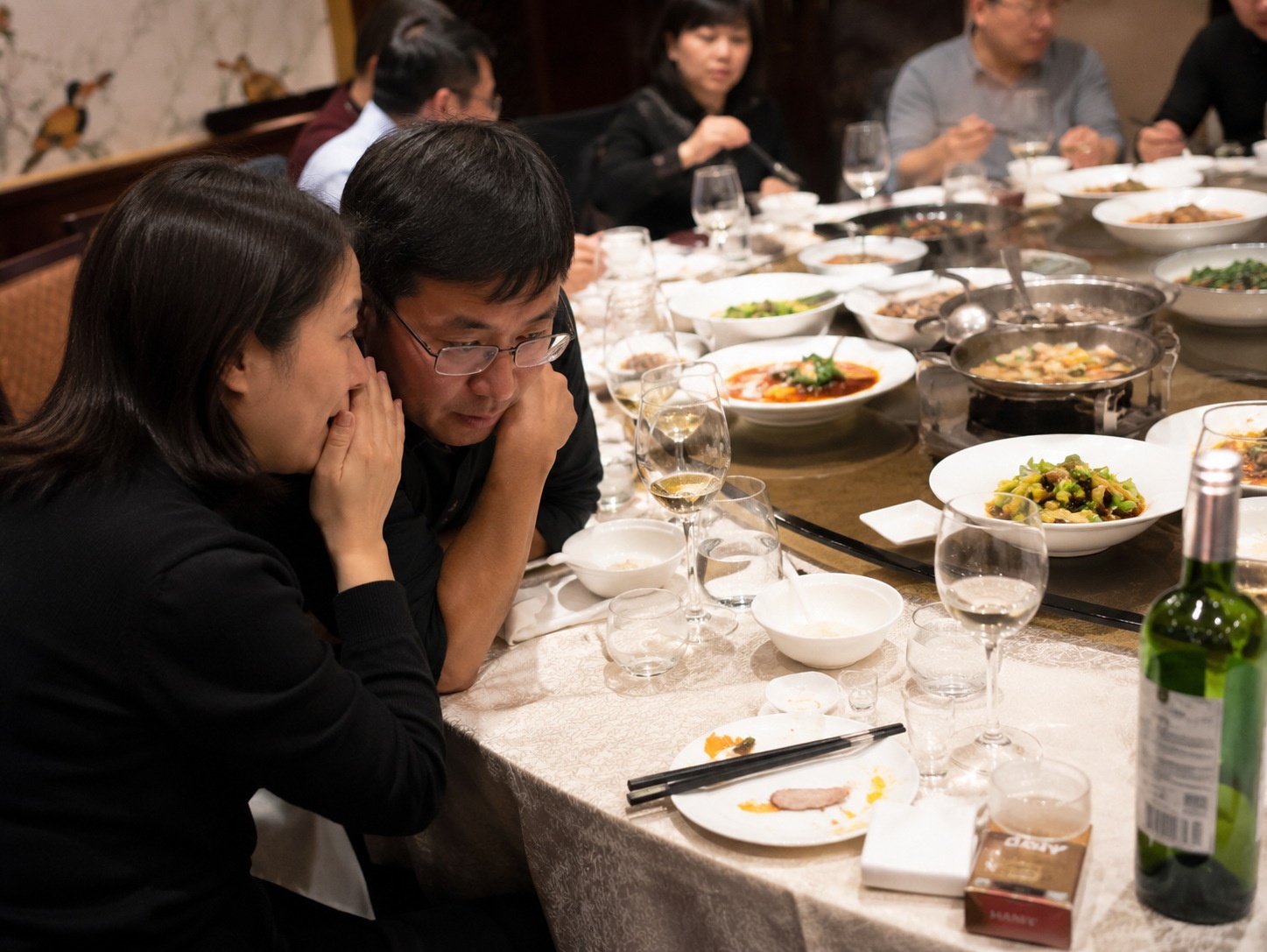
Chinese banquets are not just about eating; they are rituals of relationship building (guanxi). The host expects to see every guest leave safely. If you vanish, the host may feel embarrassed or worried.
The goal is not to be dishonest, but to be considerate. You need a method that removes the burden from the host while allowing you to escape the noise.
The “Middleman” Strategy
The most effective way to leave is never alone. Identify one person in your group who is also ready to go, or who has a legitimate reason to leave early (e.g., an early meeting or family duty).
Approach this person quietly. Explain your situation: “I have a migraine,” “My child is waiting for me,” or “I have an early start tomorrow.” Ask them to handle the formalities.
This person then approaches the host or the senior table members. They use polite, pre-scripted language: “Xiao Wang (your name) has a sudden emergency and must leave. He asked me to apologize to you personally. He is already on his way out to avoid disturbing everyone.”
By using a middleman, you avoid the scene of a dramatic exit. The host receives the message through a trusted channel, preserving their face because your departure was communicated respectfully.
The “Bathroom” Pause
If you cannot find a middleman, use the restroom strategically. This is a classic maneuver in Chinese urban social life.
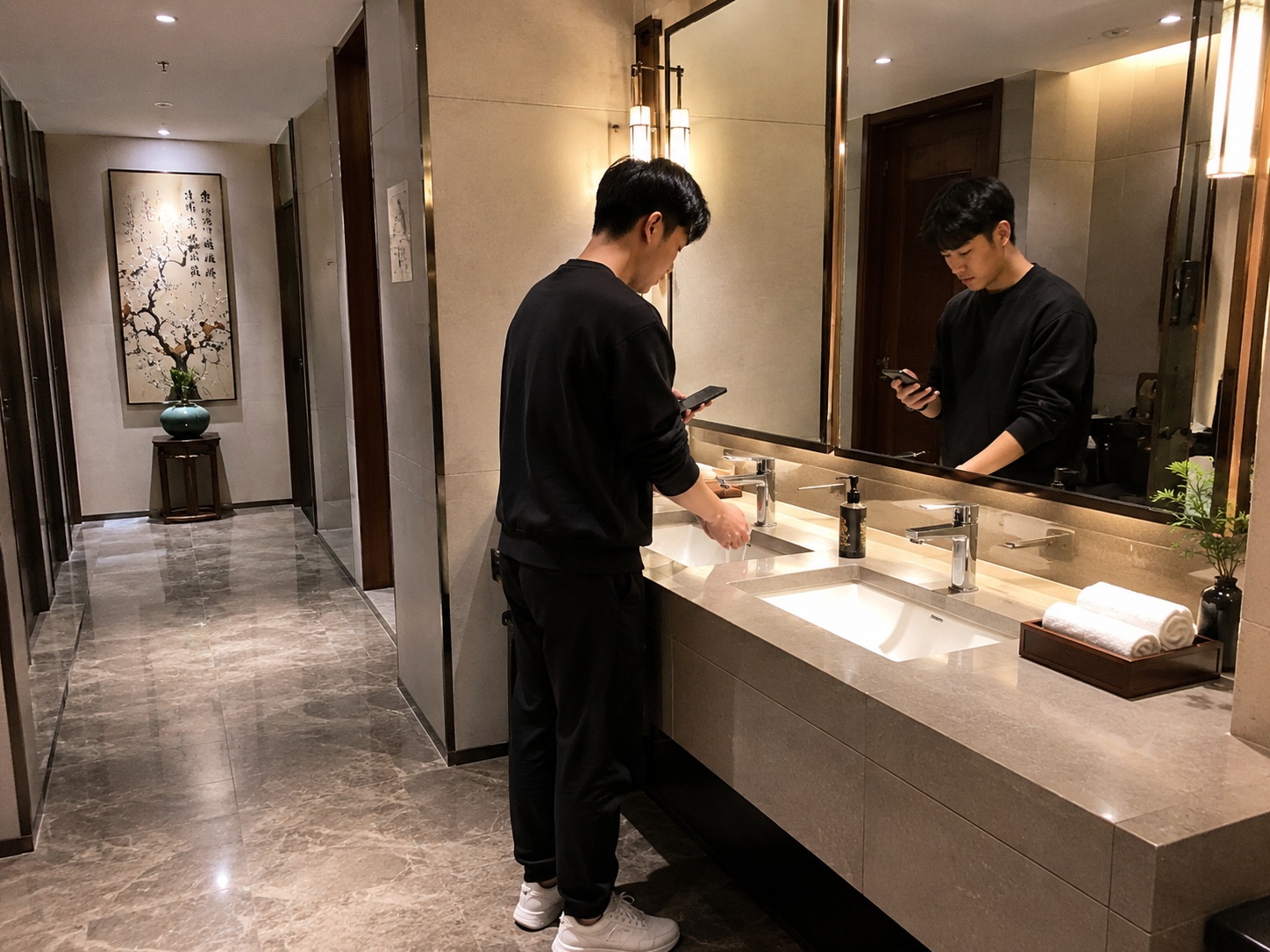
Go to the restroom and stay there for 10–15 minutes. Do not check your phone aggressively; just wash your hands and look in the mirror. This creates a natural break in the conversation.
While you are “freshening up,” text your middleman or the person sitting next to you: “I am leaving now. Please excuse me.” Then, slip out through the side door or back entrance. Do not wave at the main table. A small nod to the nearest host representative is enough.
Pre-emptive Excuses
The best exit is one that is planned before you arrive. If you know the banquet will be long and tiring, set expectations early.
When you arrive, mention casually: “I am so happy to be here, but I have a tight schedule tomorrow morning. I might need to slip away a bit early if the conversation gets too lively.” Most Chinese hosts will appreciate your honesty and may even help you leave earlier than expected, framing it as “we don’t want to overstay your welcome.”\p>
What Not To Do
- Do not shout goodbye. It draws attention and makes the host feel pressured to stop you.
- Do not leave without telling anyone. Even a silent exit requires a signal to at least one person.
- Do not complain about the food or the pace. Keep your excuse personal (health, family, work), not critical of the event.
Conclusion: Flexibility Over Rules
Navigating Chinese banquets is less about rigid etiquette and more about social intelligence. The “Irish Goodbye” in China is not about being anti-social; it is about respecting the group’s harmony while protecting your own energy.
By using middlemen, strategic pauses, and polite pre-explanations, you can leave gracefully. You preserve the host’s face, maintain your relationships, and get home to sleep. In China, this is not rude. It is smart.