

The Myth of ‘Cheap Only’
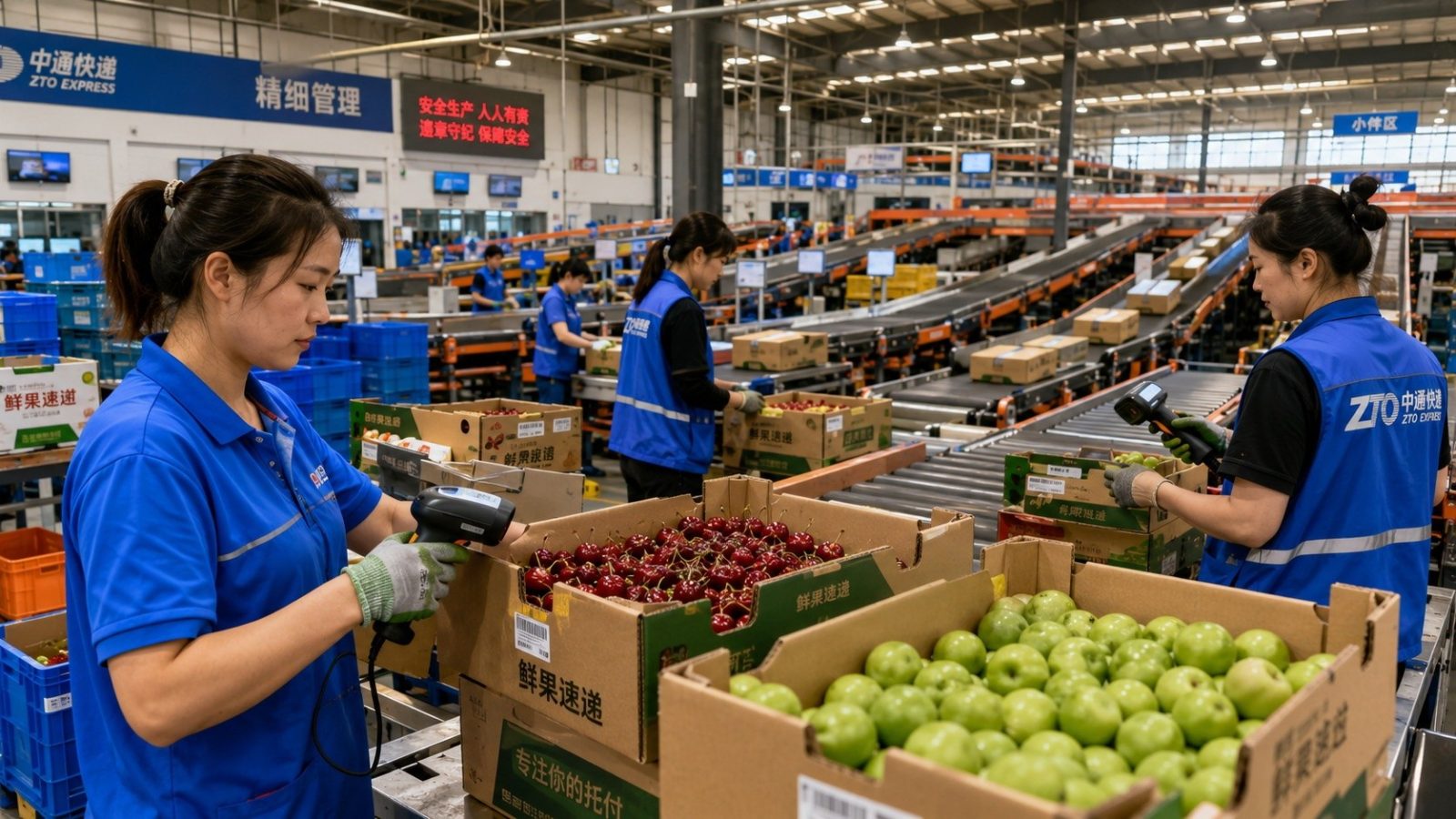
Walk into any large supermarket in Shanghai or Chengdu, and you will not just find cheap vegetables. You will find premium cherries from Yunnan, lychees from Guangdong, and seafood from the coast, all priced with a clarity that suggests competition, not desperation. For decades, Western observers associated Chinese manufacturing with low costs. Today, that narrative is shifting. The new value proposition in Chinese consumption is not just affordability; it is speed and freshness.
Consider the Chinese lychee, a fruit so perishable that traditional trade once limited its export to dried or canned forms. Today, a lychee picked in Guangdong at dawn can be on a dinner table in Beijing or even exported to London by evening. This is not magic. It is the result of a supply chain infrastructure that has quietly become one of the most efficient in the world.
The Infrastructure of Speed
The backbone of this freshness is China’s cold-chain logistics network. Unlike the fragmented cold-storage systems of the past, modern Chinese logistics integrates high-speed rail and dedicated freight corridors. The country’s vast high-speed rail network is no longer just for passengers; it is a critical artery for perishable goods.
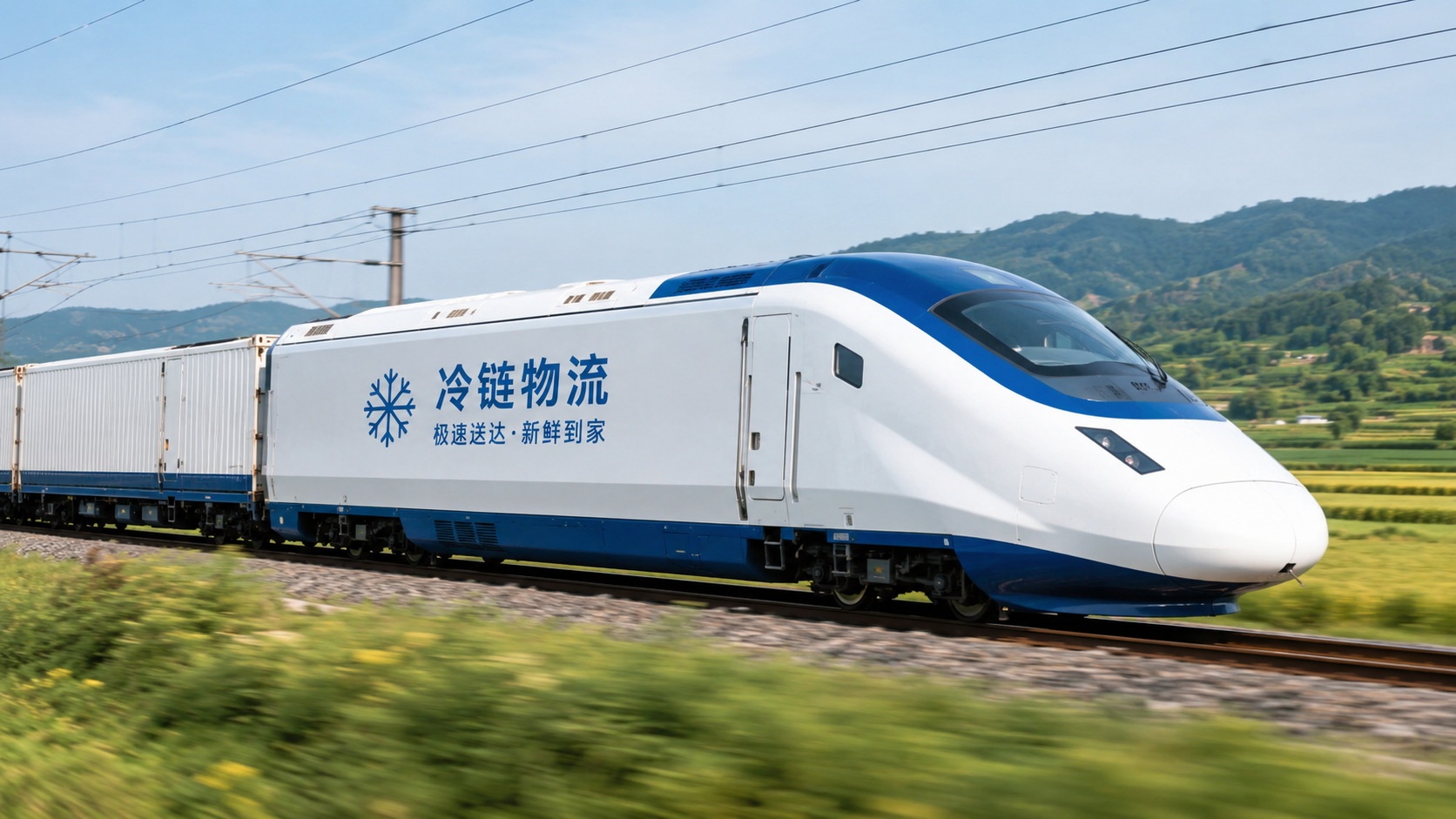
Data from the China Association of Supply Chain & Logistics indicates that the cold-chain logistics market has grown at a double-digit rate annually over the past five years. This growth is visible in everyday life. A cherry from Yunnan, which used to take weeks to reach eastern cities via slow freight trains, now travels on dedicated cold-chain trucks and high-speed rail cargo planes, arriving in less than 24 hours with minimal weight loss.
The technology is also advancing. Smart refrigeration units maintain precise temperatures during transit, while RFID tags track humidity and shock. For the consumer, this means the fruit they buy looks and tastes as if it was just picked. The “just-picked” standard has moved from a luxury niche to a baseline expectation for middle-class urbanites.
Tech Meets Tradition: Predicting Demand
Speed is only half the equation. The other half is precision. In the past, farmers often overproduced, leading to massive waste when prices crashed. Today, big data and artificial intelligence have transformed agricultural planning.
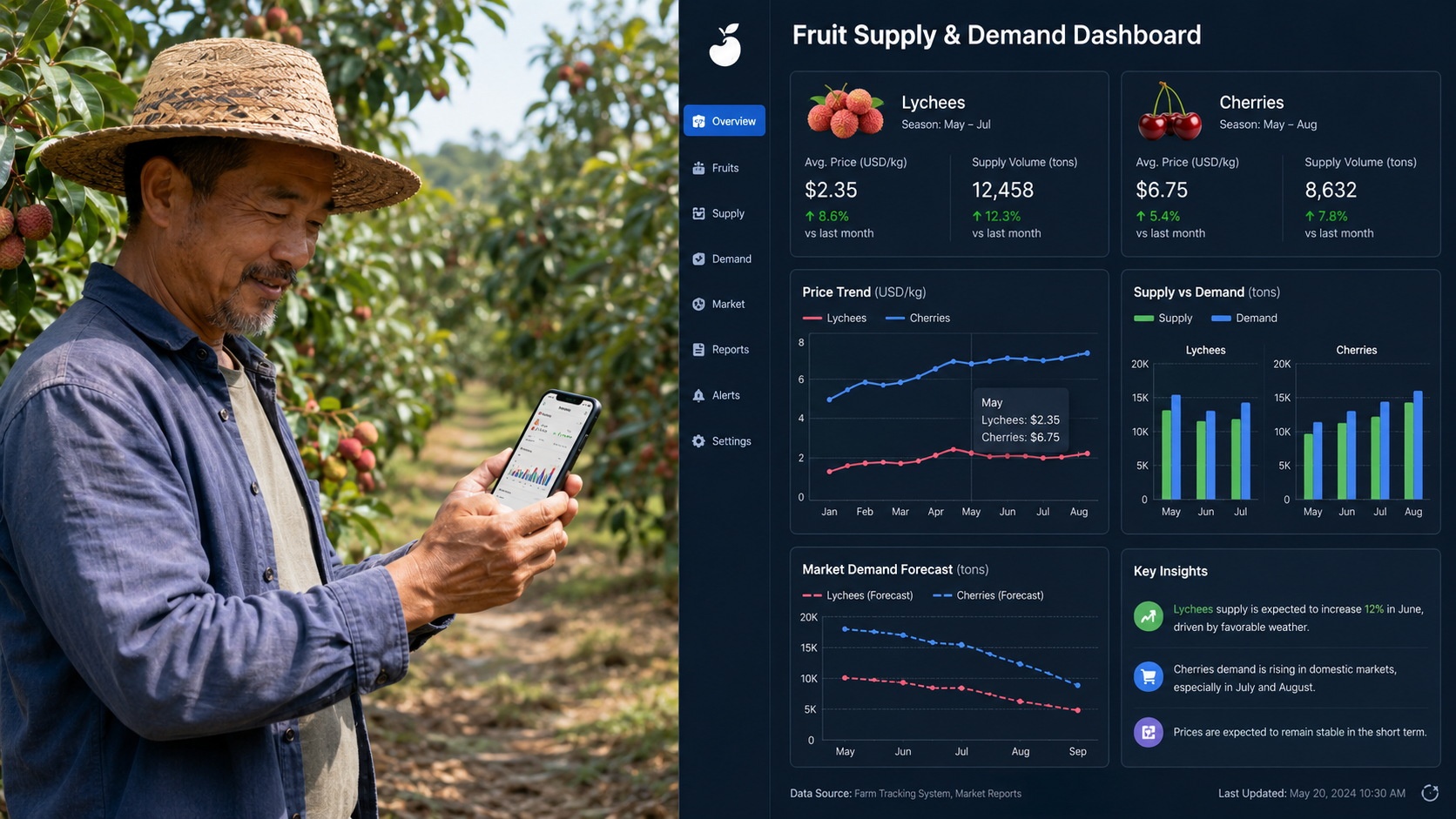
E-commerce platforms like Pinduoduo and JD.com use algorithms to predict demand in specific cities. If data shows a surge in interest for nashi pears in Hangzhou, farmers in the producing regions are notified weeks in advance. This “order-based agriculture” reduces waste and ensures that what is grown is what is consumed.
Community group buying, a unique Chinese retail model, further tightens this loop. Local “group leaders” collect orders from their neighborhood WeChat groups, allowing farmers to ship in bulk directly to community pickup points. This eliminates multiple layers of middlemen, reducing costs while keeping the produce fresher for longer.
A Day in the Life: From Orchard to Table
To understand this system, imagine a consumer in Shenzhen receiving a package of blueberries from Sichuan. The timeline is tight:
- Day 0, 6:00 AM: Farmers harvest the berries at peak ripeness.
- Day 0, 10:00 AM: Berries are pre-cooled and packed in temperature-controlled crates.
- Day 0, 2:00 PM: The package is picked up by a logistics partner and transported to a regional hub.
- Day 1, 6:00 AM: Loaded onto a high-speed rail cargo train or long-haul cold-chain truck.
- Day 1, 8:00 PM: Arrives at a local distribution center in Shenzhen.
- Day 2, 9:00 AM: Delivered to the consumer’s door or a nearby pickup locker.
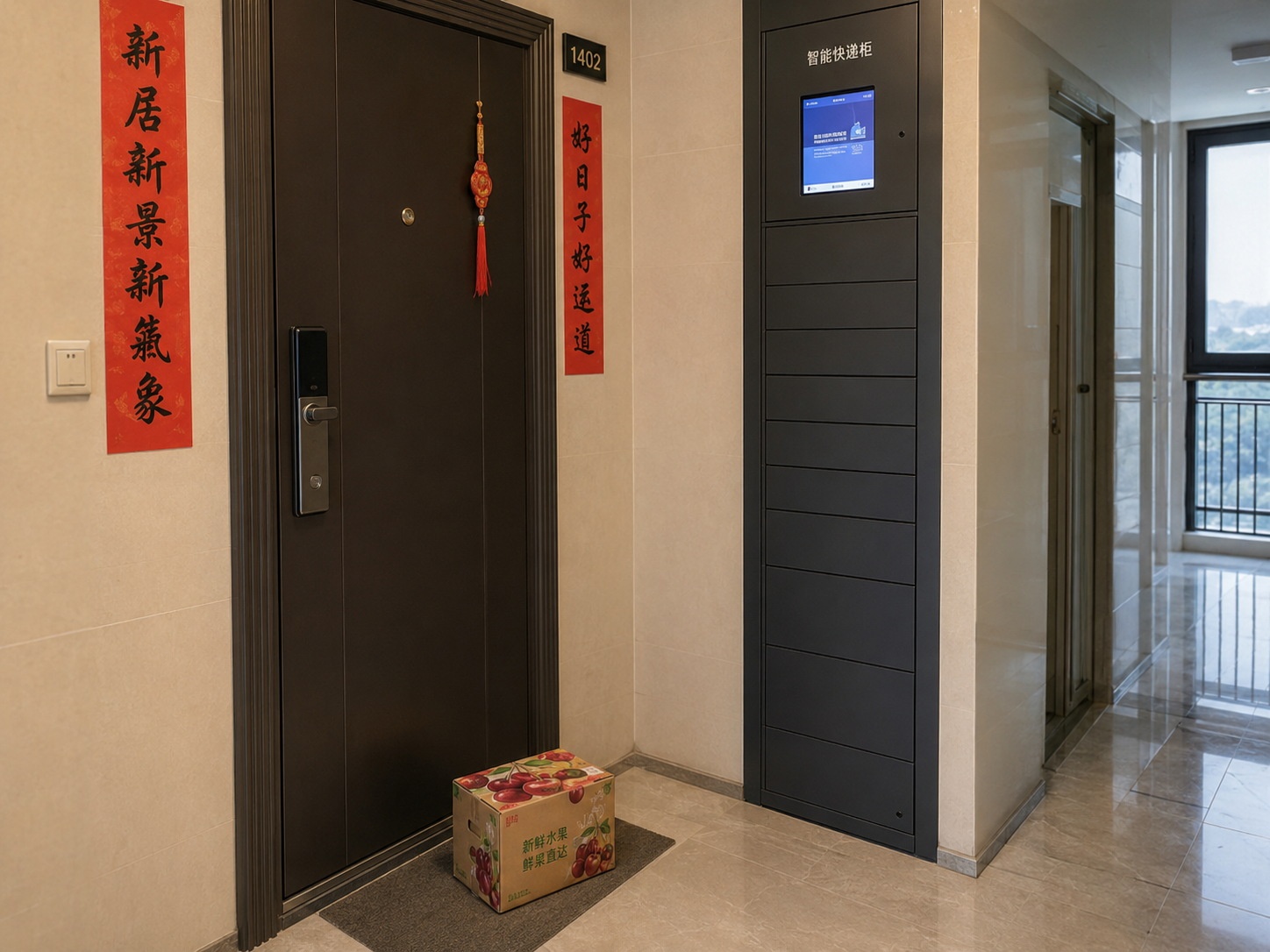
This 24-to-48-hour cycle is now standard for premium fruits and seafood. It challenges the old assumption that long-distance trade requires preserved food. In China, “fresh” is no longer defined by local proximity, but by logistical efficiency.
The Human Element: Farmers and Digital Integration
This transformation is not just about technology; it is about people. For rural farmers, direct-to-consumer channels mean higher incomes and less risk. Platforms provide training on packaging and quality control, turning smallholders into professional suppliers.
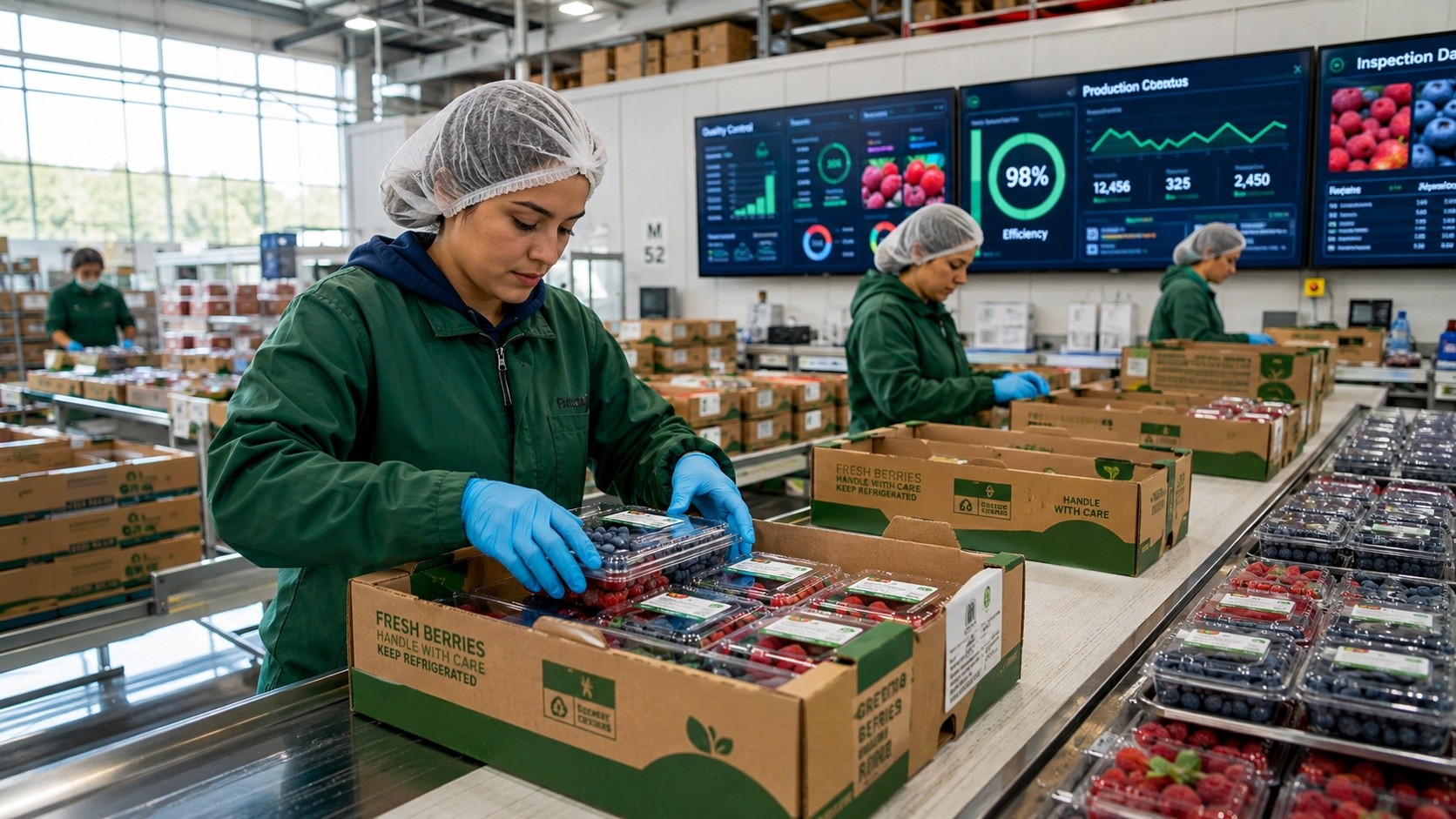
However, challenges remain. The digital divide persists in remote areas, and the intensity of the logistics network requires significant energy consumption. Yet, the trend is clear: China’s rural economy is integrating with its urban consumer base through digital tools. Farmers are no longer isolated producers; they are connected nodes in a national data network.
Freshness as a Standard of Living
The ability to access “just-picked” food anywhere in the country is a marker of modern infrastructure maturity. It reflects a domestic market that is deep, integrated, and increasingly sophisticated. For overseas observers, this shift offers a new lens to view China: not as a factory for cheap goods, but as a laboratory for high-efficiency supply chains.
As cold-chain technology becomes cheaper and more widespread, this “freshness economy” will likely expand to more regions and products. The question is no longer whether China can deliver fresh food, but how far and how fast it can go next.