

The Label That Doesn’t Fit
When I first moved to Shanghai in my late twenties, a well-meaning relative pulled me aside at a family dinner. “You’re smart and successful,” he said, lowering his voice. “But you’re still single. Don’t worry, we’ll help you find someone.” It wasn’t a compliment; it was a diagnosis.
This is the reality of the “leftover woman” (sheng nü) label in China. Coined by state media in 2007 to describe unmarried women over 27, the term quickly became a global shorthand for China’s gender imbalance. But for the women living it, the label feels less like a demographic fact and more like a social control mechanism.
More Than Just a Number
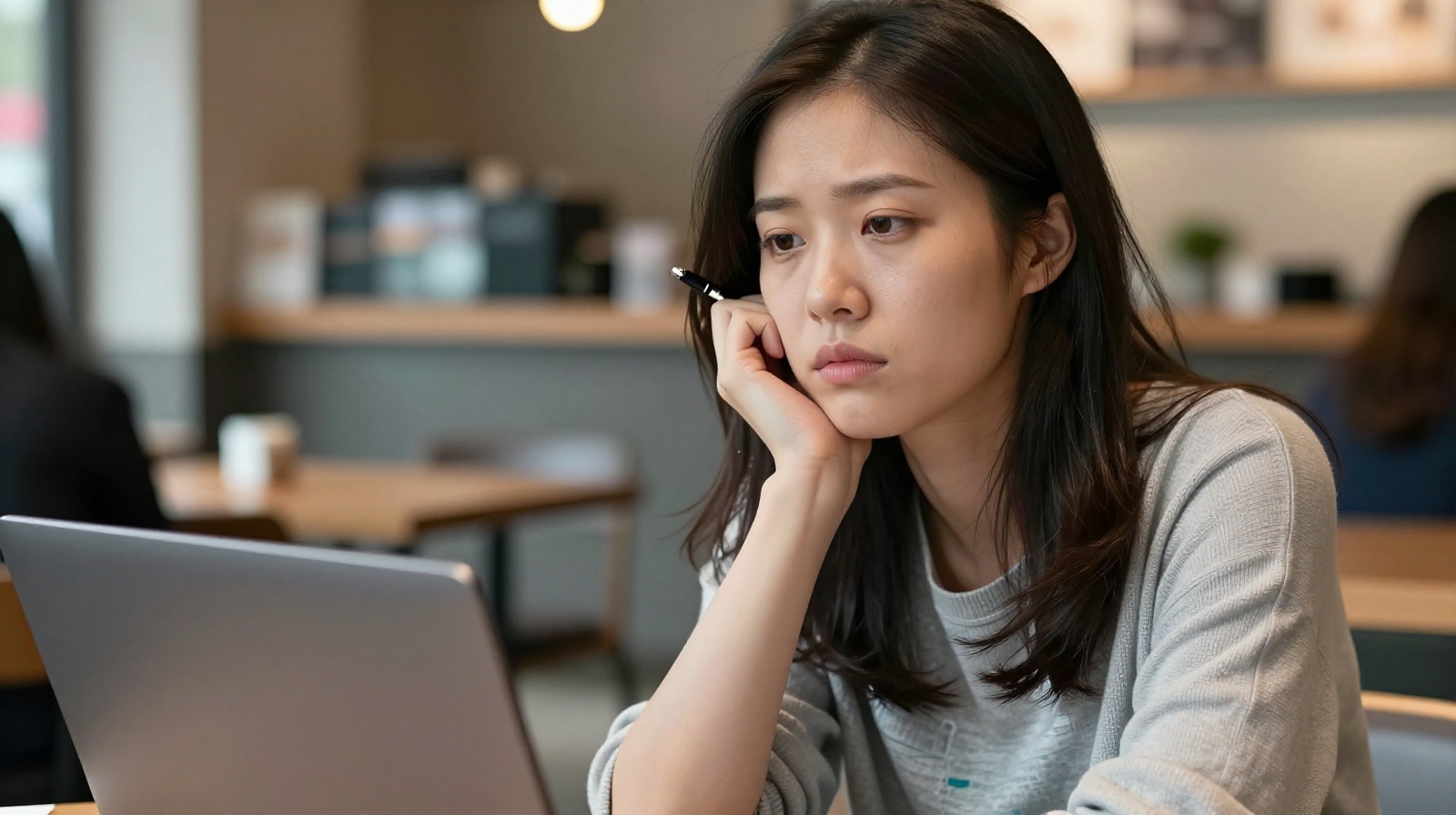
Li Na, 32, is a product manager at a fintech startup in Beijing. She has a stable income, a condo in the city center, and a vibrant social circle. Yet, when she returns to her hometown in Henan province during Spring Festival, the questions start immediately.
“Aunties ask if I’m too picky,” Li Na told me over coffee in Beijing. “My parents don’t say it directly anymore, but their silence is loud. They worry that no one will take care of them when they’re old. For them, my marriage isn’t just about my happiness; it’s about completing a social duty.”
Li Na represents a growing demographic. According to recent data, China has over 200 million single adults, with women increasingly delaying marriage for education and career advancement. In tier-one cities like Beijing, Shanghai, and Shenzhen, the ratio of unmarried women in their thirties is significantly higher than national averages.
Economic Independence as Resistance
For many modern Chinese women, financial independence is the ultimate shield against societal pressure. “I can buy my own house, travel when I want, and pay for my parents’ healthcare,” says Chen Wei, 35, a senior engineer in Shenzhen. “Why would I marry just to survive?”
This shift is profound. Historically, marriage in China was an economic necessity, especially for women. Today, as female literacy and workforce participation reach historic highs, marriage has transformed from a requirement into a preference.

However, this independence comes with its own costs. The “glass ceiling” still exists in many industries, and workplace discrimination against pregnant women remains a legal grey area. Chen Wei admits she sometimes feels isolated. “My male colleagues talk about their kids’ school districts. I talk about market trends. We’re not on the same page.”
From “Must-Have” to “Nice-to-Have”
The core of the conflict lies in changing definitions of success. For older generations, a complete life includes marriage and children by a certain age. For millennials and Gen Z, success is self-defined.
Zhou Ting, 29, a graphic designer in Hangzhou, chose to focus on her career after a painful breakup. “I used to think I was broken because I wasn’t married,” she says. “Now I see that society is broken for expecting women to sacrifice their ambitions for a traditional role.”
This generational clash is visible everywhere. In parks across China, “matchmaking corners” filled with parents holding resumes of their children are a common sight. But inside the cafes and co-working spaces of urban centers, young professionals are increasingly choosing companionship that aligns with their values, rather than fulfilling societal expectations.
Breaking the Cycle
Is the “leftover woman” label disappearing? Not entirely. It still appears in media discussions and family gatherings. But its power is fading among the educated urban population. Social media platforms like Xiaohongshu (Little Red Book) are filled with women celebrating solo travel, career milestones, and child-free lifestyles.
The narrative is shifting from “leftover” to “self-sufficient.” Women are no longer just waiting for men to validate their worth; they are building lives that stand on their own.
A New Normal
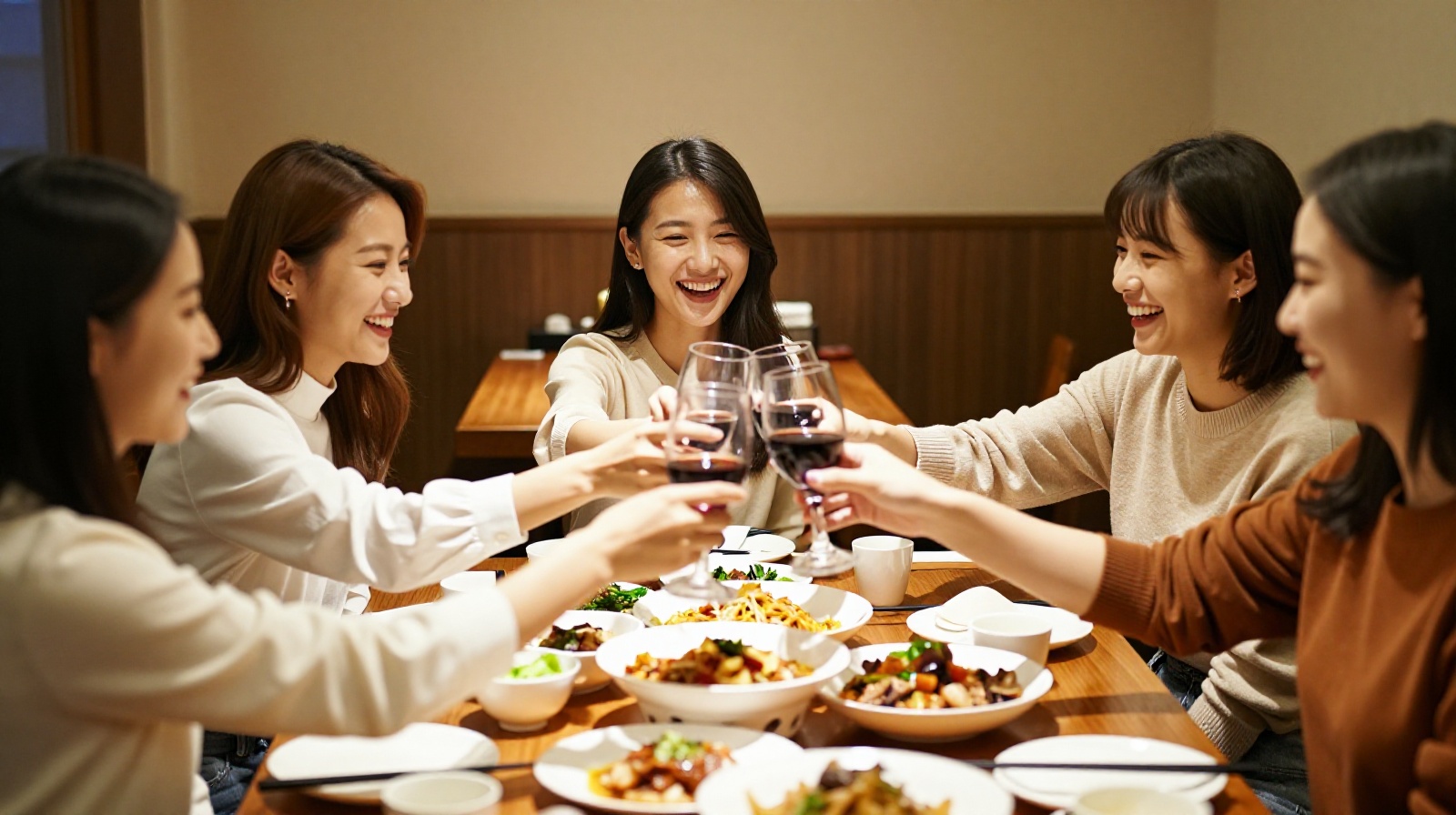
For Li Na, Chen Wei, and Zhou Ting, being single is not a temporary state of limbo. It is a valid, chosen path. They are not “leftovers”; they are the new mainstream.
As China continues to modernize, the pressure to marry may ease further. The real story isn’t about women being left behind; it’s about them rewriting the rules entirely. And for the first time, they are writing the ending themselves.