

The Sound of the Tupperware Lid
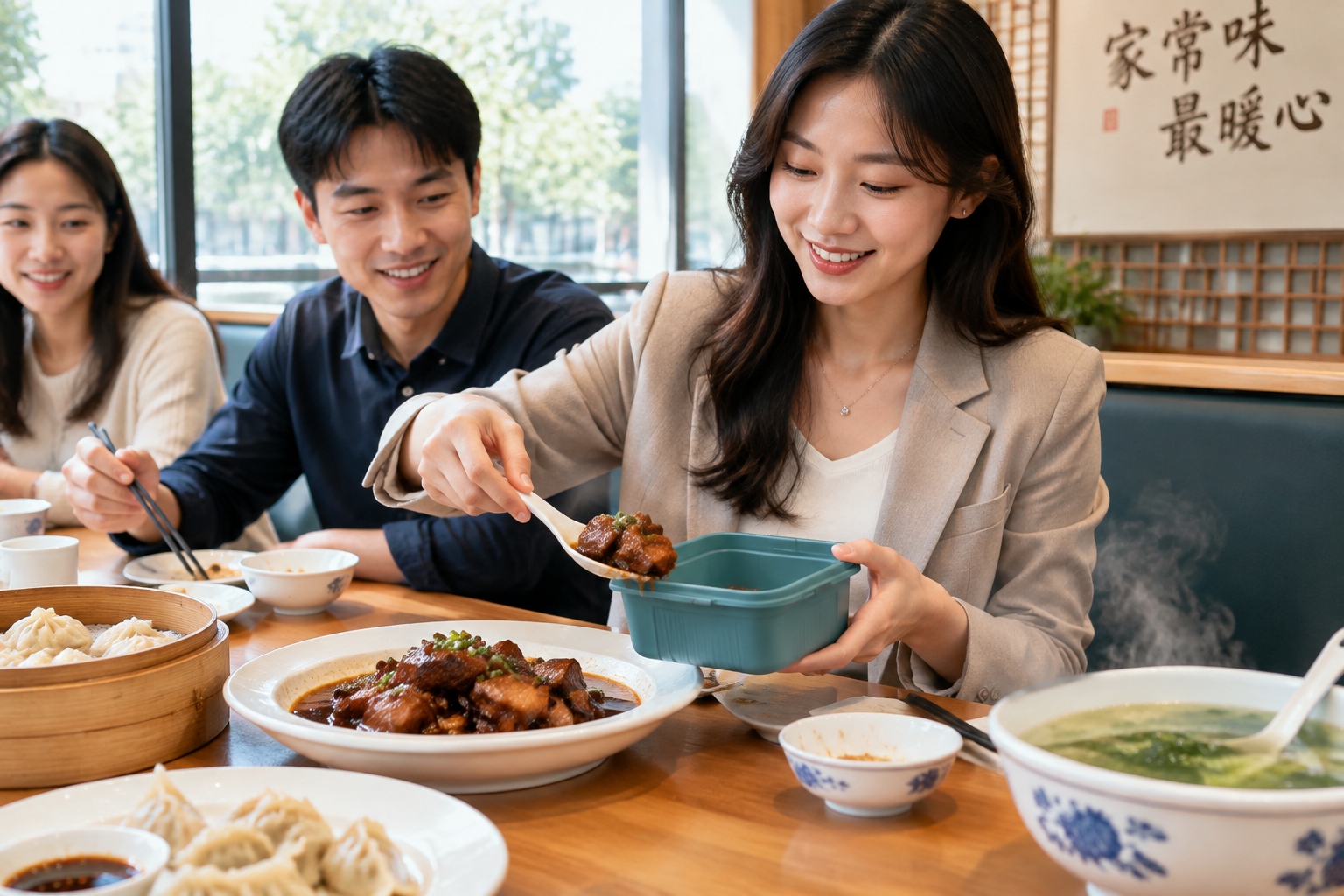
Li Wei, a 34-year-old project manager in Shanghai, just finished a dinner with colleagues at a bustling Sichuan hotpot restaurant. The table is a chaotic scene of boiling broth, red oil, and half-eaten dumplings. By Chinese standards, they ordered plenty to show hospitality. But as the meal winds down, Li doesn’t wave goodbye to the remaining food.
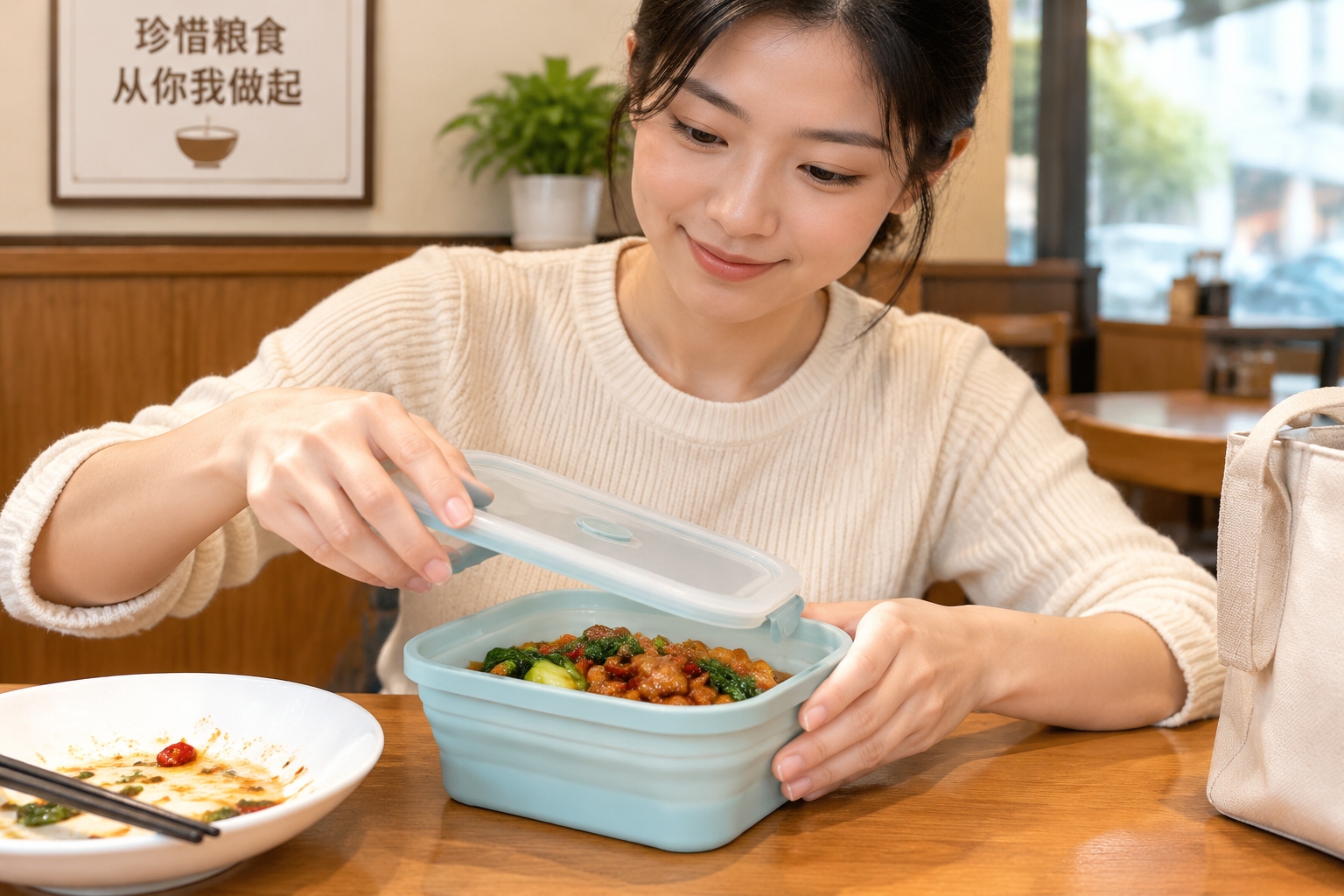
Instead, she pulls out her own reusable silicone container from her bag—a sleek, leak-proof Tupperware-style box common in Chinese offices and homes. “It’s a waste,” she says simply, scooping half a portion of braised pork into the container. In China, this act is not just practical; it is a social signal of responsibility.
From Scarcity to Consciousness
To understand why “Dabao” (packing food to go) is considered virtuous in China, one must look at the 20th century. For decades, China faced severe food shortages. The memory of starvation is still alive in the collective consciousness of many older generations who taught their children that leaving food on a plate was unforgivable.
Today, while China’s economy has exploded and supermarkets are overflowing, this cultural DNA remains. The national campaign against food waste launched by the government in 2013 reinforced an existing habit into a modern civic duty. It is no longer just about saving money; it is about respecting the labor of farmers and the resources used to grow crops.
Unlike in some Western countries where leftovers are sometimes seen as “doggy bag” food—implying the meal was too big or the diner couldn’t finish it—in China, packing food is a sign of prudence. It shows you value what you have. The stigma of wasting food is so strong that ordering just enough to eat is often harder than over-ordering.
The Psychology of “Good” Waste
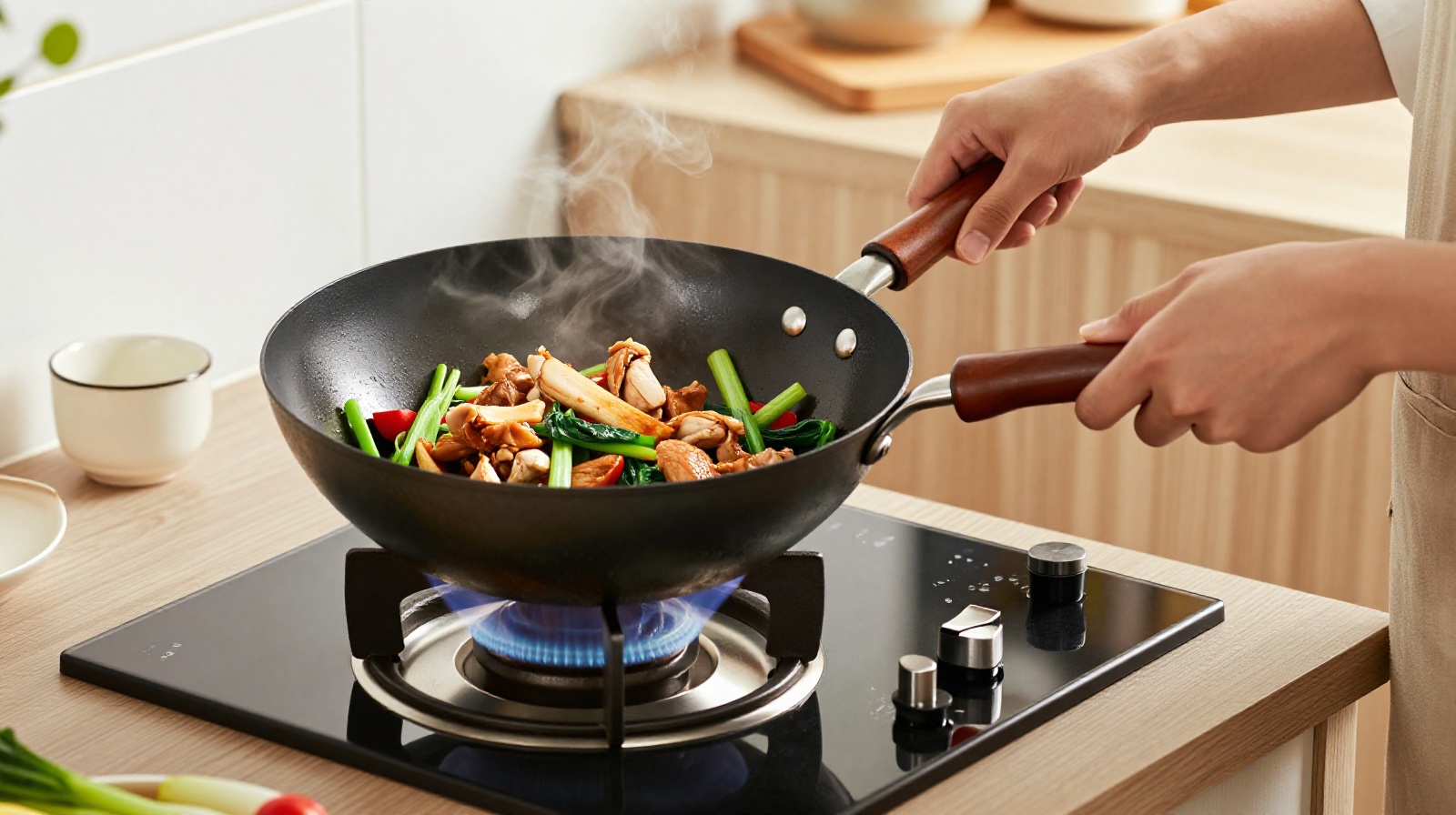
There is also a deep-seated psychological comfort in reprocessing leftovers. Chinese cuisine is famous for its versatility with ingredients. A dish like stir-fried noodles or braised pork that looks cold can be transformed the next day into something new and delicious.
This isn’t just about frugality; it’s an art form. In many households, “Dabao” items are the first stop after a restaurant visit. The food is reheated with garlic, fresh vegetables, or sauce to create a second course that often tastes even better than the original. This culinary creativity turns potential waste into a cherished family meal.
From an environmental perspective, this habit is a massive, decentralized sustainability initiative. With billions of meals consumed daily, the sheer volume of food saved from landfills through home-style “Dabao” contributes significantly to reducing carbon emissions associated with food production and disposal.
A Different Kind of Packaging
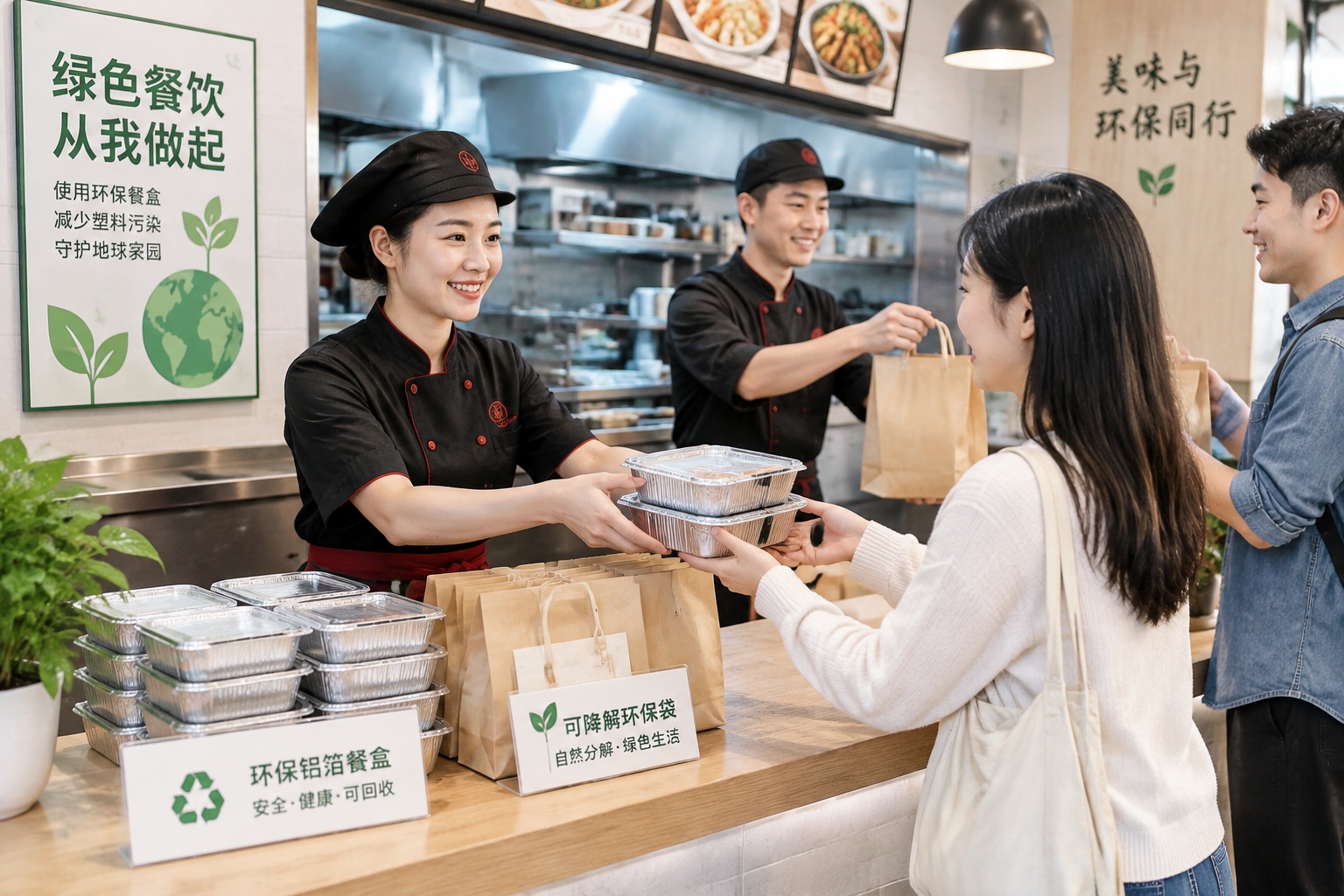
Walk into a restaurant in Beijing or Chengdu today, and you will see the infrastructure supporting this culture. Unlike the flimsy paper boxes or styrofoam containers common in Western fast-food chains, Chinese restaurants often provide high-quality aluminum foil trays, reusable plastic bento boxes, or even biodegradable starch-based bags.
The packaging is designed to be sturdy, sealable, and microwave-safe. In many places, you can even buy the container itself as part of a “takeout set,” encouraging customers to return it for cleaning and reuse—a circular economy model that predates modern sustainability trends by decades.
Furthermore, the digital revolution has supercharged this habit. WeChat and Alipay allow users to scan a QR code, order a box on their phone, and have food ready for pickup in seconds. The friction between “wanting to save food” and “having a container” has been almost entirely removed.
Conclusion: A Global Lesson
In the West, asking for a doggy bag can sometimes feel like admitting defeat or embarrassment. In China, it is an act of pride. It represents a society that has learned to balance abundance with restraint.
For global observers, the “Dabao” culture offers a powerful lesson: sustainability often starts not with high-tech solutions, but with simple, deeply held values passed down through generations. When a person in Shanghai packs up their leftovers, they are not just saving a few dollars; they are participating in a centuries-old philosophy that views food as a precious gift, not disposable trash.
Start the discussion at forum.chinacomes.com