

The Resume Exchange, Not a Date
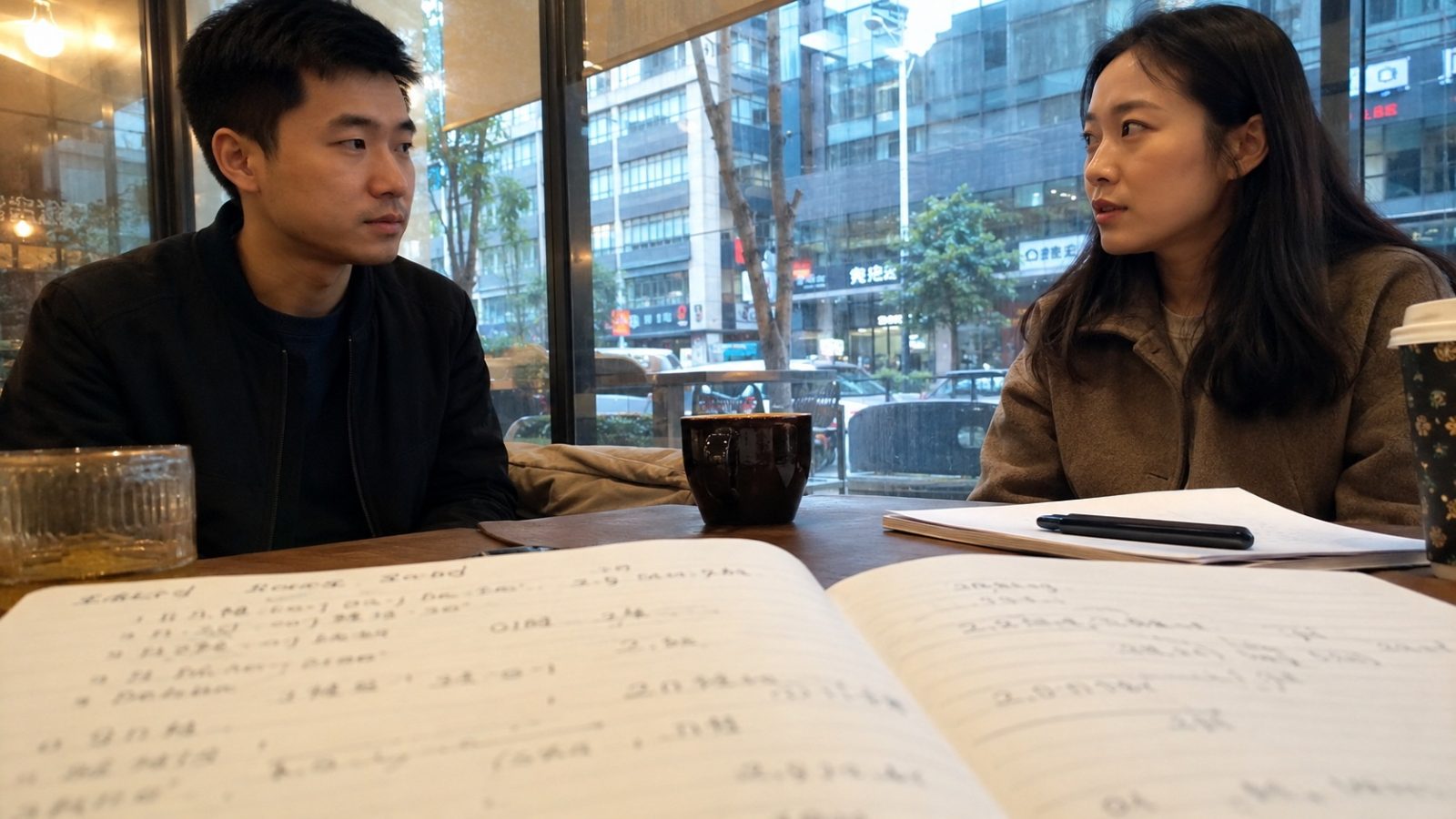
Imagine sitting in a noisy teahouse in Chengdu. Across from you is not a mysterious stranger you met on a dating app, but a woman your mother’s age—or perhaps even older. She holds a notebook. You do not know her name yet, but she already knows your salary, your monthly mortgage payment, and whether your parents have pension insurance.
This is the reality of xiangqin (相亲), China’s version of matchmaking. For young Chinese adults, particularly those in their late 20s or early 30s, it is often less about finding “the one” and more about verifying compatibility based on a checklist of hard metrics. It is a social institution that feels less like a romantic adventure and more like a merger acquisition.

Where the Matchmakers Meet
If you want to witness this phenomenon in its rawest form, go to a public park on a weekend morning. Places like Shanghai’s People’s Park or the “Matchmaking Corner” in Beijing’s Zhongshan Park become informal stock exchanges of marriage prospects.
Here, parents—usually grandparents holding umbrellas with pieces of paper attached—act as the recruiters. The umbrellas display key data: height, education level, property ownership, and income. It is strikingly transactional. A grandmother might approach another, asking, “Is your grandson married? Does he have a house in the city center?”
For the young people themselves, the venues have shifted. While park corners remain iconic, most urban professionals now use dedicated matchmaking apps or hire professional matchmakers. These services often charge significant fees, treating marriage as a premium consumer service where clients are “optimized” for long-term stability rather than short-term passion.
The Interrogation Room
So, what does the actual conversation look like? If you are the one being interviewed, expect the first 15 minutes to feel like a job interview for the position of “Life Partner.”\p>
Li Wei, a 29-year-old software engineer from Hangzhou, describes his experience: “I met a girl through my aunt. We sat in a Starbucks. She didn’t ask about my hobbies or my favorite movies. She asked if I owned an apartment, when I planned to pay off the mortgage, and if I wanted two children or just one. Only after we settled the logistics did she ask if I liked hiking.”

The topics are standardized:
- Assets: Real estate is the primary currency. In China’s major cities, owning an apartment is often seen as a prerequisite for marriage, not just a nice-to-have.
- Income Stability: It is less about how much you make and more about whether your job is stable (e.g., civil servant or state-owned enterprise employee is highly prized).
- Hukou (Household Registration): This government-issued ID determines access to schools, healthcare, and housing subsidies. Compatibility in hukou status can be a dealbreaker.
- Family Background: Do your parents have pensions? Will they be a financial burden or a support system?
The Parents’ Anxiety and the “Face” Culture
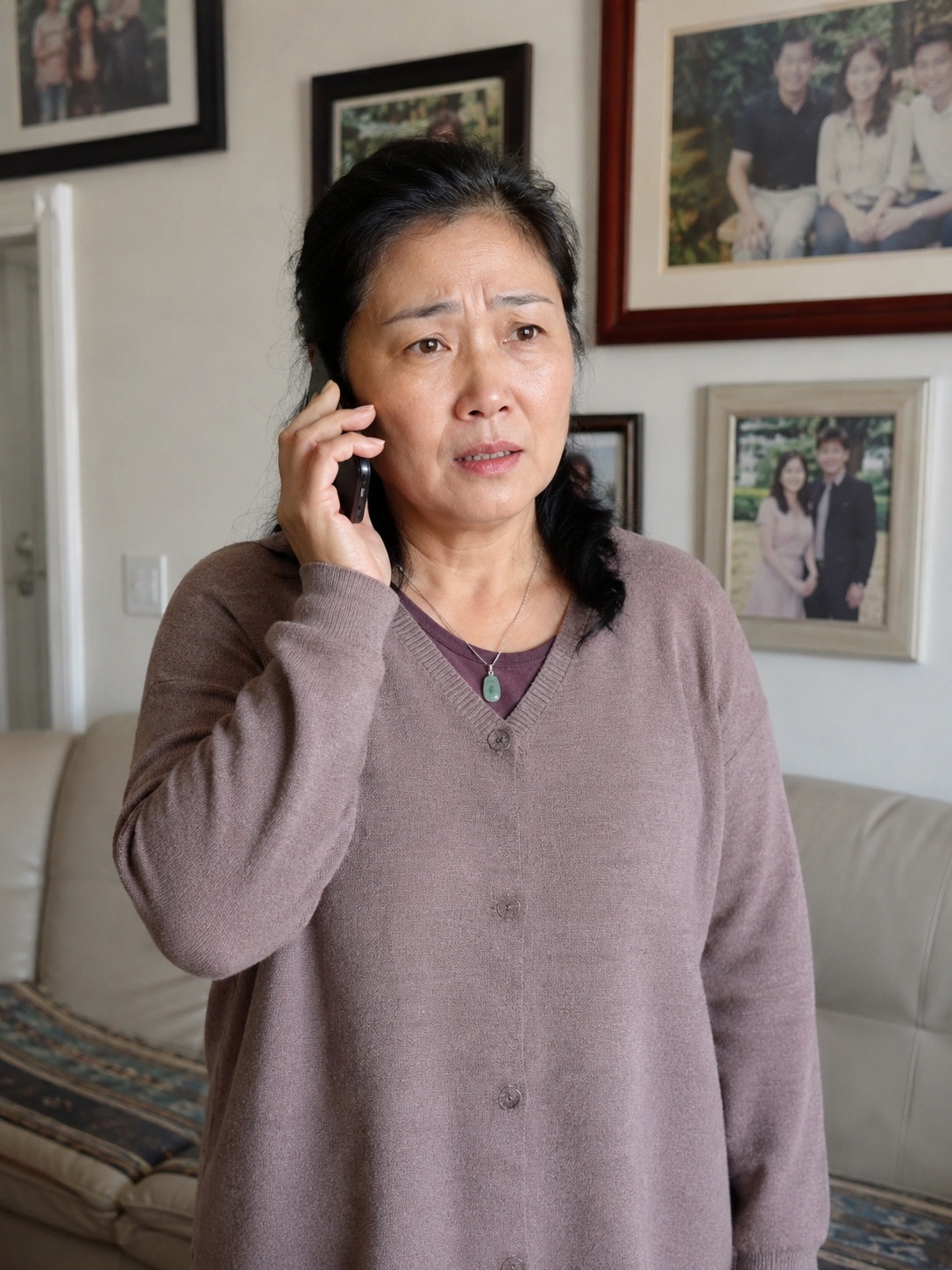
Why is this process so intense? A major driver is parental anxiety. In Chinese culture, a child’s marriage is not just their personal milestone; it is the completion of the parents’ duty. An unmarried son or daughter in their thirties can bring a sense of “losing face” to the family.
Moreover, the social safety net in China is still evolving. Parents worry that without a stable partner, their children will struggle with elderly care and financial shocks later in life. Xiangqin is viewed as a risk-management strategy. By vetting the other party’s family background and assets upfront, they are trying to ensure their child’s future security.
The Young Generation’s Dilemma
For many young Chinese, xiangqin is a source of stress but also a pragmatic tool. They grew up in an era of rapid economic growth, where individualism is rising, yet they are still bound by traditional family expectations.
Many adopt a “compromise” strategy. They might attend the date to please their parents, keeping the interaction polite but distant. If the hard metrics align (house, job, age), they may agree to a second meeting. If not, they politely decline without further explanation.
Is it loveless? Not necessarily. Many couples do find genuine connection after the initial awkwardness. But the starting point is different from Western dating. It begins with shared life goals and economic compatibility, hoping romance will grow from there.
A Modern Institution
Xiangqin is not dying out; it is evolving. As Chinese society becomes more urbanized and mobile, traditional community matchmaking is fading, replaced by algorithmic matching and professional services. But the core function remains: in a fast-changing world, young people and their families are looking for stability.
Understanding xiangqin requires looking past the stereotype of “arranged marriage.” It is a complex negotiation between tradition and modernity, where love may come later, but trust and security are discussed first.