


What is a ‘Dazi’? Defining the New Social Currency
It’s Friday night in Shanghai. I’m sitting at a small hotpot restaurant, waiting for my dazi. When she arrives, we greet each other with a polite nod and immediately dive into the menu. We don’t exchange life stories or ask about family backgrounds. Instead, we discuss which dipping sauce is best for tripe and debate the quality of the broth.
This person is my “hotpot dazi” (搭子). The term has become a buzzword among Chinese youth, describing a precise, interest-based companion for specific activities without the heavy emotional burden of traditional friendship. Unlike close friends who know your deepest secrets or family members with whom you share lifelong bonds, a dazi is a “partial” friend.

The concept is simple: if you want to go to the cinema but don’t have someone available, you find a “movie dazi.” If you need a gym buddy to keep each other accountable, you look for a “fitness dazi.” These relationships are transactional in their specificity but genuine in their execution. They represent a shift towards “lightweight socializing”—a way to stay connected that fits into the fragmented schedules of modern life.
The Rise of ‘Solo Economy’ Meets Social Anxiety
This trend didn’t appear out of nowhere. It is the result of several converging forces in contemporary Chinese society. First, there is the sheer scale of urbanization. Millions of young people move to cities like Beijing, Shenzhen, and Hangzhou for work, often leaving their traditional support networks—parents and childhood friends—behind.
Second, there is the pressure of the workplace. The intense competition in China’s tech and corporate sectors has led to long working hours. For many 25-to-30-year-olds, socializing after a ten-hour workday feels less like relaxation and more like a chore. Traditional friendships often require significant emotional labor: remembering birthdays, navigating complex feelings, and maintaining long-term contact.

Enter the “solo economy.” As single-person households rise, businesses have adapted to serve individuals dining alone or shopping by themselves. But humans are social creatures; we still crave connection. The dazi culture is the solution: it offers companionship on demand, without the expectation of constant availability. It allows young people to protect their personal space while still participating in social life.
Case Studies: From Hotpot Partners to Travel Buddies
To understand how this works in practice, imagine scrolling through Xiaohongshu (Little Red Book), a popular lifestyle app akin to Instagram. You might see a post with the tag #FindHotpotDazi. The poster says:
“Looking for a hotpot partner for this Saturday evening. Budget: 200 RMB max. Must be clean and punctual. No deep talk, just good food.”
This is the typical contract of a dazi relationship. It’s efficient, clear, and safe. The boundaries are strict. Once the hotpot meal ends, the interaction often stops. We might walk away from the restaurant as strangers again, or perhaps exchange a few more WeChat messages for another activity next month.
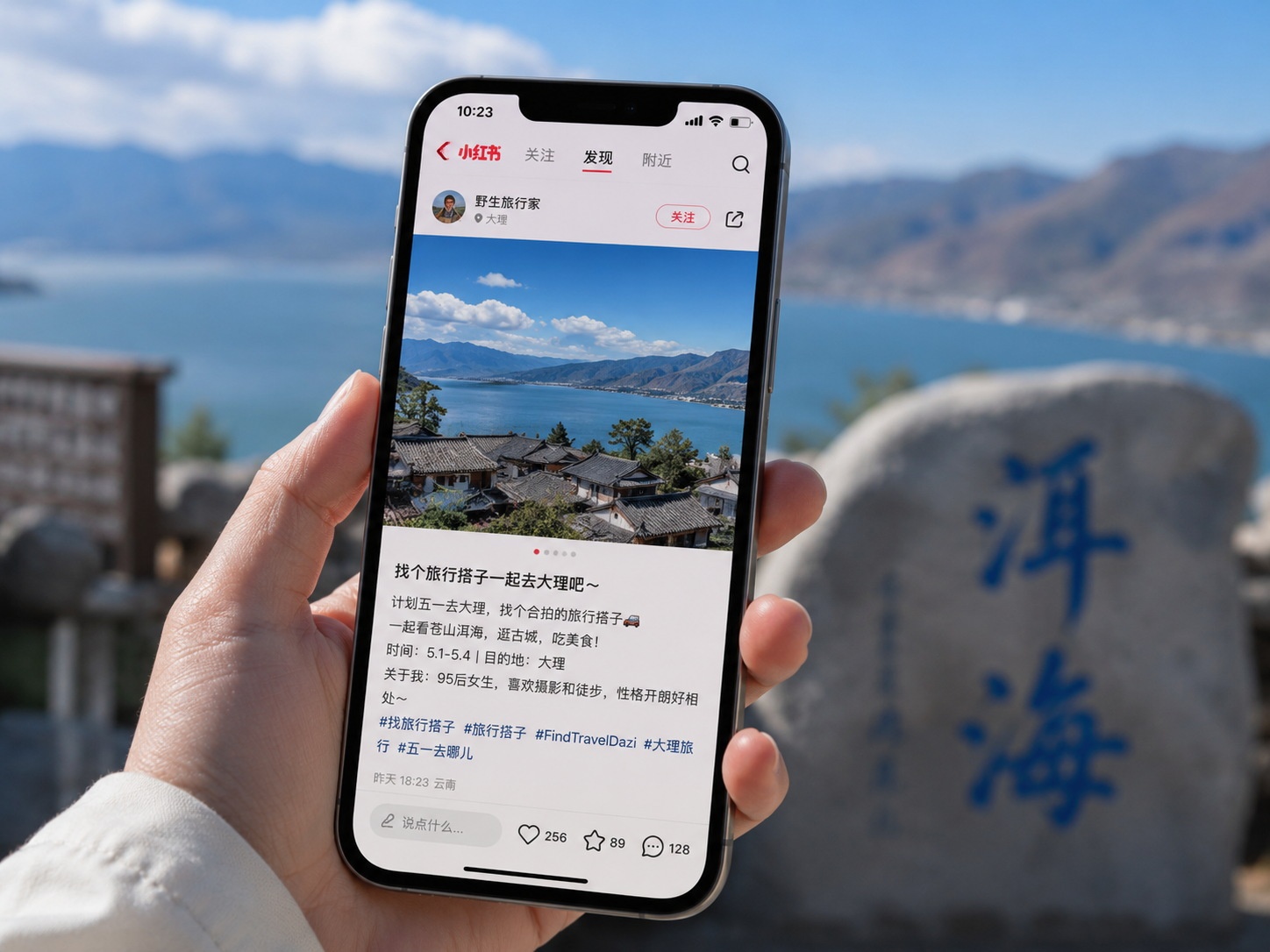
I tried this myself recently. I found a “travel dazi” online for a weekend trip to Hangzhou, a city famous for its West Lake. We planned the itinerary together using a shared document. During the trip, we were inseparable—taking photos, sharing taxi rides, and complaining about the humidity. But when we parted ways at the train station, there was no awkwardness. We had fulfilled our mutual agreement: to enjoy the scenery together. After that, we didn’t talk much online. It wasn’t cold; it was just… efficient.
A Pragmatic Approach to Connection in Modern China
Critics might argue that this is a sad reflection of loneliness. But I see it as a pragmatic evolution. In traditional Chinese culture, relationships are often viewed through the lens of guanxi (关系)—a complex web of obligations and reciprocity. Maintaining these networks can feel exhausting.
The dazi culture offers an alternative. It’s not about rejecting deep relationships; it’s about prioritizing mental well-being and efficiency. For many young Chinese, this is a way to exercise autonomy over their social lives. They choose who they spend time with based on shared interests in the moment, rather than duty or obligation.

It also reflects a growing comfort with individualism. While collectivism remains strong in China, the younger generation is increasingly defining themselves by their personal choices and hobbies. A “gym dazi” isn’t just a bodyguard against laziness; they are a witness to your personal growth. This shift allows for more authentic interactions because they are based on what you *do* together, not who you *owe*. It’s a refreshing relief from the pressure to be “always on.”
Why the World Should Care: A New Model for Urban Life
This phenomenon isn’t unique to China. In the West, we see similar trends in “situationships,” digital nomad communities, or the rise of solo travel apps. However, the dazi culture has a distinct Chinese flavor because it is so deeply integrated into the daily fabric of city life.
It shows how young people are adapting to high-pressure environments with creativity and resilience. They are not isolating themselves; they are curating their social circles with precision. For global observers, understanding dazi culture offers a window into the modern Chinese psyche: one that values efficiency, respects boundaries, but still deeply desires human connection.

So, if you ever find yourself in Chengdu or Shanghai and want to try the local tea snacks but have no friends in town, don’t hesitate. Post online. Find a dazi. You might not become best friends, but for two hours, over a steaming bowl of noodles, you will share a genuine moment of companionship. And sometimes, that’s exactly enough.