

The Unmapped Gems of Chinese Dining
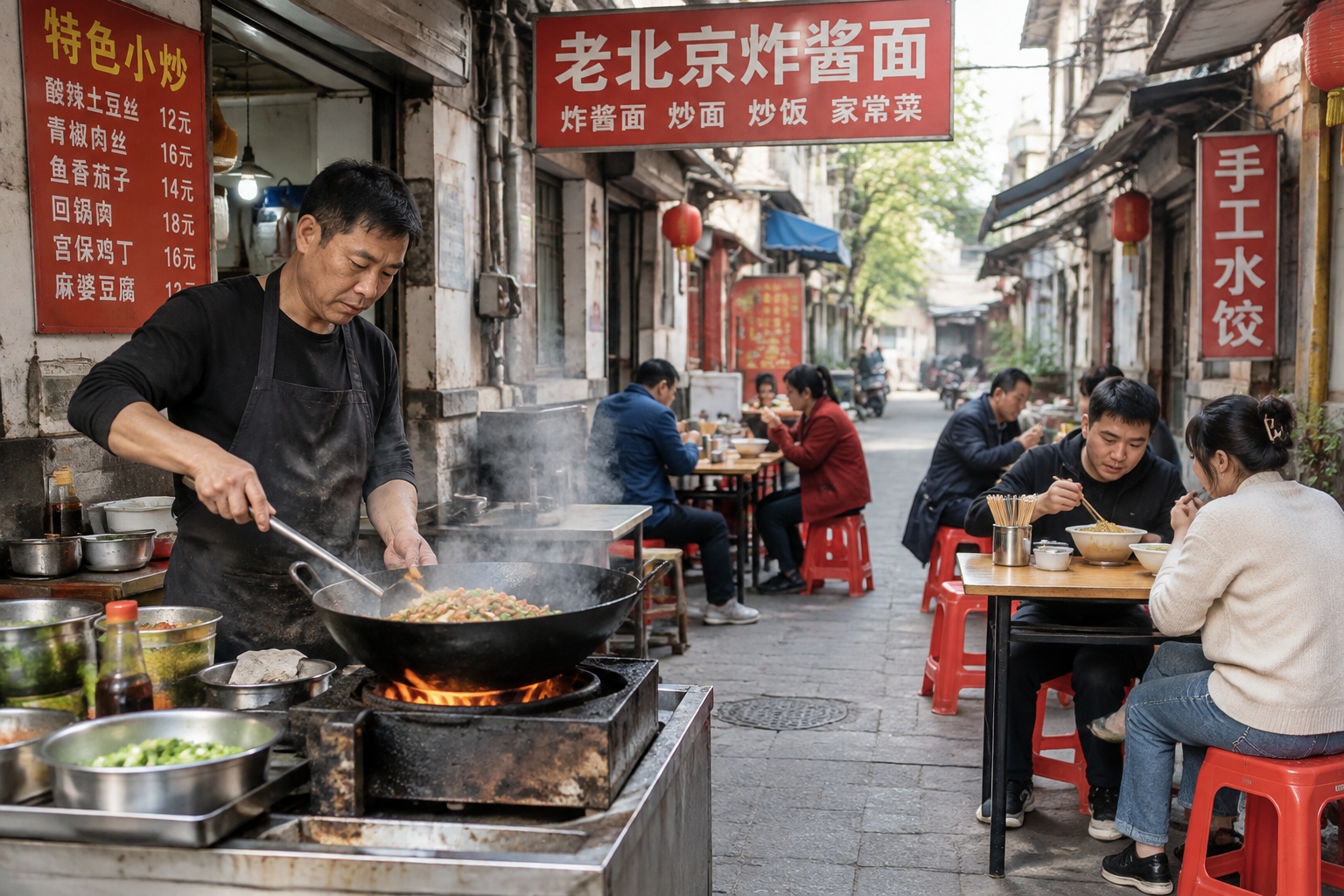
Imagine walking into a restaurant in Chengdu. There are no hostess stands, no digital menus with QR codes, and certainly no white tablecloths. Instead, you squeeze through a narrow alleyway, past a row of wobbly plastic stools and a steaming wok station on the sidewalk. The air smells of chili oil, garlic, and charcoal. You sit on a tiny stool, and within three minutes, a waiter shouts your order to the kitchen without writing anything down.
This is a “Fly Restaurant” (cangying guanzu, 苍蝇馆子). The name sounds unappealing—literally translating to “fly-infested eatery”—but in China, it is a badge of honor. It signifies food that is so good, so authentic, and so deeply rooted in local habit that it doesn’t need marketing, hygiene inspections with glass windows, or a presence on high-end food apps. These places are the heartbeat of Chinese street food culture.
What Exactly Is a “Fly Restaurant”?
For foreign visitors, the term can be confusing. A “Fly Restaurant” is not defined by its cleanliness, but by its impact. These establishments are typically:
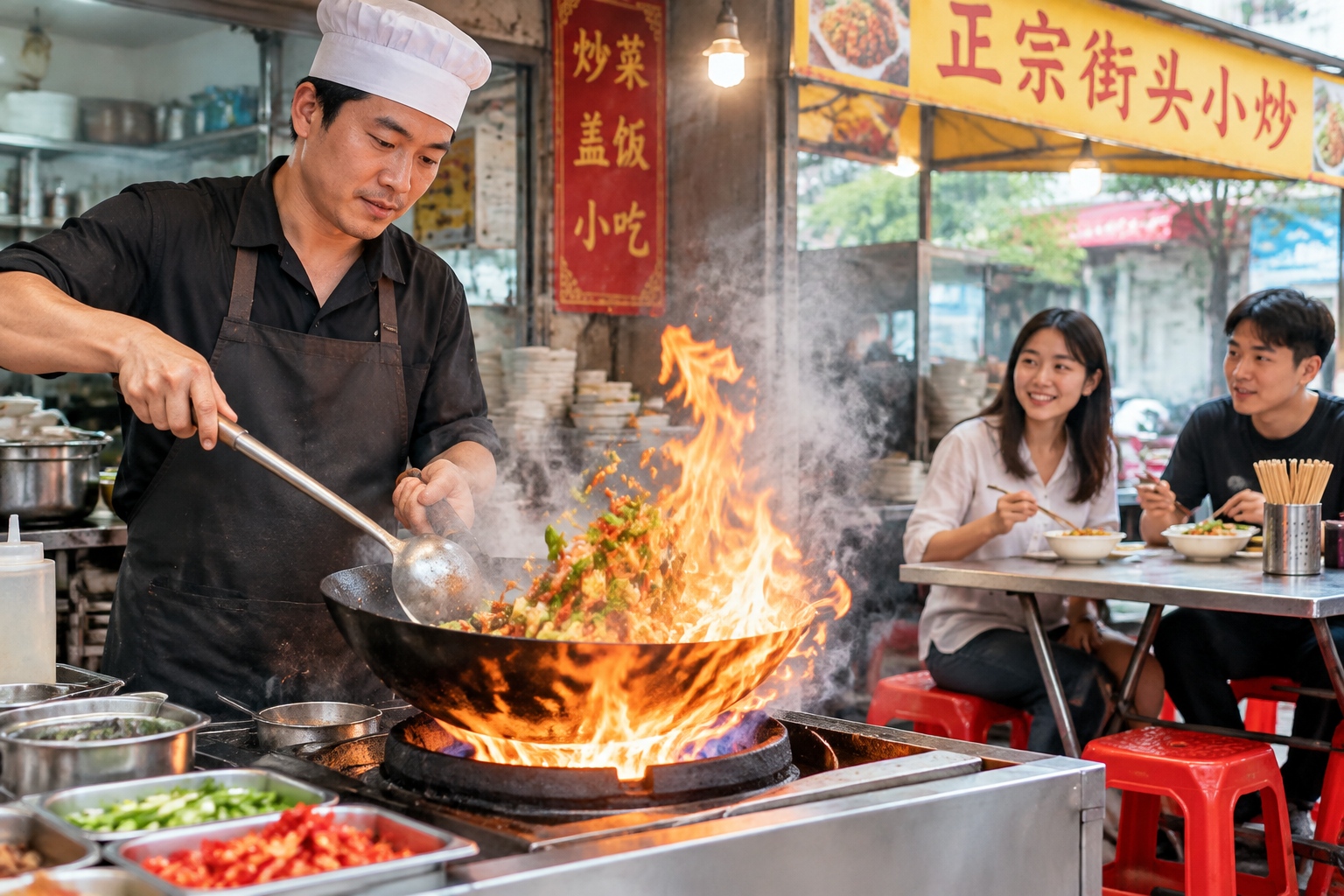
- Tiny: They might fit only 10 to 20 people. Some are converted garages, storefronts with the front wall removed, or even family living rooms opened to the public.
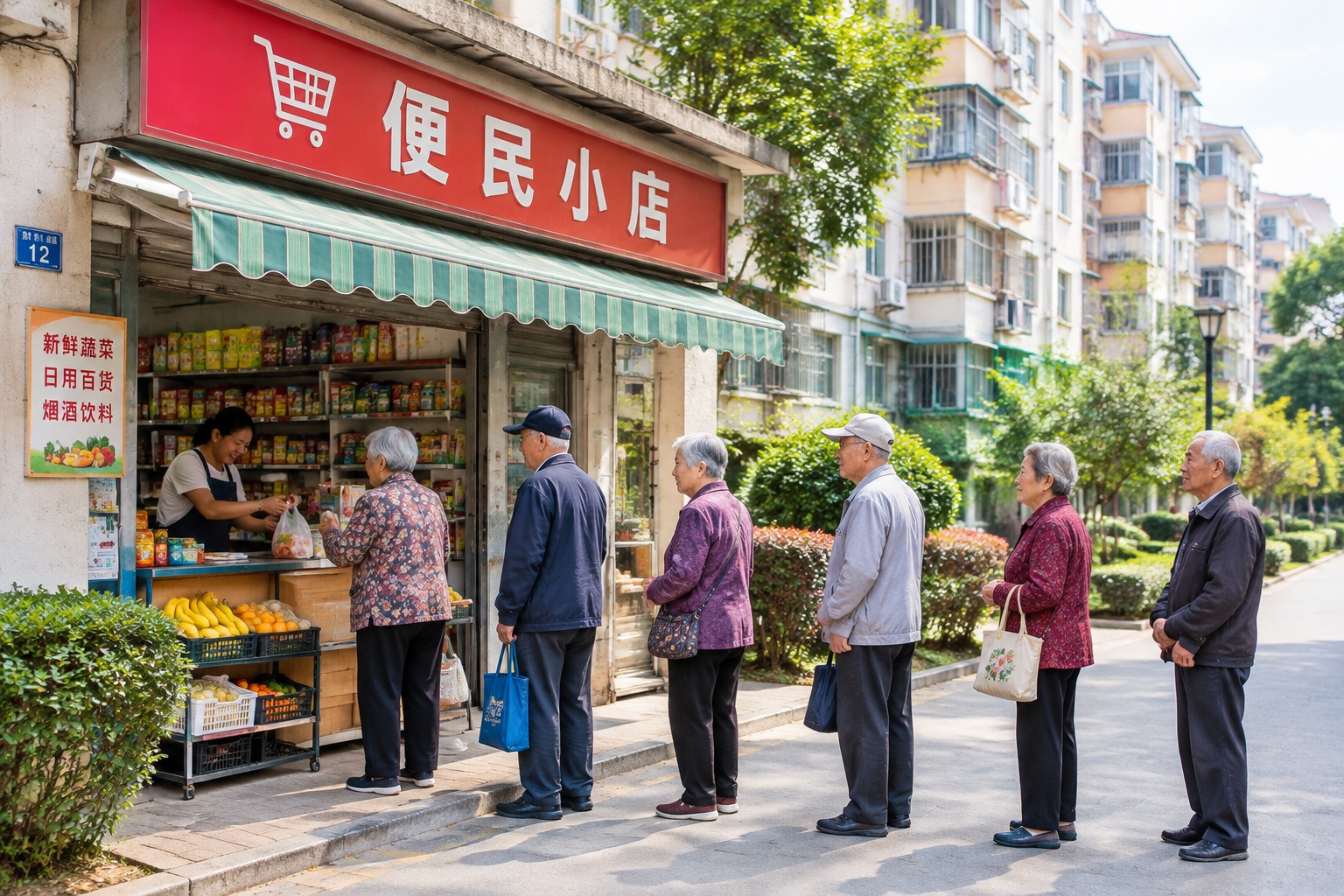
- Informal: Menus are often handwritten on paper or chalkboards. Payment is done via quick scannable codes on WeChat or Alipay, but cash is rarely seen. There is no dress code; people come in pajamas, work uniforms, or evening wear.
- Focused on Flavor: The cooking is fast, loud, and intense. Chefs use high heat (wok hei) to create smoky, spicy, or savory dishes that are designed to be eaten immediately.
How to Find Them: Follow the Locals
You won’t find the best Fly Restaurants on TripAdvisor or even Baidu Maps. They exist in a parallel economy of word-of-mouth. To find them, you need to abandon the role of a tourist and become an observer.
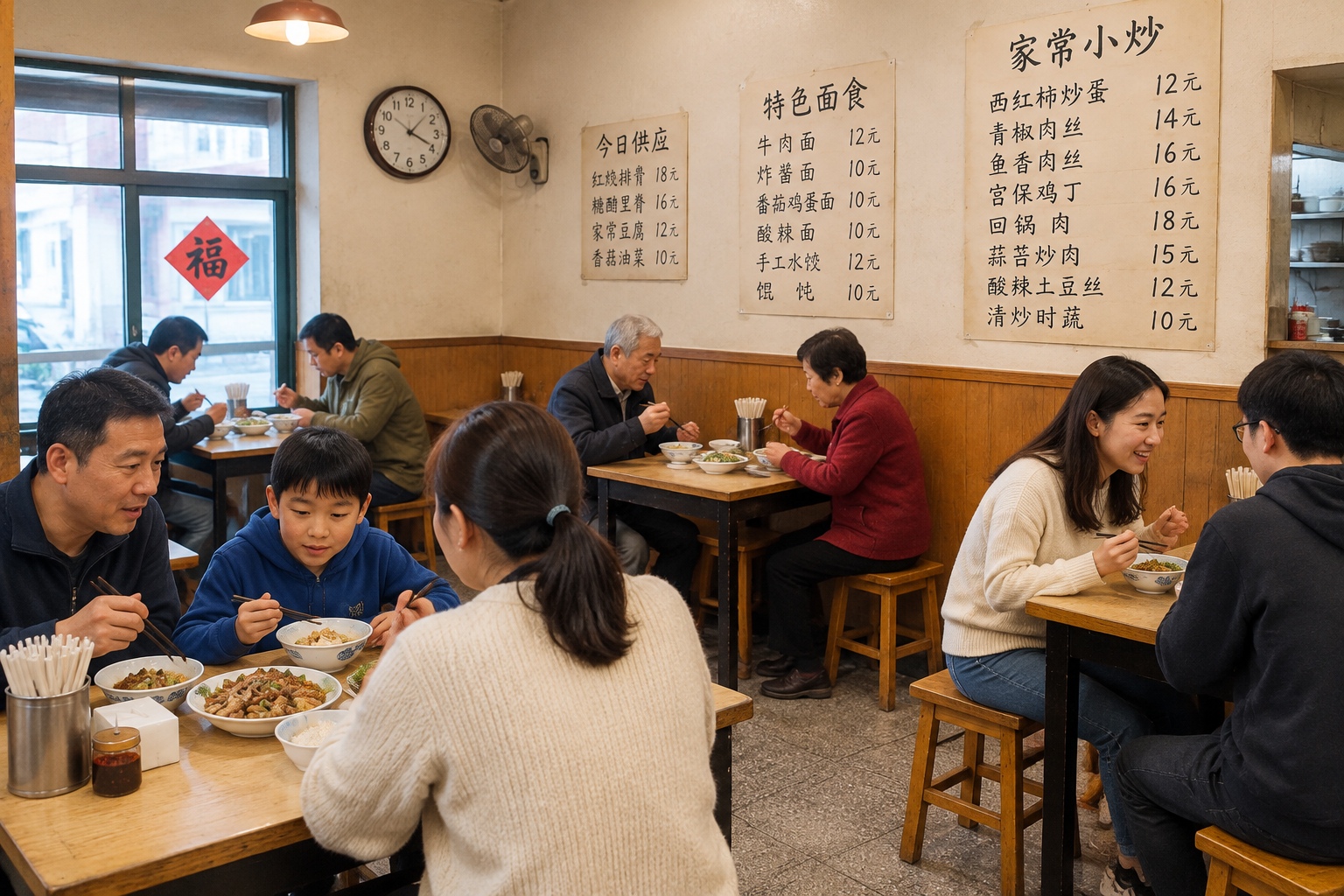
1. Look for the “Old People” Queue
If you see a line of elderly locals waiting outside a small shop in the morning or late afternoon, that is your first clue. Older generations have the most refined palates and the least patience for tourist traps. If they are eating there, the food is reliable.
2. Avoid the Tourist Zones
Stay away from main streets with English menus and neon signs. Instead, wander into xiaoqu (residential communities). Walk behind large apartment complexes or near local wet markets. The food here serves the neighbors, not the visitors.
3. Listen for the Sizzle
Fly Restaurants often cook outdoors or in open-air kitchens to maximize ventilation. If you hear the aggressive hiss of oil hitting a hot wok and smell burning charcoal, you are close. The noise is part of the atmosphere.
What to Expect Inside
Stepping into a Fly Restaurant is an exercise in sensory overload. The tables are often small and shared with strangers—a common social norm in China that breaks down barriers. The service is brisk, almost rude, but efficient. Waiters will refill your water without asking and clear plates as soon as you are done.
The food is the star. While menus vary by region, here are some universal staples:
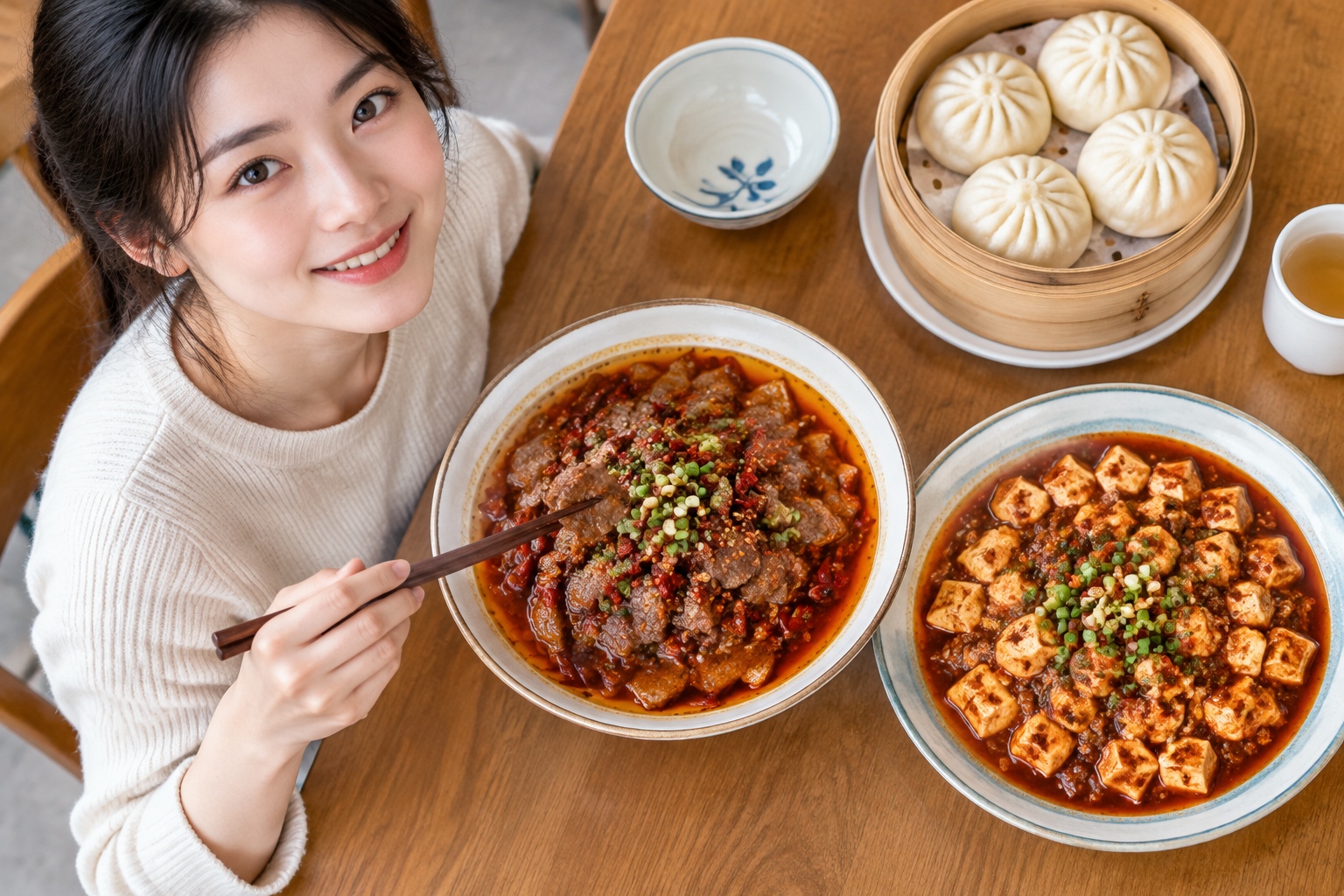
- Chongqing/Chengdu: Spicy beef slices (Shuizhu Niurou), mapo tofu, and cold noodles with chili oil.
- Shanghai/Jiangsu: Braised pork belly (Hongshao Rou) with sticky rice cakes, or delicate soup dumplings served in simple bamboo steamers.
- Beijing: Zhajiangmian (noodles with soybean paste) eaten in bowls so large they look like basins, often with a side of fresh vegetables.
The Reality Check: It’s Not Always Perfect
It is important to manage expectations. “Fly Restaurant” does not mean “5-star experience.” The toilets might be communal and basic. The seating might be hard plastic. The noise level can be deafening. Some places may lack strict hygiene protocols, relying instead on the rapid turnover of customers and the constant heat of cooking to ensure safety.
For many locals, this is a feature, not a bug. They value the wei dao (taste/aura) over the ambience. They are willing to trade comfort for flavor. However, if you have a sensitive stomach or require strict hygiene standards, stick to established chains or malls.
Why You Should Try It
Fly Restaurants offer a glimpse into the real China. They are where grandfathers drink tea and discuss politics, where young workers grab a quick lunch between shifts, and where families celebrate birthdays with a single table of dishes. The food is unpretentious, affordable, and deeply connected to the history of the neighborhood.
Next time you are in a Chinese city, put away your guidebook. Find a narrow alley, follow the smell of garlic and chili, and sit on a plastic stool. You might just find the best meal of your trip.
Start the discussion at forum.chinacomes.com