

Stepping Into the Market
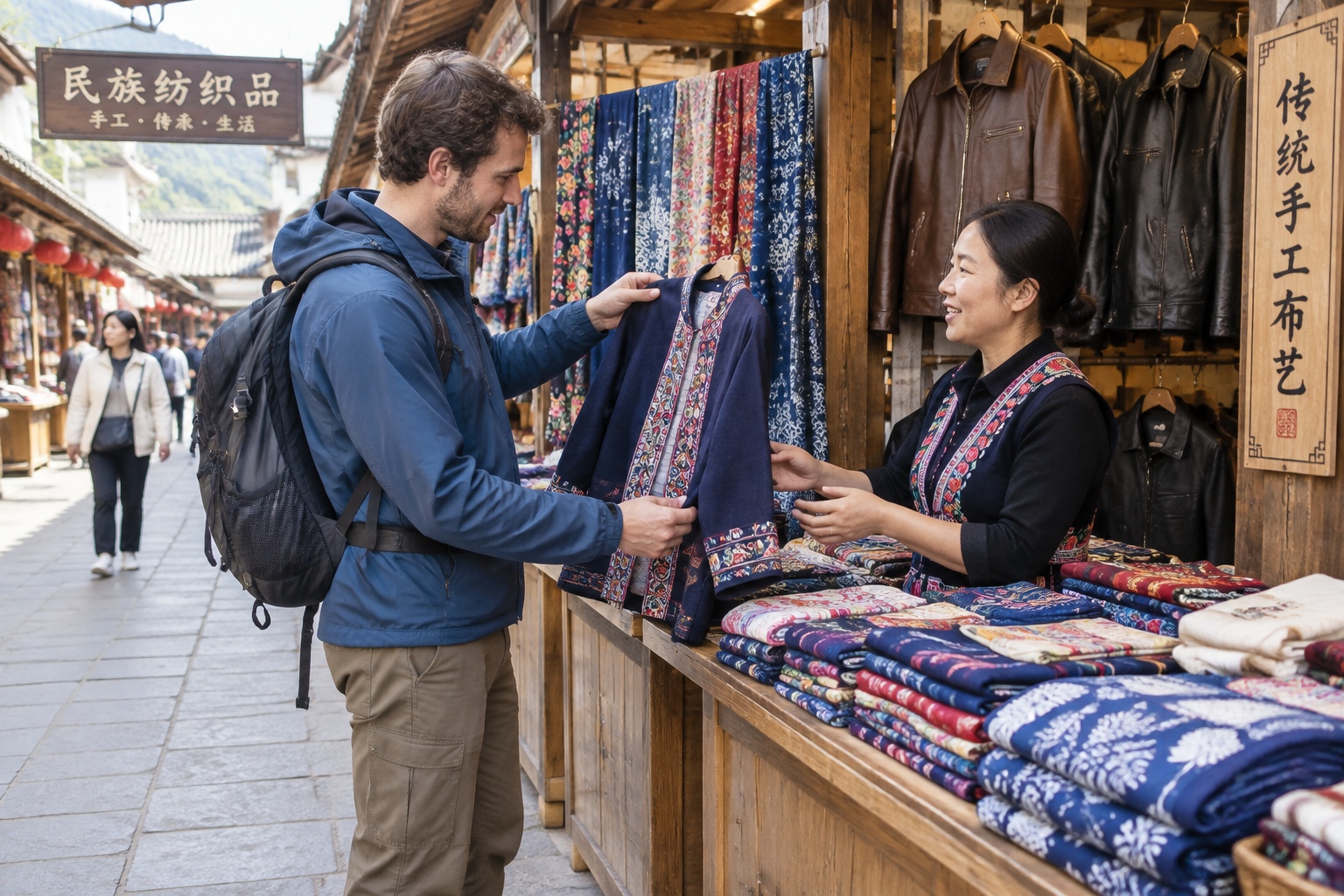
The moment you cross the threshold of Xiushui Market in Beijing, the audio environment shifts. Sales assistants approach within seconds, speaking rapid English designed to stop your feet before you decide whether to browse or leave. Hello! How are you? You like this shirt? Good price for you!
They hand over garments with practiced speed. Stalls overflow with leather jackets, designer-style bags, and rolls of fabric labeled 100% Silk.
It is chaotic, loud, and undeniably alive. For first-time visitors, the experience feels less like retail shopping and more like stepping into a negotiation arena where every price tag is an invitation to talk. The market operates on a different rhythm than Western fixed-price stores. Prices are starting points, not final commitments. Understanding this distinction separates casual tourists from shoppers who leave with fair deals.
The Real Pricing System
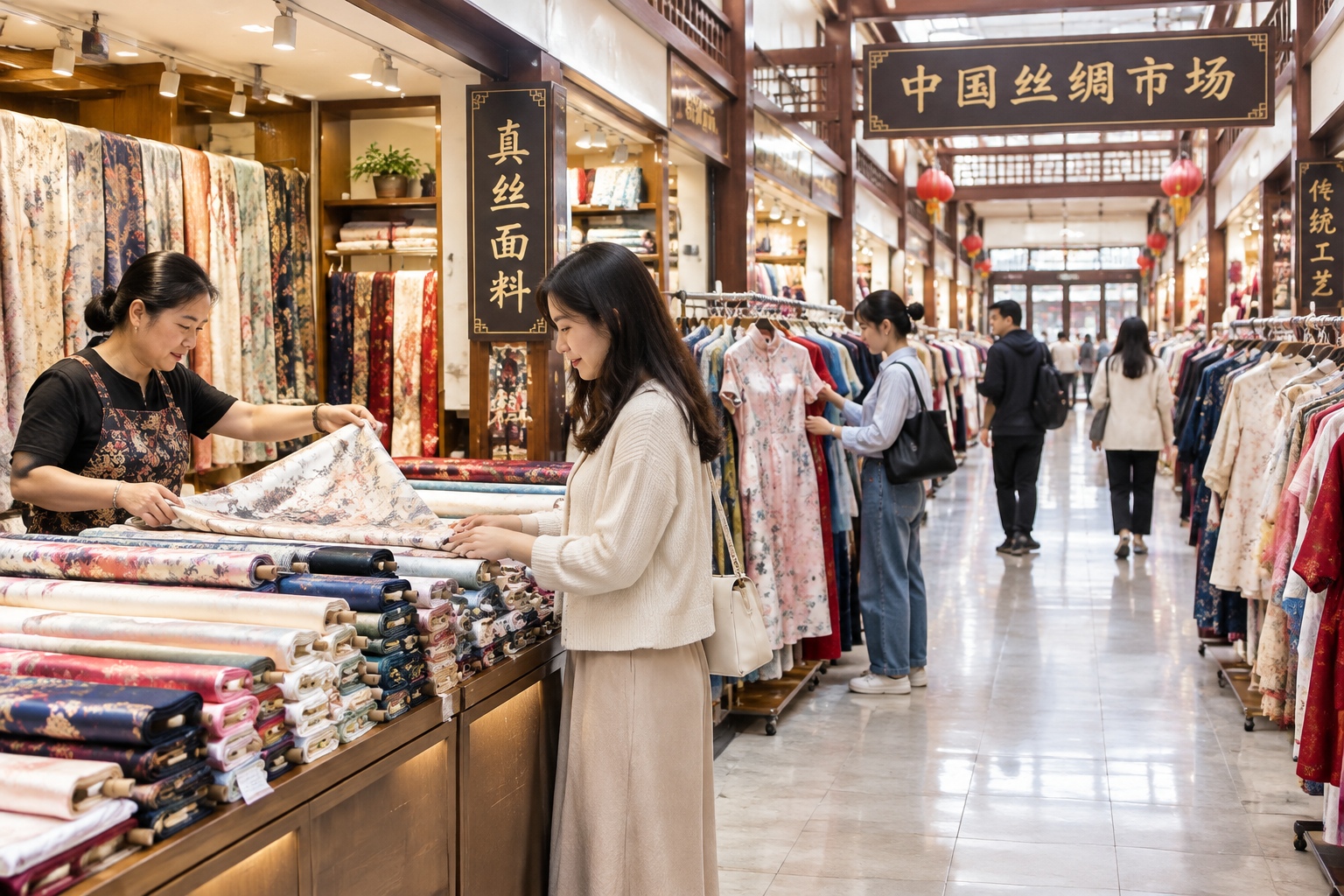
The unspoken rule of these markets is straightforward: the number printed on the tag is rarely the real price. Markups in traditional Chinese textile and accessory markets typically run between three and ten times the actual wholesale cost. A jacket marked at 2,000 yuan ($275) will often close for 200 to 400 yuan. The realistic transaction range usually lands between 10 percent and 20 percent of the initial asking price. This system exists not because sellers are dishonest, but because market pricing is structurally designed to leave room for negotiation. You are paying for the stall space, rapid inventory turnover, and the cultural ritual of haggling itself.
Material composition adds another layer of complexity. Many stalls sell silk-look
fabrics that are actually high-grade polyester or rayon blends. Genuine mulberry silk exists in these markets, but it carries a different weight, a distinct natural luster, and a price that rarely drops below 50 percent of the initial quote. If you want synthetic materials for their durability and low cost, treat them as fashion accessories rather than luxury textiles. The pricing gap between imitation and authentic goods is wide, and vendors will often blur the line to keep negotiations moving.
Negotiation Tactics That Work
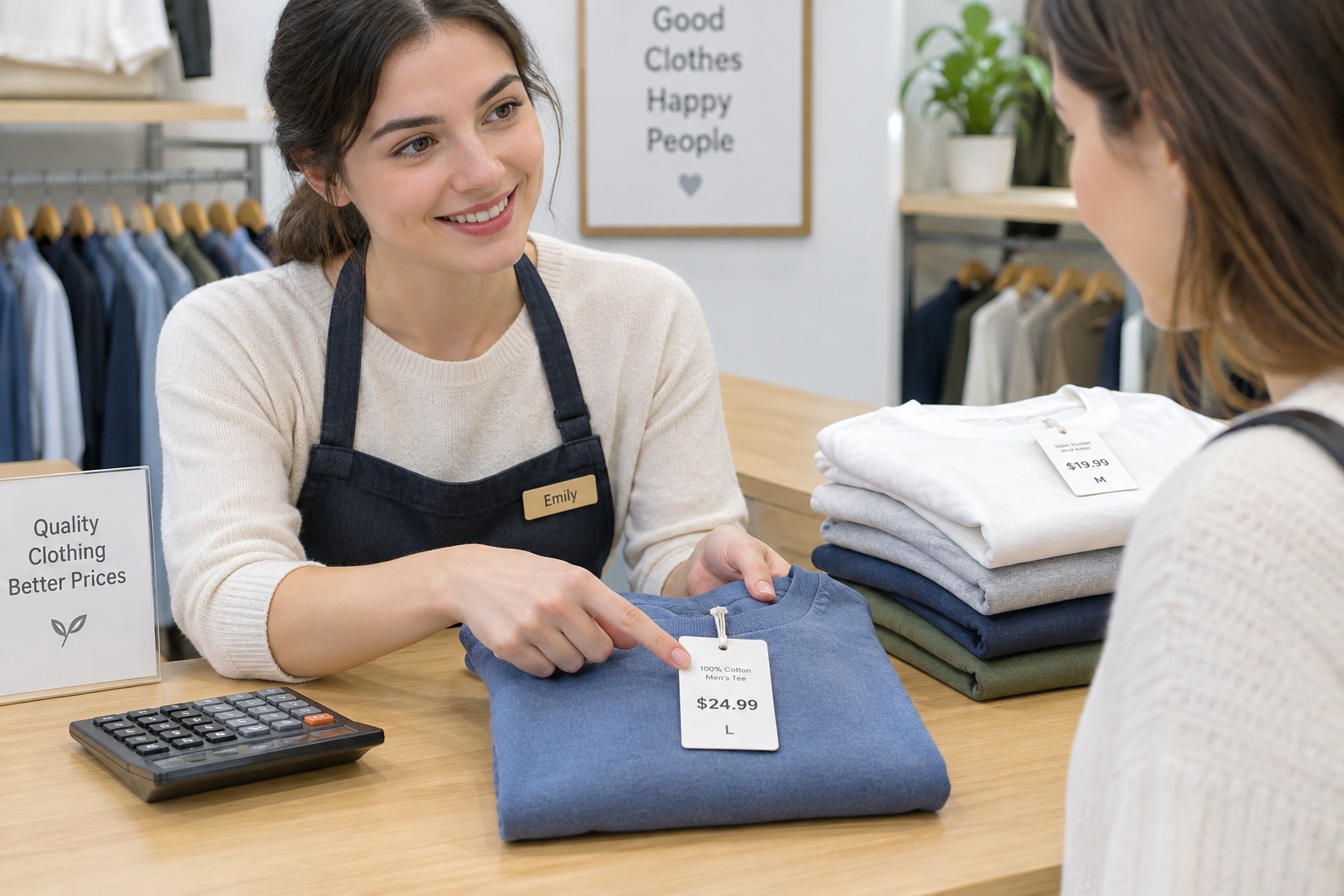
Successful shopping here relies on calm psychology rather than aggressive shouting. Start your counteroffer at roughly 15 percent of the quoted price. If a vendor asks for 1,000 yuan, offer 150 to 200 yuan immediately and hold your ground. Do not react emotionally when they laugh or pretend to walk away; this is standard market theater designed to test your resolve.
Point out minor details to justify lower offers. A slightly uneven hem, a loose button on a display model, or fabric that feels too glossy for natural silk are valid reasons to push the price down. These observations signal that you know what you are looking at. Compare prices across at least three stalls before committing. Different vendors carry different stock levels and have varying urgency to clear inventory. If the vendor refuses to move below 40 percent of the original tag, stand up and walk toward the exit. In most cases, this triggers a call back within ten seconds with a revised number. The goal is not to win every battle, but to leave with a fair price and no lingering regret. Successful negotiation in Chinese markets usually ends at a mutual nod, not a heated argument.
Legal Boundaries and Customs Rules
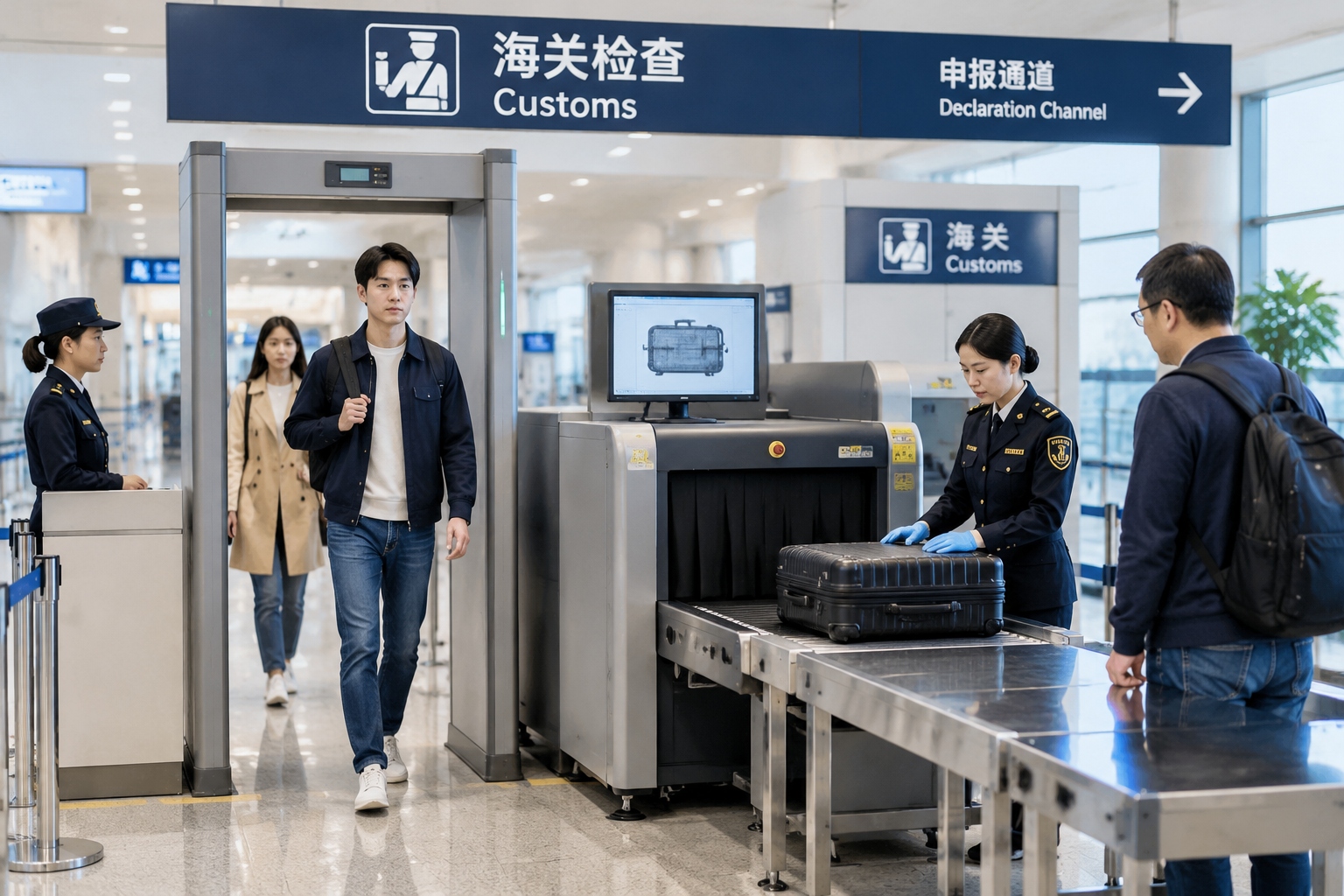
While bargaining is culturally expected, purchasing counterfeit luxury goods crosses into legal territory that travelers frequently overlook. Customs agencies in the United States, European Union countries, Canada, Australia, and several Asian nations strictly prohibit importing imitation branded merchandise. Even a single fake handbag or watch can be confiscated upon arrival, and repeated violations may result in fines, additional screening, or entry scrutiny.
The risk is not theoretical. Border inspections have become increasingly precise with automated scanning technology and data-sharing agreements between trading partners. Chinese customs also conducts random checks on outbound shipments, particularly for bulk purchases that suggest commercial intent rather than personal use. The distinction matters: buying one scarf to wear yourself rarely triggers enforcement action, but purchasing five identical designer-style bags raises red flags.
Treat these markets as cultural experience zones rather than sourcing hubs for replica goods. If you enjoy the atmosphere, buy locally made crafts, tea sets, unbranded textiles, or souvenir items that carry no trademark infringement. You get the negotiation practice and a genuine memory without inviting customs complications. The psychological reward of securing a fair price on an authentic local product often outweighs the temporary satisfaction of carrying a fake logo.
Better Alternatives for Quality Goods
If your priority is actual silk quality or guaranteed authenticity, skip the open stalls entirely. Beijing’s official department stores like Parkson, SKP, or Wangfujing Yatai Market carry certified textiles and verified brands with fixed pricing, material certificates, and return policies. Domestic e-commerce platforms such as Tmall and JD.com offer factory-direct silk products at transparent prices, often with customer reviews that verify fabric composition before purchase.
These channels remove the bargaining stress while delivering consistent quality. For travelers who want both the market experience and reliable goods, a split strategy works best. Spend your morning navigating traditional alleys for small accessories, cultural prints, or casual wear where haggling adds fun to the transaction. Then switch to certified retailers for apparel you plan to wear long-term or items that require precise sizing. The price difference between a market find and a department store purchase is real, but so is the variation in material durability, stitching consistency, and after-sales support.

How to Leave With Confidence
Navigating Chinese street markets does not require skepticism, just preparation. The noise, the rapid pitches, and the inflated tags are part of a trading system that has functioned this way for decades. Learn the 10-to-20 percent rule, keep your cool during negotiations, respect customs regulations, and separate market browsing from serious purchasing. When you treat these spaces as cultural intersections rather than bargain warehouses, shopping in China becomes less about avoiding traps and more about understanding how everyday commerce actually works here. You walk away with a clearer sense of local pricing mechanics, a practical skill set for future travel, and zero customs anxiety.
Start the discussion at forum.chinacomes.com