

Not Your Typical Chinese Landscape
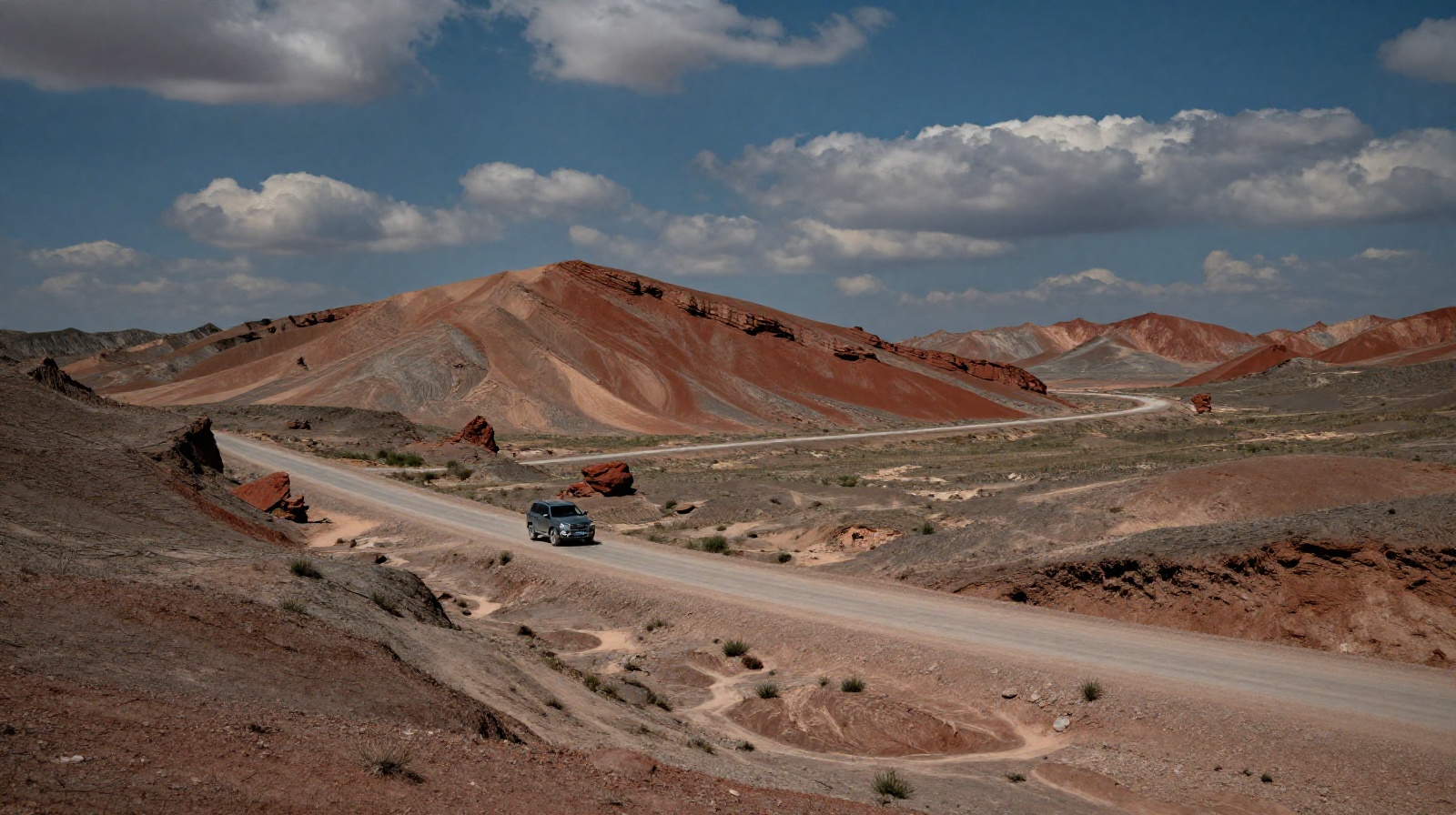
If you close your eyes and imagine ‘China,’ you probably picture the Great Wall winding through misty mountains or the neon lights of Shanghai. But drive about two hours north from Beijing, towards Zhangjiakou in Hebei province, and the scenery shifts dramatically. Here, there are no ancient temples or bustling markets for miles. Instead, there is red earth, jagged rocks, and a silence so deep it feels like you’ve left Earth entirely.
I first heard about this place from a friend who runs a photography club in Beijing. He didn’t send pictures of the Summer Palace or the Forbidden City. He sent photos of what looked like the surface of Mars. ‘It’s just red rocks and grass,’ he said. ‘But it’s real, and it’s right here.’ Skeptical but intrigued, I decided to drive there myself last summer.
Driving Through a Volcanic Past
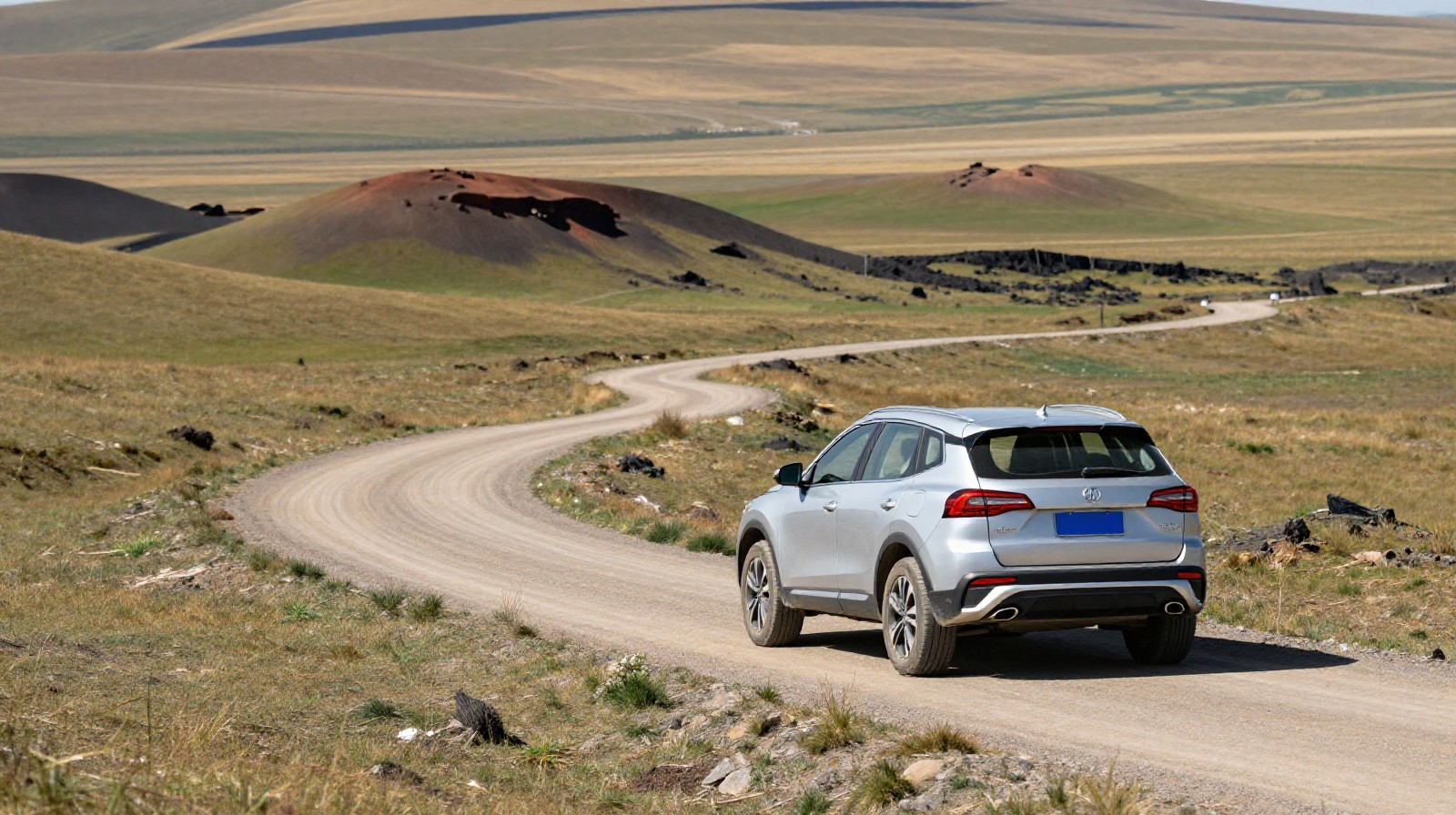
The journey begins on paved highways, which are smooth and modern—standard for China’s infrastructure. But as you turn off the main road towards the Zhangjiakou Volcanic Geopark, the asphalt gives way to gravel. The landscape opens up into a vast, semi-arid steppe. This is where the ‘Martian’ vibe kicks in.
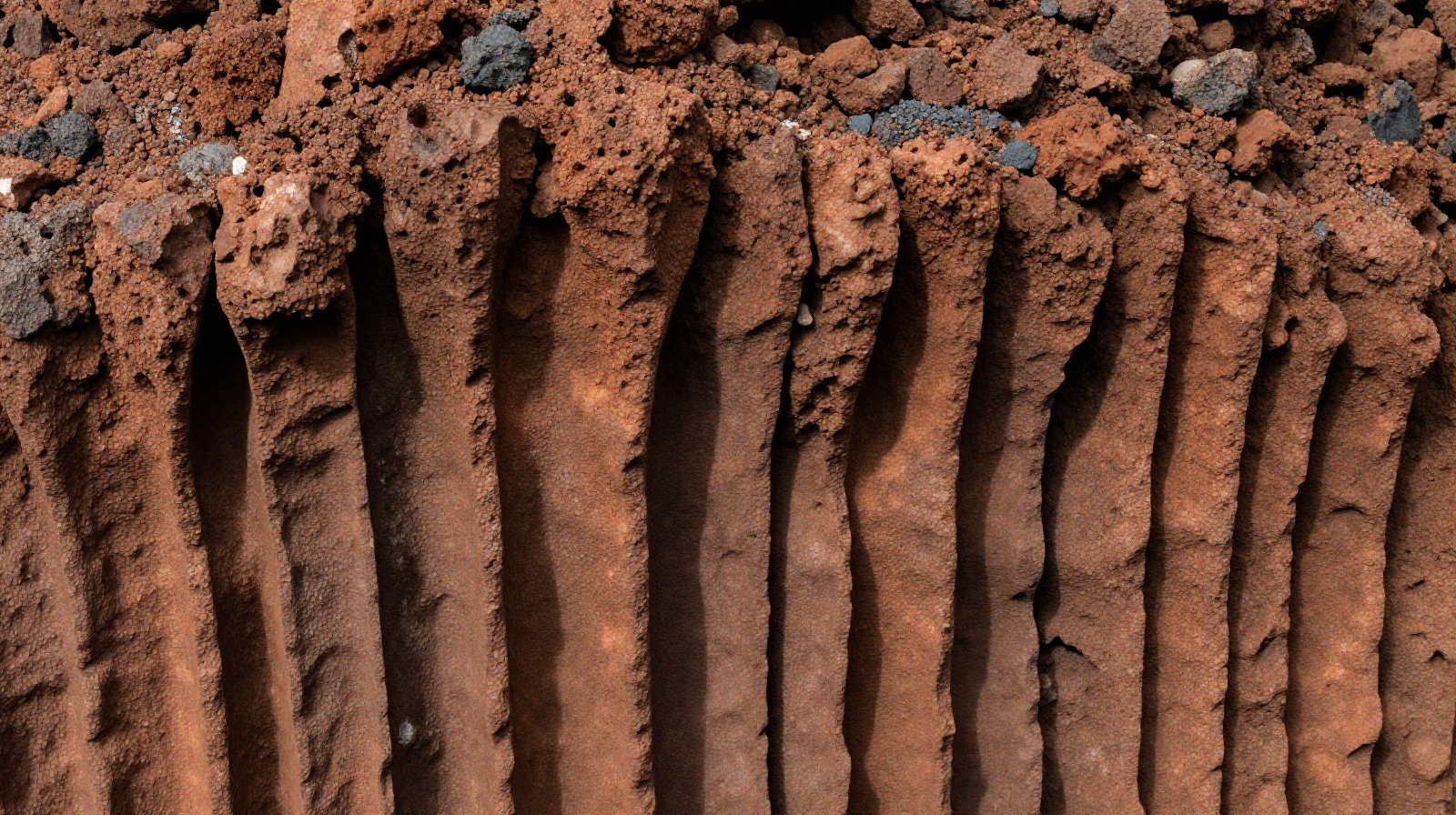
Geologically, this area is fascinating. About 10 to 20 million years ago, volcanic eruptions shaped this land. The red color comes from iron-rich basalt that oxidized over time. Unlike the lush green hills of southern China, these formations are stark and raw. The rocks often form in vertical columns, looking like giant stone organ pipes left behind by nature.
Driving through here is an experience in itself. The roads are narrow and winding, carved into the hillsides. You need to be attentive, not just because of the curves, but because the terrain is unpredictable. Dust clouds can rise quickly if you take a shortcut on the unpaved trails. Yet, there’s a freedom in it. There are no toll booths, no traffic jams, and for long stretches, no other cars.
Wildlife and Unexpected Encounters
One of the most surprising aspects of this trip is the wildlife. Because the area is less developed than major tourist hubs, nature still holds sway. During my drive, I spotted a herd of wild horses grazing near the edge of a volcanic crater. They weren’t the groomed horses you see in theme parks; these were rugged, dusty, and completely free.
I also saw herds of sheep and goats, tended by local herders who live in simple yurts or small villages. The contrast is striking: modern SUVs kicking up dust on red dirt roads, while traditional pastoral life continues quietly nearby. It’s a reminder that China is not just one thing—it’s a patchwork of vastly different environments.
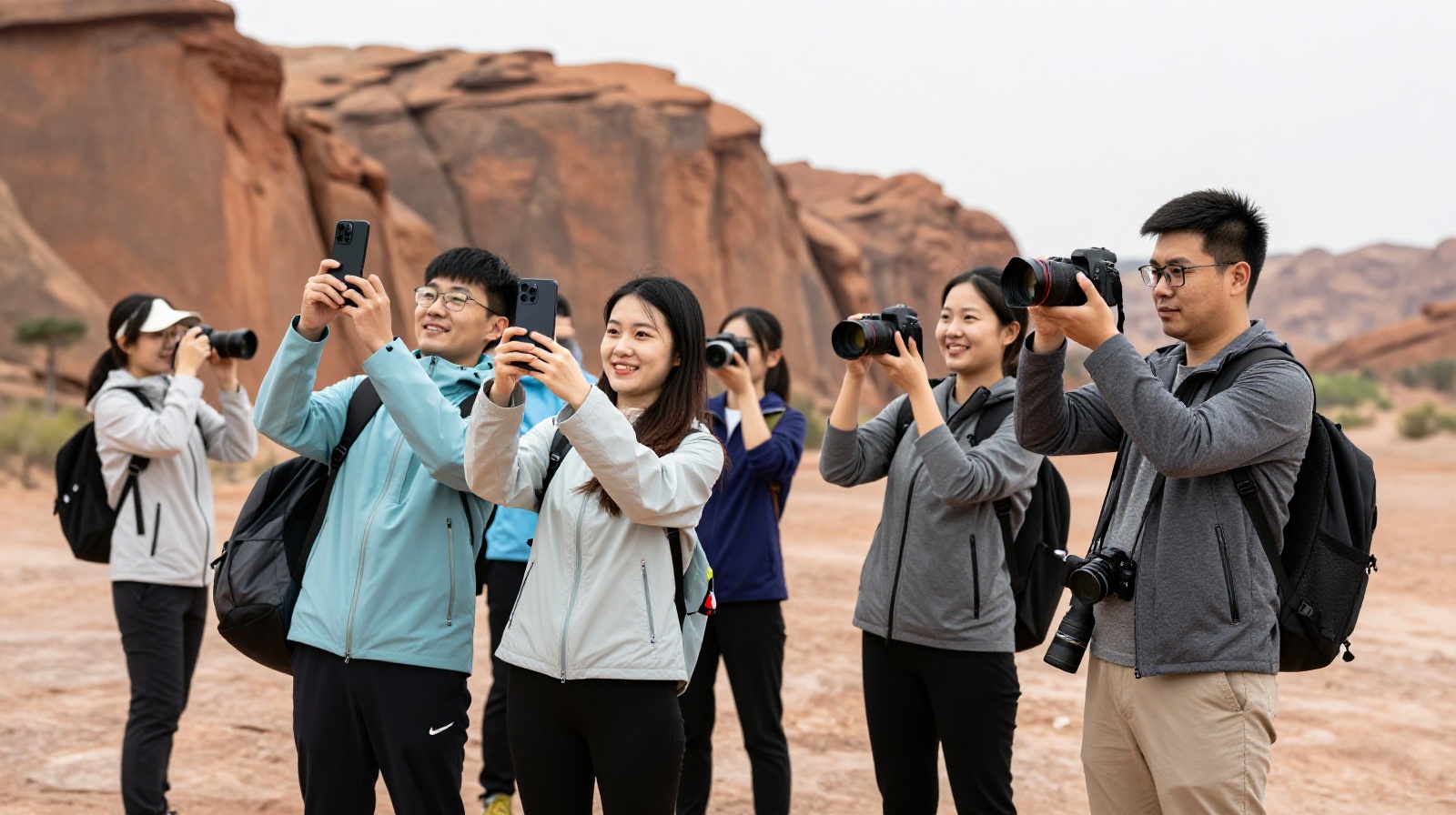
For photographers, this place is a goldmine. The lighting changes rapidly with the wind and clouds. Golden hour here doesn’t just make things look pretty; it makes the red rocks glow with an intense, fiery hue. I met several local guides who know the best spots to avoid crowds. One guide, Mr. Li, told me, ‘Most people go to Chongli for skiing in winter. But in summer, they don’t know this place exists.’
Why You Should Go (And What to Expect)
If you are planning a trip, here is what you need to know. The best time to visit is from June to September. Winter is too cold and windy, and the red earth looks bleak under snow. Summer offers green grasses that contrast beautifully with the red rocks.
Bring a good pair of hiking shoes. The terrain is uneven, and the volcanic rocks can be sharp. Also, bring sunscreen and plenty of water. Services are sparse; there are no Starbucks or high-end hotels in the park itself. You’ll find basic guesthouses and local restaurants serving noodle dishes and roasted lamb, which are delicious but simple.
This isn’t a place for luxury travel. It’s for those who want to see the raw, geological side of China. It challenges the stereotype that Chinese landscapes are only about harmony with nature or historical preservation. Here, nature is wild, untamed, and slightly alien.
A New Way to See China
Leaving Zhangjiakou, I felt a sense of relief. Not from escaping the city, but from seeing a side of China that few foreigners ever witness. It’s not about grand narratives or economic stats. It’s about the feeling of standing on red soil, looking at rocks that are millions of years old, and realizing how vast and diverse this country really is.
For travelers tired of the same old itineraries, Zhangjiakou’s volcanic route offers a refreshing alternative. It’s a place where you can touch the earth’s history with your own hands. And yes, it really does feel a bit like driving on Mars.