

Stepping Out of the Noise
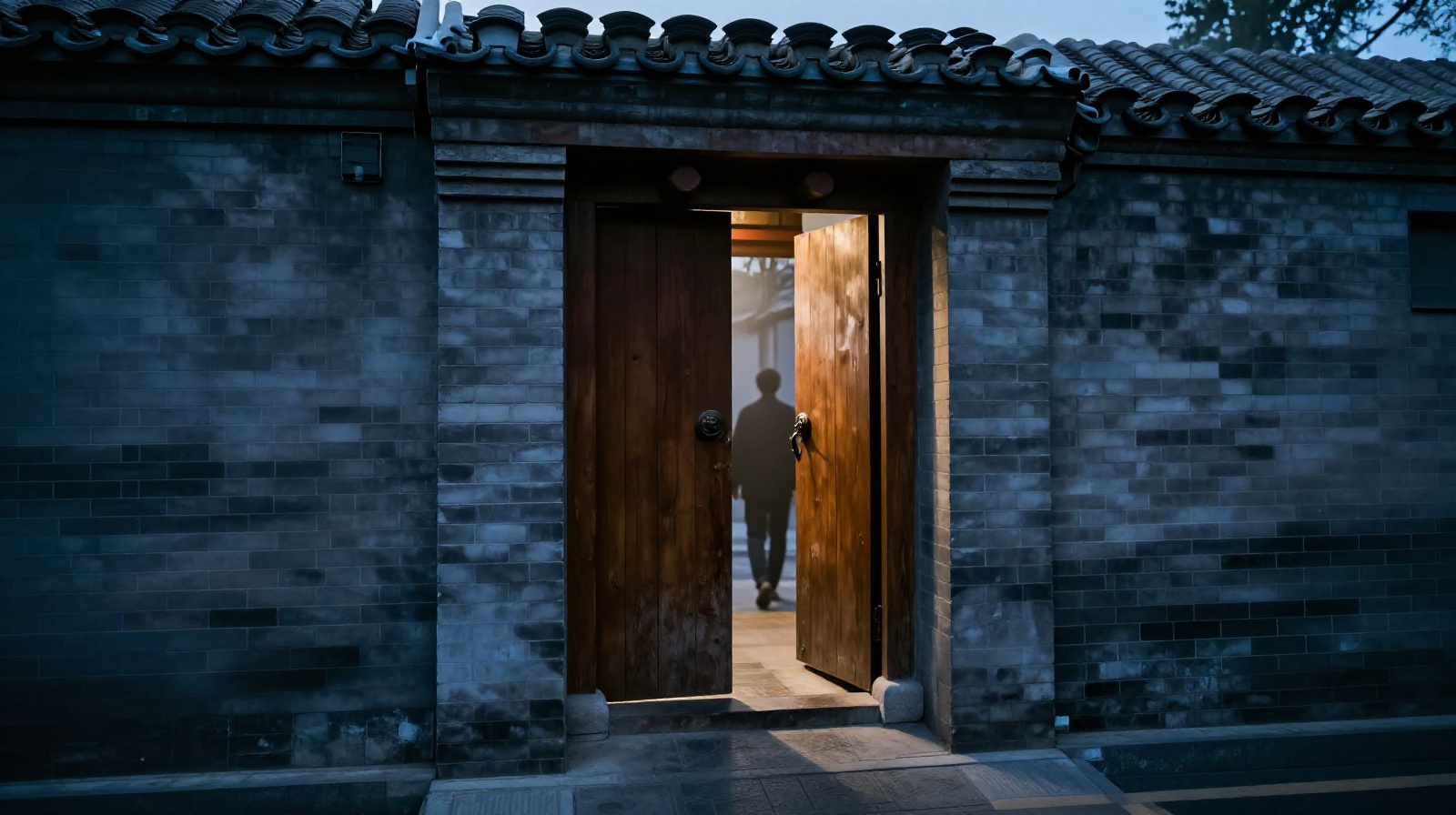
The night air in Beijing’s Dongcheng district is cool, carrying the faint scent of roasted chestnuts from a street vendor just outside. But ten meters down a narrow, dimly lit alley, the noise of the city vanishes. There is no flashing sign, no line of people waiting to get in, and no bouncer checking IDs. Instead, there is an unmarked wooden door, slightly ajar.
This is not a club. It is one of Beijing’s many hidden speakeasies, a growing trend among the city’s business elite and expatriates who are tired of the loud, crowded nightlife that once defined the capital’s social scene. Inside, the world slows down.
The Aesthetics of Hidden Spaces
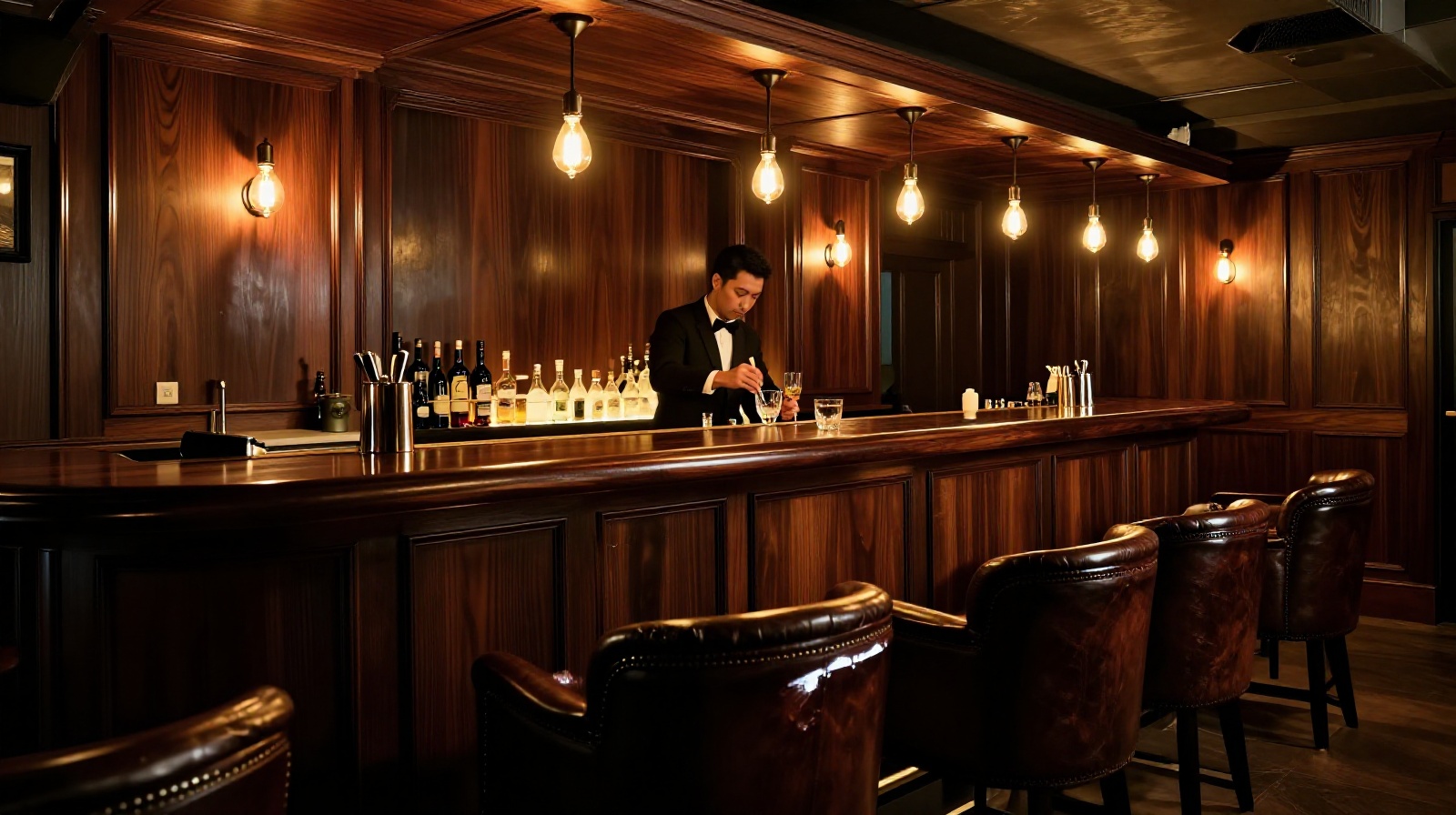
Opening the door reveals a stark contrast to the grey brick walls and traditional courtyard houses (siheyuan) surrounding it. The interior is a masterclass in modern design: dark walnut wood, low-hanging Edison bulbs, and leather armchairs that have seen better days but offer unparalleled comfort. The lighting is deliberately dim, calibrated to make faces look softer and voices quieter.
These spaces are not just bars; they are sanctuaries of privacy. In a city where public life is often highly visible and digital footprints are permanent, these physical hideaways offer something rare: anonymity. The walls are thick, the music is a low hum of jazz or classical piano, and the staff are trained to be invisible unless summoned.

A New Kind of Social Currency
Who comes here? You will find senior executives from multinational corporations, young tech founders who have exited their startups, and foreign diplomats. They are not here to dance. They are here to talk.
In Beijing’s business culture, trust is built in private, not in public. The speakeasy has become the new boardroom. It is a neutral ground where hierarchy dissolves slightly. A CEO might sit next to a junior consultant, not because of their titles, but because they are both seeking a moment of respite and a confidential word.
The drinks reflect this sophistication. It is rare to see a shot glass or a mixed cocktail here. Instead, the menu features single-malt Scotch, aged Japanese whiskies, and premium cigars. The ritual of ordering is slow. A sommelier might spend five minutes explaining the peat levels of a specific Islay whisky, allowing the conversation to breathe. It is a performance of patience and taste.
The Art of the Whisper
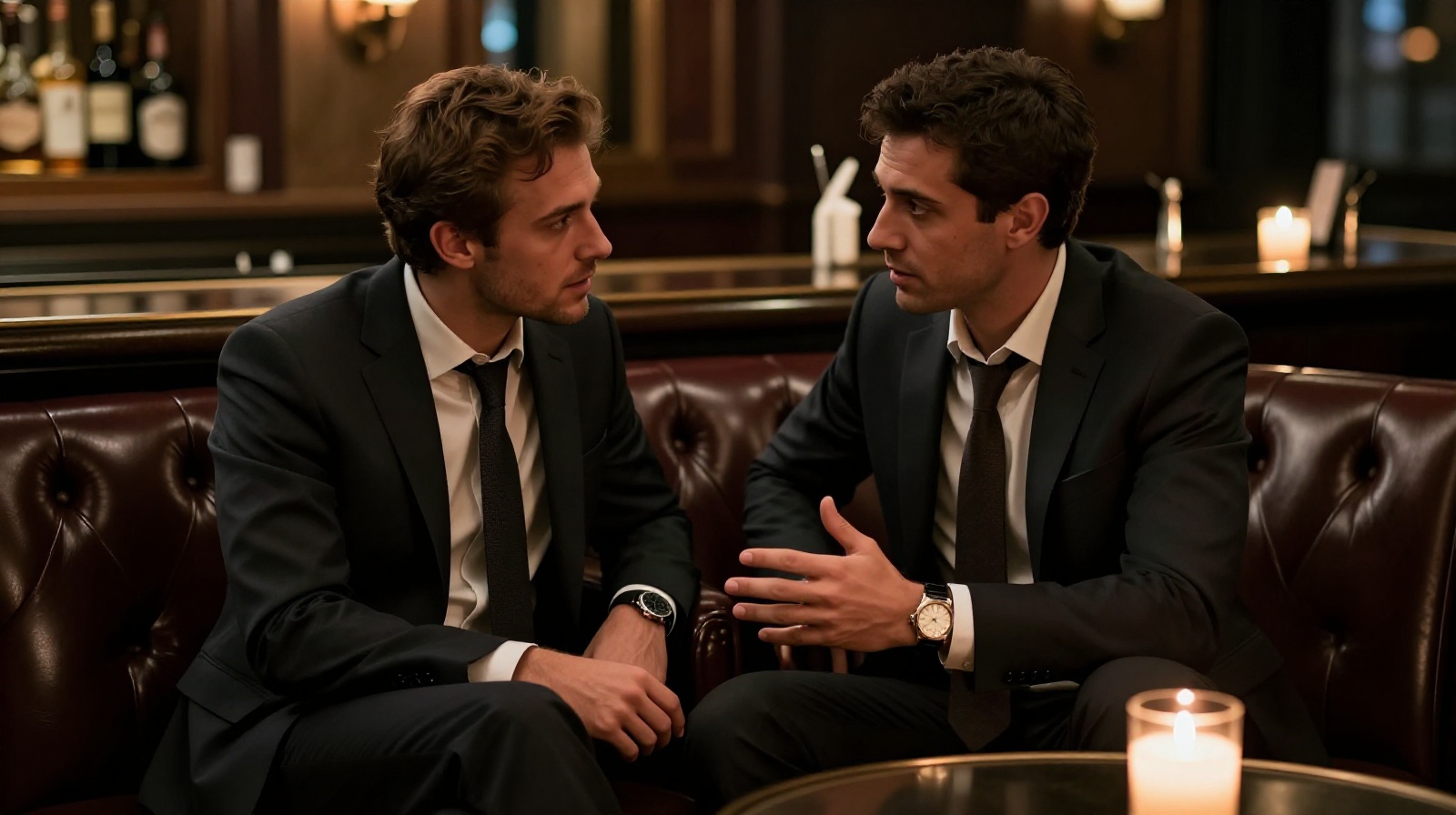
I sat at a corner table for an hour and heard no raised voices. The loudest sound was the clink of ice in a crystal glass. Two men in tailored suits discussed a merger in hushed tones, their faces illuminated by the warm glow of a candle on the table. In another booth, a foreign investor and a local partner nodded in agreement, the tension of the negotiation replaced by the shared comfort of a good cigar.
This is the “unseen” Beijing. It is not the bustling tourist hubs or the futuristic skyline of Guomao. It is the quiet, textured layer of urban life where relationships are forged over slow sips and low hums. For those who know where to look, these hidden doors offer a glimpse into a different rhythm of Chinese social life—one that values silence, discretion, and depth over noise and spectacle.