

The Internet’s Favorite Food Complaint
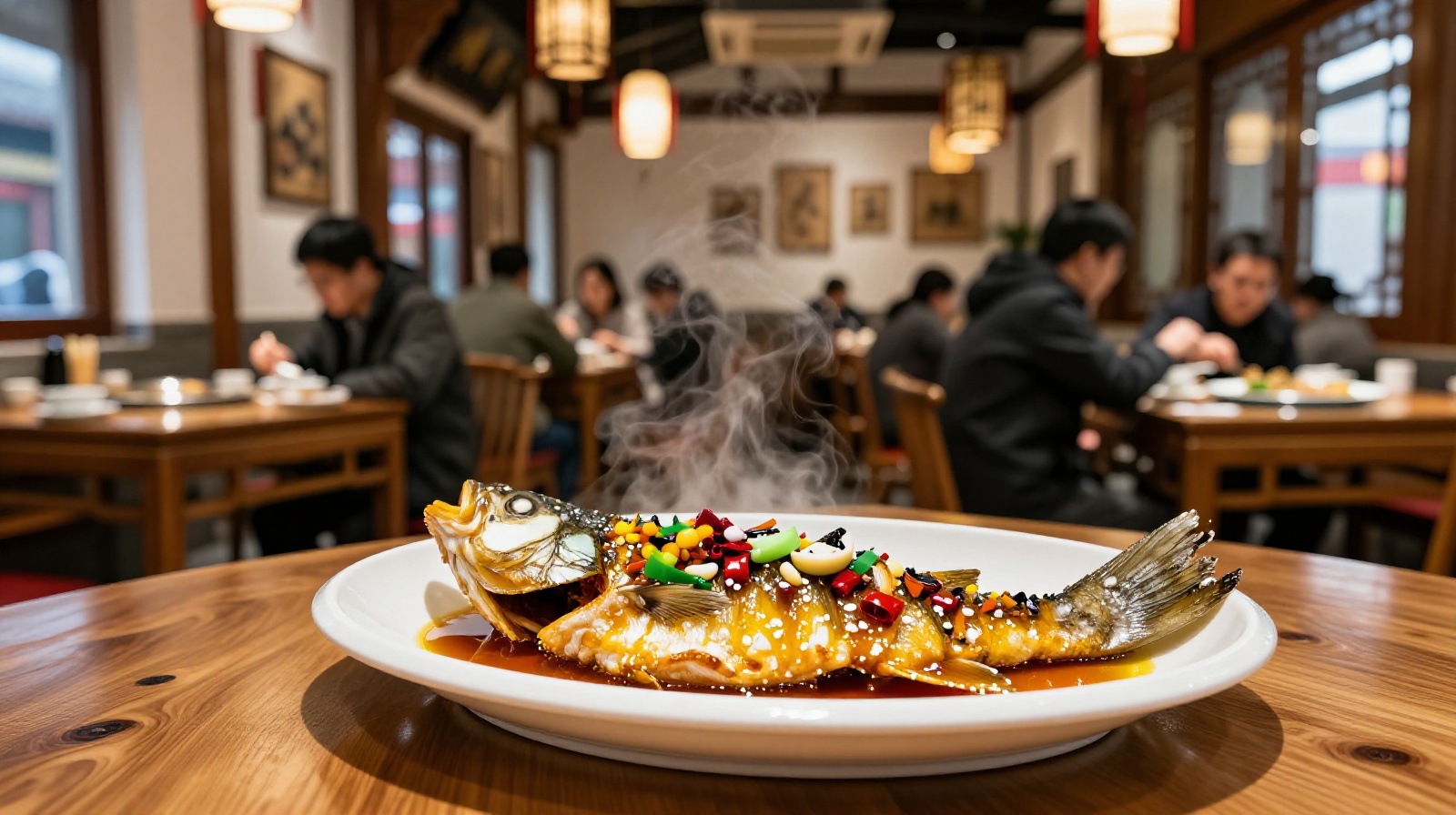
Scroll through social media, and you’ll find countless videos of foreigners—or even young Chinese tourists—struggling to finish a plate of West Lake Vinegar Fish (Xihu Cuyu). Some spit it out. Others describe the taste as “muddy” or “too sour.” For years, this dish has become a meme, a symbol of how traditional Chinese cuisine can sometimes miss the mark for modern palates.
But calling it “bad” is like calling a violin “noisy” because you’ve only heard one bad performance. The truth is more nuanced. West Lake Vinegar Fish isn’t just food; it’s a culinary time capsule from Hangzhou, a city where Song Dynasty elegance meets modern life. The challenge lies not in the recipe itself, but in execution and expectation.
Why It Tastes So Polarizing
The dish is deceptively simple: a grass carp, poached in broth, then doused in a thick, glossy sauce made of rock sugar, vinegar, and ginger. There are no heavy spices to hide behind. You are tasting the fish, pure and unadorned.
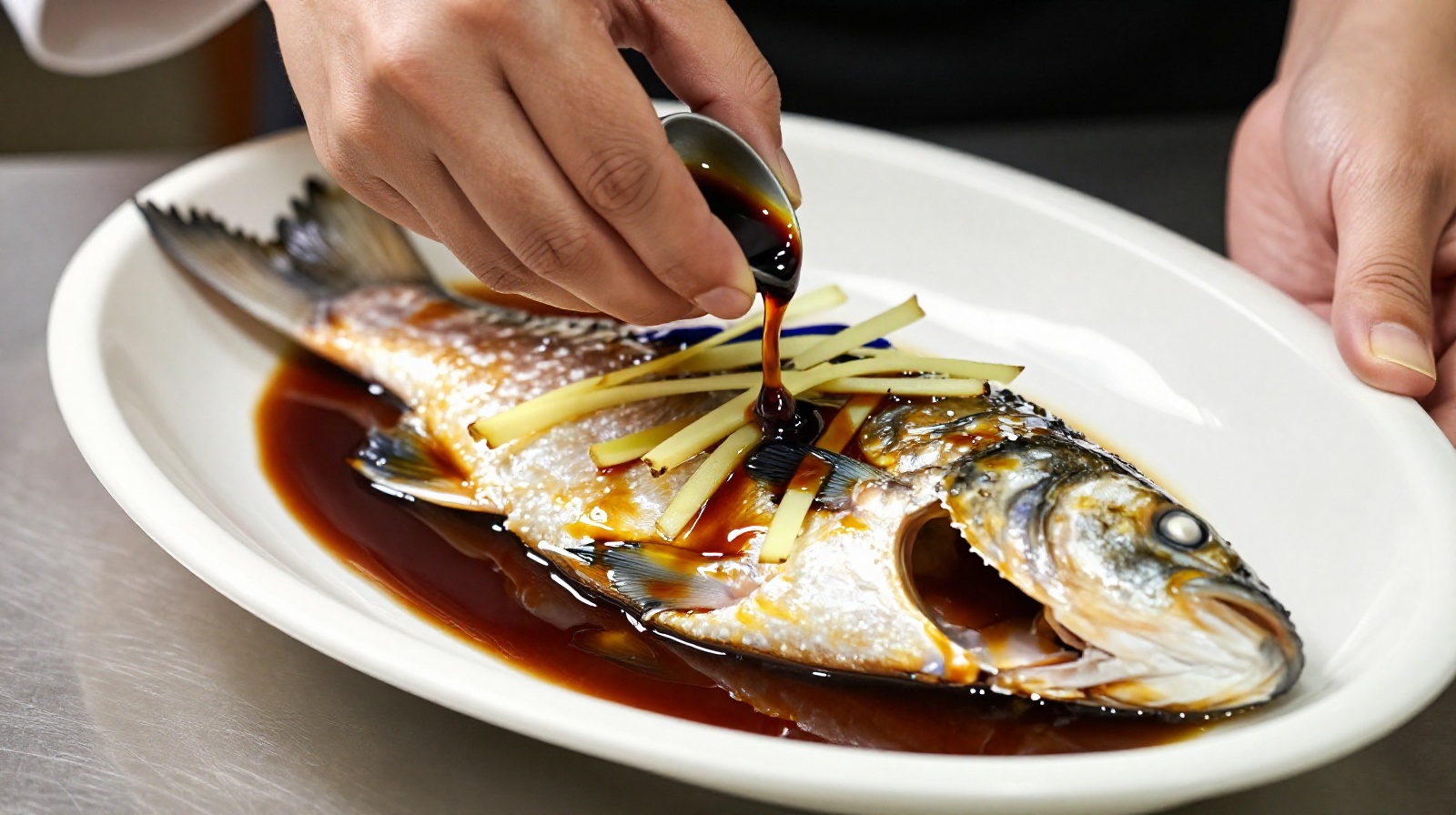
This is where things get tricky. Grass carp, common in Chinese freshwater farming, have a distinct earthy flavor. If the fish isn’t “hung” (left without food for a day or two to clear out impurities) or if the cooking time is off by even ten seconds, the meat can become mushy or retain a muddy taste. For diners used to the clean, mild flavor of American tilapia or European sea bass, this earthiness can be shocking.
Furthermore, the sauce is a balance of sour and sweet, reminiscent of a sweet-and-sour glaze but far more subtle. It’s designed to cut through the richness of the fish and highlight its natural tenderness. If the chef gets the ratio wrong, it tastes like plain vinegar sugar water. If they nail it, it’s a revelation.
How to Order Like a Local
If you want to try West Lake Vinegar Fish without regret, you cannot just walk into any restaurant and point at the menu. In Hangzhou, ordering this dish is a skill. Here is how locals do it.
1. Choose the Right Place
Avoid the tourist traps near the West Lake scenic area with flashy signs. Look for established, family-run restaurants in neighborhoods like Wushan Night Market or older parts of Shangcheng District. Places like Bai Juyi or Lou Wai Lou are famous, but many locals prefer smaller, quieter spots that prioritize technique over ambiance.
2. Insist on “Live” and “Hung” Fish
When you sit down, ask if the fish is live. More importantly, ask if it has been “hung” (in Chinese: tu xue or jie e). This fasting period is crucial for removing the muddy taste. A good restaurant will proudly tell you the fish has been fasting for 24 hours.
3. Customize the Sauce
Traditional West Lake Vinegar Fish is quite sweet and sour. If you prefer a lighter taste, ask the chef to reduce the sugar. Also, specify the thickness of the slices. Thinner slices cook faster and feel more delicate; thicker slices are chewier. Most locals opt for a medium thickness that holds its shape but remains tender.
The Science of the Sauce
The sauce is the soul of the dish. It’s not just vinegar and sugar. Authentic recipes use aged black vinegar (Zhenjiang or local Hangzhou vinegar), which provides a deep, smoky sourness, balanced by rock sugar for a clean sweetness. Fresh ginger juliennes are added at the end to provide a sharp, aromatic kick that cuts through the fishy odor.
This flavor profile reflects Hangzhou’s historical culinary philosophy: “fresh, tender, clean, and elegant.” Unlike Sichuan cuisine, which explodes with numbing spice, or Cantonese dim sum, which relies on soy and steaming, Hangzhou food is about subtlety. It’s the taste of spring rain on the West Lake—delicate, slightly melancholic, but deeply comforting.
More Than Just a Meal
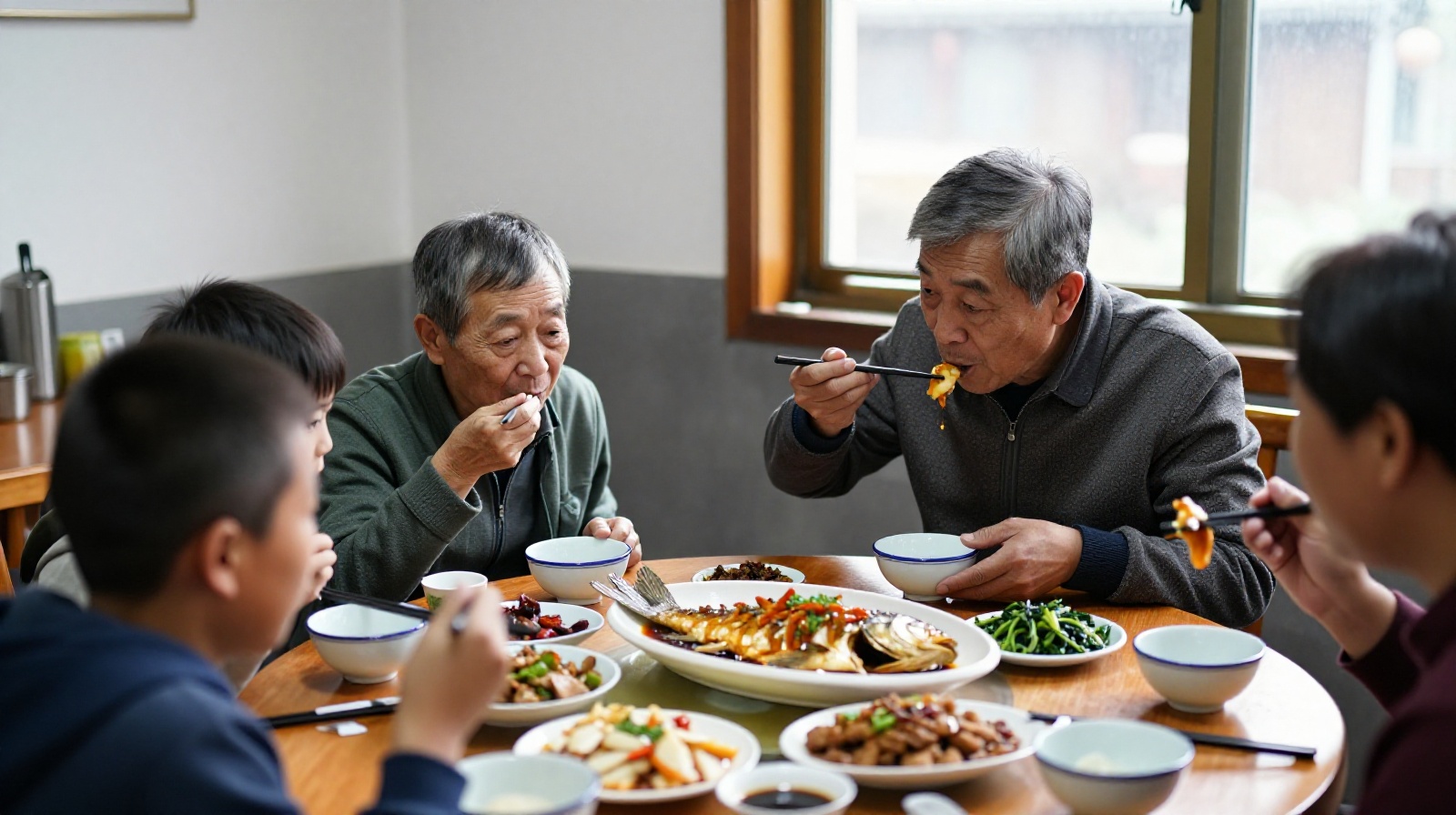
Why do people still eat it? Because it’s a piece of history. Legend says the dish was created during the Southern Song Dynasty, originally as a comfort food for a scholar returning home. Today, eating it is an act of cultural participation.
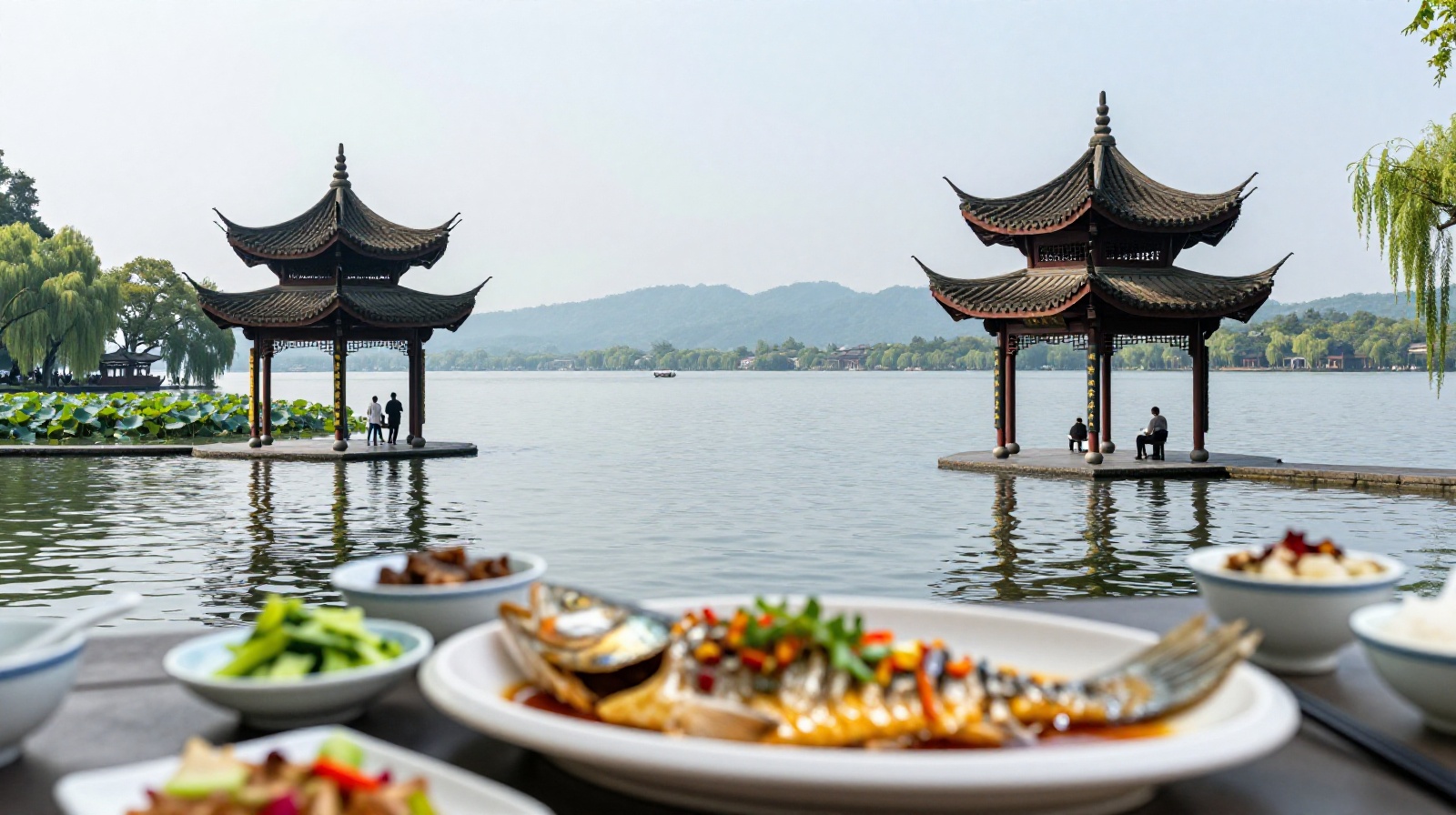
When you sit down to eat West Lake Vinegar Fish, you’re not just eating fish. You’re tasting the patience of a chef who has spent years mastering the timing of poaching, the precision of slicing, and the alchemy of sauce-making. It’s a dish that demands respect.
So, is it hard to eat? Yes. But like a fine wine or a complex jazz piece, its difficulty is part of its charm. Next time you’re in Hangzhou, don’t let the memes scare you. Find a quiet table, order the fish properly, and see if you can taste the centuries of history beneath the sweet and sour sauce.