

The Search for “Real” Flavor
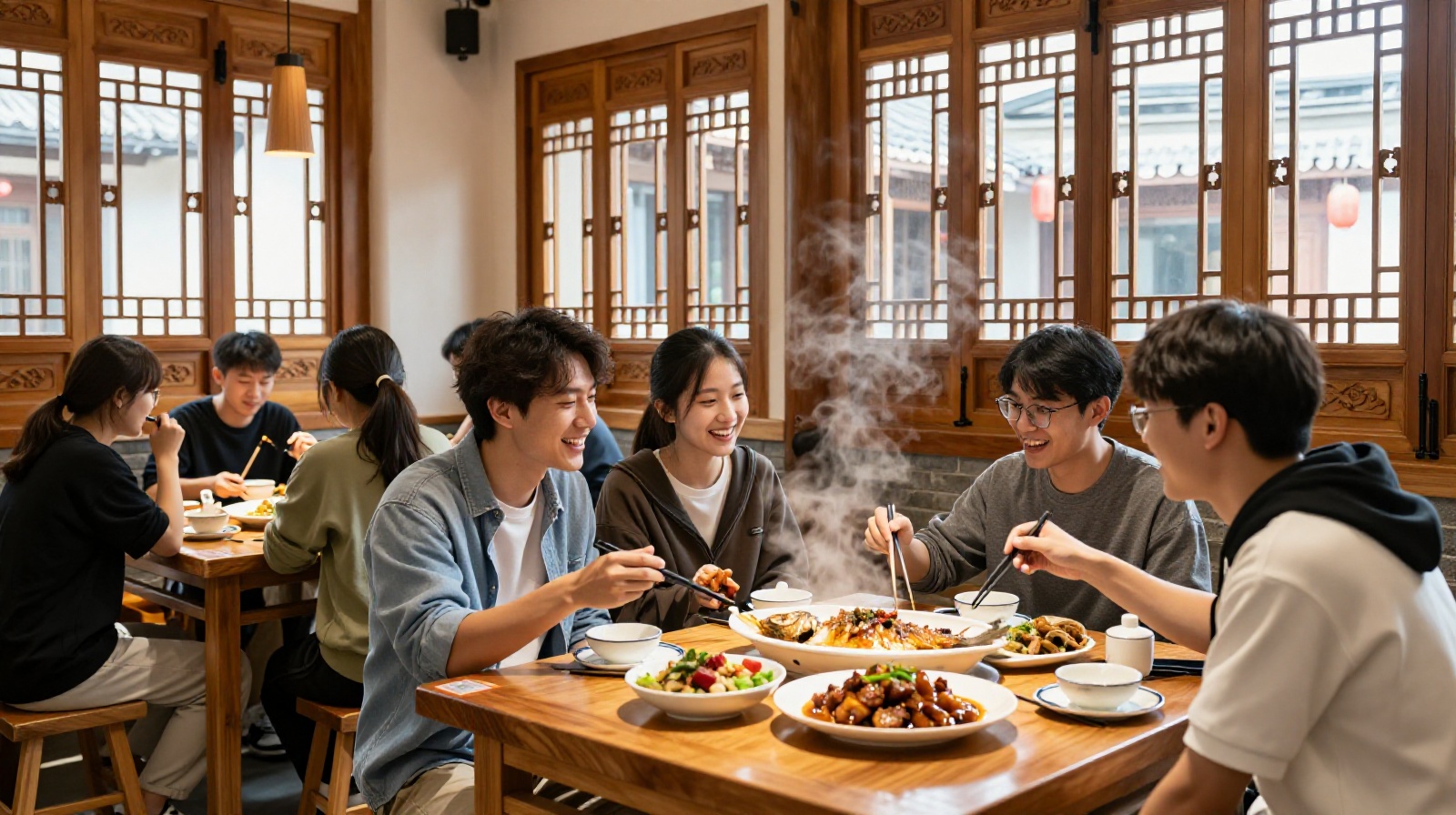
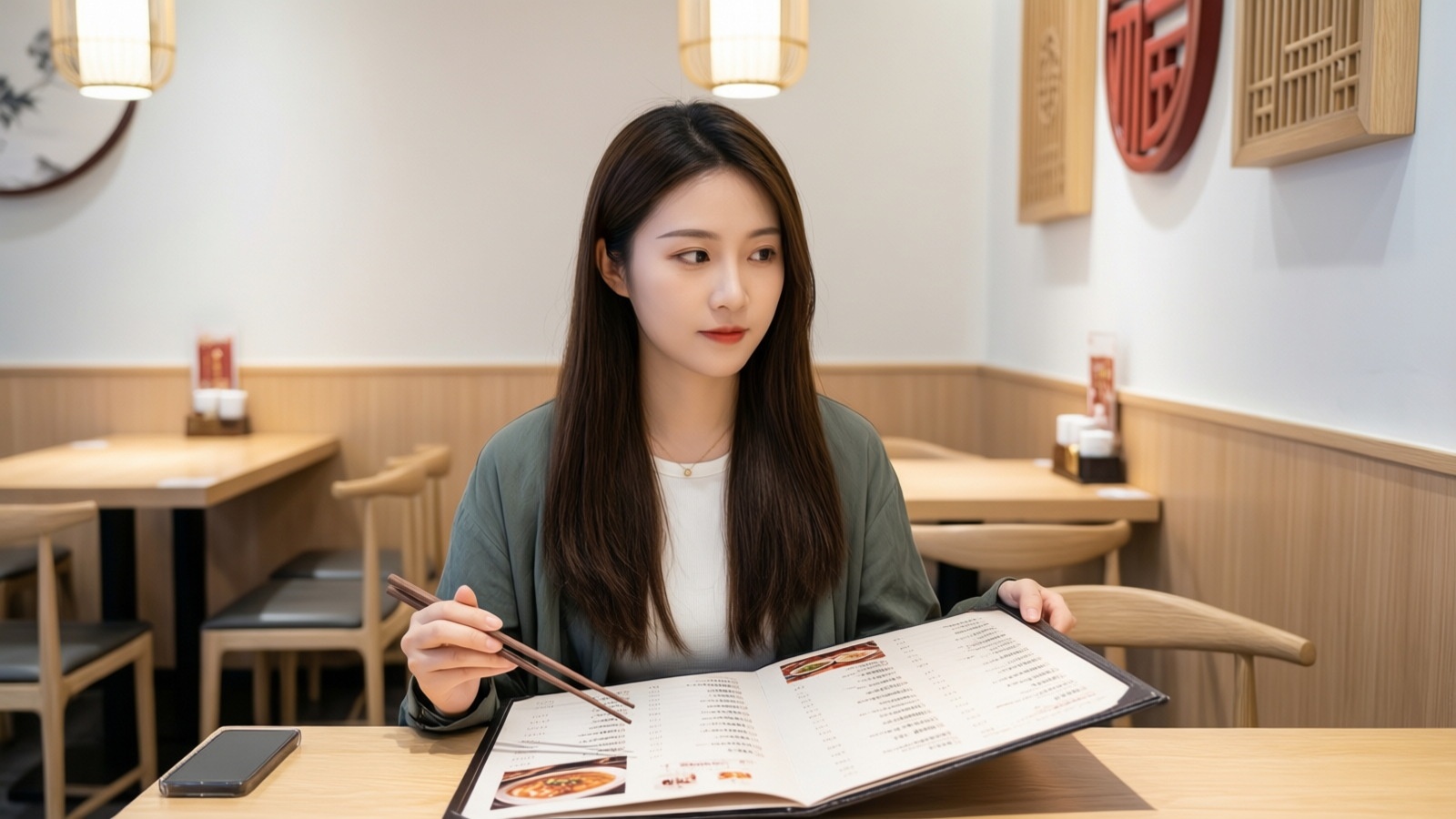
Li Jia, a 26-year-old graphic designer in Hangzhou, recently canceled her dinner date at a trendy fusion restaurant. Instead, she booked a table at “Old Huizhou Kitchen,” a chain specializing in regional Anhui cuisine. “I was tired of everything tasting like salt and butter,” she says. “Here, the food tastes like it has a history. It’s heavy, salty, but deeply satisfying.”
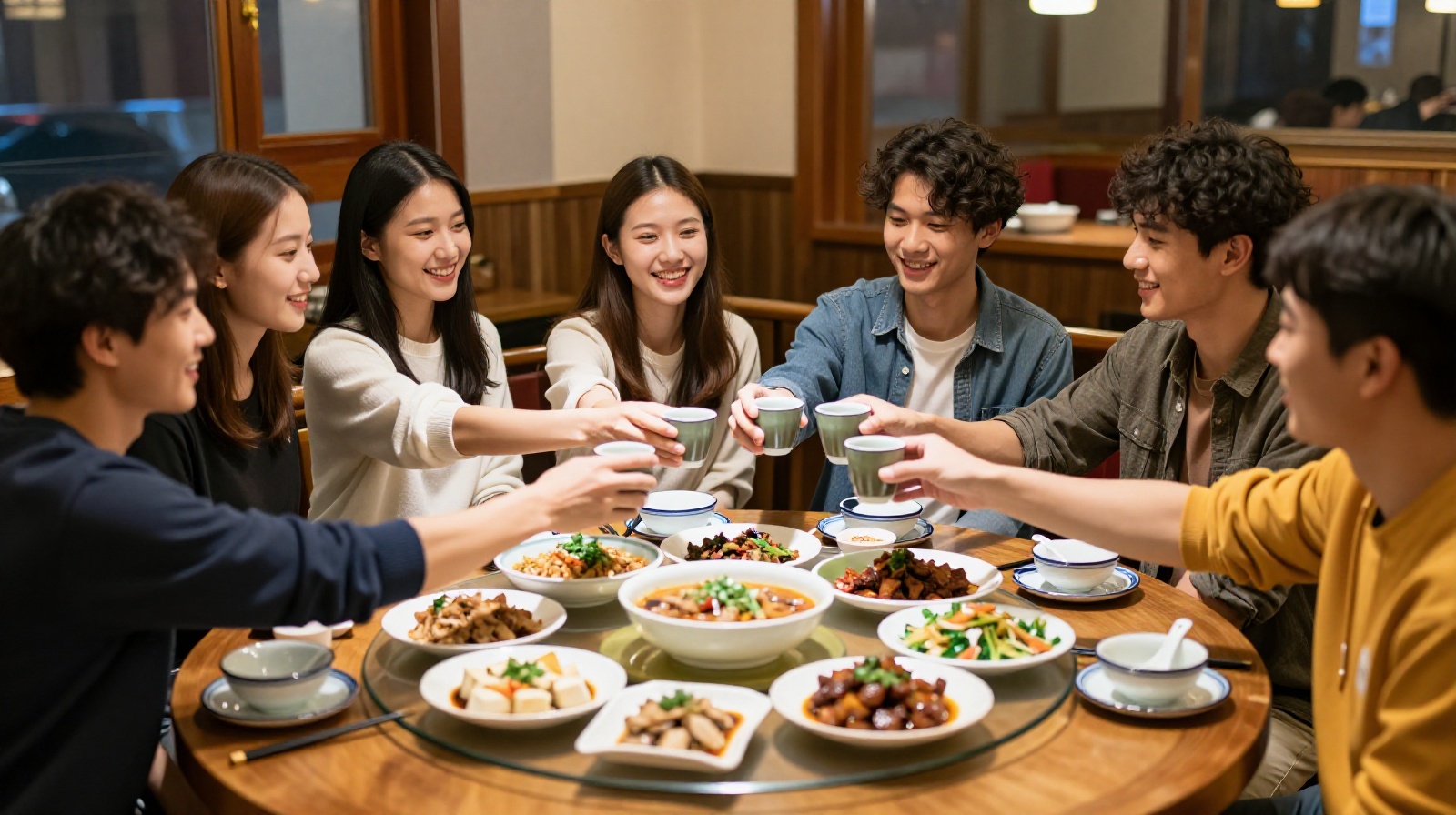
Li is not alone. Across major Chinese cities, from Shanghai to Chengdu, a quiet shift is happening in the dining habits of Gen Z and young millennials. The era of chasing expensive Western steakhouses or abstract “creative fusion” dishes is fading. In its place, there is a growing hunger for grounded, regional flavors—specifically, Hui cuisine (Huicai).
More Than Just Food: The Hui Aesthetic
To understand why this cuisine is resonating, you have to look past the menu. Hui cuisine originates from the Huizhou region in southern Anhui province, an area defined by misty mountains and ancient villages. Historically, it was a cuisine of necessity for merchants traveling long distances, relying on preserved meats and local mountain produce.
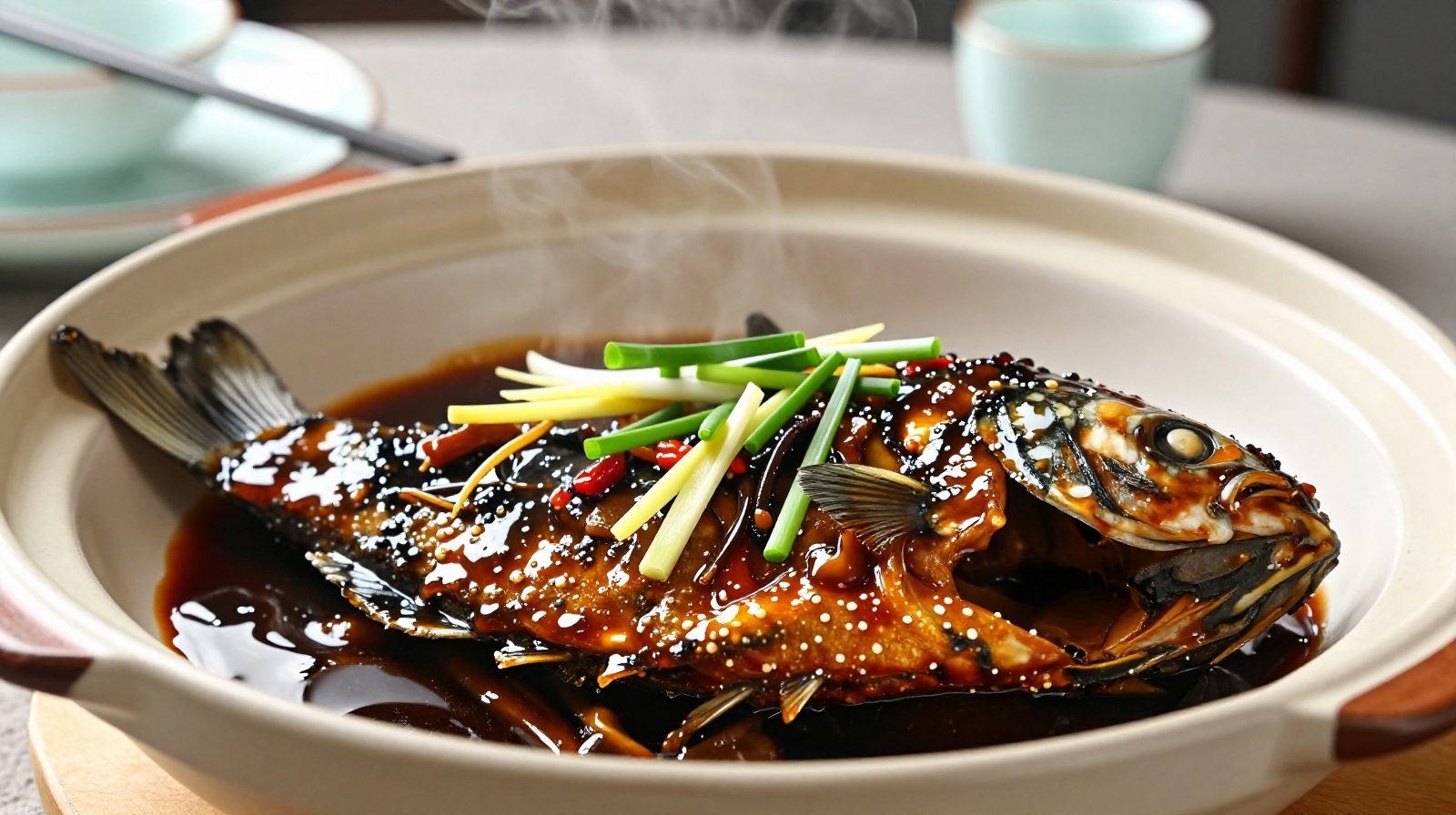
The signature dishes tell a story of patience. Take Stewed Mandarin Fish, where the fish is braised in soy sauce and rock sugar until the skin is dark and glossy, and the meat falls off the bone. Or Stinky Mandarin Fish, which sounds unappealing to the uninitiated but offers a complex, umami-rich aroma that locals cherish. These are not fast foods; they are slow foods, requiring hours of simmering.
For young urbanites, eating Hui cuisine is a sensory escape from the digital noise. It is earthy, rustic, and unpretentious. The heavy use of oil and salt—once seen as unhealthy—is now reinterpreted as “richness” and “comfort.” It connects them to a slower, more tangible way of life that their grandparents lived, but in a setting that fits their modern schedules.
From Rural Nongjiale to Urban Chains
Twenty years ago, if you wanted authentic Hui cuisine, you had to drive three hours out of the city to a nongjiale (farmhouse restaurant). These were often rustic, with inconsistent hygiene and fixed menus based only on what the farmer had that day. It was an experience, but it wasn’t convenient.
Today, that model has been industrialized and refined. Companies like “Bama Hui” or local startups have built standardized supply chains. They source ingredients directly from villages in Anhui, freeze-dry or vacuum-seal them, and deliver them to city centers. This allows a restaurant in downtown Shanghai to serve a dish that tastes 90% identical to the one made in a mountain village, but with the cleanliness, speed, and ambiance of a modern urban eatery.
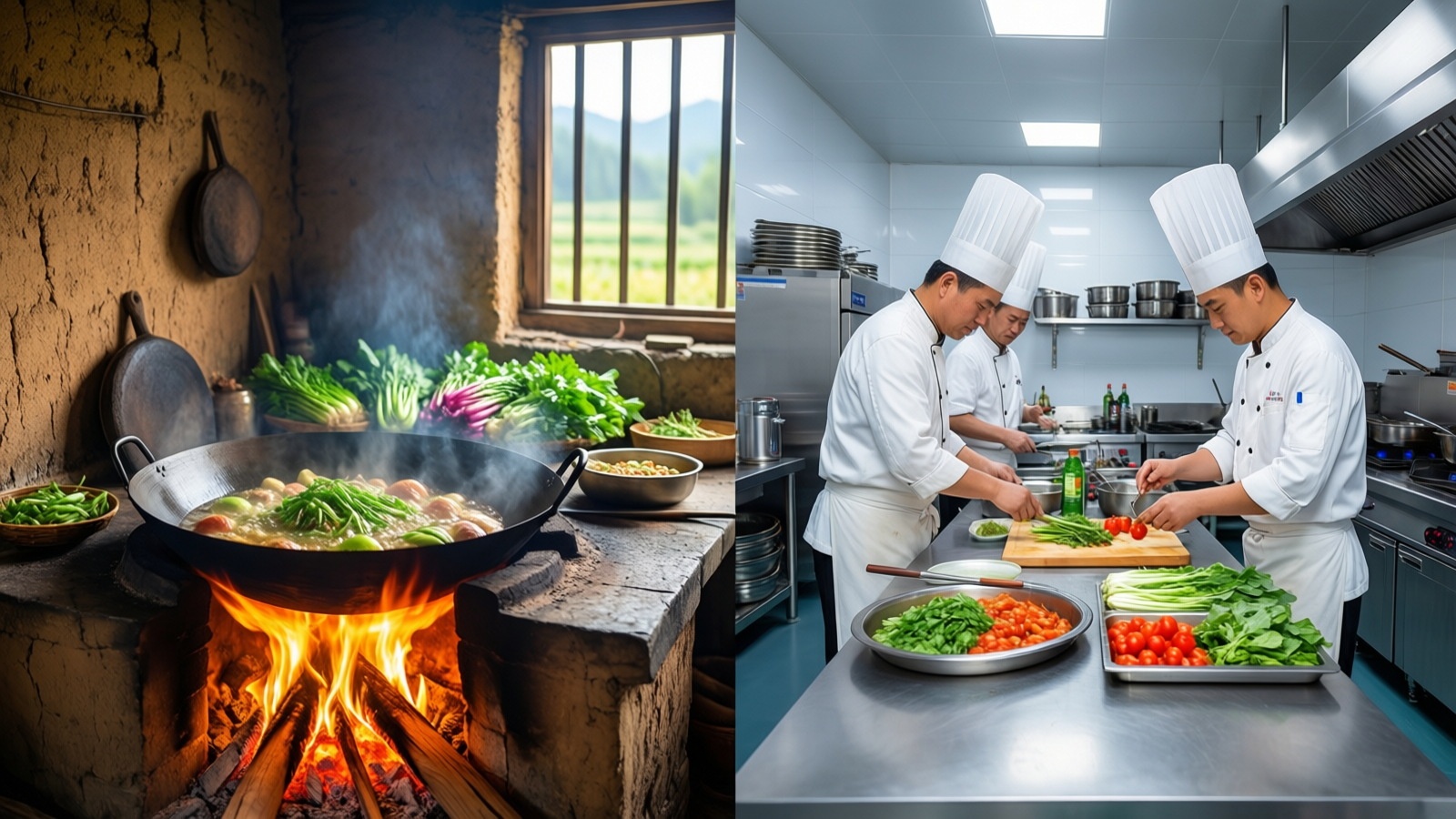
This evolution has democratized regional food. You no longer need to be a local or a traveler to enjoy these flavors. It has turned a niche ethnic/regional cuisine into a mainstream urban lifestyle choice. The branding is often minimalist, featuring ink-wash paintings of Huangshan mountains, appealing to the contemporary aesthetic while preserving cultural roots.
Heritage as a Lifestyle Choice
Why are young consumers choosing this over global fast food or other trendy cuisines? Part of it is cultural confidence. As China’s economy has matured, young people are less interested in mimicking Western dining habits and more eager to explore their own diverse heritage. Hui cuisine, with its deep historical roots in the Ming and Qing dynasties, offers a sense of identity.
It is also about the “realness” factor. In a world of synthetic flavors and delivery apps, eating a dish that claims to use wild mushrooms picked from the forest or cured meats made in traditional cellars feels authentic. It provides a narrative. When Li Jia eats her meal, she isn’t just consuming calories; she is participating in a story about migration, trade, and mountain life.
The Human Bridge
Behind this trend are entrepreneurs bridging two worlds. Take Chen Wei, a 30-year-old chef who grew up in a Huizhou village but studied culinary arts in Guangzhou. He returned to Hangzhou to open a small chain. “My mother used to cook these dishes for us using firewood and clay pots,” Chen explains. “I wanted to capture that smoky, earthy flavor, but I couldn’t bring the clay pot to every city. So, I worked with food scientists to develop a technique that mimics that slow-cook effect without the smoke alarm going off in a modern kitchen.”
Chen’s story is typical. These young chefs are not just cooks; they are cultural translators. They take the rough edges of rural tradition and polish them for urban palates, ensuring that the soul of the dish remains intact while the delivery system becomes efficient.
A New Balance
The rise of Hui cuisine in cities is a microcosm of contemporary China. It shows a society that is rapidly modernizing but simultaneously looking backward for stability and meaning. Young people are not rejecting modernity; they are redefining it. They want the convenience of urban life but the soul of rural heritage.
As Li Jia finishes her meal, wiping her plate clean with a piece of steamed bun, she smiles. “It’s heavy,” she says, “but it feels real.” In a fast-paced world, that sense of reality is becoming the most valuable ingredient of all. This isn’t just a food trend; it’s a search for home in the middle of the city.