

Introduction: A Tale of Two Drinks
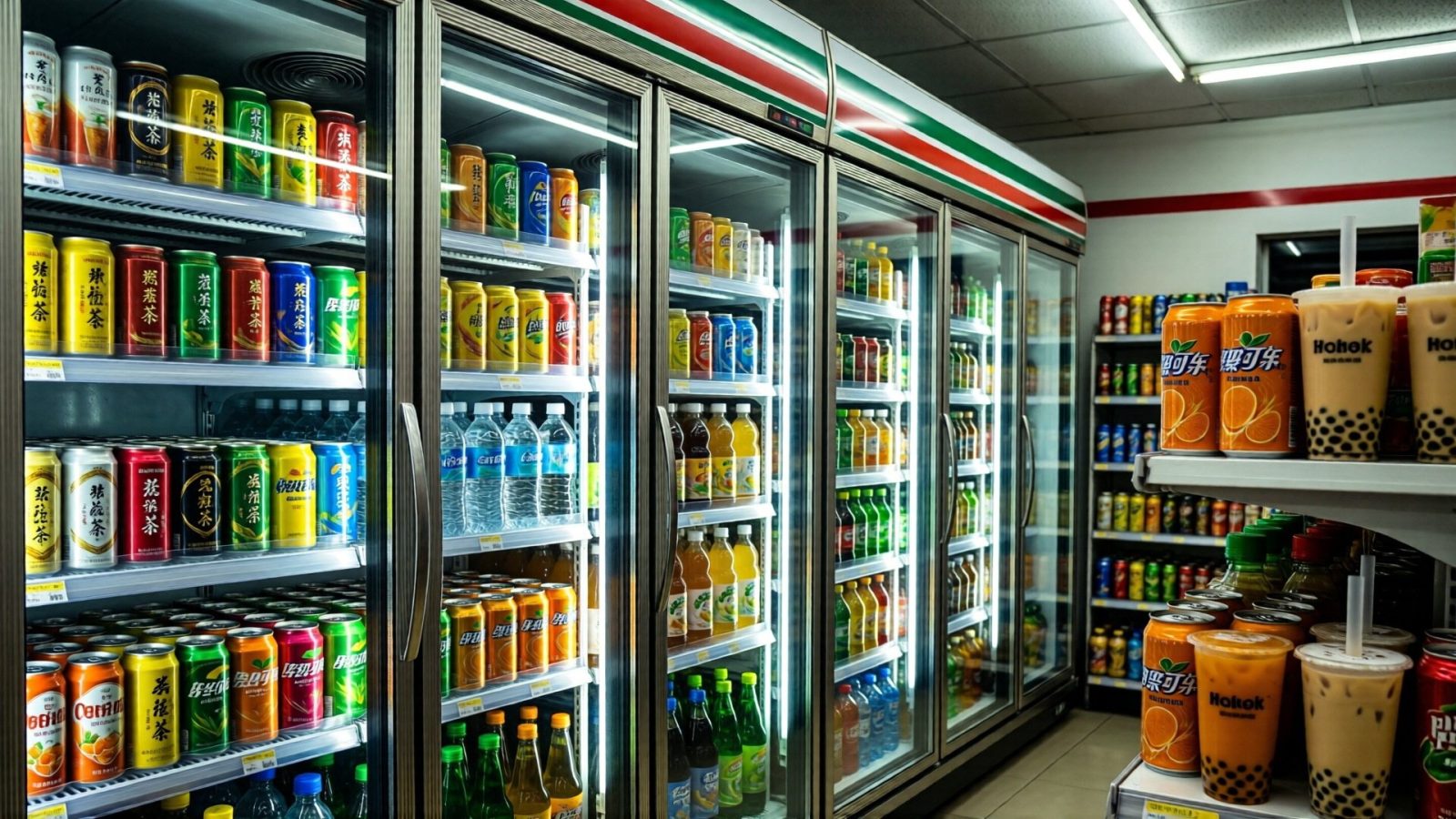
If you walk into a convenience store in Shanghai or Beijing today, you’ll see a shelf that looks like a battlefield of flavors: classic green tea sitting next to a can of sparkling cola infused with ginseng, and a bottle of homemade yogurt soda competing with a trendy brand of peach oolong kombucha. Ten years ago, this would have been unthinkable. China’s beverage market has transformed from a simple choice between tea and soda into a playground of innovation and mixology. And the best part? It’s all driven by what ordinary people actually want to drink.
The Tea Revolution: Not Your Grandma’s Cup
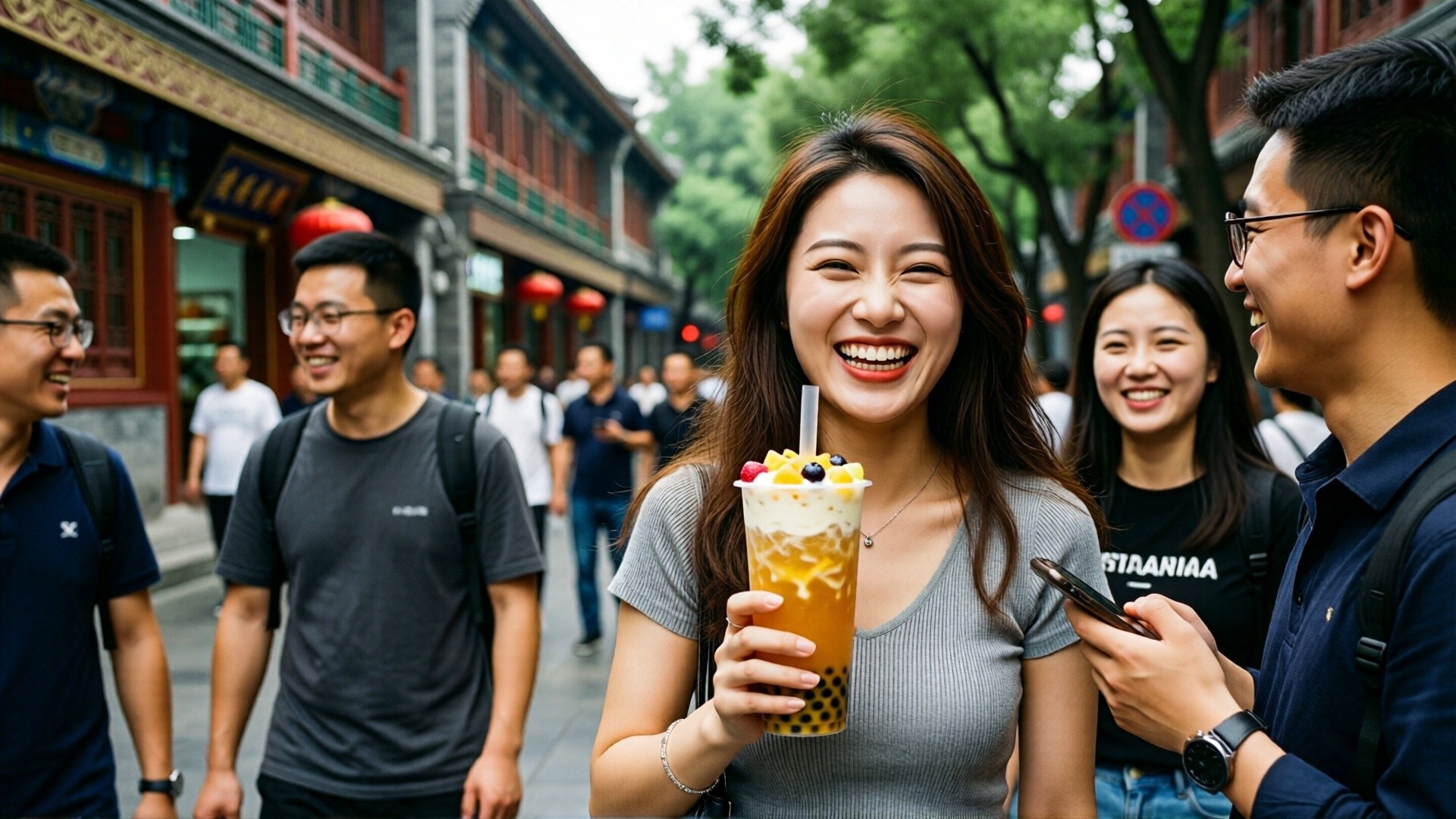
Let’s start with tea, the ancient soul of Chinese refreshment. For centuries, tea was either loose leaves in a gaiwan or a humble bag in a thermos. Then came the bubble tea boom from Taiwan, and eventually, Chinese brands like Heytea (喜茶) and Nayuki (奈雪の茶) turned tea into a status symbol. These aren’t just drinks—they’re Instagrammable creations topped with cheese foam, fresh fruit, and even popping boba. A typical order might be a “grape cheese cloud” or a “peach oolong with coconut jelly.” The innovation lies in the texture and layering: you sip, chew, and slurp all in one cup. For young Chinese, buying a 30 yuan ($4) tea drink has become a daily ritual, a small luxury that also serves as social currency. At work, colleagues bond over group orders; on social media, photos of colorful cups generate likes. It’s no longer just about quenching thirst—it’s about experience and identity.
Rebirth of Local Sodas
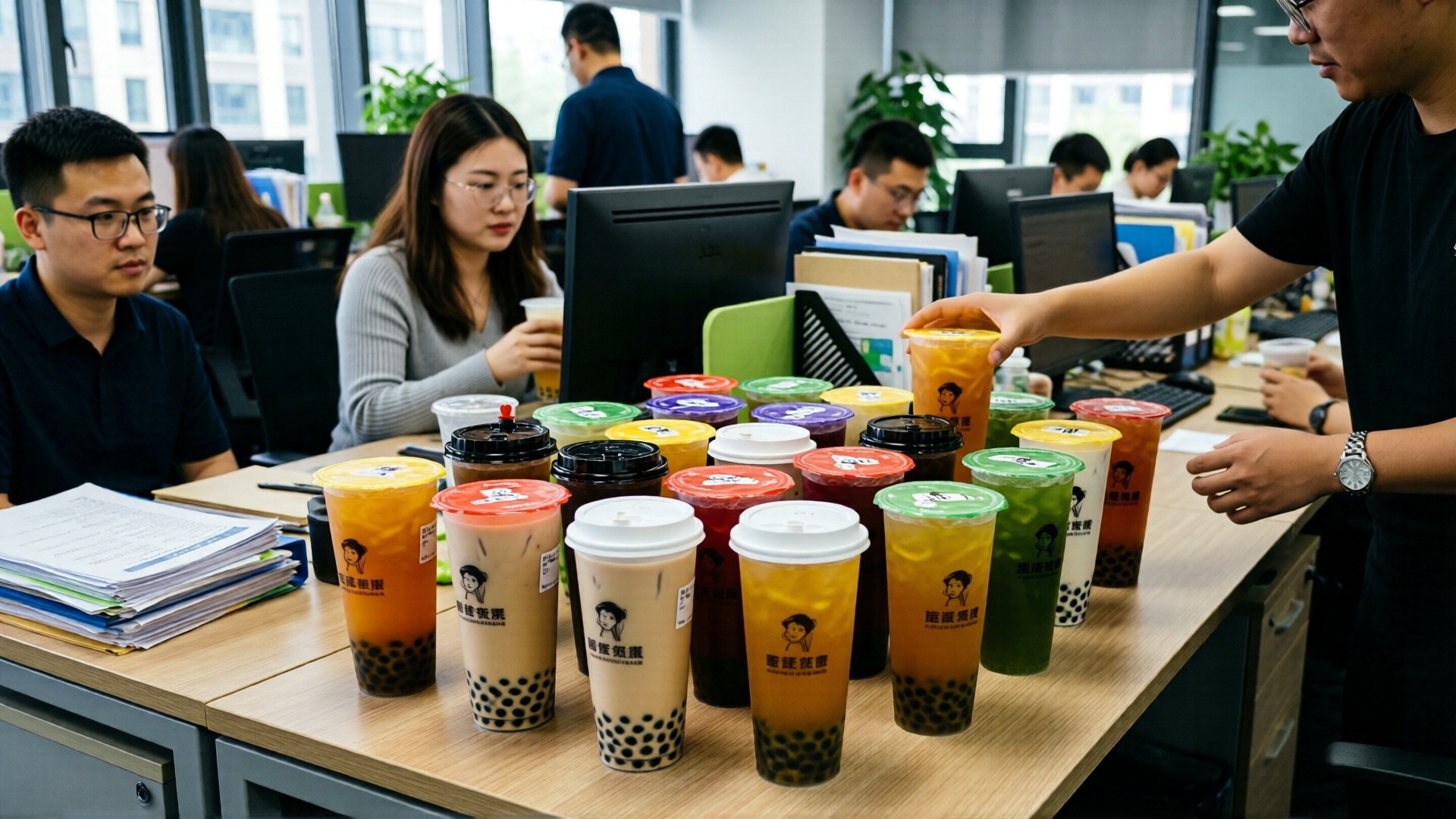
But while tea was getting fancy, old-school carbonated drinks were staging a comeback. Remember the orange soda from the 1950s, Beibingyang (北冰洋) ? It practically disappeared in the 90s when Western brands like Coke and Pepsi flooded the market. Then, around 2015, it reappeared on shelves with retro packaging and a nostalgic marketing campaign. Suddenly, adults who grew up with Beibingyang were buying it again—not just for the taste, but for the memory. Similarly, Genki Forest (元气森林), a startup launched in 2016, shook up the soda aisle with zero-sugar, zero-calorie sparkling water flavors like peach and cucumber. Their secret? A catchy brand story that said, “Drink healthy without giving up fun.” They filled a gap that neither traditional soda nor plain water could: the desire for guilt-free indulgence. By 2020, Genki Forest was selling millions of cans a month, forcing even Coca-Cola to launch competing zero-sugar drinks in China.
When Tea Meets Soda: The Hybrid Trend
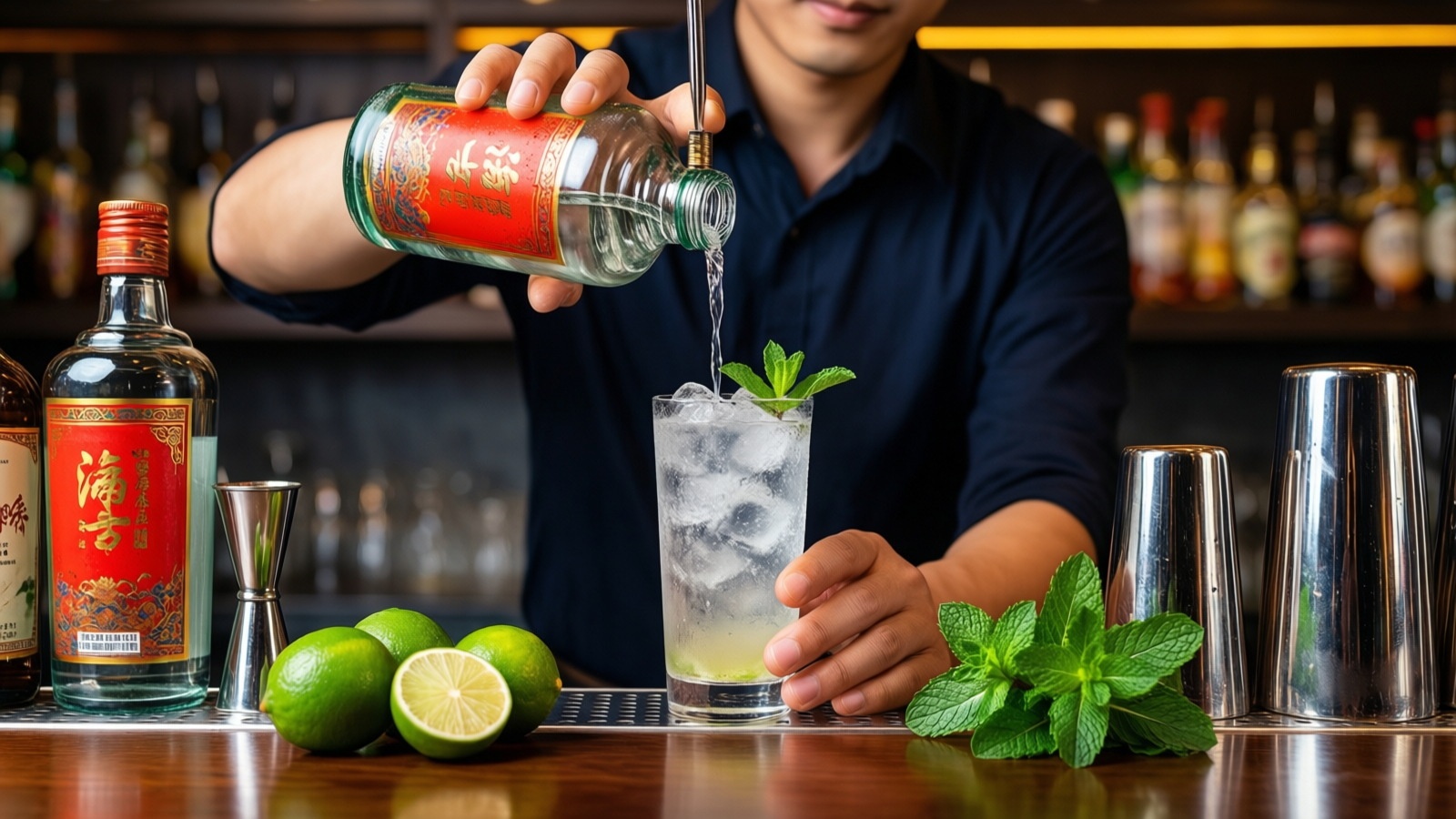
Now here’s where it gets really interesting: the boundary between tea and soda is blurring. Brands are creating drinks that are both—like sparkling black tea with peach juice, or oolong fizz with lemon. Some companies even market “carbonated tea drinks” as a new category. On the streets, you’ll find stalls selling “tea-flavored sodas” or “bubble water with tea extracts.” And it’s not just soft drinks: alcoholic beverages are also hopping on the mixology train. Baijiu, China’s potent grain spirit, once considered a drink for old uncles at banquets, is now being blended with fruit juices, soda water, and even coffee. Bars in Chengdu serve “Baijiu Mojitos” and “Gin & Tea.” The key driver is the young consumer’s appetite for novelty—they want something they haven’t tried before, and they want it to look cool in their hands.
How It Feels on the Ground
To understand how these trends touch real life, let’s look at a typical weekday in a Chinese office. At 3 p.m., someone in the WeChat group sends a survey for a collective bubble tea order. Within minutes, 15 colleagues have customized their drinks with different sweetness levels, toppings, and ice. Half an hour later, a delivery driver arrives with a tray of colorful cups. This scene repeats millions of times every day across the country. On weekends, families gather and experiment with homemade drinks: maybe a pitcher of sour plum soup mixed with soda water, or a blend of yogurt and mango puree. In convenience stores, the cooler section now has shelves dedicated to imported Japanese sparkling water, local kombucha, and herbal teas from Taiwan. The diversity is stunning.
But not everything is perfect. With competition fierce, some brands chase gimmicks—remember the “octopus sauce” flavored soda that briefly trended on social media? It was disgusting, and rightly it disappeared. Yet even that failed experiment shows how far brands are willing to go to stand out. The market is a laboratory, and consumers are the judges.
Conclusion: More Than Just Drinks
China’s beverage innovation isn’t just about new products—it’s a mirror of a society that’s open to change, eager for self-expression, and unafraid of mixing traditions. Tea represents heritage, but cheese foam represents modernity. Old soda brands like Beibingyang evoke nostalgia, while Genki Forest signals a health-conscious future. When these forces collide, you get a market that’s playful, unpredictable, and deeply human. So the next time you see a bottle of sparkling plum tea in a Chinese store, don’t be surprised. Just grab it, take a sip, and taste the story of a country that’s reinventing itself, one drink at a time.