

The Leaf That Crossed Oceans
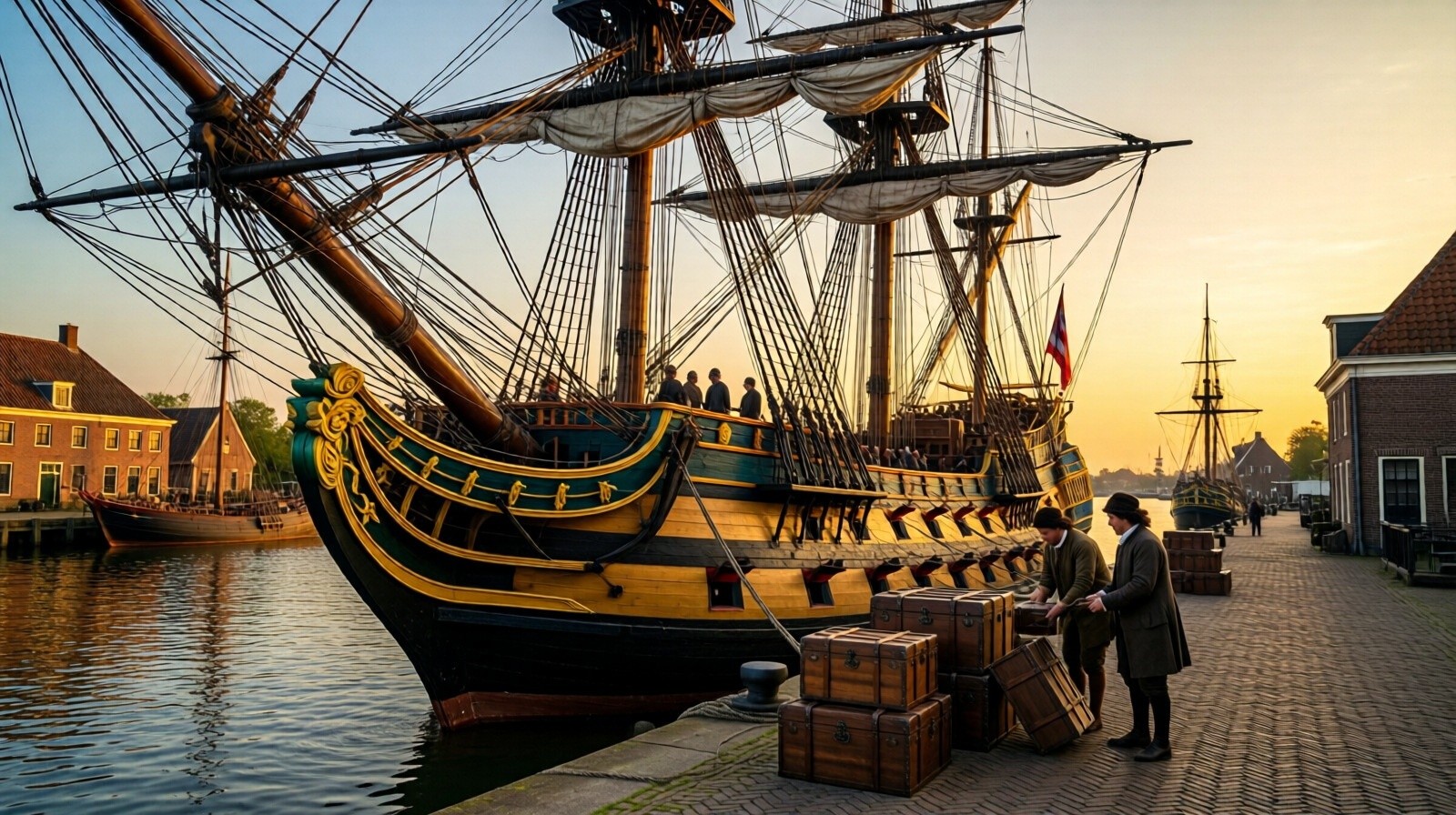
In 1610, a Dutch ship anchored in the port of Amsterdam carrying a cargo that would reshape European habits—a small quantity of dried green tea leaves from China. At that moment, few aboard could have imagined that this bitter, unfamiliar brew would, within two centuries, become the national drink of Britain and a cornerstone of global trade. The story of how Chinese tea reached Europe is not just a tale of commerce, but a narrative of cultural exchange, adaptation, and transformation.
Origins of Tea: From Southwest China to Daily Ritual
Tea (Camellia sinensis) has been consumed in China for millennia. Legend credits Emperor Shennong with discovering its medicinal properties around 2737 BCE, but archaeological evidence suggests tea drinking was established by the Han dynasty (206 BCE–220 CE). The plant likely originated in the mountainous region of Yunnan, where wild tea trees still grow today. Over centuries, tea evolved from a medicinal decoction into a daily beverage, central to Chinese culture—from the elaborate tea ceremony in Japan (influenced by Tang dynasty practices) to the bustling tea houses of Guangzhou.

Early Routes: Silk Road and Maritime Spice Routes
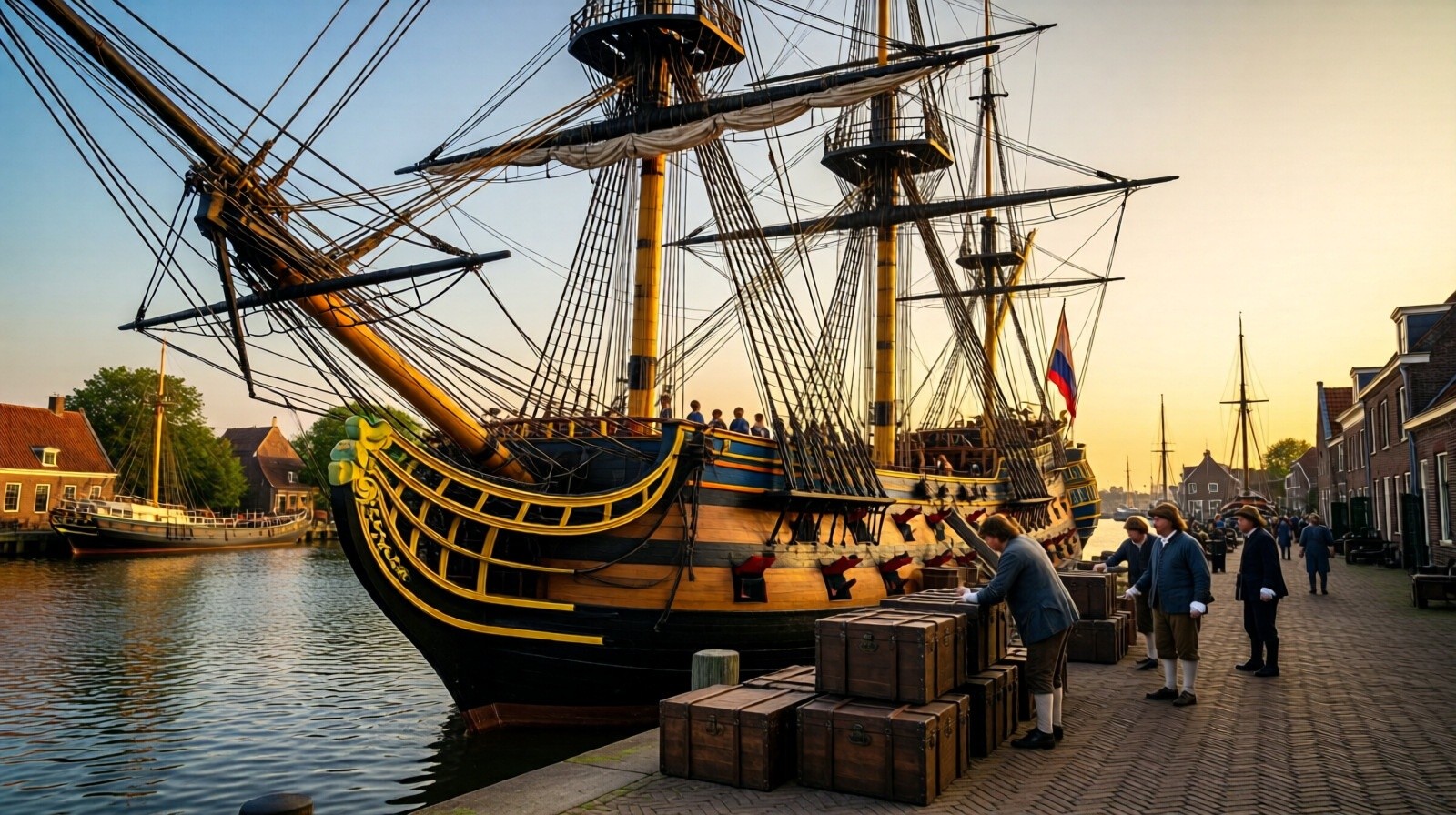
Before tea reached Europe, it traveled along the ancient Silk Road, primarily as a trade good for Central Asian nomads who valued it for its caffeine boost and digestive properties. By the Tang dynasty (618–907), compressed tea bricks were widely traded to Tibet and Mongolia. The maritime routes, however, became the main conduit to Europe. Portuguese explorers in the 16th century were among the first Europeans to encounter tea in China, but it was the Dutch East India Company (VOC) that began regular shipments from the port of Canton (Guangzhou) to Europe in the early 17th century.
First Encounters: Portuguese Missionaries and Dutch Merchants
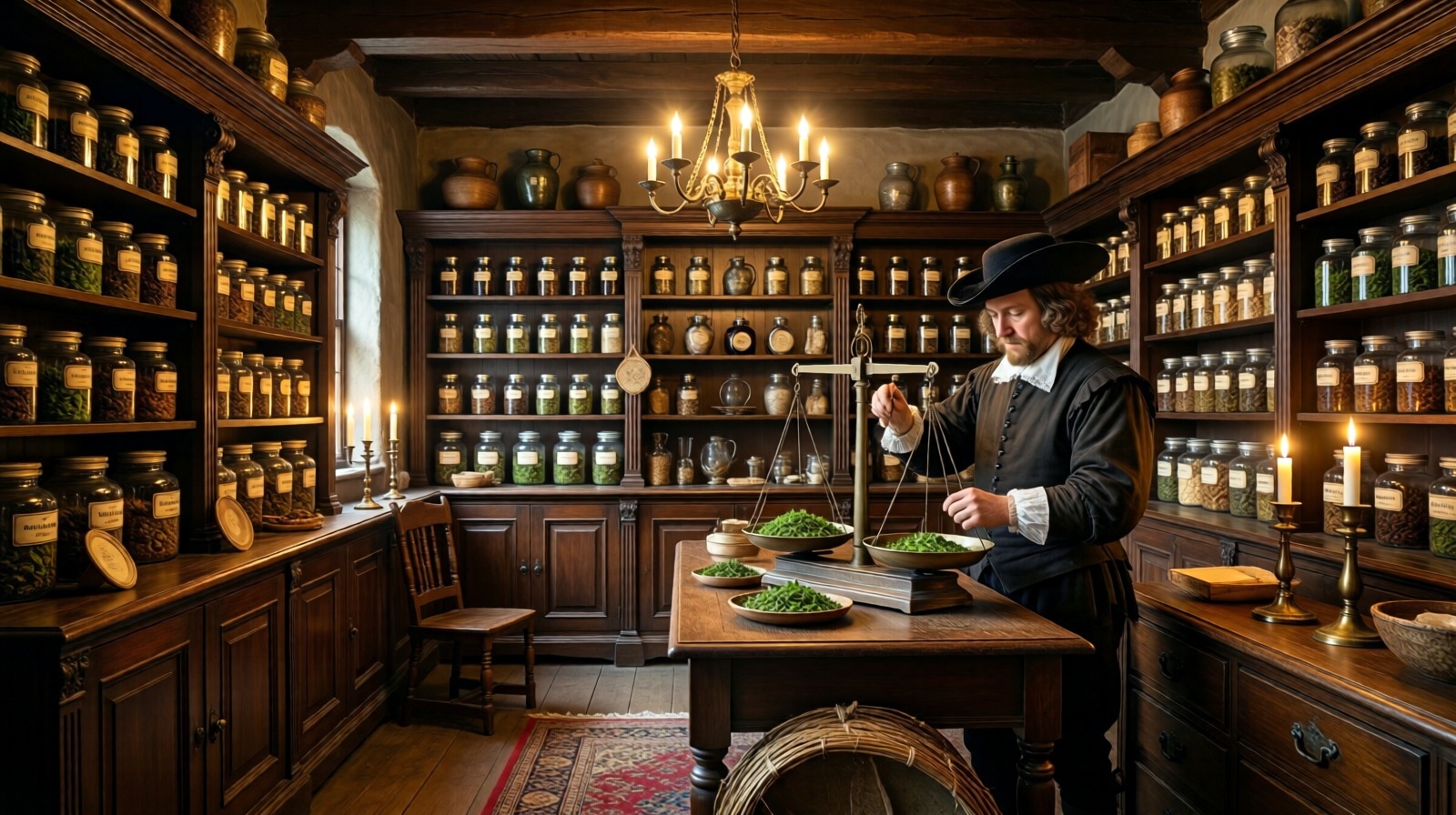
The earliest European mention of tea comes from Portuguese missionary Jasper de Cruz in 1560, who described it as a “heated beverage” consumed by the Chinese. But it was the Dutch who turned curiosity into commerce. By 1610, the VOC had introduced green tea to the Netherlands, where it was initially sold as a medicinal herb in apothecaries. The price was astronomical—only the wealthy could afford it. Tea was brewed in special porcelain pots, and the habit slowly spread among the Dutch elite.
The Trade Boom: How the East India Company Brought Tea to British Kitchens
The real transformation occurred when the British East India Company (EIC) began importing tea on a large scale in the late 17th century. By the 1720s, tea had become cheaper than coffee in Britain, partly due to lower import duties and a growing supply from China. The British developed a taste for black tea (which traveled better than green) and added milk and sugar—a habit borrowed from the coffeehouse culture. By the mid-18th century, tea was no longer a luxury item but a staple of the British diet, consumed by all social classes. The trade had a dark side: Britain’s demand for tea led to a trade deficit with China, which the British offset by exporting opium, culminating in the Opium Wars.
Cultural Collision: From Aristocratic Luxury to Afternoon Tea
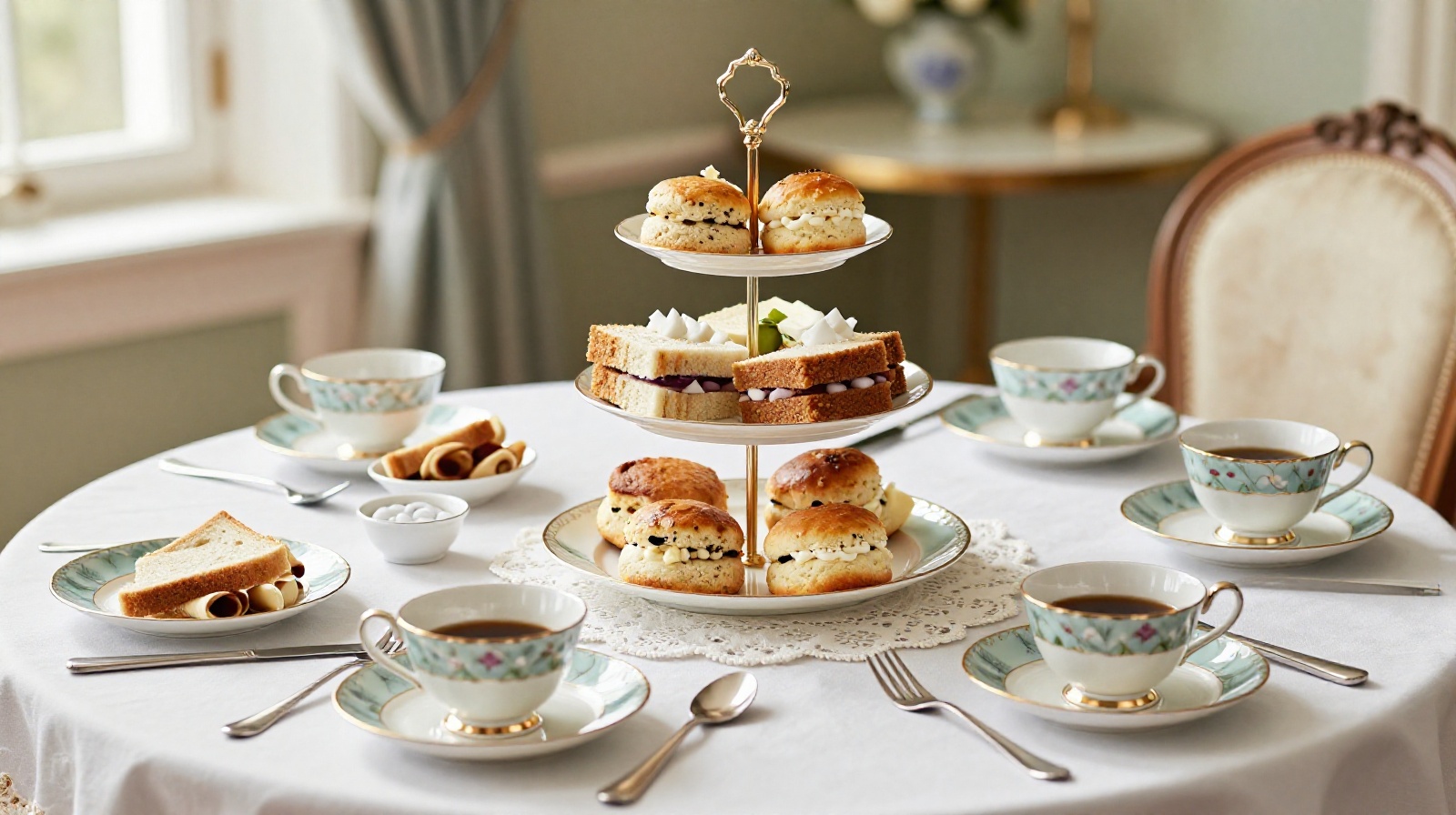
In Europe, tea underwent a cultural transformation. The British afternoon tea ritual, popularized by Anna, Duchess of Bedford in the 1840s, became an iconic social custom. Tea was served with sandwiches, scones, and cakes—a far cry from the simple Chinese method of brewing in a covered cup. The Chinese practice of drinking tea without additives was initially met with curiosity, but European palates demanded sweetness and cream. Meanwhile, in Russia, the samovar tradition developed from imported Chinese tea bricks via the overland route. Each European country adapted tea to its own tastes—the French preferred herbal infusions, the Germans drank it with rum, and the Irish added more milk.
Modern Echoes: The Revival and Fusion of Chinese Tea in Europe
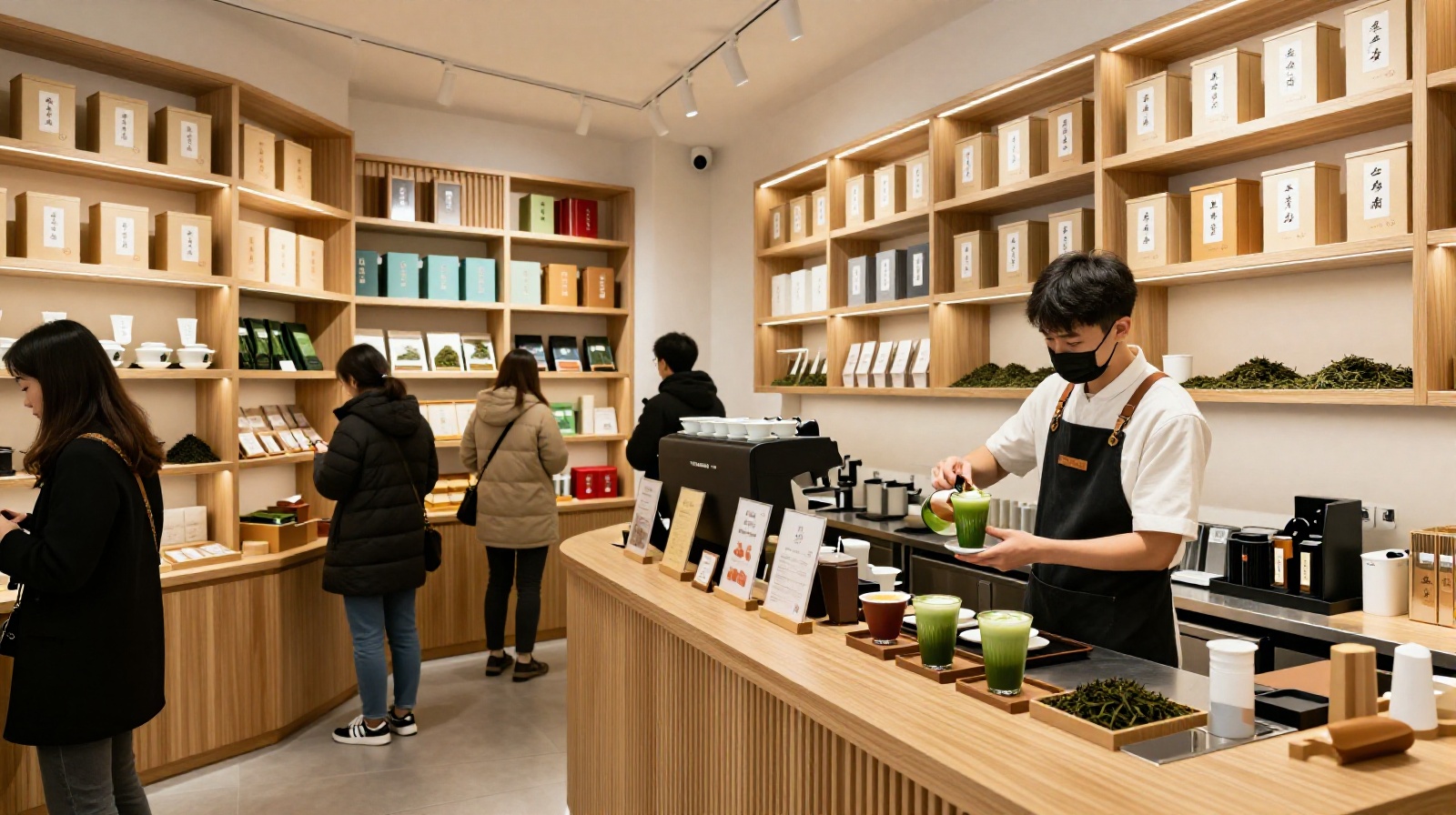
Today, Chinese tea is experiencing a renaissance in Europe. Specialty tea shops in London, Paris, and Berlin offer high-grade oolong, pu-erh, and white teas—often from small Chinese farms. The rise of wellness culture has revived interest in the health benefits of green tea. Meanwhile, Chinese tea ceremonies are being taught in cultural centers, and fusion beverages like matcha lattes have become mainstream. The trade, however, is more complex: China remains the world’s largest tea producer, but its exports now face competition from India, Kenya, and Sri Lanka. Economic shifts have also changed the pattern—higher domestic consumption in China means fewer exports of premium teas, while mass-market teas are increasingly sourced from other countries.
Conclusion: A Cup of Globalization in Miniature
The journey of Chinese tea to Europe encapsulates centuries of global exchange—economic ambition, cultural adaptation, and the simple pleasure of a shared drink. Today, when a Londoner sips Earl Grey or a Parisian enjoys a jasmine green tea, they are part of a story that began in the misty mountains of Yunnan. Tea reminds us that globalization is not a recent invention; it has been brewing for a very long time.