

Beneath the 8D City
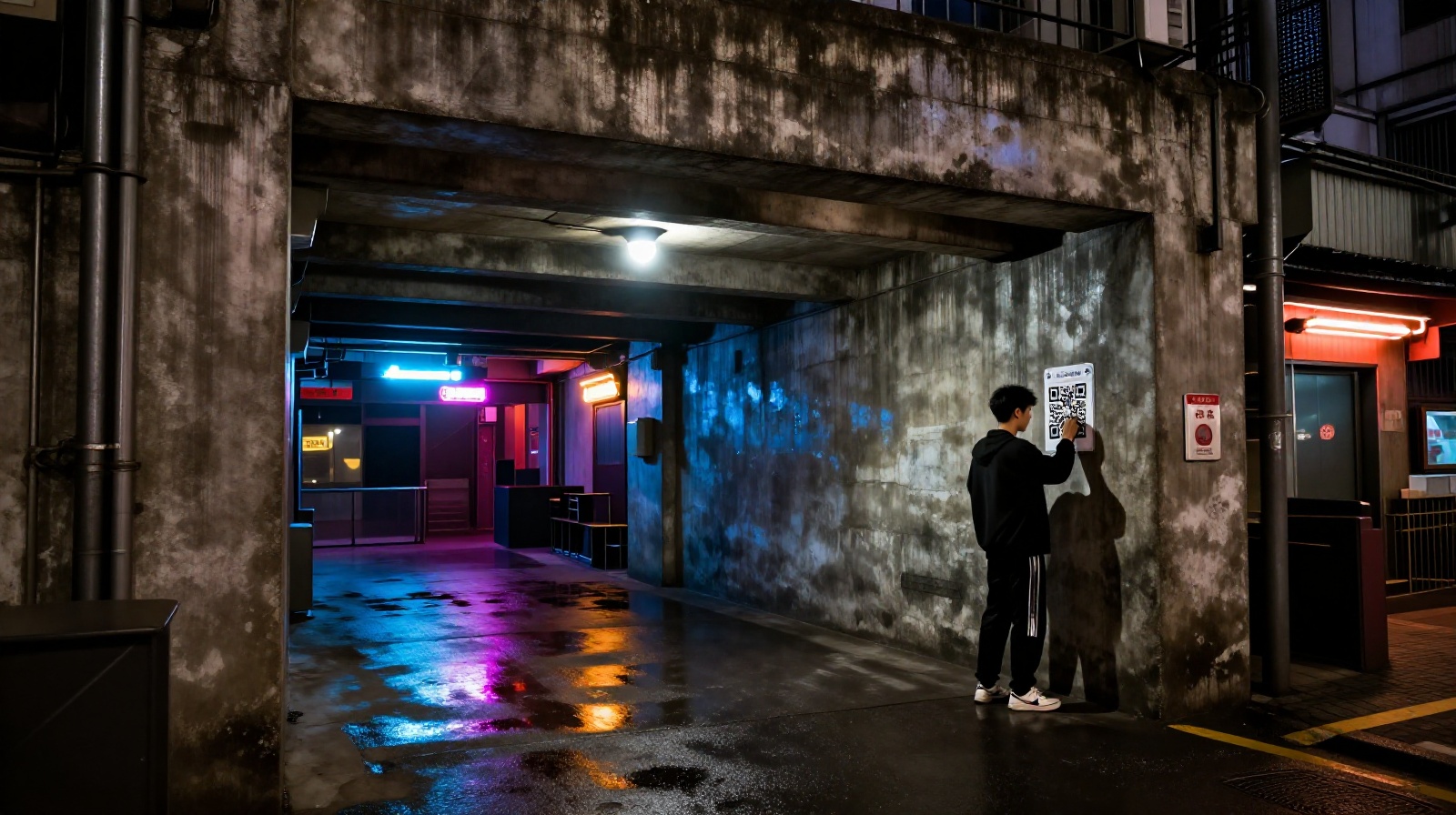
It is 11:30 PM in Chongqing. The air is thick with humidity and the scent of spicy hotpot. I stand before a nondescript concrete wall in the Yuzhong District, looking for a door that doesn’t seem to exist. A QR code is scrawled in white chalk on the pavement. I scan it. My phone buzzes. A moment later, a section of the wall slides open—not a revolving door, but a heavy, industrial steel gate.
Welcome to the real Chongqing. While guidebooks point you to the bright lights of Jiefangbei or the cruise ships on the Yangtze, the city’s underground club scene operates in the shadows of its famous “8D” topography. Chongqing is built on mountains and rivers, resulting in a vertical urban fabric where the “first floor” for one building might be the “third floor” for another. This geographical complexity has birthed a unique nightlife culture: clubs hidden in basements, abandoned factories, and spaces connected by long escalators that feel like they lead to the center of the earth.
The Hidden Entrances
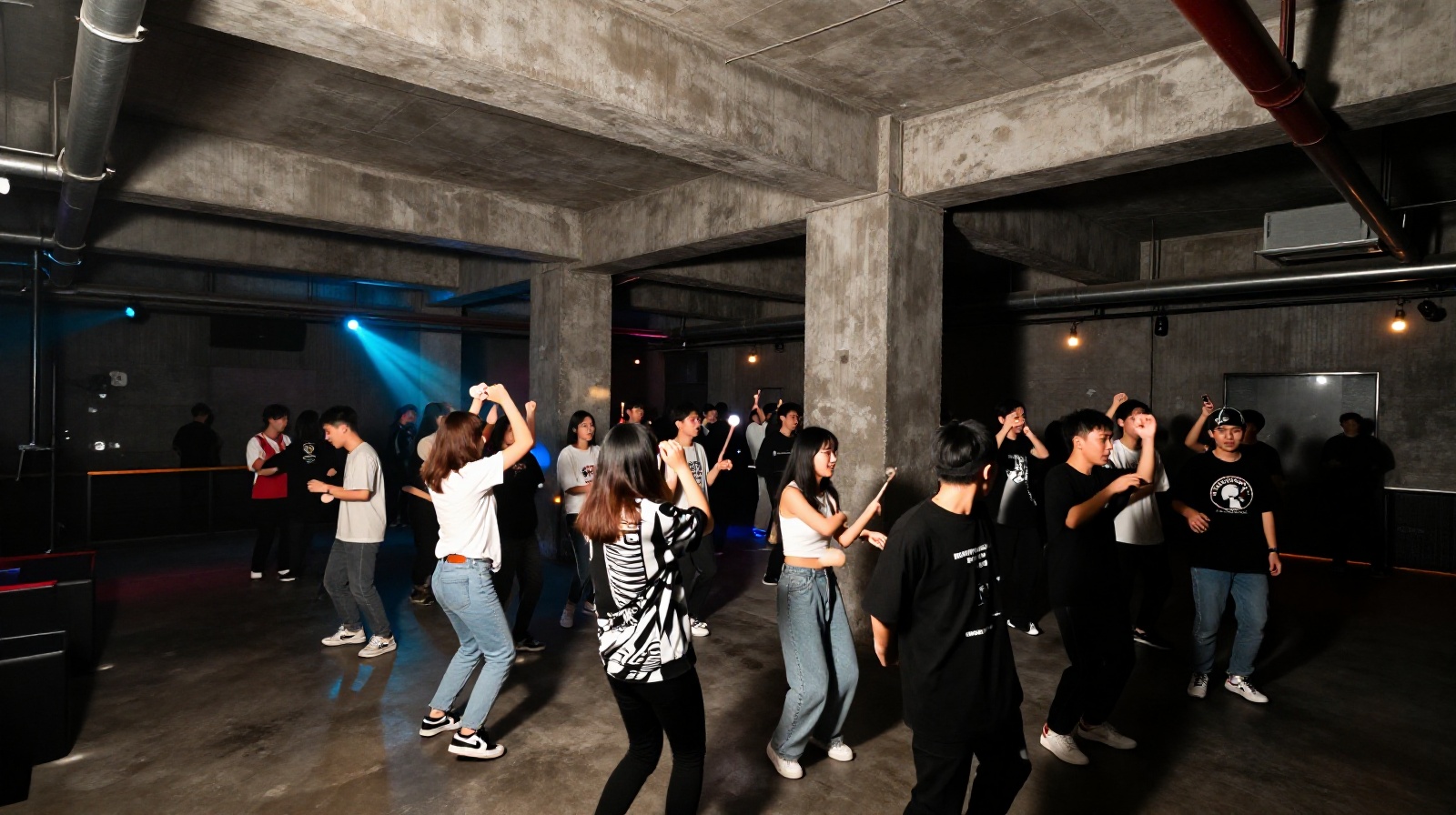
Navigating these venues requires more than a map; it requires local intuition. The most famous underground spot, often referred to simply as “The Basement” (though names change as police raids and renovations occur), is located in a repurposed industrial zone in Jiulongpo. To find it, you cannot rely on GPS alone. You must descend into a labyrinth of service corridors beneath a bustling shopping mall.
Another entry point is found near the Hongtudi subway station. Instead of exiting to the street, locals know to follow the signs for “B2″—but not the public parking. A narrow, dimly lit corridor leads to a heavy metal door guarded by a bouncer who looks less like a nightclub doorman and more like a construction worker. He checks your face against a list on his phone, nods, and lets you into a world of thumping bass and strobe lights.
The Atmosphere: Raw and Unfiltered
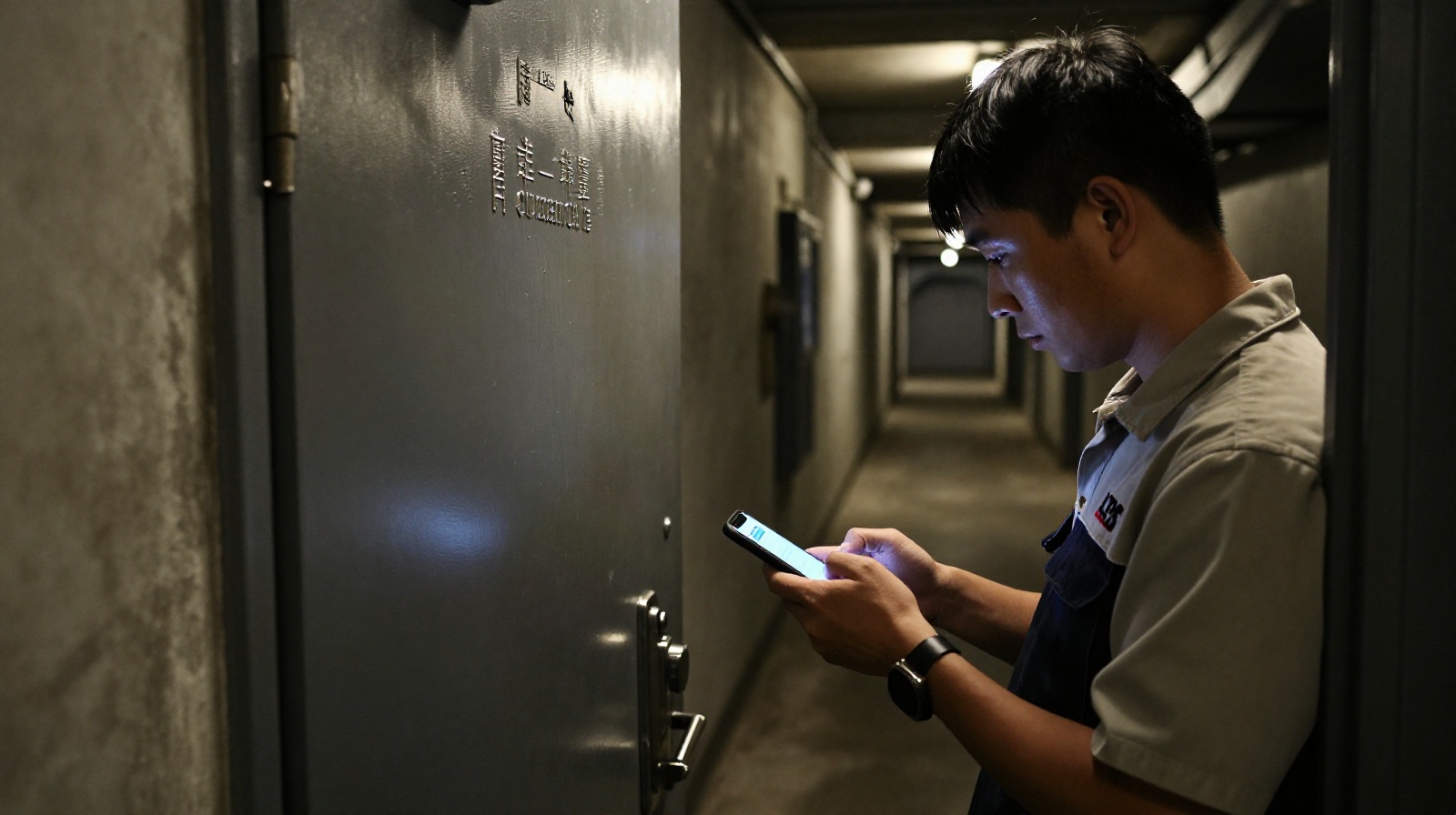
Inside, the vibe is distinctly different from the polished lounges of Shanghai or Beijing. Chongqing’s underground clubs are raw, industrial, and intensely social. The architecture often exposes concrete pillars, exposed pipes, and low ceilings, creating an intimate, almost claustrophobic energy that feeds into the music.
The music is eclectic but leans heavily towards techno, house, and local electronic experiments. Unlike the VIP bottle-service culture dominant in Western clubs, here the focus is on the dance floor. People are dressed in utilitarian streetwear—oversized hoodies, cargo pants, and sneakers—reflecting the city’s pragmatic and rugged character. The crowd is a mix of university students from Chongqing University, young professionals from the tech sector, and artists from the local creative scene. There is a palpable sense of camaraderie; strangers often bond over the shared experience of navigating the city’s confusing layout just to find the party.
Locals vs. Tourists
For tourists, finding these places can be a challenge. Most underground clubs do not appear on major booking platforms like WeChat Official Accounts or Dianping in a direct way. They rely on word-of-mouth and social media groups (such as WeChat groups or Xiaohongshu posts) that are updated frequently with entry codes or temporary addresses.
Locals treat these venues as secret sanctuaries. There is a subtle exclusivity to it. Showing up without knowing the current “password” or being invited by a friend can lead to confusion. The etiquette is simple: be respectful, dress comfortably for dancing, and understand that these spaces are community-driven, not just commercial enterprises. If you are lucky, you might strike up a conversation with a local who will explain the history of the building—perhaps it was a textile factory in the 1980s before becoming a hub for the city’s electronic music pioneers.
Etiquette and Safety
As a visitor, there are a few cultural nuances to keep in mind. First, hydration is key. Chongqing is humid, and the clubbing culture often involves long nights of dancing. Bring cash; while digital payments are ubiquitous, some smaller underground venues might still prefer cash for entry or drinks due to occasional technical issues with network connectivity in deep basements.
Second, respect the space. These are not just party venues; they are often community centers for the arts. Do not treat the DJs or staff with entitlement. Finally, be aware of your surroundings. While Chongqing is generally safe, navigating the complex stairwells and escalators late at night requires attention. Stick with friends if possible, and always have a plan for getting back to your hotel, as taxis can be hard to hail in the early morning hours.
Conclusion
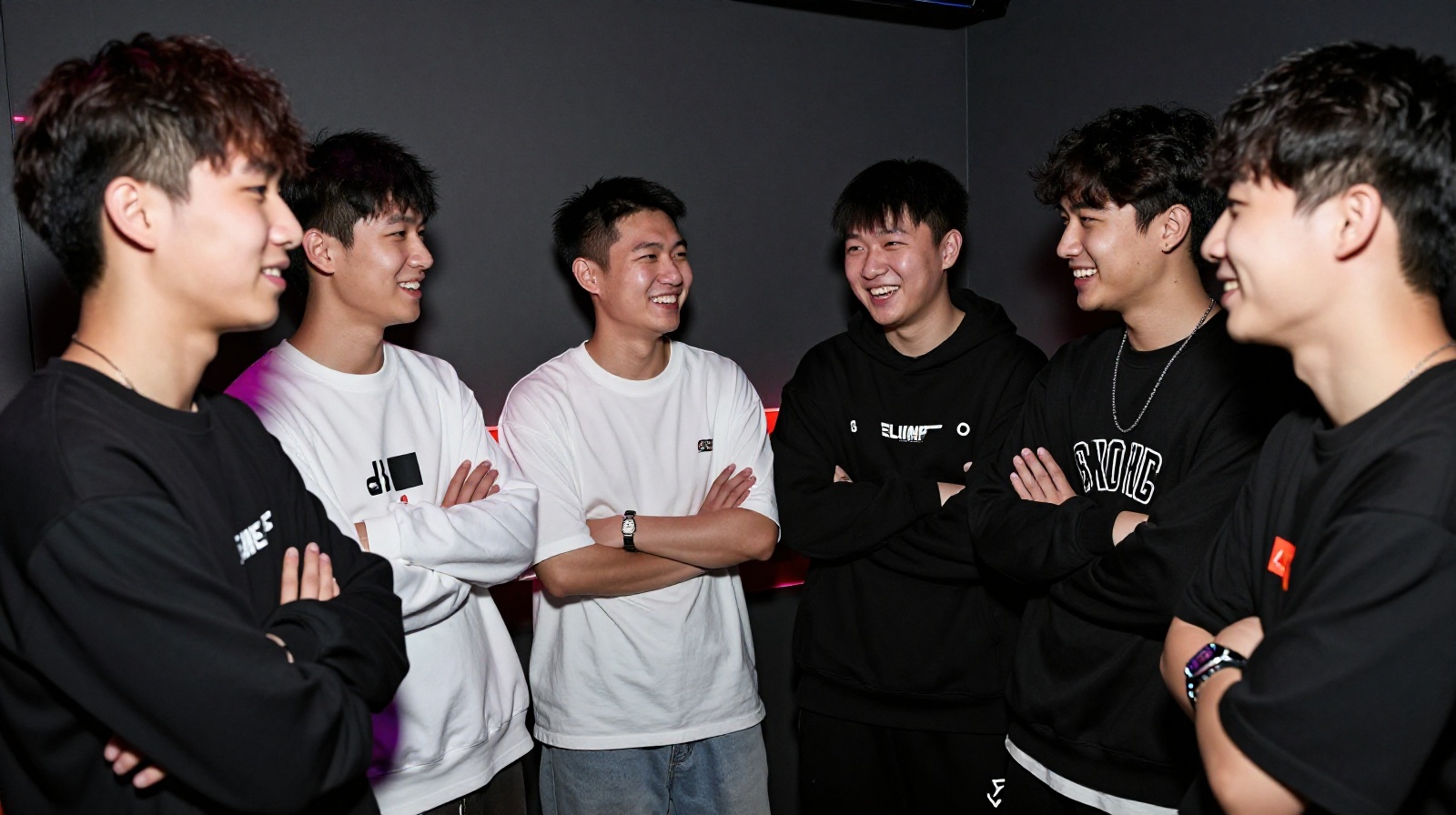
Chongqing’s underground clubs are more than just places to drink; they are a reflection of the city’s resilience and creativity. In a place where the geography itself is a puzzle, these hidden spaces offer a way for young people to carve out their own identity, away from the tourist gaze. To experience them is to understand the heartbeat of modern Chongqing—complex, layered, and endlessly surprising.