


The Name Game in Chinese Workplaces
Imagine you are new to a company in Shanghai. You walk into the office, eager to introduce yourself. The security guard at the gate smiles and nods as
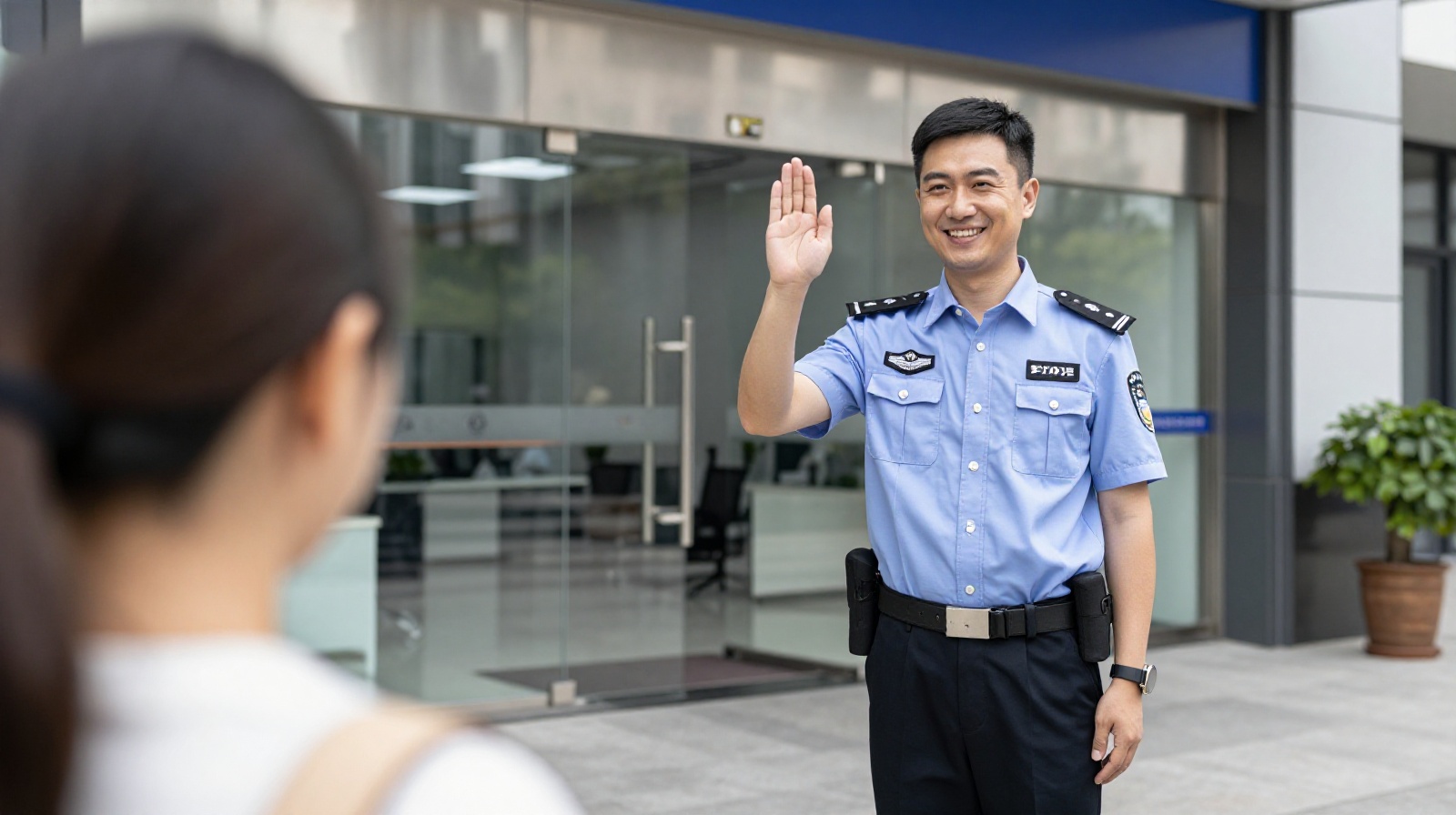
. Inside, your colleague Li Wei laughs when you call him “Wei.” Later, you meet Mr. Wang, the department head, and instinctively try to shake his hand like an American counterpart might.
In Western workplaces, first names are standard. In China, getting these small social cues right is crucial for building trust. It’s not just about politeness; it’s about understanding where you fit in the hierarchy.
Why Titles Matter More Than Names
Chinese workplace culture is heavily influenced by Confucian values, which emphasize respect for age and seniority. In many Western tech startups or creative agencies, calling a CEO “Bob” after one day on the job signals equality and flat hierarchy.
In China, doing so too early can seem disrespectful or naive. Using titles shows you understand social order. It’s similar to how Japanese culture uses honorifics like -san or -sama, but with more flexibility based on context.
The Universal Respect: “Shifu” (师傅)
If you are unsure what to call someone, start with Shifu. In English, this translates roughly to “Master,” but in China, it’s much broader. You use Shifu for:
- Taxi drivers or bus drivers.
- Security guards and building maintenance staff.
- Chefs or skilled technicians (e.g., electricians).
It is a term of respect that acknowledges someone’s skill or experience, regardless of their official job title. Calling the security guard “Shifu” makes him feel respected rather than invisible.
The Friendly Prefix: “Ge” and “Jie” (哥/姐)
For colleagues slightly older than you in rank or age, use Ge (Brother) for men and Jie (Sister) followed by their surname. For example, if your colleague is named Zhang Wei, call him “Zhang Ge” (

).
This creates warmth without crossing professional boundaries. It’s common in both traditional offices and modern tech firms. However, avoid using it with superiors unless they explicitly invite you to do so.
The Formal Honorific: “X Zong” (X总)
When addressing managers or business partners, add Zong after their surname. If Mr. Wang is the director, call him “Wang Zong.” This suffix means “Boss” but in a professional sense.
In state-owned enterprises and traditional industries, this is mandatory. Even in trendy internet companies, using “Zong” with senior staff shows you respect their position. It’s like adding “Manager” or “Director” in English, but it carries more weight regarding hierarchy.
Industry Nuances: Tech vs. Traditional
Modern Chinese workplaces are changing. In top tech hubs like Shenzhen or Beijing, younger teams often use English nicknames or code names (
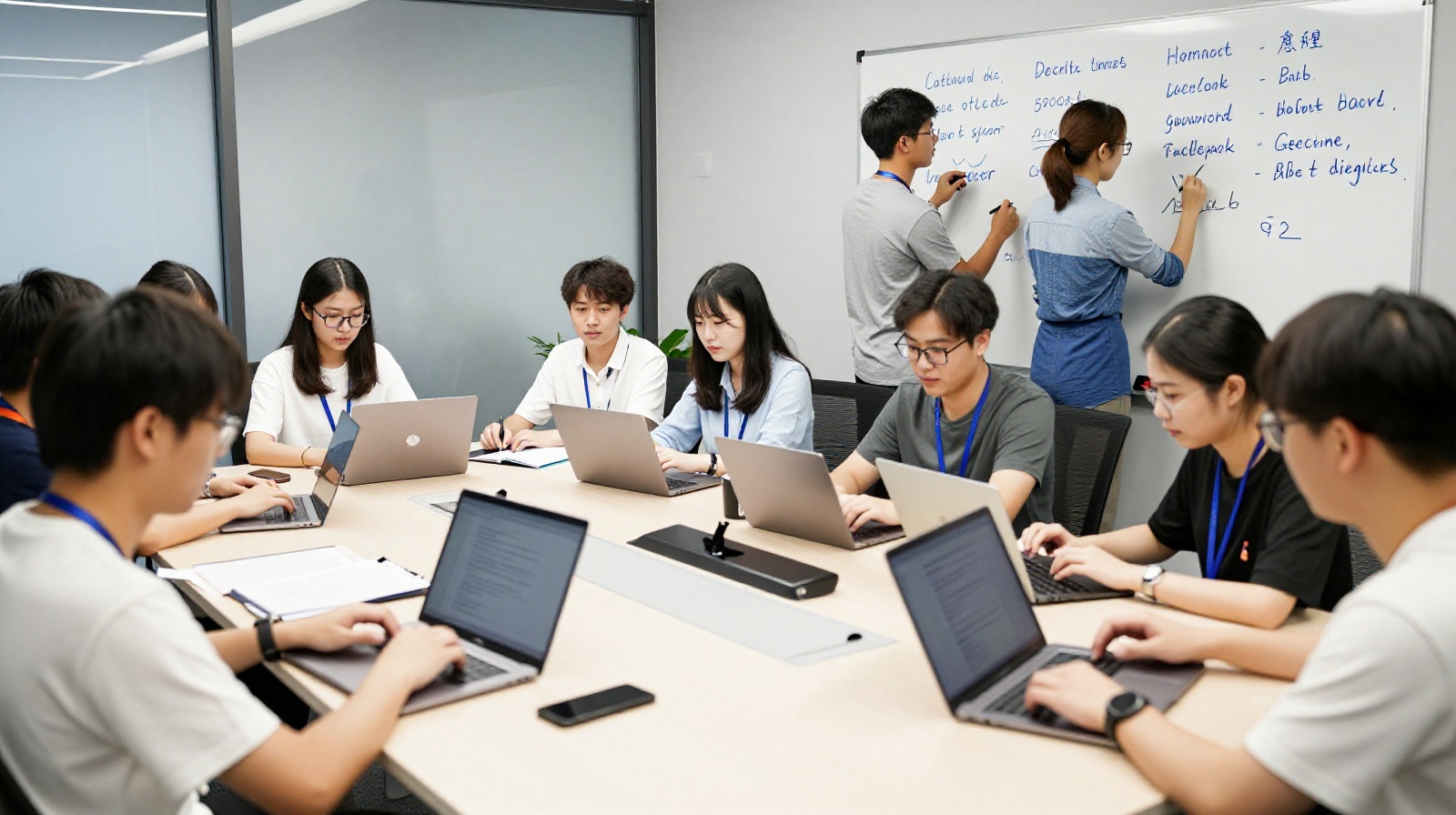
). This reflects a globalized, relaxed culture. However, when meeting older clients from manufacturing or government sectors, stick to formal titles.
Quick Etiquette Guide
| Situation | What to Call Them | Why? |
|---|---|---|
| Taxi Driver / Security Guard | Shifu (师傅) | Respect for skill/experience. |
| Older Colleague | Surname + Ge/Jie | Friendly, respectful peer relationship. |
| Manager / Client | Surname + Zong (总) | Professional hierarchy and status. |
| Young Peer in Tech | First Name or Nickname | Informal, flat structure. |
Navigating these titles might seem complex at first. But once you see them as tools for building connection rather than rigid rules, they become a fun part of understanding China’s social fabric.