

The Buffet as a Battlefield
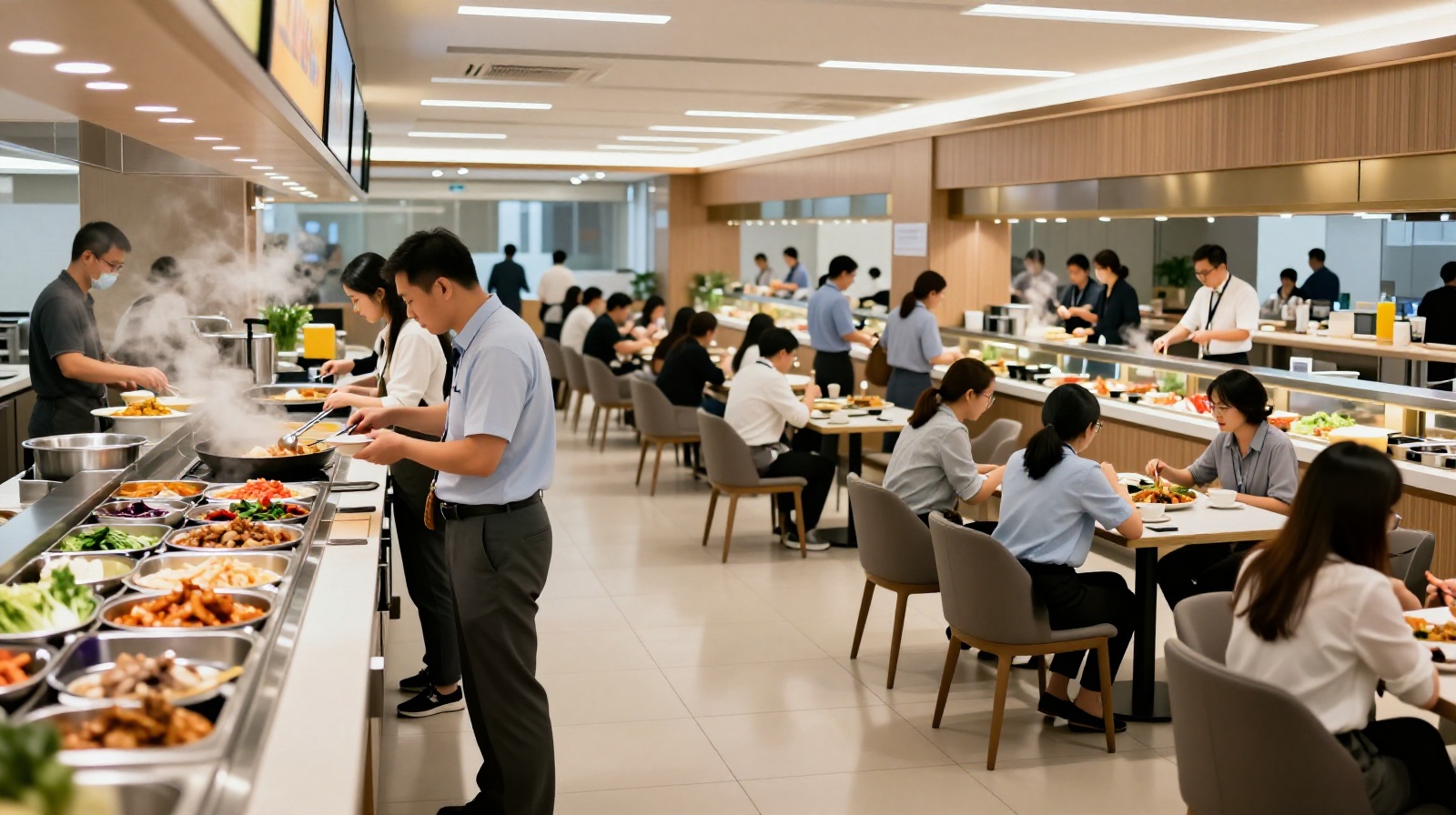
It is 7:30 PM on a Tuesday in Beijing’s Haidian District. While most offices in the West are emptying out, the corridors of major tech campuses are still buzzing. But the energy isn’t just coming from code being written; it’s coming from the smell of braised pork and fresh seafood. In China’s tech industry, the cafeteria is no longer just a place to eat; it is a strategic battlefield.
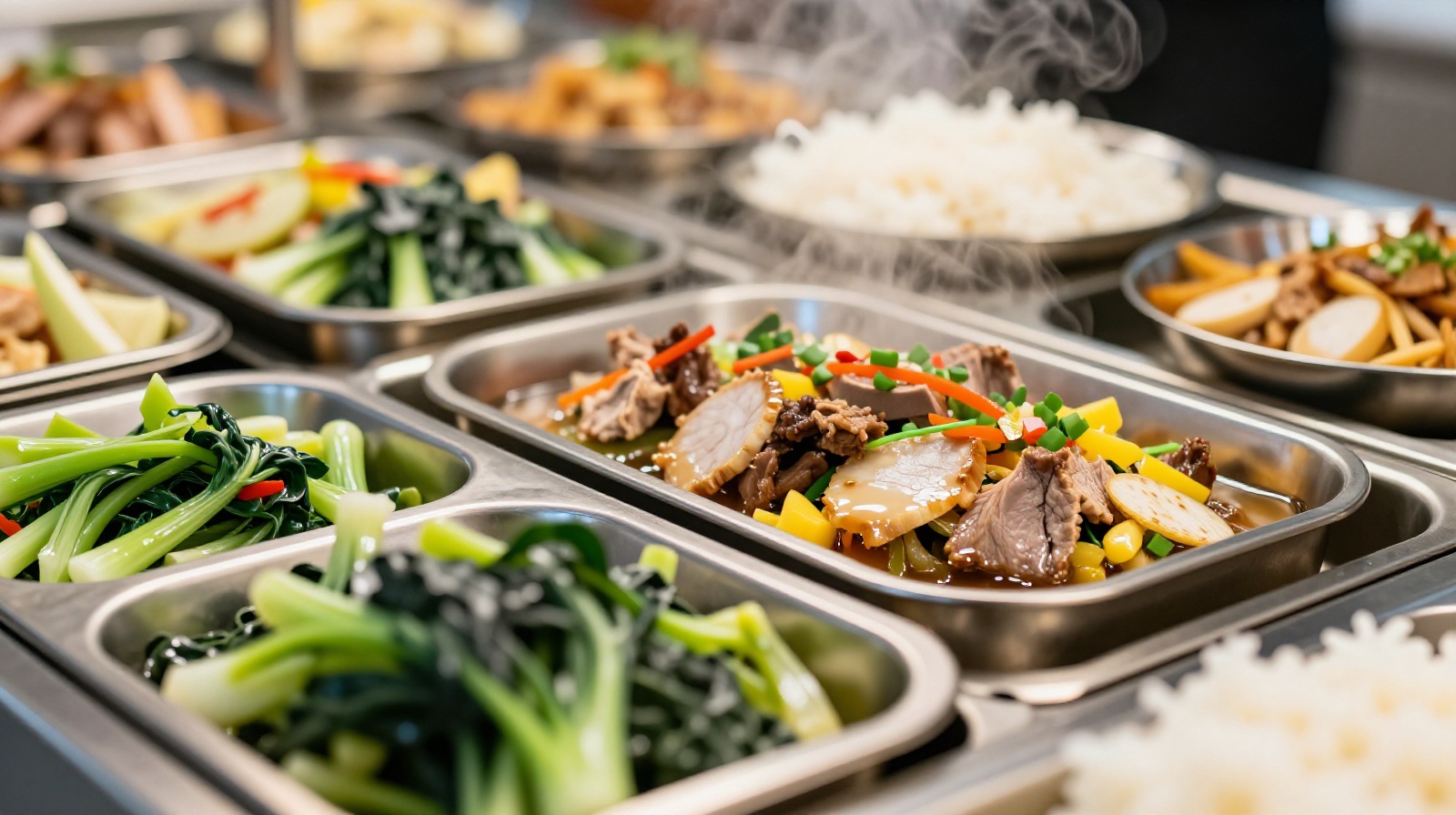
Walk into the canteen of a top-tier Chinese tech company, and you might mistake it for a high-end restaurant. There are stations serving Sichuan spicy hot pot, Cantonese dim sum, fresh sushi, and even Western steaks. For many employees, these meals are free or heavily subsidized. The variety is staggering: dozens of dishes, fresh fruits, yogurt, and sometimes even late-night snacks like noodles and dumplings available until midnight.
The Logic Behind the Feast
Why spend so much on food? The answer lies in a combination of talent retention and operational efficiency. In the hyper-competitive Chinese tech sector, finding skilled engineers and product managers is incredibly difficult. Companies compete not just with salaries, but with lifestyle benefits.
Providing excellent meals serves two primary purposes. First, it reduces the “friction” of daily life. Commuting in megacities like Beijing or Shenzhen can take hours. By offering high-quality food on-site, companies save employees time and decision fatigue. If dinner is already prepared and delicious, an employee is more likely to stay late to finish a project rather than rush home to cook.
Second, it acts as a powerful retention tool. When a company provides a “home away from home” environment, it fosters loyalty. Employees who eat together tend to bond more closely, creating a sense of community that makes leaving the job feel like leaving a family. In an industry where turnover rates can exceed 20% annually, this emotional and practical anchor is valuable.
Beyond Free Food: The “Invisible” Clock
However, this culinary abundance comes with a complex social contract. Critics and sociologists often point out that these lavish cafeterias are not just acts of generosity; they are mechanisms for extending working hours. This is often referred to as “invisible overtime.”
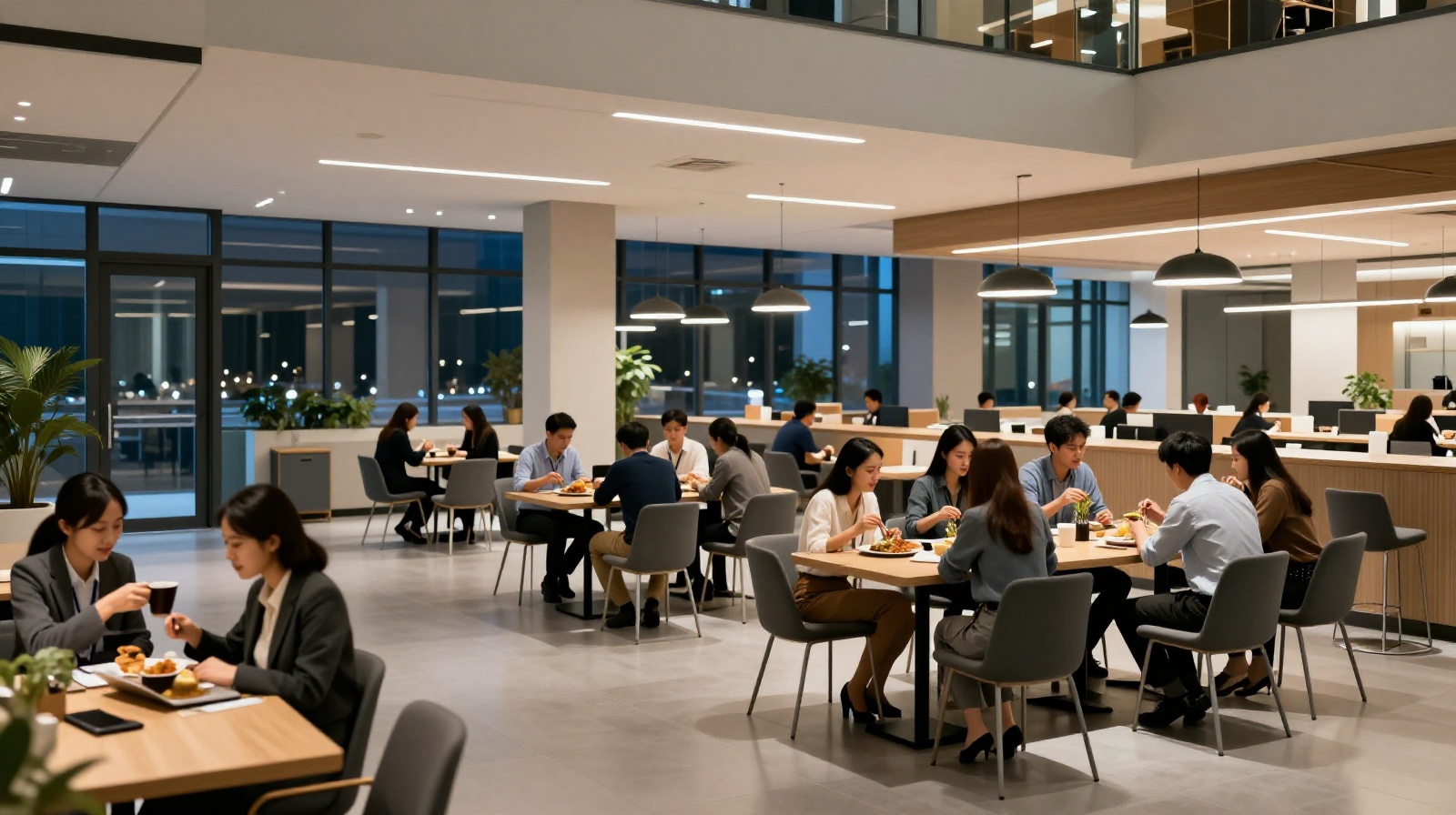
When the office closes at 9:00 PM, but the canteen is still open with a warm meal ready, the psychological barrier to leaving weakens. The free food becomes a “golden handcuff.” It is difficult to leave when you have just received a premium steak dinner for free, especially when your peers are still in the office. The culture shifts from “working hard to get home” to “staying late because it’s comfortable here.”\p>
Furthermore, the quality of food has become a status symbol within the industry. Employees often compare cafeterias across different companies on social media. A company with a mediocre canteen might be perceived as less generous or less successful, regardless of its actual technical prowess. This creates a pressure cooker environment where even HR and administrative teams are incentivized to upgrade their food offerings to match competitors.
A Mirror of Chinese Consumerism
The “Canteen War” also reflects the broader maturity of China’s food service industry. Ten years ago, office catering was often synonymous with low-quality boxed lunches. Today, due to fierce competition in the consumer market, food quality has risen dramatically. Tech companies are leveraging this supply chain sophistication to offer Michelin-level experiences at no cost to employees.
But for the average worker, this convenience is a double-edged sword. While it eliminates the stress of cooking and cleaning, it can also blur the boundaries between work and life. The line between “workplace” and “home” dissolves when your kitchen, dining room, and social hub are all located in the same building.
The Human Side of the Strategy
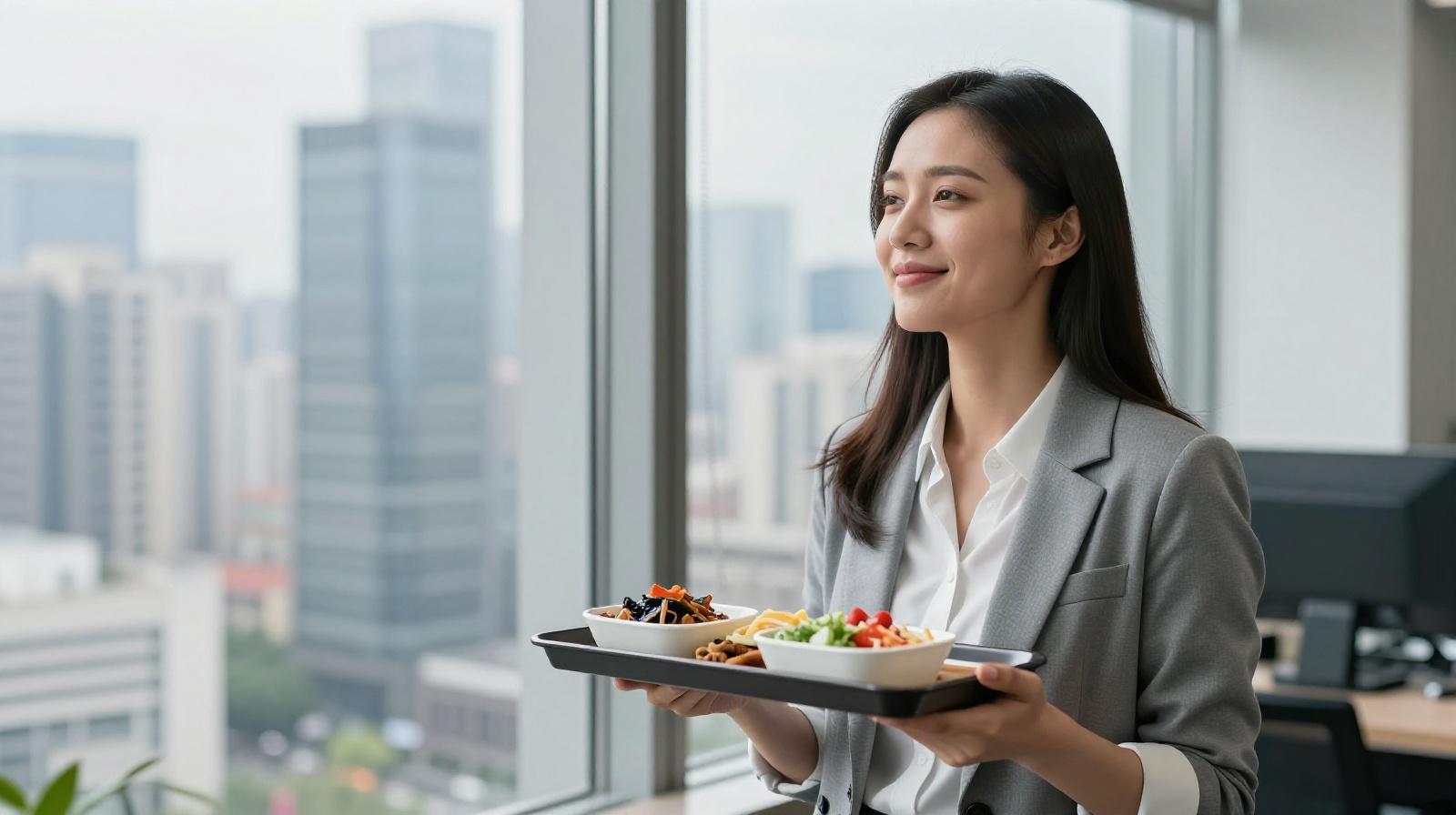
Despite the critiques, many employees genuinely appreciate the benefit. For young professionals moving to new cities, free, healthy food provides a safety net. It allows them to focus on their careers without worrying about making ends meet or finding time to cook.
Ultimately, the competition over cafeteria menus is a microcosm of China’s modern corporate landscape. It shows a shift from purely financial incentives to holistic lifestyle management. As long as the tech industry remains a driver of economic growth and innovation, this “war” for the best dinner will likely continue. But it raises an important question: At what point does care become control, and convenience become captivity?