
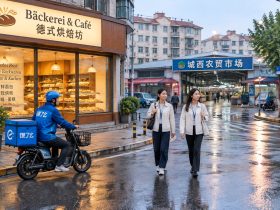
In Taicang, a small city northwest of Shanghai, more than 500 German companies have reshaped the daily rhythm: rye bread before dawn, bilingual shuttle buses, precision ...
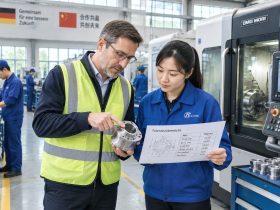
A county-level city of 830,000 people, about 50 kilometers from Shanghai, hosts more than 500 German companies. The reason isn't cheap land. It's a four-kilometer supply ...
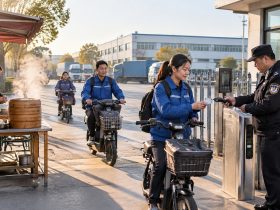
More than 560 German companies operate in Taicang, a county-level city in Jiangsu. The story of that cluster is best told on foot, at 7:35 a.m., ...
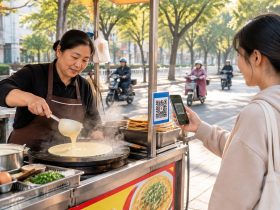
A first-person experiment: thirty days in China without touching a single banknote. What it felt like to pay with a phone for everything — and where ...
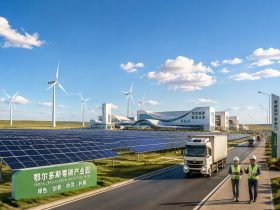
From a zero-carbon industrial park in Inner Mongolia to rooftop solar in Chinese villages, the path to China’s 2060 net-zero target is being built right now. ...
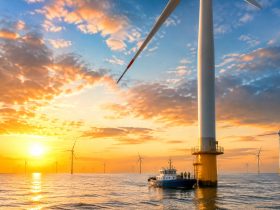
China's offshore wind industry has built the world's largest turbines, with the newest generation reaching heights beyond the Eiffel Tower. Discover how these engineering marvels are ...
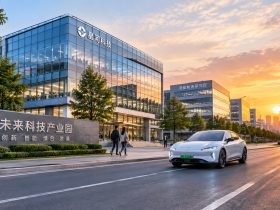
A practical look at China's tech sectors in 2027—AI, semiconductors, NEVs, biotech, and market access—and where international players can still compete for growth. ...
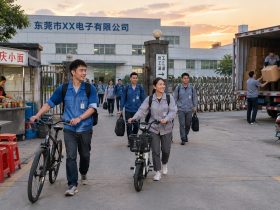
A toy factory in Dongguan had half its floor sitting idle. Then a Shenzhen brand asked for 40,000 Wi-Fi smart speakers in six weeks. Here is ...

In China's largest processing tomato region, a single machine can do the work of a hundred pickers. We follow the harvest from a dawn field to ...

I ordered a taxi in Beijing and nobody was behind the wheel. Here's what it felt like to ride in an Apollo Go robotaxi through the ...